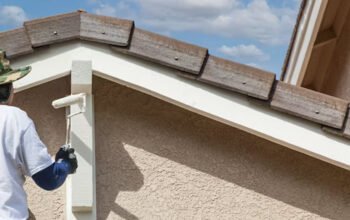
A home’s exterior plays an important role in its overall appearance, value, and durability. Over time, dirt, dust, pollen, mold, mildew, algae, and other environmental contaminants can accumulate on exterior walls, leaving surfaces looking dull and neglected. Rain, humidity, wind, and exposure to sunlight can also contribute to discoloration and stubborn stains that become increasingly difficult to remove. Regular exterior maintenance helps restore the appearance of a property while removing unwanted buildup that may affect different surfaces. By understanding the available cleaning methods, proper maintenance techniques, and benefits of professional services, homeowners can protect their investment and maintain a welcoming appearance throughout the year.
Why Exterior Home Maintenance Is Important
The exterior of a house is constantly exposed to environmental conditions that gradually affect its appearance and condition. Dust settles on siding, pollen collects around windows, and moisture creates conditions that encourage organic growth in shaded or poorly ventilated areas. If these contaminants remain on surfaces for long periods, they can contribute to discoloration and make routine maintenance more difficult. Regular house washing helps remove accumulated grime before it becomes deeply embedded in exterior materials. Maintaining clean surfaces also creates a more attractive appearance and allows homeowners to identify potential maintenance issues before they develop into more expensive problems. A well-maintained exterior can improve the overall impression of a property and make outdoor spaces more pleasant to use. Clean walls, windows, entryways, and exterior features create a sense of care that visitors and potential buyers may appreciate. Dirt and organic growth can make even a well-designed house appear older than it actually is, while consistent cleaning helps preserve its original appearance. Although cleaning cannot replace necessary repairs or prevent every form of deterioration, it can be an important part of a broader maintenance plan. Combining regular inspections with appropriate cleaning practices helps homeowners protect exterior surfaces and maintain the property’s long-term appeal.
Common Causes of Exterior Dirt and Staining
Exterior surfaces collect different types of contaminants depending on their material, exposure, and surrounding environment. Dust and airborne particles can settle on walls and windows, while rainwater may leave mineral deposits or carry soil across siding and masonry. Pollen can accumulate during certain seasons, creating a yellowish film on windows, doors, and outdoor furniture. Nearby trees may contribute sap, leaves, and other organic residue that sticks to exterior surfaces. Understanding the causes of these problems helps homeowners select suitable cleaning methods and determine how frequently maintenance should be performed. Moisture is another major factor that affects the cleanliness of a home’s exterior. Shaded walls, damp corners, and areas with limited sunlight may provide favorable conditions for algae, mold, and mildew growth. These contaminants can produce dark streaks, green patches, or discolored areas that affect the appearance of siding, brick, and other materials. Blocked gutters and poor drainage may also allow water to run down walls repeatedly, leaving stains and encouraging additional buildup. Addressing the underlying moisture problem, where possible, is just as important as cleaning the visible contamination because recurring dampness can cause stains to return.
Understanding Different Exterior Surfaces
Homes often feature a combination of materials, including vinyl siding, painted wood, brick, stucco, concrete, stone, and metal. Each material has different cleaning requirements, and a method that works well on one surface may damage another. Vinyl siding generally needs a suitable cleaning solution and controlled water pressure, while painted wood may require a gentler approach to protect the finish. Brick and masonry can tolerate certain cleaning methods, but their mortar joints and surface condition must be considered before using pressure washing equipment. Identifying the exterior materials before cleaning helps prevent avoidable damage and supports better results. Stucco and other textured surfaces may require special attention because dirt can collect in small crevices that are difficult to clean with ordinary rinsing. Older paint, deteriorating siding, and cracked masonry may also be more vulnerable to water penetration. Homeowners should inspect these areas carefully and seek professional advice when the material’s condition is uncertain. A suitable cleaning approach should remove contaminants without stripping paint, damaging protective coatings, loosening mortar, or forcing water behind exterior panels. Professional house washing services can help determine which methods are appropriate for different materials and conditions, especially when a property contains several types of exterior finishes.
Benefits of Professional Exterior Cleaning
Cleaning a home’s exterior can be physically demanding, especially when the property has multiple stories, extensive siding, or difficult-to-reach areas. Homeowners may need specialized equipment, ladders, cleaning products, and protective gear to complete the work safely. Professional cleaners bring experience and equipment designed to handle a variety of exterior surfaces and contamination levels. They can assess the property, identify areas requiring special attention, and choose suitable cleaning techniques. Hiring experienced specialists can reduce the time involved and help homeowners avoid the risks associated with working at heights or using powerful cleaning equipment without proper training. Professional services may also provide more consistent results across large exterior areas. Experienced technicians understand that removing dirt is not simply a matter of applying maximum pressure; the correct combination of water flow, cleaning solution, application method, and rinsing technique is often more important. They can also recognize when staining may be caused by a problem that cleaning alone cannot resolve, such as damaged paint, deteriorating materials, or persistent moisture. Regular professional house washing can help maintain a cleaner exterior while supporting a wider property maintenance routine. Before hiring a provider, homeowners should ask about experience, insurance, cleaning methods, and the surfaces included in the service.
Soft Washing and Pressure Washing Explained
Soft washing is a cleaning method that uses low water pressure combined with an appropriate cleaning solution to loosen dirt and organic contaminants. It is often suitable for delicate exterior surfaces that could be damaged by aggressive pressure. The solution is applied according to the manufacturer’s directions and allowed to work for the recommended period before the surface is rinsed carefully. This approach can help remove algae, mildew, and surface grime while reducing the risk of damage associated with excessive force. However, the cleaning products must be selected and applied responsibly to protect landscaping, pets, and surrounding materials. Pressure washing uses specialized equipment to deliver water at higher pressure, making it useful for certain durable surfaces and stubborn dirt. However, it is not suitable for every part of a home, particularly where paint is loose, siding is damaged, seals are weak, or water could enter behind exterior materials. Excessive pressure can strip finishes, damage wood fibers, break window seals, or force moisture into vulnerable areas. The appropriate method depends on the surface material, its condition, and the type of contamination present. A careful assessment helps determine whether soft washing, pressure washing, or a combination of techniques will provide the safest and most effective results.
Preparing Your Home Before Cleaning
Proper preparation helps protect the property and makes exterior cleaning more efficient. Before work begins, homeowners should close windows and doors, move outdoor furniture away from walls, and secure lightweight items that could be affected by water or wind. Electrical outlets, exterior lighting, and other sensitive fixtures should be checked and protected using suitable methods. It is also important to identify areas where paint is peeling, siding is loose, or caulking has deteriorated, since these conditions may allow water to enter the building. Addressing or protecting vulnerable areas helps reduce the chance of problems during the cleaning process. Landscaping also deserves attention before exterior surfaces are washed. Plants, flowers, and shrubs near the house may be sensitive to cleaning products or contaminated runoff, so they should be protected as appropriate. Cleaning solutions should never be allowed to enter storm drains or water sources in ways that violate applicable requirements. Homeowners should inform the cleaning team about fragile features, recent paintwork, damaged surfaces, or previous water intrusion concerns. Good preparation supports a safer process and makes it easier to achieve consistent results without affecting outdoor features, household belongings, or neighboring areas.
Maintaining Clean Walls and Siding
Exterior walls are among the most visible parts of a house and often collect dust, pollen, cobwebs, and airborne residue. The areas beneath roof edges, around windows, and near the ground may become especially dirty because of water runoff and limited airflow. Routine inspection helps homeowners identify these areas and determine when cleaning is needed. Loose debris can often be removed with gentle brushing or rinsing, while more stubborn buildup may require a surface-appropriate cleaning solution. Regular attention prevents excessive accumulation and makes future maintenance less demanding. Different siding materials need different levels of care, so homeowners should follow the manufacturer’s maintenance recommendations whenever available. Painted surfaces may require gentle cleaning to avoid fading or peeling, while vinyl siding should be checked for loose panels and damaged seams before water is applied. Brick and stone may need careful treatment to protect mortar and avoid unwanted chemical reactions. During cleaning, attention should be given to areas where water could enter through gaps or openings. A consistent maintenance schedule helps preserve the appearance of exterior walls and makes it easier to spot damage that requires repair rather than additional cleaning.
Keeping Roofs and Gutters in Good Condition
Roofs contribute significantly to a home’s protection, and their condition can influence how water moves across the entire property. Leaves, branches, and other debris may collect on roof surfaces, while algae can create dark streaks on certain roofing materials. These issues can affect appearance and may indicate conditions that deserve closer inspection. Roof cleaning must be approached carefully because different roofing materials have specific maintenance requirements, and walking on a roof can be dangerous. Homeowners should consult qualified professionals when cleaning involves steep slopes, fragile materials, or areas that are difficult to access safely. Gutters and downspouts also require regular attention because they direct rainwater away from the building. When gutters become blocked by leaves, twigs, and sediment, water may overflow and run down exterior walls. Repeated overflow can leave stains, contribute to moisture problems, and affect the ground around foundations. Keeping gutters clear helps protect the exterior and supports effective drainage. Homeowners should inspect gutter connections, downspout outlets, and nearby drainage areas periodically. If the system remains blocked or water continues to collect near the house, a professional assessment may be needed to identify and correct the underlying issue.
Cleaning Windows, Doors, and Outdoor Features
Windows and doors are important parts of a home’s exterior because they influence both appearance and functionality. Dust, pollen, water spots, and airborne residue can build up on glass and frames, reducing clarity and leaving surfaces looking dull. Suitable glass cleaners and soft cloths can help remove everyday dirt, while exterior frames may need a separate cleaning method depending on their material. Strong pressure should be avoided around window seals, door hardware, and vulnerable joints because water may penetrate small openings and cause damage. Careful cleaning helps maintain the appearance of these features while reducing unnecessary wear. Other outdoor features, including fences, patios, railings, steps, and retaining walls, may also accumulate grime and organic growth. These surfaces should be assessed individually because wood, composite materials, concrete, and natural stone respond differently to water pressure and cleaning products. Slippery growth on steps and walkways deserves particular attention because it may increase the risk of falls. Removing buildup and correcting drainage problems can make outdoor spaces more comfortable and easier to maintain. Including these features in a regular cleaning schedule helps create a more consistent appearance throughout the property rather than focusing only on the main exterior walls.
How Seasonal Changes Affect Exterior Cleaning
Seasonal weather can influence how quickly dirt accumulates and which exterior areas require additional attention. Spring often brings pollen, tree residue, and dust that settle on siding, windows, and outdoor surfaces. Summer conditions may increase the visibility of water spots and airborne dirt, while periods of high humidity can encourage organic growth in damp or shaded areas. Autumn commonly brings fallen leaves, twigs, and debris that collect around gutters, roof edges, and exterior corners. Recognizing these seasonal patterns helps homeowners schedule maintenance before buildup becomes excessive. Cold weather may introduce additional concerns, particularly when water freezes in cracks or when surfaces remain damp for extended periods. Cleaning should be planned around suitable temperatures and product instructions to avoid ineffective results or unsafe conditions. Some cleaning solutions and protective treatments require specific weather conditions to work properly. Homeowners should also consider the condition of paint, sealants, and exterior materials before undertaking extensive cleaning. By adjusting maintenance practices to seasonal conditions, property owners can address emerging problems early and keep their homes looking well cared for throughout the year.
Factors That Influence Exterior Cleaning Costs
The cost of exterior cleaning depends on several factors, including the size of the property, the type of exterior materials, the number of stories, and the amount of accumulated dirt. A small house with light surface contamination may require less time and equipment than a larger property with extensive siding, difficult access, or stubborn organic growth. Additional features such as porches, detached structures, exterior stairs, and decorative surfaces may also affect the overall scope of work. Understanding these factors helps homeowners request estimates that reflect their property’s actual needs. Special treatments, delicate materials, and difficult access can influence pricing as well. Some surfaces may require low-pressure techniques or specialized cleaning solutions, while others may need additional preparation to protect paint, landscaping, and exterior fixtures. Homeowners should request a written estimate that clearly explains the work included, the cleaning method, and any additional services or charges. Comparing estimates from qualified providers can help customers evaluate value without focusing exclusively on the lowest price. A transparent proposal makes it easier to understand what to expect and reduces the possibility of misunderstandings once the work begins.
Choosing a Reliable Exterior Cleaning Company
Selecting a dependable cleaning company requires more than comparing prices. Homeowners should consider the provider’s experience, insurance coverage, customer feedback, equipment, and understanding of different exterior materials. A professional company should be able to explain why a particular cleaning method is suitable and identify any areas that need special care. It should also discuss how plants, windows, electrical fixtures, and other sensitive features will be protected during the work. Clear communication before the appointment helps establish expectations and supports a smoother cleaning process. It is also useful to ask about the company’s approach to environmental protection and wastewater management. Cleaning products should be used according to their instructions, and runoff should be controlled responsibly. Homeowners should be cautious of providers who recommend high pressure for every surface or promise to remove all stains without inspecting the property. Some discoloration may be permanent, while certain marks may result from material deterioration rather than removable dirt. Choosing a qualified professional who offers realistic expectations and prioritizes surface protection can help deliver more dependable results and reduce the risk of unnecessary damage.
Creating a Long-Term Home Maintenance Routine
A long-term maintenance routine helps homeowners keep exterior surfaces in good condition without relying on major cleaning projects every time dirt becomes noticeable. Periodic inspections can reveal early signs of algae, peeling paint, blocked gutters, damaged caulking, or drainage issues. Removing loose debris regularly and addressing small stains promptly can reduce the effort required for deeper cleaning later. Homeowners should also keep records of repairs, previous cleaning treatments, and any protective coatings applied to exterior materials. This information makes it easier to plan future maintenance according to the property’s condition and requirements. The ideal cleaning schedule varies according to building materials, weather exposure, nearby vegetation, and the amount of contamination present. Some properties may need more frequent attention around shaded walls or high-traffic entrances, while others may remain clean for longer periods. Rather than following a rigid schedule, homeowners should inspect their properties regularly and arrange cleaning when visible buildup or surface conditions indicate that it is necessary. Combining preventative maintenance with occasional professional house washing can help preserve exterior appearance and support the long-term performance of siding, masonry, windows, and other building features.
Conclusion
Maintaining clean walls, roofs, windows, and outdoor surfaces requires an understanding of exterior materials, suitable cleaning techniques, and the environmental conditions that affect a property. Dirt, pollen, algae, moisture, and other contaminants can gradually change the appearance of a home, but regular maintenance helps control buildup and makes it easier to identify developing problems. Choosing between soft washing and pressure washing should depend on the surface material, its condition, and the type of contamination involved. Careful preparation, responsible product use, and attention to drainage can further improve results while helping protect the surrounding environment. Homeowners can maintain an attractive and well-protected property by combining routine inspections, timely repairs, and appropriate cleaning practices. Professional assistance may be valuable when surfaces are difficult to access, stains are stubborn, or delicate materials require specialized care. Before hiring a provider, it is important to review the company’s experience, cleaning methods, insurance, and pricing details. With a practical maintenance plan and the right cleaning approach, exterior house washing can contribute to a cleaner appearance, better outdoor safety, and the long-term care of the property.