Trees play an important role in creating attractive outdoor environments, providing shade, supporting wildlife, improving air quality, and adding natural beauty to residential and commercial properties. However, not every tree remains healthy or suitable for its surroundings throughout its life. Some trees become damaged by storms, develop serious diseases, experience structural weakness, or grow too close to buildings and other structures. When these conditions create potential safety concerns, property owners may need to consider professional tree care solutions. Understanding when a tree should be removed and how the process works can help prevent unnecessary damage while maintaining a safe and attractive outdoor environment. Tree removal is an important property maintenance service that involves carefully cutting down and removing trees that are dead, severely damaged, diseased, unstable, or located in unsuitable areas. The process requires proper planning, specialized equipment, and experienced professionals who understand tree structures and safe cutting techniques. Removing a tree is not simply a matter of cutting through its trunk because branches, surrounding structures, underground utilities, and nearby vegetation must also be considered. Professional assistance helps property owners manage potentially dangerous situations while protecting the surrounding landscape and maintaining the overall condition of their property.
Understanding the Importance of Proper Tree Maintenance
Trees require regular attention to remain healthy and structurally stable throughout their lifespan. Environmental conditions, soil quality, water availability, insects, diseases, and physical damage can all influence their growth and condition. A healthy tree can provide years of shade and natural beauty, but neglected trees may gradually develop problems that affect their stability. Dead branches, cracked trunks, exposed roots, and unusual leaning patterns are among the signs that may indicate the need for professional inspection. Identifying these problems early can help property owners determine the most appropriate maintenance solution. Regular inspections also help prevent small tree problems from becoming more serious. Weak branches may fall during strong winds, while damaged roots can affect the stability of larger trees. In some situations, pruning and other maintenance methods may be enough to restore a tree’s condition. However, when a tree becomes severely compromised, professional tree removal may be necessary to reduce potential risks. Understanding the difference between routine maintenance and complete removal allows property owners to make better decisions about their outdoor spaces while preserving healthy trees whenever possible.
Common Reasons for Removing a Tree
There are several reasons why a property owner may need to remove a tree. Dead or severely damaged trees can become unstable over time, particularly when their trunks or major branches begin to decay. Storm damage, lightning strikes, fungal infections, insect infestations, and root problems can also affect the structural condition of a tree. When these issues become extensive, the tree may no longer be safe to keep in its existing position. Professional assessment helps determine whether the tree can be preserved through treatment or whether removal is the more appropriate option. Another common reason involves trees growing too close to buildings, driveways, fences, or other structures. Expanding roots may interfere with certain underground systems, while large branches can extend over roofs and outdoor living areas. Trees planted in unsuitable locations may also create problems as they mature and become larger. Professional tree removal can help address these situations when other management options are not practical. Property owners should avoid making decisions based only on appearance and should consider the tree’s health, structural condition, and potential impact on nearby property.
Recognizing Signs of a Dangerous or Unhealthy Tree
Recognizing early warning signs can help property owners identify trees that require professional attention. A tree with a large crack in its trunk, extensive dead branches, significant decay, or damaged roots may have structural problems that affect its stability. Sudden leaning, unusual movement, and visible soil lifting around the base can also indicate potential concerns. Although some trees naturally grow at an angle, a newly developed lean should be inspected by a qualified professional. These warning signs should never be ignored, particularly when the tree is close to buildings or areas where people regularly gather. Changes in leaf color, premature leaf loss, fungal growth, and unusual bark damage may indicate disease or other health problems. Insects can also weaken trees by damaging their internal structures or interfering with their ability to transport nutrients. Not every unhealthy-looking tree needs to be removed, because some conditions can be treated with appropriate care. However, severe structural damage may require professional tree removal to reduce the possibility of falling branches or complete tree failure. A qualified arborist can evaluate the condition and recommend the safest available solution.
The Benefits of Professional Tree Removal
Removing a damaged or unstable tree can improve safety around residential and commercial properties. Dead branches and weakened trunks may fall unexpectedly, especially during storms or periods of strong winds. These incidents can damage vehicles, roofs, fences, outdoor equipment, and other structures. They may also create risks for people using nearby walkways or outdoor spaces. Professional assessment and appropriate removal help address these concerns before the tree causes more serious problems. Another benefit is improved space and accessibility. Large trees growing in unsuitable areas may block pathways, interfere with landscaping plans, or limit the use of outdoor spaces. Removing selected trees can create opportunities for new planting, garden improvements, construction, or other property upgrades. Professional tree removal also helps property owners manage damaged vegetation without unnecessarily affecting nearby healthy plants. Experienced contractors evaluate the surrounding environment and plan their work according to the property’s layout and specific requirements.
Protecting Buildings and Outdoor Structures
Trees growing near buildings require regular monitoring because branches and roots can sometimes affect nearby structures. Overhanging branches may scrape roofs, damage gutters, or interfere with exterior surfaces during strong winds. Heavy limbs can also break under the weight of accumulated snow, ice, or storm debris. Roots may create difficulties around certain foundations, paved areas, drainage systems, and underground utilities. These problems depend on the tree species, soil conditions, root development, and distance from nearby structures. When a tree creates a serious structural concern, professional tree removal may be considered after a proper assessment. Contractors evaluate the tree’s position, height, surrounding obstacles, and available working space before recommending an appropriate approach. In some situations, pruning or root management may provide a suitable alternative. However, severely damaged trees or those with significant structural problems may require complete removal. Careful planning helps protect buildings, fences, driveways, and other valuable property features during the work.
Understanding the Professional Removal Process
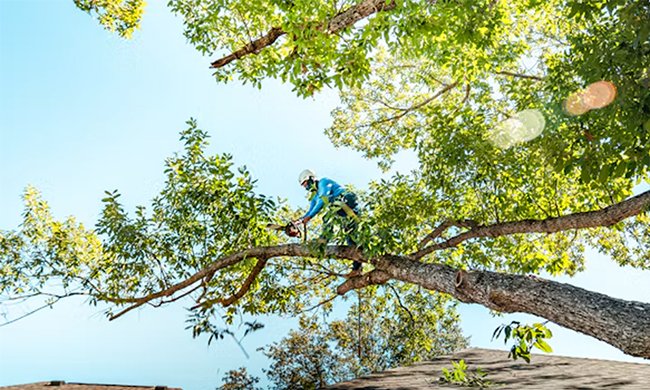
A professional tree removal project generally begins with an inspection of the tree and its surroundings. Contractors assess the tree’s size, health, structural condition, location, and proximity to buildings or other obstacles. They also identify overhead power lines, underground utilities, nearby plants, access limitations, and potential hazards. This information helps determine the equipment, personnel, and safety precautions required for the project. A detailed assessment also allows property owners to understand the expected work and any additional services that may be necessary. After the inspection, the contractor develops a suitable work plan based on the property’s conditions. Depending on the tree’s location and size, professionals may use specialized climbing equipment, lifting machinery, or other controlled removal methods. Tree removal should always be handled by trained professionals because large branches and heavy trunks can behave unpredictably during cutting. Once the tree has been removed, the remaining material may be cut into manageable sections, collected, and transported for disposal or processing. A final inspection helps ensure that the work area is left in an appropriate condition.
Why Experience and Safety Equipment Matter
Tree work involves significant risks because large branches, heavy trunks, specialized machinery, and changing environmental conditions can create dangerous situations. Professional contractors receive training to recognize these hazards and understand how to manage them. They use appropriate protective equipment, communication procedures, and carefully planned work methods to reduce unnecessary risks. Experience is especially important when dealing with trees located near buildings, power lines, roads, and other sensitive areas. Property owners should never attempt complex removal projects without proper training and equipment. Reliable companies use equipment designed for the specific requirements of each project. Depending on the conditions, this may include chainsaws, climbing systems, ropes, lifting equipment, wood chippers, and protective gear. Tree removal professionals must also understand how weather, tree condition, and surrounding structures influence their work. Equipment should be inspected and maintained regularly to support safe operation. Hiring trained specialists helps property owners avoid unnecessary accidents and ensures that difficult projects receive appropriate professional attention.
The Importance of Stump Removal and Cleanup
After a tree has been removed, the remaining stump may continue to affect the appearance and usability of the property. Stumps can interfere with lawn maintenance, landscaping, outdoor construction, and the installation of new plants. They may also create tripping hazards, especially when grass or vegetation begins growing around them. In some situations, decaying stumps can attract insects and other unwanted organisms. Removing or managing the remaining stump helps create a cleaner and more functional outdoor environment. Stump grinding is a common method used to reduce a stump below the surrounding ground level. Specialized equipment breaks the remaining wood into smaller pieces, allowing the area to be covered with soil or prepared for future landscaping. Some property owners may also choose complete stump extraction when the project requires more extensive ground preparation. Professional tree removal companies often offer cleanup and stump services as additional options. Discussing these requirements before the project begins helps ensure that the final result meets the property owner’s expectations.
Managing Trees After Storm Damage
Severe weather can cause significant damage to trees through strong winds, heavy rainfall, lightning, and falling branches. Storm-damaged trees may develop broken limbs, split trunks, exposed roots, or unstable structures. Even trees that appear mostly intact may have hidden damage that affects their stability. Property owners should be particularly careful around trees that have fallen onto buildings, become entangled with power lines, or are leaning unexpectedly. These situations require professional attention rather than attempts to handle the damage independently. After a storm, qualified professionals inspect affected trees and determine which can be preserved and which may need removal. Some damaged branches can be addressed through pruning, while trees with severe structural problems may require more extensive work. Emergency tree removal may also be necessary when a damaged tree creates an immediate hazard. Property owners should keep people away from unstable trees and contact the appropriate utility company if electrical lines are involved. A professional assessment helps prioritize urgent concerns and supports safer property recovery.
Choosing the Right Tree Care Company
Selecting an experienced tree care company is an important step in maintaining a safe and attractive property. Property owners should look for contractors with relevant experience, trained workers, suitable equipment, and appropriate insurance coverage. A professional company should inspect the tree before providing recommendations and explain why removal may be necessary. It should also discuss alternative treatments when preservation is possible. Clear communication helps customers understand the proposed work and avoid unexpected costs or misunderstandings. Before hiring a contractor, customers should request a detailed estimate that explains the services included in the project. Tree removal quotations may cover cutting, sectioning, debris collection, hauling, and stump grinding, although these services are not always included together. Checking customer reviews, previous projects, and professional credentials can provide additional confidence when selecting a provider. It is also important to ask about safety procedures and how nearby structures will be protected. Choosing a dependable company helps ensure that the work is completed carefully and according to the property’s needs.
Factors That Influence Tree Removal Costs
The cost of removing a tree depends on several factors, including its height, trunk diameter, condition, location, and accessibility. A smaller tree in an open area may require less equipment and labor than a large tree growing close to a building. Trees with extensive dead branches, unstable trunks, or complicated surroundings may require additional precautions and specialized machinery. The amount of debris produced and the need for transportation can also influence the final price. Understanding these factors helps property owners plan their budgets more accurately. Additional services can affect the total cost of a project. Stump grinding, complete stump extraction, wood removal, branch chipping, and site cleanup may be charged separately depending on the contractor’s service package. Emergency work following severe weather may also involve different equipment and scheduling requirements. Professional tree removal estimates should clearly explain the work included and identify any possible additional charges. Comparing multiple detailed quotations allows property owners to evaluate experience, safety standards, and service quality rather than selecting a contractor based only on price.
Preserving Healthy Trees and Improving the Landscape
Although removing damaged trees is sometimes necessary, preserving healthy trees should remain an important part of responsible property management. Mature trees provide shade, improve the appearance of outdoor spaces, support wildlife, and contribute to the natural environment. Regular pruning, suitable watering, soil care, and professional inspections can help maintain their condition. Property owners should avoid removing trees unnecessarily because healthy vegetation can provide long-term environmental and aesthetic benefits. When removal becomes unavoidable, property owners can use the available space to improve their landscape. New trees, shrubs, flower beds, and other suitable plants may be introduced according to the soil conditions and available sunlight. Replanting can also help maintain shade and natural beauty after a large tree has been removed. Professional tree removal services may provide guidance about clearing the area and preparing it for future landscaping. A balanced approach to tree management helps maintain attractive outdoor spaces while addressing safety and maintenance concerns.
Practical Tips for Long-Term Tree Care
Maintaining healthy trees requires regular observation and attention throughout the year. Property owners should inspect visible branches, trunks, and root areas for signs of damage, decay, unusual growth, or insect activity. Proper watering and suitable soil conditions can support healthy development, particularly for young trees and plants experiencing environmental stress. Mulching around the base can help maintain soil moisture when applied correctly, although it should not be piled directly against the trunk. These basic maintenance practices can support tree health and reduce avoidable problems. It is also helpful to schedule professional inspections when trees become unusually large, develop structural concerns, or grow close to buildings and overhead utilities. Tree removal should be considered only after evaluating the tree’s condition and determining whether other maintenance options are suitable. Property owners should avoid cutting large branches or attempting dangerous work without proper training. Keeping records of inspections and completed maintenance can also help monitor changes over time. Consistent attention allows property owners to address potential concerns before they become more complicated.
Conclusion
Healthy trees contribute significantly to the beauty, comfort, and environmental value of residential and commercial properties. However, damaged, diseased, unstable, and poorly positioned trees may create safety concerns or interfere with the proper use of outdoor spaces. Recognizing warning signs and arranging professional inspections can help property owners determine the most appropriate course of action. Regular maintenance, responsible pruning, and careful planning are important for preserving healthy trees while addressing those that present serious problems. Professional tree removal provides a practical solution when a tree can no longer be safely maintained or when its condition creates unacceptable risks. Experienced contractors use suitable equipment, follow established safety procedures, and consider nearby structures and vegetation throughout the project. By choosing a reliable company and maintaining the remaining trees properly, property owners can improve outdoor safety, protect valuable structures, and maintain an attractive landscape. A responsible approach to tree care supports healthier outdoor environments and helps preserve the long-term condition of a property.