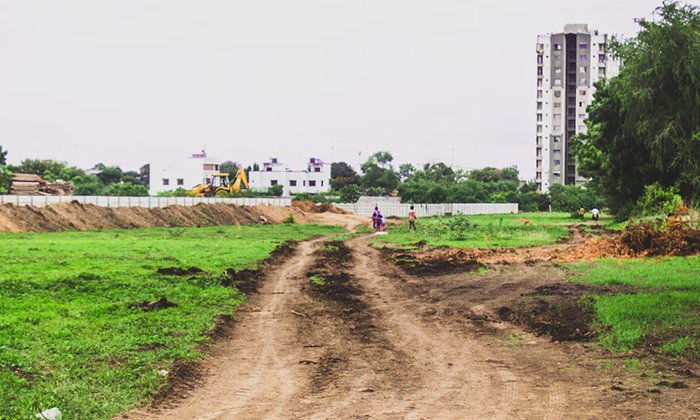
Preparing land for construction is a critical step that influences the stability, safety, and durability of any building project. Before a home, commercial building, driveway, parking area, or landscaping feature can be developed, the ground must be assessed and prepared according to the project’s specific requirements. Uneven terrain, unsuitable soil, poor drainage, and buried obstacles can create expensive problems when they are overlooked during the early stages. Professional grading and excavating services help transform undeveloped land into a more suitable surface for construction and other property improvements. Understanding the preparation process, equipment requirements, and importance of proper planning allows property owners to make informed decisions and achieve better long-term results.
Why Proper Land Preparation Matters
Land preparation establishes the groundwork for successful construction by addressing conditions that could affect the project later. Contractors begin by examining the property’s layout, identifying obstacles, evaluating soil conditions, and determining how water moves across the ground. This process helps reveal potential challenges, such as unstable soil, excessive slopes, underground utilities, and areas where rainwater may collect. Identifying these concerns before construction begins can reduce delays, prevent unnecessary expenses, and make it easier to coordinate the remaining work. A properly prepared site also allows builders to follow construction plans more accurately. Careful preparation is important because even minor ground irregularities can create complications when they are ignored. Uneven surfaces may affect the installation of foundations, while poorly compacted soil can contribute to settlement beneath driveways, patios, and other structures. Inadequate drainage can also lead to standing water, erosion, and moisture problems around buildings. Addressing these conditions early helps establish a stable working surface and reduces the likelihood of expensive corrections after construction is complete. Investing in proper preparation supports the performance, appearance, and long-term usability of the finished property.
Understanding the Basics of Earthmoving
Earthmoving involves removing, relocating, or reshaping soil and other materials to prepare a property for its intended purpose. The process can include clearing vegetation, digging trenches, removing unsuitable soil, creating foundation areas, and shaping the ground to achieve specific elevations. Different projects require different levels of earthmoving, depending on the existing terrain, the amount of material involved, and the final construction design. Residential projects may require relatively limited excavation, while commercial developments can involve extensive soil movement and carefully coordinated construction activities. Professional grading and excavating work requires an understanding of site measurements, soil characteristics, equipment capabilities, and construction requirements. Contractors must determine how much material needs to be removed, where suitable soil can be reused, and whether additional fill will be necessary. They also need to consider equipment access, material transportation, drainage, and the safety of workers throughout the project. Planning these activities in advance helps reduce wasted effort and allows the work to proceed in an organized manner. Accurate preparation creates a stronger foundation for the construction stages that follow.
Land Clearing Before Construction Begins
Land clearing is often one of the first steps in preparing an undeveloped property. This process may involve removing unwanted brush, fallen trees, dense vegetation, rocks, old fencing, and debris that could interfere with construction. Depending on the condition of the site, contractors may also need to remove abandoned materials or remnants of previous structures. Clearing creates enough space for machinery to operate and gives construction teams better access to the areas where excavation and ground shaping will take place. The amount of clearing required depends on the project design and the property’s existing condition. A successful clearing project should be planned carefully to avoid unnecessary environmental damage. Trees and plants that are intended to remain should be identified before heavy machinery enters the work area. Removing vegetation without considering soil stability can increase erosion, particularly on sloped ground or near drainage channels. Contractors should also identify underground utilities and determine how removed materials will be handled before beginning work. Responsible clearing keeps the construction area organized while preserving useful landscape features and reducing the likelihood of avoidable problems during later stages.
The Difference Between Grading and Excavation
Although these activities are often performed together, grading and excavation serve different purposes in construction. Excavation involves removing soil, rock, or other materials to create space for foundations, utility trenches, drainage systems, basements, and other below-ground features. Grading involves shaping the land to establish the required elevations, slopes, and contours for the completed site. Both activities are important because the ground must provide suitable support while directing water away from areas where it could cause damage. Understanding their individual roles helps property owners recognize the value of a coordinated site preparation plan. The correct sequence depends on the design and the existing ground conditions. Contractors may need to remove substantial quantities of soil before shaping the remaining surface to the desired elevation. In other situations, they may first complete rough grading, perform specific excavation tasks, and then return to establish the final surface. The project may also require importing suitable fill or removing excess material from the property. Careful coordination ensures that each stage supports the next and reduces the chance of repeating work because of inaccurate measurements or poorly planned elevations.
Evaluating Soil Conditions and Ground Stability
Soil conditions directly influence how land should be prepared for construction. Different soil types have different strengths, drainage characteristics, and responses to changes in moisture. Sandy soil generally drains more quickly than clay-rich soil, while organic material and loose fill may be unsuitable for supporting certain structures without additional treatment. Some sites contain layers of soil with different characteristics, making it difficult to determine ground stability through visual inspection alone. Evaluating these conditions helps contractors and engineers decide whether the existing material can support the intended construction. Depending on the project’s complexity, a geotechnical investigation may be needed to assess soil composition, bearing capacity, groundwater, and other important characteristics. Testing can identify weak layers, excessive moisture, and areas where the ground may require improvement. If unsuitable soil is discovered, the project team may recommend removing it, replacing it with approved material, or using an engineered stabilization method. These decisions should follow the relevant engineering specifications rather than assumptions about the appearance of the ground. A reliable understanding of soil conditions reduces uncertainty and supports safer construction planning.
Preparing the Ground for Strong Foundations
A building’s foundation transfers its weight into the ground, making proper preparation essential for long-term stability. Foundation excavation must follow the approved plans to establish the correct depth, width, and elevation. Before foundation work begins, the exposed soil should be examined to confirm that it is suitable for the intended structure. Loose material, unexpected water accumulation, and unsuitable soil may require additional attention before the foundation can be installed. Contractors should consult the appropriate professionals whenever actual ground conditions differ from the approved design. In some projects, the ground must be improved through controlled placement and compaction of suitable fill. Fill should be placed in appropriate layers and compacted according to the required specifications rather than deposited in large, uncontrolled quantities. Poor compaction can cause settlement beneath concrete slabs, foundation areas, and paved surfaces. Depending on the project, testing may be necessary to confirm that the prepared material meets the required density. Proper foundation preparation helps reduce movement and creates a more dependable base for the structure that will eventually occupy the site.
Managing Drainage Through Proper Ground Shaping
Drainage is one of the most important considerations during site preparation because water can affect soil stability, building foundations, and outdoor surfaces. When rainwater collects near a structure, it may contribute to damp conditions, erosion, or other moisture-related problems. Properly designed slopes help direct surface water toward suitable drainage areas and reduce the likelihood of standing water. The finished ground should be shaped according to the construction plans, taking into account the building’s position, nearby surfaces, and existing water flow patterns. Effective drainage planning considers the entire site instead of focusing only on the immediate area around a building. Contractors may need to evaluate roof runoff, existing drainage channels, neighboring elevations, and the location of underground systems. Depending on the project, drainage features may include swales, catch basins, surface channels, or underground piping. These systems must be designed and installed appropriately to avoid transferring water problems to other parts of the property. Integrating drainage into the early preparation process helps protect the finished project and reduces the need for expensive repairs.
Heavy Equipment Used for Site Preparation
Construction projects require suitable machinery to remove soil, move materials, shape surfaces, and prepare the ground accurately. Excavators are commonly used for digging foundations, trenches, and drainage channels, while bulldozers help push soil, clear selected areas, and move material across larger sites. Wheel loaders and skid-steer loaders are useful for transporting loose materials, loading trucks, and handling work in smaller areas. Motor graders help establish consistent elevations and slopes, making them valuable for preparing access roads, parking areas, and other surfaces that require precise shaping. The choice of equipment depends on the project’s size, soil conditions, accessibility, and technical requirements. Large machinery may be efficient on open sites but difficult to maneuver in restricted spaces, while smaller equipment may require more time to complete extensive earthmoving tasks. Contractors must also consider ground bearing capacity, equipment maintenance, operator visibility, and the presence of underground utilities. Properly maintained machinery and experienced operators help improve productivity while reducing avoidable safety risks. Selecting the right equipment makes it easier to complete the work efficiently and achieve the required results.
The Importance of Soil Compaction
Soil compaction improves the density of suitable soil or fill by reducing the spaces between individual particles. This process is important when preparing ground for foundations, concrete slabs, driveways, parking areas, and other surfaces that must support regular loads. Loose soil can compress over time, causing uneven settlement and damage to structures or pavement. Proper compaction helps create a more consistent supporting layer, although the correct method depends on soil type, moisture content, and the requirements of the project. Contractors use different types of compaction equipment, including rollers, plate compactors, and specialized compactors for confined areas. Larger rollers are suitable for broad surfaces, while smaller equipment may be more practical for trenches or restricted working spaces. Soil should generally be placed in controlled layers so that compaction can be achieved throughout the required depth. Where specifications require it, field testing can verify whether the prepared material meets the project’s standards. Following suitable compaction procedures helps improve ground performance and reduces the risk of premature settlement.
Residential and Commercial Construction Applications
Residential construction often requires land preparation for houses, garages, driveways, patios, walkways, and outdoor living areas. Each feature has different requirements depending on its size, intended use, and position on the property. A new home may need foundation excavation, utility trenches, drainage improvements, and careful shaping of the surrounding ground. A driveway project may focus on removing unsuitable soil, establishing the correct slope, and preparing a compacted base. Coordinating these tasks helps ensure that each improvement functions properly and fits the overall design. Commercial projects can involve larger areas and more complicated preparation requirements. Warehouses, office buildings, retail facilities, industrial sites, and parking lots may require extensive earthmoving, underground utilities, engineered drainage, and carefully controlled elevations. These projects often involve several professionals, including surveyors, engineers, utility contractors, and construction managers. Clear communication is essential to ensure that site preparation matches the design and schedule. Professional planning helps reduce conflicts between construction activities and supports a more efficient transition from initial ground preparation to building installation.
Environmental Protection During Earthmoving
Earthmoving activities disturb soil and vegetation, which can increase the risk of erosion and sediment runoff. Rainwater may carry exposed soil into drainage systems, nearby properties, or waterways if appropriate controls are not used. Contractors should evaluate environmental conditions before work begins and implement suitable measures to manage runoff. Depending on the project, these measures may include temporary ground cover, sediment barriers, stabilized equipment entrances, and prompt stabilization of exposed areas. Careful planning helps reduce environmental damage and supports compliance with applicable requirements. Material handling is another important environmental consideration. Excavated soil should be assessed before reuse to determine whether it is suitable for the intended purpose. Contaminated soil, construction debris, and unsuitable fill may require specialized handling and approved disposal procedures. Temporary stockpiles should be positioned where they will not block drainage, obstruct equipment, or create unnecessary erosion. Dust suppression and responsible transportation practices can also help reduce the effects of construction activities on surrounding areas. Managing these issues properly keeps the site organized and limits unnecessary waste.
Common Challenges During Land Preparation
Construction sites can present unexpected conditions that affect schedules, costs, and equipment requirements. Contractors may discover buried concrete, abandoned pipes, large rocks, unstable soil, or groundwater that was not apparent during the initial assessment. Heavy rainfall can also soften the ground, fill excavations, and make machinery movement more difficult. When unexpected conditions arise, the work may need to pause while the project team evaluates the situation and determines the safest and most practical response. Thorough planning can reduce uncertainty, although it cannot eliminate every possible complication. Another common challenge is inaccurate grading that leaves the site with unsuitable elevations or poor drainage. A surface may appear level but still fail to meet the requirements for a foundation, paved area, or drainage system. Contractors should use reliable measurements, verify elevations throughout the process, and arrange inspections when required. Changes to the original design should be reviewed by the responsible professionals before implementation. Responding carefully to unexpected conditions helps maintain construction quality and prevents small mistakes from becoming more expensive problems later.
Safety Measures for Excavation and Grading Work
Safety is essential whenever heavy machinery, deep excavations, and moving materials are involved. Construction sites should have clear equipment routes, controlled access, effective communication procedures, and appropriate protective equipment for workers. Machinery operators must be trained for the equipment they use, and machines should be inspected regularly to identify maintenance concerns. Workers should remain clear of operating equipment unless their presence is necessary and suitable safety measures are in place. Organized work areas help reduce accidents and support efficient project coordination. Excavation work requires additional attention because trenches and deep cuts may collapse without warning. Depending on the depth and ground conditions, protective systems such as shoring, sloping, or benching may be required. Underground utilities must be located and verified before digging begins, and workers should follow the applicable safety procedures for existing infrastructure. Water accumulation and changing soil conditions should also be monitored throughout the project. Following relevant safety standards protects workers, reduces property damage risks, and helps keep the project on schedule.
Factors That Affect Project Costs
The cost of preparing land depends on several factors, including site size, terrain, soil composition, material quantities, and the equipment needed. A relatively flat property with suitable soil may require less work than a steep site containing rock, dense vegetation, or unstable fill. Transportation costs can also increase when large quantities of excess soil must be removed or approved fill must be imported. Additional expenses may involve surveying, geotechnical testing, drainage installation, erosion controls, permits, and material disposal. Unexpected conditions can influence the budget when buried obstacles, groundwater, or unsuitable soil are discovered after work begins. Property owners can reduce uncertainty by arranging appropriate assessments and requesting a detailed estimate before construction starts. The estimate should explain the planned tasks, expected equipment requirements, material handling, and procedures for approving additional work. Comparing contractors based on the same scope of work makes it easier to evaluate the overall value of each proposal. A realistic budget allows the project team to address important site conditions without compromising essential preparation requirements.
Choosing the Right Site Preparation Contractor
Selecting a reliable contractor is important because the quality of early site work affects later construction activities. Property owners should review experience, insurance, equipment capabilities, safety procedures, and references from similar projects. A qualified provider should explain how the site will be evaluated, how elevations will be established, and how soil and debris will be handled. Contractors should also identify potential challenges and explain which tasks may require additional professional assessments. Clear communication helps establish realistic expectations before machinery arrives on the property. A written estimate should describe the work included, the equipment and labor required, and any expected material transportation or disposal costs. Property owners should confirm who will arrange permits, utility locating, surveying, and required testing. It is also important to understand how the contractor will respond if unexpected conditions affect the original plan. A dependable provider emphasizes accurate measurements, responsible material management, and safe working practices rather than promising unrealistic completion times. Choosing a contractor carefully helps create a more predictable process and improves the likelihood of a successful outcome.
Maintaining the Site After Construction Preparation
Site maintenance remains important after the main earthmoving activities have been completed. Property owners should inspect slopes, drainage paths, and exposed ground for signs of erosion, settlement, or standing water. Heavy rainfall can reveal problems that were not apparent during dry conditions, while vehicle traffic may create ruts or depressions in access areas. Addressing minor concerns early can prevent them from developing into larger maintenance issues. The appropriate inspection schedule depends on the property’s use, soil conditions, and the type of improvements installed. Landscaped areas may need additional attention as plants become established and weather conditions change. Drainage channels should remain clear of leaves and debris, while exposed soil should be stabilized where necessary. Driveways and other paved surfaces should be checked for uneven areas and water accumulation. If settlement or repeated drainage problems occur, a qualified professional should investigate the underlying cause rather than simply correcting the visible surface. Ongoing care helps preserve the benefits of professional site preparation and supports the long-term performance of the property.
Conclusion
Preparing land for construction requires careful planning, accurate measurements, suitable equipment, and a clear understanding of soil and drainage conditions. Clearing removes obstacles, excavation creates space for essential structures and utilities, and grading establishes the elevations and slopes required for the finished site. Soil evaluation, compaction, environmental protection, and safety procedures all contribute to the quality of the work. Addressing these requirements early helps reduce unnecessary delays and supports the long-term stability of buildings, paved surfaces, and landscaping features. Property owners can improve project outcomes by working with experienced contractors, following approved construction plans, and arranging appropriate inspections and testing. Whether the project involves a residential building, commercial development, driveway, or outdoor improvement, proper preparation provides a reliable starting point for the work that follows. Professional grading and excavating services help ensure that land is shaped and prepared according to its intended use. With careful planning, responsible material handling, and regular maintenance, property owners can create a stable foundation for durable and successful construction.