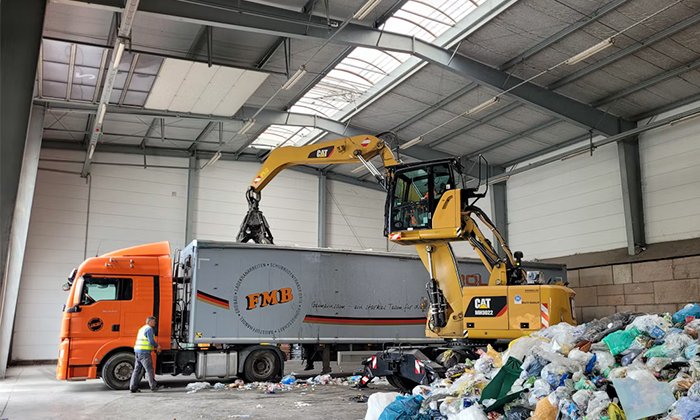
Construction projects, home renovations, landscaping activities, and routine property maintenance can generate large amounts of unwanted materials. If these materials are not managed properly, they can make a property look untidy, restrict access, and create unnecessary safety hazards. Broken furniture, discarded building supplies, damaged wood, packaging, and outdoor waste can quickly occupy valuable space and interfere with daily activities. Adopting an organized cleanup strategy helps property owners maintain a cleaner environment while making their spaces more functional and accessible. Professional debris removal services can simplify the process by providing the labor, equipment, and transportation needed to handle unwanted materials efficiently and responsibly.
Understanding the Importance of Construction Waste Management
Construction waste management plays an essential role in maintaining an organized and productive work environment. Building, remodeling, and demolition activities often produce materials such as concrete fragments, drywall, metal scraps, roofing pieces, broken tiles, and discarded packaging. When these items accumulate around a worksite, they can obstruct walkways, limit access to equipment, and increase the risk of accidents. Establishing a clear waste management plan helps workers keep the area organized throughout the project. It also allows contractors to focus on their primary responsibilities without unnecessary interruptions caused by excessive clutter. Effective waste management also helps property owners make better use of available resources. Some construction materials may be suitable for reuse, while others can be sent to recycling facilities instead of being discarded immediately. Sorting materials according to their type and condition makes it easier to identify these opportunities. A well-planned approach can reduce unnecessary waste, support environmental responsibility, and improve overall project organization. By incorporating cleanup into the construction schedule, property owners can avoid leaving all waste management tasks until the final stages of the project.
Common Types of Construction Waste
Construction and renovation projects can generate a wide range of waste materials, depending on the type of work being performed. Demolition activities may produce concrete, bricks, plaster, timber, metal fixtures, and damaged structural components. Interior renovations often create discarded flooring, broken tiles, drywall pieces, cabinets, insulation, and packaging from new products. Roofing projects can generate shingles, wood scraps, nails, and other materials that require careful collection. Understanding the types of waste involved helps contractors determine which equipment, containers, and disposal methods are most suitable for the job. Different materials may require different handling procedures because their weight, size, and composition can affect transportation and disposal. Heavy concrete and masonry waste may need specialized containers or vehicles, while lightweight materials such as cardboard and plastic packaging can often be collected separately. Sharp metal fragments, broken glass, and protruding nails should be handled carefully to prevent injuries. Certain insulation products, chemical containers, or older building materials may also require special assessment before removal. Identifying these materials early helps create a safer cleanup process and reduces the likelihood of disposal problems.
Benefits of Professional Cleanup Services
Managing large quantities of construction waste without professional assistance can be physically demanding and time-consuming. Property owners may need to purchase protective equipment, rent a suitable vehicle, arrange transportation, and locate appropriate disposal facilities. Heavy materials can be especially difficult to move without the right tools or sufficient manpower. Professional cleanup teams provide a more organized solution by handling collection, loading, transportation, and disposal according to the agreed service requirements. Their experience can help reduce unnecessary delays and allow contractors or property owners to concentrate on other important tasks. Another advantage of hiring professionals is the ability to manage different types of materials more efficiently. Experienced crews understand how to organize loading areas, handle bulky objects, and identify materials that may require separate disposal arrangements. They can also help maintain clearer access routes and reduce the amount of loose waste left around the property. A properly coordinated cleanup can improve workplace efficiency while making the environment more comfortable for workers and visitors. Choosing a dependable service provider can therefore contribute to better project management and a more organized property.
How to Plan an Efficient Cleanup Project
Successful cleanup begins with an assessment of the property and the materials that need to be collected. Property owners or contractors should estimate the volume of waste, identify heavy or bulky items, and determine whether any materials require specialized handling. It is also useful to examine access points, available storage areas, and the distance between the waste collection area and the loading location. This information helps establish a realistic schedule and determine the amount of labor, equipment, and transportation required. Careful planning can reduce confusion and make the entire cleanup process more predictable. Once the assessment is complete, the next step is to establish a collection and sorting system. Separate areas or containers can be used for materials such as metal, wood, cardboard, masonry, and general waste when practical. Workers should keep walkways clear and avoid allowing waste to accumulate near entrances, equipment, or emergency exits. Regular collection during construction can prevent large piles from developing and make the site easier to manage. Scheduling cleanup at appropriate intervals also allows project managers to identify disposal needs before they begin affecting progress.
Maintaining Safety During Waste Collection
Safety should remain a priority throughout every cleanup project because construction waste can contain sharp, heavy, unstable, or potentially hazardous materials. Loose debris may create tripping hazards, while poorly stacked items can fall and cause injuries. Workers should wear suitable protective equipment, including gloves, safety footwear, eye protection, and other gear appropriate to the task. Heavy objects should be lifted with proper techniques or mechanical assistance rather than relying on physical strength alone. Maintaining a tidy work area helps reduce avoidable accidents and supports a more controlled working environment. Special care is necessary when materials may contain hazardous substances. Certain older insulation products, asbestos-containing materials, chemical residues, fuels, batteries, and electronic components cannot always be handled as ordinary waste. Disturbing or mixing these materials with general construction debris may expose workers and occupants to unnecessary risks. Property owners should inform cleanup professionals about any suspected hazardous materials before work begins. When the nature of a material is uncertain, it should be assessed by a qualified professional before it is moved, cut, broken, or transported for disposal.
Responsible Recycling and Waste Disposal
Responsible waste disposal involves identifying practical ways to reduce the amount of material sent to landfills. Construction waste may include recyclable metals, cardboard, certain plastics, clean timber, and concrete that can be processed for suitable uses. The availability of recycling options depends on the material’s condition and the requirements of local facilities. Separating recyclable items from general waste can make the disposal process more organized and support better resource management. Property owners should discuss available options with their contractors or cleanup providers before the project begins. Reuse is another useful strategy for managing construction materials. Undamaged doors, cabinets, fixtures, lumber, and surplus supplies may be suitable for another project or donation when they meet relevant safety and quality requirements. Reusing suitable materials can reduce unnecessary disposal while helping other property owners access useful building products. However, contaminated, structurally compromised, or otherwise unsuitable materials should not be reused simply to avoid disposal costs. A responsible waste management plan considers safety, material condition, and available recovery options before deciding how each item should be handled.
Keeping Residential Properties Clean and Organized
Residential properties can gradually accumulate unwanted belongings in garages, basements, attics, sheds, and storage rooms. Old furniture, damaged appliances, unused equipment, empty boxes, and leftover renovation supplies may occupy valuable space for years. Clearing these areas can make household storage more practical and improve access to frequently used items. Homeowners should begin by identifying belongings they want to keep, donate, recycle, or discard. Sorting possessions before arranging a cleanup helps prevent useful items from being removed accidentally and makes the overall process easier to manage. Outdoor areas also require regular attention because landscaping, seasonal maintenance, and severe weather can leave branches, leaves, damaged fencing, and broken outdoor furniture scattered around a property. When these materials remain unattended, they can interfere with lawn care, block pathways, and make gardens less enjoyable to use. Professional debris removal can help restore order by collecting unwanted materials and transporting them to appropriate disposal or recycling facilities. After the cleanup, homeowners can maintain the results by storing tools properly, disposing of packaging promptly, and scheduling regular inspections of outdoor spaces.
Managing Waste During Renovation Projects
Renovation projects can generate waste at several stages, from the removal of old fixtures to the installation of new materials. Kitchen remodeling may produce damaged cabinets, countertops, tiles, and plumbing components, while bathroom renovations can leave broken ceramics, flooring scraps, and packaging. Flooring replacement may generate wood offcuts, carpet remnants, underlay, and other discarded materials. If these items are not collected regularly, they can restrict movement and interfere with contractors completing the next stage of the work. Including waste management in the renovation schedule helps keep the project organized from beginning to end. Property owners should discuss cleanup responsibilities with contractors before work begins. Some renovation agreements include routine collection and disposal, while others require the owner to arrange these services separately. Clarifying these details can prevent misunderstandings about who is responsible for loading, transportation, and disposal fees. It is also useful to establish where waste will be stored temporarily and how frequently it will be collected. Arranging debris removal at suitable intervals can help maintain a cleaner work area, improve accessibility, and make it easier to complete renovation tasks according to schedule.
Factors That Influence Cleanup Costs
The cost of a cleanup project depends on several factors, including the quantity of waste, the type of materials, the difficulty of access, and the labor required. A small collection of household items generally requires fewer resources than a large construction site containing heavy masonry, timber, and mixed renovation waste. Bulky furniture, dense materials, and items requiring specialized handling may also increase the time needed for loading and transportation. Understanding the amount and nature of the waste helps property owners request more accurate estimates and prepare an appropriate budget before the work begins. Transportation and disposal arrangements can also affect the final price. Vehicle capacity, the number of required trips, loading conditions, and disposal facility charges may influence the total cost. Some companies calculate prices according to the volume of waste, while others consider weight, labor, item type, or a combination of these factors. Property owners should request a written estimate that explains the services included and identifies any additional charges that could apply. Comparing estimates with similar service details helps customers evaluate overall value and avoid unexpected expenses during the cleanup process.
Choosing a Reliable Cleanup Company
Selecting a reliable cleanup company requires attention to experience, service quality, safety practices, and transparent pricing. Property owners should look for a provider that understands the type of waste involved and has suitable equipment for collecting and transporting it. Asking about insurance coverage, staff training, and disposal procedures can help determine whether the company is prepared to handle the project responsibly. A professional provider should also explain the expected schedule and clarify which tasks are included in the quoted price. Clear communication before the work begins helps establish realistic expectations and reduces the chance of disputes. Customer reviews and recommendations can offer useful insight into a company’s reliability and professionalism. However, property owners should also confirm that the provider can manage the specific materials involved, particularly when the project includes heavy construction waste or potentially hazardous items. It is worth asking whether recycling is available and whether disposal fees are included in the estimate. A dependable company should be willing to answer these questions and explain any limitations before accepting the job. Taking time to compare providers can help property owners choose a service that matches their needs and budget.
Improving Long-Term Property Maintenance
Maintaining an organized property requires consistent habits rather than occasional large cleanup efforts. Construction sites benefit from designated waste collection areas, clear labeling, and regular removal schedules. Residential properties can remain more organized when unused belongings are reviewed periodically and unwanted materials are removed before they accumulate. Simple practices such as keeping storage areas accessible, storing tools correctly, and collecting packaging after deliveries can prevent unnecessary clutter. A consistent approach reduces the time and effort required to restore order when larger projects become necessary. Regular inspections can also help property owners identify developing maintenance problems before they become more complicated. Damaged fencing, blocked drainage areas, fallen branches, and deteriorating outdoor structures may generate additional waste if repairs are delayed. Addressing these issues promptly helps maintain a safer environment and makes routine cleaning easier. By combining practical storage habits with scheduled maintenance and responsible waste handling, property owners can preserve the benefits of a thorough cleanup. These measures also help keep outdoor and indoor spaces ready for everyday use.
Conclusion
Managing construction waste and maintaining organized properties requires careful planning, safe handling, and responsible disposal practices. From renovation scraps and demolition materials to unwanted household belongings and outdoor clutter, different types of waste require appropriate collection methods and disposal arrangements. Establishing a clear cleanup schedule helps reduce hazards, improve accessibility, and support more efficient property maintenance. It also creates opportunities to reuse suitable materials, recycle recoverable resources, and reduce unnecessary landfill waste. With a consistent approach, property owners can maintain cleaner and more functional spaces without allowing unwanted materials to accumulate. Working with experienced professionals can make large cleanup projects easier by providing the necessary equipment, labor, and transportation. Before hiring a company, property owners should review estimates, clarify service responsibilities, and ask about safety procedures and disposal practices. Preparing the work area and communicating any special requirements can further improve efficiency and reduce unexpected delays. Whether the goal is to complete a renovation, organize a storage area, or maintain a construction site, a well-planned debris removal strategy can help create a cleaner, safer, and more organized environment while supporting responsible waste management over the long term.