A swimming pool is more than an attractive addition to a residential or commercial property. It creates a space for relaxation, recreation, exercise, and entertainment while enhancing the overall appearance and functionality of an outdoor environment. However, building a swimming pool is a significant investment that requires careful planning, professional expertise, quality materials, and proper construction techniques. Every stage, from the initial design to the final finishing touches, plays an important role in determining the pool’s durability, safety, appearance, and long-term performance. This is why choosing an experienced pool contractor is one of the most important decisions property owners must make before beginning a swimming pool project.
Whether someone is planning a small backyard swimming pool, a luxurious outdoor retreat, or a large commercial swimming facility, professional guidance can make the entire process more manageable. Pool construction involves several technical considerations, including excavation, plumbing, filtration systems, structural reinforcement, waterproofing, electrical installations, and surface finishing. Without proper knowledge and coordination, even a visually appealing pool can develop problems that lead to expensive repairs. Understanding what professional pool construction involves and how to select the right specialists helps property owners make informed decisions and achieve results that meet their expectations.
Understanding the Importance of Professional Pool Construction
Swimming pool construction requires a combination of engineering knowledge, practical experience, and creative design skills. Although some people focus primarily on the pool’s appearance, its underlying structure and mechanical systems are equally important. A properly constructed swimming pool must withstand water pressure, changing environmental conditions, regular usage, and the natural movement of the surrounding ground. Each component must work together to maintain structural stability and provide a comfortable swimming experience.
Hiring a qualified pool contractor helps ensure that every part of the construction process receives the attention it deserves. Experienced professionals understand how to evaluate a property’s conditions, determine suitable construction methods, and recommend materials that provide reliable performance. They also understand the importance of drainage, soil stability, circulation systems, and waterproofing, which are essential for preventing common swimming pool problems.
Professional construction also reduces the likelihood of unnecessary delays and unexpected expenses. Contractors with relevant experience can organize different stages of the project, coordinate specialized workers, and identify potential challenges before they become serious problems. Their guidance allows property owners to approach construction with a clearer understanding of the required investment, expected timeline, and maintenance responsibilities.
Planning a Swimming Pool That Matches Your Property
Proper planning is the foundation of every successful swimming pool project. Before construction begins, property owners should consider how they intend to use the pool, how much available space they have, and what design would complement their existing surroundings. A pool intended primarily for family recreation may require different dimensions and features than one designed for swimming exercises, entertaining guests, or improving the appearance of a luxury property.
The available outdoor space is another important consideration. A swimming pool should fit naturally into the landscape without making the surrounding area feel crowded. Property owners should consider walking space, seating arrangements, outdoor kitchens, gardens, and other features that may be included in the overall design. Access to the pool should also be convenient, particularly when children, elderly family members, or individuals with mobility limitations will use the facility.
A professional design consultation can help transform general ideas into a practical construction plan. During this stage, specialists evaluate the property’s dimensions, ground conditions, drainage requirements, and existing structures. They can also discuss the placement of essential equipment and recommend layouts that make effective use of the available space.
Establishing a realistic budget during the planning stage is equally important. The total cost should account for excavation, construction materials, plumbing, electrical work, filtration equipment, interior finishes, landscaping, and additional features. Setting aside a contingency amount for unexpected conditions can also prevent financial pressure during construction.
Exploring Different Swimming Pool Designs and Construction Materials
One of the most exciting parts of building a swimming pool is choosing a design that reflects personal preferences and complements the property. Modern swimming pools are available in many shapes, sizes, and construction styles, making it possible to create anything from a simple recreational pool to an elaborate outdoor centerpiece. However, the best design should balance visual appeal with practical requirements, maintenance needs, and available space.
Concrete pools are popular because they offer considerable flexibility in terms of shape, depth, and dimensions. They can be customized to accommodate unusual landscapes, architectural preferences, and specialized features such as integrated seating or decorative steps. Their versatility makes them suitable for projects that require a distinctive appearance, although construction generally takes longer and requires appropriate curing and finishing procedures.
Fiberglass pools offer another option for property owners seeking a relatively straightforward installation process. These pools are manufactured in predetermined shapes and delivered as complete shells. Installation can be quicker than traditional concrete construction when site conditions are suitable. Their smooth surfaces can also make routine cleaning easier, although transportation access, available sizes, and design limitations should be considered.
Vinyl-lined swimming pools provide flexibility in certain residential applications and may offer a lower initial construction cost than some alternatives. However, the liner requires appropriate care and may eventually need replacement. Property owners should compare the expected lifespan, maintenance requirements, installation expenses, and overall performance of each material before making a final decision.
Evaluating Experience, Qualifications, and Professional Reputation
Selecting the right construction professional requires more than comparing estimates. Property owners should carefully evaluate a company’s experience, technical capabilities, previous projects, and approach to customer service. Swimming pool construction involves specialized work, and a contractor’s background can provide valuable insight into whether they are capable of handling the project’s requirements.
Reviewing a portfolio of completed swimming pools is an effective way to assess workmanship and design experience. Photographs can demonstrate the contractor’s ability to work with different layouts, materials, landscaping styles, and construction challenges. When possible, visiting completed projects or speaking with previous customers provides an even clearer understanding of the company’s reliability and professional standards.
Qualifications and licensing requirements should also be checked according to applicable local regulations. Depending on the project, construction may require permits, inspections, and compliance with building, electrical, plumbing, and safety standards. A responsible professional should understand these requirements and explain which approvals are necessary before work begins.
Communication is another important factor. A reliable construction team should be willing to answer questions, explain technical decisions, provide realistic expectations, and discuss potential challenges openly. Property owners should feel comfortable asking about materials, installation methods, payment arrangements, warranties, and project timelines before signing an agreement.
Understanding the Swimming Pool Construction Process
Knowing how a swimming pool is constructed helps property owners understand what to expect throughout the project. Although the exact process varies according to the pool type and property conditions, most installations follow several important stages. Each stage must be completed correctly to ensure that the finished structure performs as intended.
The process generally begins with design development, measurements, site evaluation, and any required approvals. Once the construction plan is finalized, the site is prepared, and excavation begins. Excavation requires careful attention to the pool’s planned dimensions, depth, surrounding ground conditions, and access for construction equipment. Incorrect excavation can create structural difficulties and increase the amount of corrective work required later.
After excavation, the structural foundation and supporting components are installed according to the selected construction method. For reinforced concrete pools, this may involve steel reinforcement, plumbing arrangements, and concrete placement. The structure must be installed with appropriate attention to engineering specifications and curing requirements.
Plumbing and circulation systems are then connected to ensure that water can move efficiently between the pool, filtration equipment, and other mechanical components. Waterproofing and interior finishing follow, with careful attention given to preventing leaks and creating a durable swimming surface.
The final stages include installing or completing surrounding decking, connecting equipment, testing electrical and mechanical systems, filling the pool, and balancing the water chemistry. Before the pool is handed over, the construction team should explain how the equipment operates and provide essential maintenance instructions.
The Importance of Quality Materials and Modern Equipment
The materials and equipment used during swimming pool construction have a direct influence on durability, efficiency, and maintenance costs. Choosing inexpensive products without considering their quality can result in premature deterioration, water leakage, equipment failures, and higher operating expenses. For this reason, property owners should understand the purpose of each major component and discuss suitable options with their construction professionals.
Pool pumps are essential because they circulate water through the filtration system. An appropriately sized pump supports effective water movement and helps maintain consistent water quality. Oversized or poorly selected equipment may consume unnecessary energy, while an undersized system may struggle to provide adequate circulation.
Filtration systems remove suspended particles and help keep swimming water clean. Sand, cartridge, and diatomaceous earth filters are common options, each offering different performance characteristics and maintenance requirements. The most suitable choice depends on pool size, usage levels, water conditions, and the owner’s maintenance preferences.
Waterproofing materials are equally important because swimming pools are constantly exposed to water pressure and moisture. A properly prepared structure combined with suitable waterproofing products helps minimize leakage risks and protects surrounding construction. Tiles, coping, sealants, fittings, and other finishing materials should also be selected according to their resistance to moisture, chemicals, and regular use.
Energy-efficient lighting and variable-speed pumps can improve the overall operating experience. LED pool lights provide attractive illumination while generally consuming less electricity than traditional lighting systems. Modern automation equipment can also simplify the management of filtration schedules, lighting, and certain water-treatment functions.
Incorporating Features That Improve Comfort and Functionality
Modern swimming pools can include a variety of additional features that make them more enjoyable and practical. While some property owners prefer a simple design, others want their pool to serve as a complete outdoor entertainment space. Selecting the right features during the planning stage makes it easier to integrate them into the construction design and avoid unnecessary modifications later.
Waterfalls and decorative fountains can create a relaxing atmosphere while adding visual interest. Integrated benches and shallow lounging areas provide comfortable spaces for relaxing without leaving the water. For families with children, designated shallow sections may improve usability, provided that appropriate supervision and safety precautions are maintained.
Heating systems can extend the swimming season in climates where water temperatures fluctuate. Pool heaters, heat pumps, and solar heating systems offer different benefits depending on the local climate, energy availability, and desired water temperature. Property owners should compare installation costs and ongoing operating expenses before selecting a heating solution.
Surrounding features are also worth considering. Non-slip decking, shaded seating areas, outdoor showers, storage spaces, and attractive landscaping can improve the overall functionality of the pool environment. These additions help create a more complete outdoor living area rather than treating the swimming pool as an isolated structure.
Maintaining Water Quality and Protecting Pool Equipment
Building a swimming pool is only the beginning of long-term ownership. Regular maintenance is necessary to preserve water quality, protect equipment, and keep the swimming environment safe and comfortable. Even a professionally constructed pool requires consistent attention to cleaning, chemical balance, filtration, and general inspections.
Water chemistry should be monitored regularly to maintain appropriate pH and sanitizer levels. Incorrect chemical balance can cause skin and eye irritation, encourage algae growth, damage pool surfaces, and reduce the effectiveness of sanitizing products. Property owners should follow appropriate testing procedures and use pool-treatment products according to manufacturer instructions.
Physical cleaning is another essential responsibility. Leaves, dust, insects, and other debris can accumulate on the water surface and settle at the bottom of the pool. Skimming, brushing, and vacuuming help remove these materials before they affect water quality or create additional strain on the filtration system.
Filters should be inspected and cleaned according to their design and operating requirements. Pumps, valves, heaters, lights, and other mechanical components should also receive periodic inspections. Identifying small issues early can prevent expensive equipment failures and extend the useful life of the installation.
A planned maintenance schedule makes these responsibilities easier to manage. Property owners who prefer professional assistance can arrange periodic servicing to ensure that the pool remains in good working condition throughout the year.
Prioritizing Swimming Pool Safety for Every User
Safety should be an essential consideration in every swimming pool project, especially when children, inexperienced swimmers, or older individuals may use the facility. Attractive design and modern equipment are valuable, but they should never replace appropriate safety measures. A responsible construction plan should consider how the pool can be accessed, supervised, secured, and maintained.
Fencing and self-closing gates can help restrict unauthorized access to swimming areas. The design and installation of these barriers should comply with applicable safety regulations. Appropriate pool covers may provide additional protection when the facility is not being used, although they should never be treated as a substitute for supervision or suitable barriers.
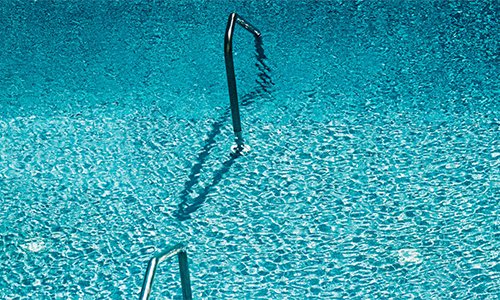
Non-slip surfaces around the pool can reduce the likelihood of accidental falls. Steps, ladders, and handrails should be positioned to provide convenient entry and exit points. Adequate lighting is also important because it improves visibility during evening swimming and helps people identify potential hazards around the water.
Families should establish clear swimming rules and ensure that children are supervised by responsible adults whenever they are near the pool. Learning basic water-safety skills and keeping suitable emergency equipment nearby can further improve preparedness. Pool owners should also understand that no single safety feature eliminates drowning risks, making multiple protective measures essential.
Managing Construction Costs Without Sacrificing Quality
Budget management is one of the biggest challenges associated with swimming pool construction. Costs can vary considerably depending on the pool’s dimensions, materials, design complexity, site conditions, equipment selection, and additional features. A detailed estimate helps property owners understand where their money will be spent and identify areas where adjustments may be possible.
Obtaining written estimates from multiple professionals allows homeowners to compare more than just the final price. They should examine the scope of work, construction specifications, material descriptions, equipment details, labor charges, payment schedules, and warranty conditions. An unusually low estimate may exclude important services or rely on lower-quality materials, potentially creating additional costs later.
Prioritizing essential structural components is generally a sensible approach. Waterproofing, reinforcement, plumbing, filtration, and electrical safety should receive appropriate investment because problems in these areas can be expensive to correct. Decorative features can often be introduced in stages if the initial budget is limited.
It is also important to discuss how unexpected expenses will be handled. Unstable soil, hidden underground utilities, drainage complications, or changes in design may affect the original estimate. A clear written agreement should explain how additional work will be approved and priced before it is carried out.
Why Clear Contracts and Warranties Matter
A written construction agreement protects both the property owner and the service provider by establishing clear expectations. It should describe the project’s scope, materials, specifications, estimated completion schedule, payment terms, responsibilities, and procedures for handling changes. Verbal promises should not replace important details that need to be documented.
The agreement should also explain the warranty coverage provided for structural components, equipment, and installation work. Different products may have different warranty periods and conditions, so property owners should carefully review the documentation instead of assuming that every component receives identical protection.
Before making the final payment, homeowners should inspect the completed installation and confirm that the agreed work has been performed. They should also request equipment manuals, maintenance guidance, warranty documents, and any relevant inspection or approval records.
A professional handover is particularly valuable because it helps owners understand how to operate their new swimming pool safely and efficiently. Proper documentation can also make future servicing and repairs easier.
Conclusion
A successful swimming pool project depends on careful planning, professional workmanship, suitable materials, and consistent maintenance. From selecting an appropriate design and evaluating construction options to installing reliable equipment and establishing essential safety measures, every decision contributes to the pool’s long-term performance. Property owners should take sufficient time to compare qualifications, review previous projects, understand written estimates, and discuss their expectations before committing to construction.
Working with an experienced pool contractor can make the process more organized by bringing technical knowledge, construction expertise, and practical guidance to every stage of the project. Rather than focusing exclusively on the initial appearance or installation price, homeowners should consider durability, energy efficiency, safety, maintenance requirements, and overall value. With the right planning and professional support, a swimming pool can become a beautiful, functional, and enjoyable part of a property for many years.