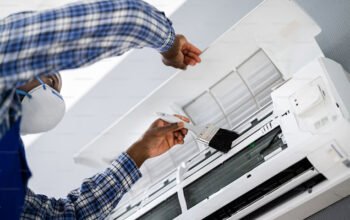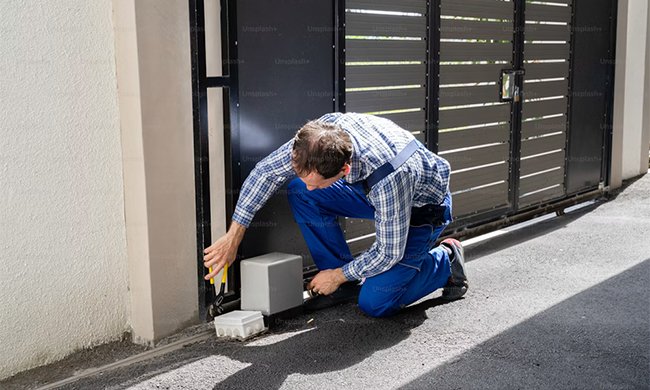
Roll-up doors are a practical and reliable solution for residential, commercial, and industrial properties that require convenient access, security, and efficient use of available space. These doors are designed to open vertically by rolling into a compact coil above the doorway, making them particularly useful in locations where traditional swinging or sliding doors may not be suitable. From warehouses and storage facilities to garages, workshops, retail buildings, and commercial service areas, roll-up doors offer a combination of functionality, durability, and ease of operation. Their space-saving design makes them an attractive option for property owners who want to improve accessibility without sacrificing valuable interior or exterior space.
Choosing the right door involves considering several important factors, including opening dimensions, construction materials, insulation requirements, security features, operating mechanisms, and expected usage. A properly installed system can provide years of dependable service, while an incorrectly measured or poorly fitted door may experience operational problems, unnecessary wear, and costly repairs. Professional installation helps ensure that all components are correctly positioned, balanced, and secured according to the manufacturer’s specifications.
Whether a property requires a manually operated door for occasional use or an automatic system for frequent daily operation, understanding the installation process can help owners make better decisions. Professional roll up door installation services typically include site assessment, accurate measurements, product selection, mounting preparation, track and bracket installation, spring assembly, operational testing, and final adjustments. By understanding these steps and the benefits of professional workmanship, property owners can select a suitable door system that supports long-term security, convenience, and performance.
Understanding How Roll-Up Doors Work
Roll-up doors operate through a vertical opening mechanism that allows the door curtain to move upward and coil around a barrel or drum positioned above the doorway. Unlike conventional hinged doors, this design does not require a large amount of clearance in front of or behind the opening. This makes roll-up doors particularly useful in buildings where space is limited or where equipment, vehicles, and stored materials need to move freely.
Most roll-up door systems consist of several interconnected components. The door curtain is made from individual slats or a continuous flexible material, depending on the design. Side guides keep the curtain aligned as it moves, while the barrel assembly supports the rolled door when it is open. Springs or other counterbalancing mechanisms help control movement, and the operating system allows users to raise and lower the door.
Manual systems typically use a chain hoist, pull mechanism, or another manufacturer-approved operating arrangement. Automatic models use an electric motor and control system to provide convenient operation through switches, remotes, or compatible access controls.
Different models are designed for different applications. Light-duty systems may be suitable for small storage areas, while heavy-duty models are commonly used in warehouses, industrial facilities, and commercial loading areas. Selecting a system that matches the opening size and expected operating frequency is essential for reliable performance.
Common Types of Roll-Up Doors
Understanding the different types of roll-up doors can help property owners choose a design that meets their functional and environmental requirements. Each option offers specific advantages depending on the building, intended use, and level of protection required.
Steel Roll-Up Doors
Steel roll-up doors are widely used in commercial and industrial environments because of their strength and durability. They are designed to withstand regular operation and provide a solid physical barrier for storage facilities, workshops, garages, and service buildings.
Galvanized steel options offer additional resistance to corrosion, making them suitable for many environments where moisture exposure is a consideration. Different thicknesses and finishes are available depending on the expected level of use and security requirements.These doors are particularly useful for properties that prioritize durability and practical protection.
Aluminum Roll-Up Doors
Aluminum roll-up doors provide a lightweight alternative to heavier steel models. Their relatively low weight can reduce the load placed on operating components, depending on the design.Aluminum is also naturally resistant to corrosion, making it a useful option for certain commercial environments and locations exposed to moisture.
These doors are available in different finishes and configurations, allowing property owners to select an appearance that complements the building’s exterior. They are commonly used in retail storefronts, commercial garages, and service openings.
Insulated Roll-Up Doors
Insulated roll-up doors are designed to help reduce heat transfer through the doorway. They may feature insulated slats or other construction methods intended to improve thermal performance.
These systems can be beneficial in buildings where temperature control is important, including workshops, storage facilities, and commercial spaces containing temperature-sensitive products.Insulation performance varies according to the door’s design, construction, seals, and installation quality. Property owners should review manufacturer specifications rather than assuming that every insulated door provides the same level of thermal protection.
Perforated and Vision Roll-Up Doors
Perforated roll-up doors contain small openings that allow airflow and visibility while maintaining a physical barrier. They are often used in shopping centers, retail storefronts, and commercial facilities where businesses want some visibility into the space when the door is closed.Vision-style designs may incorporate transparent sections or specialized materials that allow light to pass through.
These options can provide a practical balance between visibility, ventilation, and security, depending on the construction and intended application.
Fire-Rated Roll-Up Doors
Fire-rated rolling doors are specialized systems designed to help control the spread of fire and smoke through designated openings when installed as part of an approved fire protection arrangement.They are commonly used in commercial, industrial, and institutional buildings where fire compartmentation requirements apply.
These doors must meet applicable testing, certification, installation, and inspection requirements. They should always be selected and installed by qualified professionals who understand the relevant fire safety standards.
Benefits of Installing Roll-Up Doors
Roll-up doors offer several advantages that make them suitable for different types of buildings. Their design supports efficient space utilization while providing convenient access and practical protection.
Efficient Use of Available Space
One of the most noticeable advantages of roll-up doors is their compact operating design. Because the door moves vertically and coils above the opening, it does not require the clearance needed by traditional swinging doors.
This is particularly useful in garages, warehouses, workshops, and commercial properties where vehicles, shelving, machinery, or inventory may occupy nearby areas.
The additional clearance can make everyday operations more convenient and improve the overall use of available floor space.
Improved Security
A properly selected roll-up door can provide a strong physical barrier against unauthorized access. Steel and other durable materials are commonly used to protect garages, storage facilities, retail premises, and industrial buildings.
Security can be further improved through suitable locking systems, reinforced guides, secure mounting arrangements, and compatible access controls.
However, the level of protection depends on the door’s construction and the overall security of the building. Property owners should choose a system designed for their specific security requirements.
Convenient Daily Operation
Roll-up doors are designed for straightforward operation. Manual systems can be suitable for smaller openings or locations where the door is used occasionally.
Automatic systems offer additional convenience in facilities where doors are opened and closed frequently. Electric motors can reduce the physical effort involved and make vehicle access easier.
When properly installed and maintained, both operating options can provide dependable everyday performance.
Durability and Long-Term Value
Quality roll-up doors are designed to withstand repeated use and normal environmental exposure. Their durability depends on the materials, manufacturing quality, operating components, installation methods, and maintenance routine.
Choosing an appropriate model can help reduce unnecessary repairs and extend the service life of the complete door system.
The Professional Roll-Up Door Installation Process
Installing a roll-up door requires careful planning and precise execution to ensure safe, smooth, and reliable operation. Professional installers begin by assessing the opening and surrounding structure, then follow the manufacturer’s specifications to position, secure, and align each component. Proper installation helps prevent operational issues and supports long-term performance.
Initial Site Inspection
The installation process begins with an inspection of the doorway and surrounding structure. Technicians assess the available space, mounting surfaces, ceiling clearance, and condition of the supporting walls.
They also identify potential obstructions, electrical requirements, and any structural limitations that could affect the installation.
This assessment helps determine which door configuration is suitable and whether additional preparation is necessary before work begins.
Accurate Measurements
Accurate measurements are essential because the door must fit the opening correctly. Installers typically measure the width and height of the doorway, available side clearance, headroom, and mounting dimensions.
The required measurements depend on the specific door model and installation arrangement.
Incorrect measurements can lead to alignment problems, insufficient clearance, gaps, and operational difficulties. Professional measurement helps reduce the possibility of these issues.
Selecting the Appropriate Door System
Once the measurements and site conditions have been reviewed, the next step is selecting a suitable door.
The choice depends on several factors, including:
- Opening dimensions and building layout.
- Material strength and corrosion resistance.
- Insulation requirements.
- Expected operating frequency.
- Manual or automatic operation.
- Security and access control needs.
- Environmental exposure and maintenance requirements.
A suitable system should meet the property’s practical requirements without adding unnecessary features or operating complexity.
Preparing the Installation Area
Before installation begins, technicians prepare the surrounding area and confirm that the mounting surfaces are suitable.
Existing obstructions may need to be removed, and damaged or uneven mounting areas may require attention. The supporting structure must be capable of handling the loads associated with the door assembly and its operation.
Electrical preparations may also be necessary when installing an automatic system. Electrical work should be completed by a qualified professional in accordance with applicable safety requirements.
Installing the Mounting Components
The barrel, brackets, side guides, and supporting components must be positioned according to the manufacturer’s installation instructions.
Proper alignment is important because the door curtain must travel smoothly through the guides and roll evenly around the barrel.
The mounting system must also be securely attached to an appropriate supporting structure. Incorrect mounting can create instability, excessive vibration, and premature component wear.
Installing the Door Curtain and Operating System
After the supporting components are prepared, the door curtain and operating mechanism are fitted according to the manufacturer’s approved procedures.
Spring-loaded assemblies and counterbalance systems contain stored mechanical energy and can cause serious injuries if handled incorrectly. These components should only be installed, adjusted, or serviced by trained professionals using the correct procedures and equipment.
For automatic systems, the motor and control components are installed according to the equipment specifications. The electrical connections, safety devices, and operating controls should be checked before the system is placed into service.
Testing and Final Adjustments
Once installation is complete, technicians perform operational checks to confirm that the door moves smoothly and remains properly aligned.
Testing may include checking opening and closing movement, locking arrangements, guide alignment, motor operation, safety features, and control settings.
Any unusual vibration, scraping, uneven movement, or excessive noise should be investigated before the installation is considered complete.
The installer should also explain basic operating instructions and recommended maintenance procedures to the property owner.
Manual vs. Automatic Roll-Up Doors
Choosing between manual and automatic operation depends on the size of the door, frequency of use, available budget, and convenience requirements.
Manual roll-up doors generally have a simpler operating arrangement and may be suitable for smaller garages, storage areas, and facilities where the door is opened occasionally.
Automatic roll-up doors use an electric motor to raise and lower the curtain. They are particularly useful in commercial facilities, warehouses, and garages where frequent access is required.
Important Factors to Consider Before Installation
Choosing the right roll-up door requires more than comparing prices and appearances. Several technical and practical considerations can influence long-term performance.
The dimensions of the doorway determine which systems are suitable. Property owners should consider not only the opening width and height but also the space available above and beside the opening.Some door designs require more headroom than others because of their barrel and mounting arrangements.
The installation environment should influence material selection. Steel may be appropriate where strength is a priority, while aluminum can be useful when reduced weight and corrosion resistance are important.Properties exposed to moisture, chemicals, or coastal conditions may require suitable protective finishes and regular inspections.
Insulation can help reduce heat transfer, while suitable perimeter seals can limit the entry of dust, insects, and outdoor air.The actual performance depends on the door design and the quality of the surrounding building enclosure.
Different properties require different levels of protection. A small storage unit may need a straightforward locking arrangement, while a commercial warehouse may require a reinforced system with controlled access.Security features should be selected according to the value of stored items, building use, and potential exposure to unauthorized entry.
Common Roll-Up Door Installation Mistakes to Avoid
Installation errors can affect door performance, reduce service life, and create unnecessary safety risks. Understanding common problems can help property owners recognize the importance of professional workmanship.One common mistake is taking inaccurate measurements. Even small measurement errors can affect the fit of the door and create gaps or alignment problems.
Another issue is using unsuitable mounting surfaces or insufficient support. The supporting structure must be capable of handling the door assembly and its operating loads.Incorrect alignment can also lead to uneven movement, scraping, vibration, and excessive wear on the guides.
Choosing an undersized or unsuitable motor may result in poor performance, particularly when a door is operated frequently.Ignoring safety devices is another serious mistake. Automatic doors should have the appropriate safety controls for their design and application.
Finally, attempting to adjust spring-loaded mechanisms without the required training can result in serious injury. Professional installation and servicing are important for protecting both users and property.
Roll-Up Door Maintenance for Long-Term Performance
Regular maintenance helps keep roll-up doors operating efficiently and reduces the possibility of unexpected failures.The door curtain should be inspected periodically for dents, corrosion, damaged slats, and other signs of wear. Side guides should also be checked for obstructions and visible damage.
Tracks and surrounding areas should remain clean so that debris does not interfere with normal movement. Cleaning products should be compatible with the door’s material and finish.Operating components should be inspected according to the manufacturer’s maintenance schedule. Lubrication should only be applied to designated components using approved products.
Automatic systems require additional attention to electrical connections, control equipment, safety sensors, and motor performance.Any unusual noise, jerky movement, uneven closing, or difficulty operating the door should be investigated promptly.
Spring tension, counterbalance systems, and other high-energy components should never be adjusted by untrained individuals.A scheduled professional inspection can help identify developing problems before they lead to a complete system failure.
Residential and Commercial Applications of Roll-Up Doors
Roll-up doors are used in a wide variety of residential and commercial environments because of their compact design and practical operation.
Homeowners commonly install roll-up doors in garages, workshops, storage rooms, and outbuildings. Their vertical movement helps preserve driveway and interior clearance.A suitable residential system can also improve convenience and provide an additional physical barrier for stored vehicles, tools, and household belongings.
Homeowners may choose manual or automatic models depending on the size of the opening and how frequently the door is used.Retail businesses often use roll-up doors to secure storefronts, service counters, and storage areas. Perforated and vision-style designs may be useful when some visibility is desirable.Commercial garages and workshops also benefit from systems that allow vehicles and equipment to enter and exit conveniently.
Warehouses, distribution centers, manufacturing facilities, and industrial workshops often require heavier-duty roll-up door systems.These environments may involve larger openings, frequent operation, and increased demands on the supporting structure and operating components.Industrial systems should be selected according to the intended duty cycle, environmental exposure, safety requirements, and equipment specifications.
Understanding the Cost of Roll-Up Door Installation
The total cost of installing a roll-up door depends on several factors, including the door dimensions, materials, operating mechanism, construction requirements, and complexity of the installation.Smaller manual doors generally involve fewer components than large automatic commercial systems. However, the condition of the existing opening and the amount of preparation required can also influence the final price.
Additional features such as insulation, reinforced construction, specialized finishes, remote controls, and advanced safety systems may increase the investment.Installation expenses can also vary depending on whether electrical work, structural modifications, or removal of an existing door is necessary.
Property owners should request a detailed estimate that separates the cost of the door, installation labor, additional materials, electrical work, and any optional features.Comparing estimates based on the same specifications can make it easier to understand the overall value of each proposal. The lowest initial price is not always the most economical option if the door is unsuitable for the intended use.
Choosing a Reliable Roll-Up Door Installation Company
Selecting an experienced installation company is important for ensuring that the door is fitted correctly and operates safely.Property owners should look for providers with relevant experience, trained technicians, appropriate insurance, and familiarity with the type of door being installed.
A professional installer should inspect the site before recommending a product. They should also explain the available materials, operating options, safety features, and maintenance requirements.It is useful to ask about manufacturer warranties, installation workmanship guarantees, replacement components, and after-installation support.
Customer reviews and examples of previous projects can provide additional information about the company’s reliability and quality of work.A trustworthy provider should also explain any structural or electrical requirements before installation begins. Clear communication helps avoid unexpected expenses and ensures that the selected system meets the property’s needs.
Conclusion
Roll-up doors provide a practical combination of security, convenience, durability, and space efficiency for residential, commercial, and industrial properties. Their vertical operating design makes them particularly useful in locations where traditional doors would occupy valuable clearance.
Selecting the appropriate door involves considering its dimensions, construction material, insulation, operating mechanism, security features, and expected frequency of use. Professional installation ensures that the supporting components, guides, operating mechanisms, and safety features are fitted according to the manufacturer’s requirements.
Regular maintenance also plays an important role in preserving long-term performance. Inspecting the door curtain, keeping guides clear, monitoring automatic controls, and arranging professional servicing can help prevent unnecessary breakdowns.
For property owners planning roll up door installation, working with an experienced provider is a valuable way to ensure that the chosen system suits the building and its intended purpose. With accurate measurements, suitable equipment, professional workmanship, and ongoing maintenance, a quality roll-up door can provide dependable operation and practical protection for many years.