Introduction
Maintaining a clean and healthy environment is essential for every residential and commercial property. However, unwanted insects can quickly disturb indoor comfort, create hygiene concerns, and make everyday activities more difficult. Ants are among the most common household pests because they can enter buildings through tiny openings while searching for food, water, and suitable shelter. Although a few ants may not initially appear to be a serious problem, their presence can become frustrating when they establish trails and colonies inside kitchens, storage rooms, bathrooms, and other frequently used spaces. Ant control is an important part of property maintenance because it helps prevent infestations, protect food supplies, and maintain cleaner indoor surroundings. Ants are social insects that live in organized colonies and work together to find resources and support their populations. When worker ants discover an accessible food source, they can leave chemical trails that guide other members of the colony toward the same location. This behavior explains why a small number of ants can quickly develop into a much larger indoor problem. Uncovered food, sugary spills, overflowing garbage, and leaking plumbing fixtures can create favorable conditions for these insects. Understanding their behavior and addressing the conditions that attract them can help property owners prevent recurring infestations and maintain a more comfortable environment.
Understanding the Connection Between Ants and Food Storage Areas
Food storage areas are particularly attractive to ants because they provide convenient access to ingredients, packaging, and food residue. Pantry shelves, kitchen cabinets, countertops, and storage containers may contain small crumbs or spills that are difficult to notice during everyday cleaning. Sugary products, cereals, flour, pet food, and other packaged ingredients can attract different ant species when they are not stored properly. Even small amounts of exposed food can encourage worker ants to establish regular feeding routes. Keeping storage spaces organized and maintaining suitable food protection practices can significantly reduce these attractions. Ants can also enter food storage areas through small gaps around cabinet edges, windows, doors, and plumbing connections. Once they discover a reliable food source, they may continue returning even after visible insects have been removed. Ant control helps property owners identify these activity patterns and understand why certain storage areas experience repeated problems. Cleaning shelves, checking food packaging, and sealing suitable entry points are practical steps that support long-term prevention. Maintaining a clean pantry protects food supplies and makes it easier to identify early signs of pest activity.
Why Ant Infestations Can Become a Serious Problem
An ant infestation may begin with a few insects exploring a kitchen or storage room, but colony activity can increase when suitable conditions remain available. Worker ants communicate through chemical trails and can guide other ants toward food and water sources. This organized behavior allows colonies to take advantage of accessible resources throughout a building. As activity increases, ants may spread across countertops, cupboards, floors, bathrooms, and other indoor areas. Their continued presence can make food preparation uncomfortable and create additional cleaning responsibilities. Some ant species can also create property maintenance concerns. Carpenter ants, for example, may tunnel through damp or damaged wood to establish nesting spaces, potentially affecting wooden structures over time. Other species may contaminate exposed food or become difficult to manage when colonies establish themselves in concealed areas. Ant control is valuable because it addresses both visible activity and the conditions that allow colonies to survive. Early identification and appropriate treatment can help reduce the possibility of extensive infestations and unnecessary maintenance expenses.
Recognizing Early Warning Signs of Ant Activity
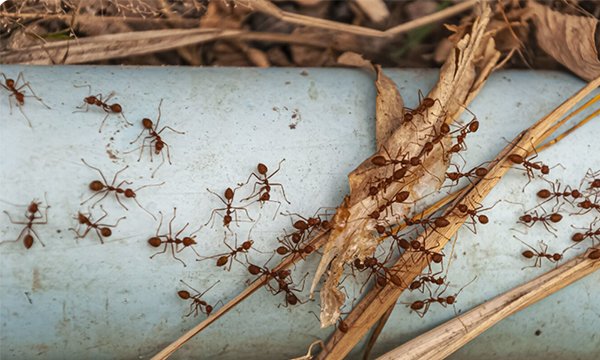
Recognizing the early signs of an infestation can help property owners take action before ants spread throughout a building. One of the most common indicators is a visible line of ants moving between a food source and an entry point. These trails may appear along kitchen countertops, cabinet edges, window frames, floors, and plumbing connections. Small piles of soil or debris near cracks may also indicate nesting activity, depending on the species involved. Observing where ants gather can provide useful information about their movement and possible nesting locations. Other warning signs may include ants appearing repeatedly around food containers, garbage bins, pet feeding areas, and damp spaces. Carpenter ants may leave small piles of wood shavings near affected timber, while winged ants may become noticeable during reproductive periods. Ant control inspections should include areas that are not frequently used, such as storage rooms, garages, basements, and utility spaces. Property owners should avoid ignoring repeated sightings because visible worker ants may represent a much larger colony nearby. Responding early makes it easier to identify the source and select an appropriate management approach.
Maintaining Proper Food Storage Practices
Proper food storage is one of the most effective ways to make kitchens and pantry areas less attractive to ants. Dry ingredients such as flour, sugar, rice, cereals, and snacks should be kept in airtight containers that prevent insects from accessing their contents. Opened food packages should be sealed properly rather than left exposed on shelves or countertops. Pet food should also be stored in suitable containers and should not remain uncovered for extended periods. These simple habits reduce accessible food sources and help protect ingredients from contamination. Property owners should regularly inspect pantry shelves for spilled ingredients, damaged packaging, and expired products. Containers should be wiped clean before being returned to storage areas, particularly when sticky substances or sugary residue are present. Ant control becomes more effective when proper food storage is combined with regular cleaning and monitoring. Keeping ingredients organized also makes it easier to notice unusual insect activity before it becomes widespread. Consistent food management supports better hygiene and reduces the likelihood of repeated ant problems.
Keeping Kitchens Clean and Hygienic
Kitchens require regular attention because food preparation activities naturally create crumbs, spills, grease, and other materials that can attract insects. Countertops, dining tables, floors, stovetops, and cabinet surfaces should be cleaned frequently to remove food residue. Dishes should be washed promptly rather than left in sinks overnight, especially when food particles remain attached. Appliances such as refrigerators, microwaves, and toasters should also be inspected because crumbs can accumulate underneath or behind them. Maintaining these areas reduces the availability of food that may encourage ant activity. Garbage management is another important part of maintaining a hygienic kitchen. Waste bins should have secure lids, and food waste should be removed regularly to prevent unpleasant odors and insect attraction. Recycling containers should also be rinsed when they contain sugary drinks or food residue. Ant control should be supported by daily cleaning habits rather than relying entirely on pest treatment products. A clean kitchen creates fewer opportunities for ants to establish feeding routes and helps maintain a healthier food preparation environment.
Eliminating Moisture Sources Around the Property
Food is not the only resource that attracts ants because many species also search for reliable water sources. Leaking taps, dripping pipes, damp cabinets, condensation, and standing water can encourage ant activity in kitchens, bathrooms, and laundry areas. Property owners should inspect plumbing fixtures regularly and arrange repairs whenever leaks are discovered. Water should not be allowed to accumulate beneath sinks or around appliances because persistent moisture may attract insects and contribute to other maintenance problems. Keeping surfaces dry can make indoor spaces less favorable for unwanted pests. Proper ventilation also helps reduce moisture in areas where humidity regularly increases. Bathrooms, laundry rooms, and utility spaces should have suitable airflow to prevent excessive dampness. Ant control measures should include checking hidden spaces behind appliances, beneath cabinets, and around plumbing connections where water leaks may remain unnoticed. Drainage systems should also be maintained to prevent standing water around the building. Addressing moisture problems supports effective pest prevention while helping protect furniture, flooring, and other building materials.
Sealing Entry Points to Prevent Ant Invasions
Ants can enter buildings through surprisingly small openings around doors, windows, foundations, and utility connections. These gaps may remain unnoticed for long periods but can provide convenient access for worker ants searching for food and water. Property owners should inspect building surfaces and seal suitable cracks using appropriate materials. Weather stripping, door sweeps, and properly fitted window screens can also help reduce the number of entry points available to insects. Preventing access is an important part of maintaining a building that is less attractive to unwanted pests. Outdoor maintenance should also be included in an effective prevention routine. Overgrown plants, fallen leaves, damp soil, and accumulated wooden materials may provide shelter for ant colonies near building walls. Vegetation should be maintained so that branches do not create easy pathways into the property. Ant control strategies work better when exterior maintenance is combined with indoor sanitation and moisture management. Reducing entry opportunities helps prevent new ants from reaching food storage areas and other indoor spaces.
Understanding Different Ant Species and Their Behavior
Different ant species have different feeding preferences, nesting habits, and activity patterns. Some species prefer sugary substances, while others are attracted to proteins, grease, or other food materials. Carpenter ants may establish nests in damp or damaged wood, whereas pavement ants commonly build nests in soil near hard surfaces. Certain small ant species can become particularly challenging because they may establish colonies in concealed spaces and access multiple food sources. Correct identification is important because treatment methods that work for one species may not be equally effective for another. Understanding these differences helps property owners make better decisions about prevention and treatment. Ant control should begin with identifying the species whenever possible and examining the conditions supporting its activity. Professional technicians can evaluate the insects’ appearance, movement patterns, and possible nesting locations. Their findings can help determine whether the problem involves occasional foraging activity or a more established colony. Species identification supports targeted management and reduces the possibility of ineffective treatment.
Choosing Suitable Ant Treatment Methods
Different infestations require different treatment approaches depending on the species, colony location, and level of activity. Some situations may be managed through improved sanitation, exclusion, and regular monitoring, while established colonies may require professionally selected bait systems or other targeted treatments. Baits are designed to attract certain ants, which may carry the material back toward their colony. However, effectiveness depends on selecting a suitable product and following its instructions regarding placement and use. Property owners should avoid moving or interfering with treatment products unless instructed to do so. Simply spraying visible ants may provide temporary relief without addressing the colony responsible for the infestation. Ants may continue entering a building from concealed nesting locations even after the insects seen on countertops have disappeared. Ant control should therefore focus on understanding the source of the problem and selecting an appropriate treatment strategy. Chemical products should always be used according to their labels, and different chemicals should never be mixed. When infestations continue despite preventive efforts, professional assessment can help determine the next steps.
Protecting Food Supplies From Contamination
Food safety should be a priority whenever ants are found in kitchens, pantries, or storage cupboards. Ants can travel across floors, waste areas, outdoor surfaces, and other locations before reaching exposed ingredients. Their movement can transfer unwanted dirt and microorganisms onto food preparation surfaces and packaging. Any food that has been directly exposed to significant pest activity should be evaluated carefully, and contaminated or compromised products should be discarded when appropriate. Food containers should be checked regularly for damaged seals and packaging. Cleaning food storage areas thoroughly after ant activity is also important. Shelves, cabinet corners, containers, and nearby countertops should be wiped using suitable cleaning products. Ant control can help reduce the likelihood of further contamination by addressing the insects and the conditions attracting them. Property owners should also avoid leaving food uncovered during meal preparation or overnight storage. Good food handling practices, combined with proper pest prevention, help maintain a cleaner and more hygienic kitchen.
Why Professional Ant Management Services Are Valuable
Professional pest management services can be useful when ants continue appearing despite regular cleaning and preventive efforts. Experienced technicians understand the behavior of different ant species and can identify possible nesting locations, feeding routes, and entry points. They may inspect kitchens, bathrooms, storage spaces, foundations, and exterior areas to understand how the infestation developed. Their findings help determine whether the issue involves occasional worker ants or a more established colony. A detailed inspection provides a stronger foundation for selecting appropriate treatment methods. Before hiring a service provider, property owners should ask about inspection procedures, treatment options, safety precautions, and follow-up recommendations. Reliable professionals should explain their findings and provide practical advice about sanitation, food storage, and building maintenance. Ant control services should also consider the presence of children, pets, and sensitive food preparation areas when developing treatment plans. Clear communication helps property owners understand the process and prepare their buildings appropriately. Working with experienced specialists can reduce the inconvenience of recurring infestations.
Maintaining Outdoor Areas to Reduce Ant Activity
Outdoor spaces can provide suitable nesting conditions for ants, particularly when soil remains damp and food waste is easily accessible. Gardens, patios, pathways, driveways, and areas around foundations should be maintained regularly to reduce unnecessary shelter. Fallen fruit, uncovered garbage, pet food, and spilled drinks can attract ants and encourage colonies to establish themselves close to buildings. Removing these materials and maintaining tidy outdoor spaces can help reduce pest activity. Landscaping should also be managed so that vegetation does not create direct pathways into the property. Drainage is another important consideration because standing water and consistently damp soil may encourage certain ant species. Property owners should ensure that outdoor water sources are managed properly and that gutters and drainage systems remain clear. Firewood, cardboard, and other stored materials should be kept in suitable conditions and away from vulnerable building surfaces whenever practical. Ant control becomes more effective when outdoor conditions are considered alongside indoor cleaning and exclusion methods. Regular exterior maintenance helps create a less attractive environment for nesting and feeding.
Developing a Long-Term Ant Prevention Strategy
Preventing recurring infestations requires consistent attention rather than relying on occasional cleaning or treatment. Property owners should establish routines for inspecting food storage areas, cleaning kitchen surfaces, checking plumbing connections, and removing household waste. Cracks around doors and windows should be examined periodically, while damp areas should receive attention before they become persistent problems. Seasonal inspections can also help identify changing conditions that may encourage ant activity. These preventive habits make it easier to recognize small problems before they become difficult to manage. Ant control should become part of an overall property maintenance plan that includes sanitation, moisture management, building repairs, and professional monitoring when necessary. Keeping records of previous infestations, inspections, and treatments can help property owners identify recurring patterns. Areas where ants have previously appeared should receive additional attention during routine cleaning. If new activity develops, investigating the source quickly can prevent another established colony. A consistent strategy helps protect food storage areas, maintain indoor hygiene, and reduce the inconvenience of future infestations.
Conclusion
Ant infestations can create hygiene concerns, affect food storage areas, and make residential and commercial properties less comfortable. These insects are attracted to accessible food, moisture, and suitable nesting spaces, which is why proper cleaning and building maintenance are essential for prevention. Recognizing early warning signs, storing ingredients securely, removing food residue, fixing leaks, and sealing entry points can significantly reduce the conditions that attract ants. Understanding different species and their behavior also helps property owners select more appropriate management methods. Ant control is most effective when preventive habits are combined with regular inspections and professional assistance when necessary. Maintaining clean kitchens, protecting food supplies, managing outdoor areas, and addressing moisture problems can help reduce recurring pest activity. Property owners should also use treatment products responsibly and seek qualified advice when infestations become difficult to manage. By following a consistent prevention strategy, it becomes easier to protect food storage areas, maintain better hygiene, and create a cleaner, healthier, and more comfortable environment.