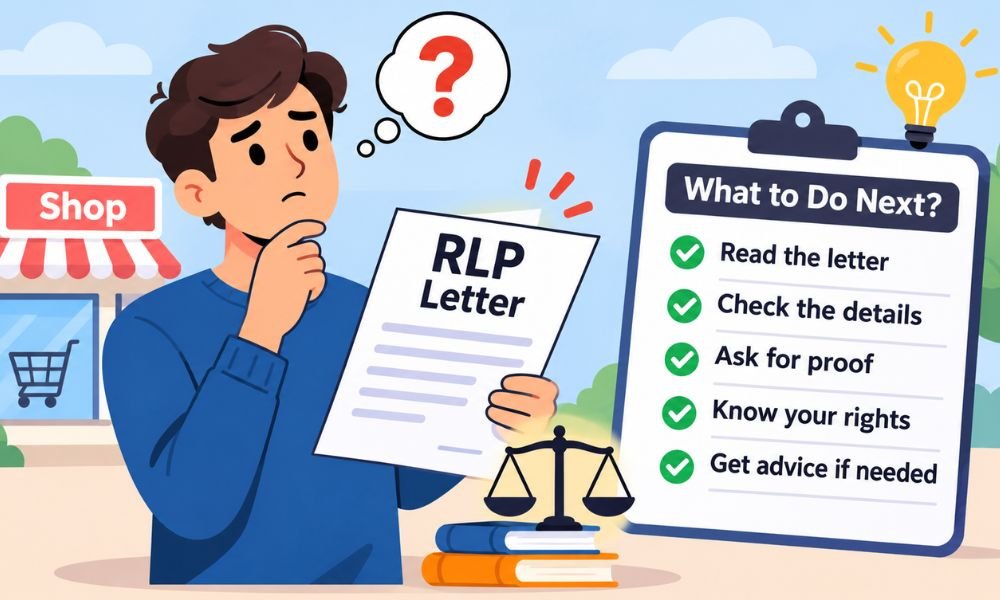
Getting a letter that asks you to pay money can feel scary. You may not know why it came or what to do next. An RLP letter can make people worry about money and the law. But does getting this letter mean you must pay?
In the UK, an RLP letter often comes from a company called Retail Loss Prevention. It may arrive after a reported problem at a shop. The letter may ask for money because the shop says it lost goods or had extra costs.
But here is something important. An RLP letter is not the same as a court order. In this 2026 guide, we will explain what the letter means and why shops send it. You will also learn about payment claims and your rights.
What Is an RLP Letter?
An RLP letter is a written request for money. In the UK, RLP stands for Retail Loss Prevention. A company called Retail Loss Prevention Limited sends these letters for shops. The company helps stores ask for money after a reported loss.
For example, a shop may say someone took an item without paying. The shop may then ask that person to cover its loss. This is called a civil claim. It means the shop is asking for money rather than asking a court to punish someone.
Getting an RLP letter does not mean a judge has found you responsible. The letter is a claim made by a business. It is not proof that you owe the money. You should read it carefully before deciding what to do.
Why Do Shops Send an RLP Letter?
Shops may send an RLP letter when they believe someone caused them to lose money. This can happen after reported theft or damage to goods. The shop may ask for the value of items that were lost or damaged.
Sometimes the goods are returned to the shop. You may think this means the problem is over. But the shop may still ask for other costs. These could include staff time or money spent dealing with the event.
However, a shop cannot simply ask for any amount it wants and expect payment. It needs a proper reason for the claim. The amount must also have a legal basis. Each case is different and depends on what happened.
What Does an RLP Letter Look Like?
An RLP letter often looks like a normal business letter. It may have the company name at the top. You may also see the date and a case number. This number helps the company find the right claim.
The letter may name the shop and explain what happened. It may show the amount being requested. You may also see a date for replying. Some letters use serious words that can make the claim seem more frightening.
Here is a simple example. A shop says an item worth £40 was taken. The letter asks for £100 to cover the claimed loss and other costs. This is only an example. It does not mean £100 is a standard RLP charge.
Example RLP Letter
This is a made-up example for learning. It is not a real RLP notice.
Date: 20 October 2026
Reference: EX-2026-105
To: Sam Brown
Subject: Shop Loss Claim
Dear Sam Brown,
We are writing about an event reported at ABC Store on 10 October 2026.
The store says it lost money because of this event. It has asked us to contact you about a claim of £100.
You may ask for more details if you believe the claim is wrong. You can also ask how the amount was worked out.
Please use your case number when you reply.
Yours sincerely,
Example Claims Team
Is an RLP Letter a Fine or Court Order?
No. An RLP letter is not a criminal fine. It is a request for money linked to a civil claim. A criminal fine is different because it comes through the legal system as a form of punishment.
An RLP letter is also not a court order. The company may ask you to pay money. But this does not mean a judge has ordered you to pay. If the claim goes to court, the court will look at the facts.
Getting this letter does not create a criminal record. A shop may make a civil claim even when the police are not involved. But the same event could also lead to a separate police case. These are two different matters.
Continue reading:Michelle Gumbel: What Happened to Greg Gumbel’s Daughter?
Do You Have to Pay an RLP Letter?
Many people ask this question after getting an RLP letter. The answer depends on the facts. The letter itself does not prove that you must pay. A shop needs a sound legal reason to claim money from someone.
Before paying, check what the letter says. Look at the shop name and event date. Read why money is being asked for. If the amount seems wrong, you can ask the company to explain how it reached that figure.
You may also ask for proof of the claimed loss. If you do not agree with the claim, you can explain why in writing. Do not rush into payment because the letter sounds serious. Getting legal advice may help you decide.
How Much Money Can an RLP Letter Ask For?
An RLP letter may ask for more than the price of an item. A shop might claim money for lost goods or damage. It may also ask for costs linked to staff time or work done after the event.
For example, imagine a shop says an item worth £30 was damaged. It may ask for the value of that item. It might also claim extra costs for dealing with the problem. But those costs are not always owed.
The shop must have a proper basis for the money it asks for. If a case reaches court, it may need to show proof of its loss. You can question the amount and ask how each cost was worked out.
How to Check and Reply to an RLP Letter
Getting an RLP letter can make you feel worried. But you should not rush to reply. First check the name of the shop and the date of the event. Make sure the details match what you know.
Next look at the amount being asked for. Does the letter explain why the shop wants this money? If something seems wrong, you can ask for proof. You can also use receipts or other records to support your side.
When you reply, keep your words short and clear. Add your case number so the company can find your letter. Explain what you agree with or what you believe is wrong. Keep a copy of every message you send.
What Happens If You Ignore an RLP Letter?
Some people think ignoring an RLP letter will make the problem go away. But that may not happen. The company might send another letter asking for payment. It may also contact you again about the same claim.
If the matter is not settled, the shop may choose to take legal action. This does not mean every case will go to court. The shop must still have a valid claim. A payment request alone does not prove you owe money.
It is also important to check the dates on the letter. A company may give you a date to reply. A court deadline is different and can have serious results. If you receive real court papers, do not ignore them.
Can an RLP Letter Affect Your Credit Score?
Many people worry that an RLP letter will hurt their credit score. The good news is that getting the letter alone does not normally affect your credit. A company asking for money is not the same as a court judgment.
However, things can change if a shop takes the claim to court. If the court orders you to pay, you may receive a County Court Judgment. This is often called a CCJ. It can affect your credit record.
In England and Wales, a CCJ can stay on the public register for six years. If you pay it in full within one month, you can have it removed from the register. Rules may differ in other parts of the UK.
Can an RLP Letter Lead to Court Action?
Yes. A shop can take an RLP claim to court if it believes someone owes money. But this does not happen in every case. The shop must be able to support its claim with facts and proof.
If the case goes to court, you may receive official papers. These papers explain what money is being claimed and how to respond. You may be able to pay the claim or challenge it if you believe it is wrong.
Never ignore real court papers. In England and Wales, missing the reply date can lead to a CCJ without the court hearing your side. If you do not understand the papers, ask a legal adviser for help.
What If Someone Under 18 Gets an RLP Letter?
An RLP letter may also be sent to someone under 18. This can be scary for a young person. Retail Loss Prevention has stated that it may seek money from young people aged 14 or older in some cases.
However, this does not mean every claim against a child is valid. The law can be different for young people. Their age and the facts of the case matter. A shop still needs a proper legal reason for its claim.
Parents are not always required to pay just because their child received a letter. But a parent or guardian can help check the details and find advice. Young people should not deal with a serious claim alone.
Important RLP Letter Tips for 2026
In 2026, it is important to check that an RLP letter is real. Some fake messages may ask people to send money quickly. A company name or logo does not always mean a message is safe.
If you receive a letter by email, be careful with links. Do not share your bank details or passwords with an unknown sender. Find the company’s contact details from a trusted source before making any payment.
Keep all letters and messages in a safe place. Save receipts and other records linked to the event. If you need help, Citizens Advice can explain your options. A solicitor can also help with more serious claims.
Continue reading: Robert Joseph Gilliam: Everything to Know About Lisa Robin Kelly’s Husband
Conclusion
An RLP letter may look serious, but it is important to understand what it means. It is a request for money linked to a shop’s claimed loss. It is not a criminal fine or an automatic court order.
Before taking action, read the letter carefully. Check the facts and ask for proof if something seems wrong. You can also explain why you disagree with the claim. Do not make a payment just because you feel afraid.
The best thing you can do is stay calm and learn about your options. Keep your records safe and get legal help when needed. With the right information, you can make a careful choice about what to do next.
(FAQs)
What does an RLP letter mean in the UK?
An RLP letter is a request for money from Retail Loss Prevention. It is usually sent after a shop reports theft or damage. The letter asks for payment to cover a claimed loss. It is not a court order.
Do I have to pay an RLP letter?
Not always. Getting an RLP letter does not prove you owe money. The shop must have a valid claim. You can ask for proof before paying. If you are unsure about your rights, seek legal advice.
What happens if I ignore an RLP letter?
The company may send more letters asking for payment. The shop may also decide to take the claim to court. This does not happen in every case. Never ignore real court papers because missing deadlines can cause problems.
Can an RLP letter affect my credit score?
An RLP letter alone does not normally affect your credit score. However, if the case goes to court and you receive a County Court Judgment (CCJ), your credit may be affected. Court judgments have different rules.
Can I go to jail for not paying an RLP letter?
You cannot normally go to jail simply for not paying an RLP civil claim. It is a money dispute rather than a criminal punishment. However, a separate criminal case may arise from the same shop incident.
Can I receive an RLP letter if the stolen goods were returned?
Yes. A shop may still ask for money after goods are returned. It might claim staff time or other costs. However, the shop must have a proper legal reason for those charges. You can ask for proof.
Can an RLP letter give me a criminal record?
No. Receiving an RLP letter does not create a criminal record. It is part of a civil claim. A criminal record may arise from a separate criminal case, but the letter itself is not proof of a crime.
How much money can RLP ask me to pay?
There is no single amount for every RLP claim. The shop may ask for the value of lost goods and other costs. The amount must have a proper legal basis. You can question charges that seem too high.
Can RLP take me to court if I refuse to pay?
The shop may choose to bring a civil court claim. RLP may help the shop with this process. However, the shop must prove its case if you dispute it. Refusing to pay does not automatically mean you will lose.
What should I do first after receiving an RLP letter?
First read the whole letter carefully. Check the shop name and event date. Look at the payment amount and reply date. Keep a copy of the letter. If anything seems wrong, ask for proof or seek legal advice.
Continue reading: Samantha Rotunda: What Happened to Bray Wyatt’s Ex-Wife