A bathroom renovation is more than a chance to update tile, faucets, and finishes. It is an opportunity to make one of the busiest rooms in your home more comfortable, functional, durable, and efficient. Planning helps avoid expensive changes and creates a room that works well for years.
Begin With the Problems You Want to Solve
Before collecting design ideas, identify what is not working in your current bathroom. Maybe the vanity has too little storage, the shower door makes movement awkward, or poor ventilation leaves the mirror fogged and surfaces damp.
Write down the frustrations you experience regularly. This list becomes the foundation of your renovation brief and helps prevent attractive finishes from distracting you from practical needs.
Plan the Layout Before Choosing Finishes
The arrangement of fixtures usually affects daily comfort more than the color of the tile or the style of the faucet. Check toilet clearance, door swing, drawer space, and shower access.
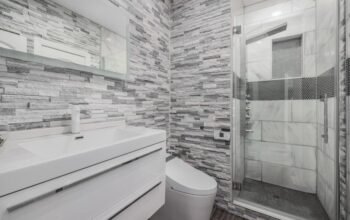
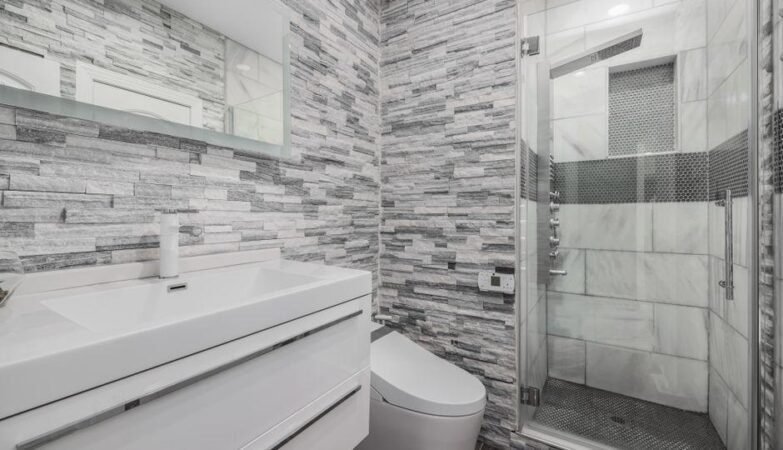
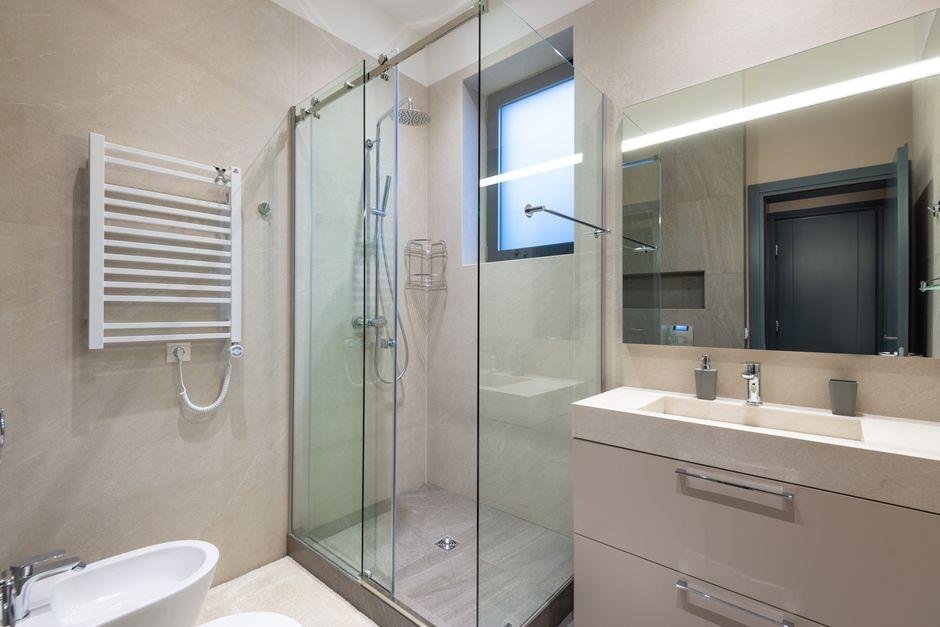
In a compact bathroom, small adjustments can make a noticeable difference. Recessed niches provide storage without taking up floor space, while a floating vanity can make the room feel more open. Confirm measurements before ordering fixtures, and check that plumbing and electrical changes are feasible within the existing structure.
Set a Budget That Accounts for Hidden Work
It is easy to focus on visible purchases such as tile, mirrors, faucets, and cabinets. However, the budget should also account for plumbing changes, electrical upgrades, subfloor repairs, waterproofing, ventilation, permits, and labor. These elements protect the room and make its fixtures function properly.
Keep a contingency for unexpected conditions uncovered during demolition, such as damaged framing or old plumbing that needs attention. If the budget becomes tight, protect the work that affects safety and durability before spending more on premium finishes.
When comparing contractors for bathroom remodeling, ask how they approach preparation, waterproofing, ventilation, fixture installation, and project scheduling.
Treat Waterproofing and Ventilation as Essential
Moisture is one of the biggest threats to a bathroom renovation. Water can travel through poorly sealed joints, damaged membranes, or badly installed fixtures and cause hidden deterioration behind walls and beneath floors.
Ventilation matters just as much. Choose an exhaust fan suited to the room and make sure it is ducted outdoors rather than into an attic or wall cavity. A fan that is noisy but moves too little air will not adequately control humidity.
Choose Lighting for Different Tasks
One ceiling fixture rarely provides the best bathroom lighting. A more useful plan combines ambient lighting for general visibility with task lighting around the mirror. Balanced side lighting can reduce facial shadows, making everyday grooming easier.
Pay attention to fixture ratings and placement in areas exposed to moisture. Electrical work should be completed by a qualified professional and follow applicable local requirements.
Build Storage Around Everyday Habits
A beautiful bathroom can quickly feel cluttered if there is nowhere to put everyday essentials. Drawers often make better use of vanity space than deep cabinets because contents are easier to see and reach. A tall cabinet can provide extra linen storage, while recessed shelving can keep frequently used products close at hand.
Select Materials for Performance and Maintenance
Bathroom surfaces face regular moisture, temperature changes, cleaning products, and heavy use. Choose flooring with appropriate slip resistance, surfaces that are practical to clean, and finishes that can withstand the conditions in the room. Large-format tile can reduce the amount of grout to maintain, while durable vanity materials may be easier to care for than delicate natural stone.
Ask how each material performs when wet and what maintenance it requires. A textured floor may offer better grip but need more effort to clean. Some matte finishes hide fingerprints but show soap residue.
Consider Water Use and Long-Term Value
A renovation is a good time to consider efficient toilets, faucets, and showerheads. Look for products that balance lower water use with reliable performance, and check whether they meet relevant local standards.
The U.S. Environmental Protection Agency’s WaterSense home maintenance guidance explains how efficient bathroom fixtures and routine leak checks can help reduce unnecessary water use.
Check the Ventilation Plan Before Work Begins
The Environmental Protection Agency also explains why bathroom ventilation matters during renovation, including the need to remove moisture and exhaust air outdoors. Its remodeling and indoor air quality guidance is a useful reference when discussing fan performance and moisture control with your contractor.
Confirm the Contractor’s Scope and Timeline
Before signing an agreement, make sure the proposal explains what is included and what is not. It should identify the fixtures and materials being supplied, who obtains permits where required, how debris will be removed, and how changes to the original scope will be priced. Ask who will coordinate plumbing, electrical, tile, and finishing work, and who will be your main contact if a question arises.
Clarify payment milestones and the expected sequence of work. A bathroom may be unavailable for days or weeks, so plan for household disruption before demolition begins. If the home has only one bathroom, discuss how the contractor will manage access and whether temporary arrangements are needed. A written scope reduces misunderstandings and gives both sides a clear reference if delays or unexpected repairs occur.
Make Decisions Before Demolition
A successful bathroom renovation depends on preparation more than impulse. Define the problems, confirm the layout, select materials for real-life use, and budget for the work that stays hidden after installation.
When the important decisions are made early, the project is easier to manage, and the finished room is more likely to meet your expectations. Keep copies of invoices, warranties, and product specifications after completion. The goal is not a bathroom that looks impressive on completion day. It is a space that feels comfortable, works smoothly, and stands up to everyday life.