Maintaining a comfortable indoor environment is essential for residential and commercial properties throughout the year. Temperature changes, seasonal weather conditions, humidity, and indoor air quality can all influence how comfortable a building feels. A properly functioning heating and cooling system helps regulate indoor temperatures, maintain consistent airflow, and create a healthier living or working environment. However, heating and cooling equipment requires regular maintenance, professional inspections, and occasional repairs to continue operating efficiently. Without appropriate care, even a high-quality HVAC system can experience mechanical problems, increased energy consumption, inconsistent temperatures, and reduced performance.
Modern heating and cooling solutions include a wide range of equipment designed to meet different building requirements. These systems may include furnaces, air conditioners, heat pumps, ductless mini-splits, ventilation equipment, and smart temperature controls. Selecting suitable equipment involves considering property size, insulation, energy efficiency, ventilation requirements, and household or business needs. Professional installation and routine maintenance are equally important because they help ensure that the equipment operates safely and delivers reliable performance. Understanding the available systems, common maintenance concerns, repair options, and energy-saving practices can help property owners make informed decisions about maintaining indoor comfort throughout the year.
Understanding the Importance of Heating and Cooling Systems
Heating and cooling systems play an important role in maintaining comfortable indoor conditions. During colder periods, heating equipment supplies warmth to living spaces, offices, and commercial facilities. During warmer conditions, cooling equipment removes excess heat and helps maintain a pleasant indoor temperature. These systems also contribute to humidity management and air circulation, depending on their design and configuration.
A properly designed HVAC system can improve everyday comfort by distributing conditioned air throughout a building. It helps reduce temperature differences between rooms and allows occupants to maintain settings according to their preferences. Modern systems may also include advanced filtration and ventilation features that support better indoor air quality.
The performance of heating and cooling equipment depends on several factors, including equipment capacity, installation quality, insulation, ductwork condition, and maintenance practices. A system that is too large or too small for the building may struggle to maintain consistent temperatures. Professional assessment helps identify the appropriate equipment and ensures that the system is suitable for the property’s specific requirements.
Different Types of Heating Systems for Residential and Commercial Properties
Several heating technologies are available to meet the needs of different buildings. The most suitable option depends on energy availability, property layout, climate conditions, installation costs, and operating preferences. Understanding the main heating systems can help property owners choose equipment that provides reliable warmth without unnecessary energy consumption.
Furnaces are among the commonly used heating systems in many properties. They generate heat using electricity, natural gas, or another suitable fuel and distribute warm air through ductwork. Electric heating systems use electrical resistance to produce heat, while gas furnaces burn fuel to generate warmth through a heat exchanger.
Heat pumps offer another option because they can provide both heating and cooling through a single system. Rather than generating heat in the same way as conventional furnaces, they transfer heat between indoor and outdoor environments. Depending on the system design, heat pumps may offer an energy-efficient solution for year-round temperature management.
Boiler systems use heated water or steam to distribute warmth through radiators, baseboard units, or underfloor heating arrangements. These systems may be suitable for properties with existing hydronic heating infrastructure. Professional installation and regular servicing help ensure that each system operates according to manufacturer specifications.
Understanding Modern Air Conditioning Systems
Air conditioning equipment helps remove heat from indoor spaces and maintain comfortable temperatures during warmer conditions. Most conventional systems use a refrigeration cycle that transfers heat from indoor air to the outdoor environment. The process involves components such as compressors, evaporator coils, condenser coils, refrigerant lines, and fans.
Central air conditioning systems are commonly used in properties with existing ductwork. They distribute conditioned air through a network of ducts and vents, allowing multiple rooms to receive cooling from a central unit. Split systems use indoor and outdoor components to provide cooling to specific areas or larger spaces, depending on their configuration.
Ductless mini-split systems provide another option for buildings where traditional ductwork is unavailable or impractical. They can offer independent temperature control for different rooms, making them useful for home additions, converted spaces, and properties with varying cooling requirements.
Choosing the right air conditioning system requires consideration of cooling capacity, energy efficiency, installation requirements, and the building’s overall design. An appropriately sized unit can provide consistent comfort while helping control operating costs.
The Benefits of Professional HVAC Installation
Professional installation is essential for achieving reliable heating and cooling performance. Even high-quality equipment may operate inefficiently if it is installed incorrectly or selected without considering the building’s requirements. Poor installation can contribute to uneven temperatures, restricted airflow, excessive energy consumption, and premature equipment failure.
The installation process generally begins with an evaluation of the property. HVAC professionals consider the building’s square footage, ceiling height, insulation, window placement, ventilation, and expected occupancy. They may also assess existing ductwork and electrical arrangements before recommending suitable equipment.
Proper system sizing is particularly important. Equipment that is too small may run continuously without maintaining the desired temperature, while oversized systems may cycle on and off too frequently. Both situations can reduce comfort and affect efficiency.
Qualified technicians also ensure that electrical connections, refrigerant lines, drainage arrangements, thermostats, and ventilation components are installed correctly. After installation, the system should be tested to confirm that it operates as expected. Professional workmanship can help protect the equipment and support dependable performance over time.
Common Signs Your Heating and Cooling System Needs Repairs
Recognizing early warning signs can help property owners address HVAC problems before they become more expensive. One common indication is inconsistent indoor temperature. If some rooms feel significantly warmer or colder than others, the system may have airflow restrictions, thermostat problems, duct leaks, or equipment performance issues.
Unusual sounds can also indicate developing mechanical problems. Grinding, rattling, buzzing, or excessive vibration may result from loose components, worn motors, damaged fan blades, or other mechanical concerns. These noises should be investigated rather than ignored.
Another warning sign is an unexpected increase in energy bills. If electricity or fuel consumption rises without a clear explanation, the system may be operating inefficiently. Dirty filters, blocked coils, refrigerant problems, and aging equipment can all contribute to increased operating costs.
Weak airflow, unpleasant odors, frequent cycling, water leaks, and difficulty maintaining the selected temperature are additional signs that professional inspection may be necessary. Addressing these problems early can reduce equipment strain and help prevent complete system failure.
Heating System Repair and Troubleshooting
Heating equipment can develop several problems as it ages or operates under demanding conditions. Furnaces may experience ignition problems, malfunctioning thermostats, dirty burners, airflow restrictions, or issues with their blower motors. Heat pumps may develop refrigerant problems, sensor faults, or mechanical issues that affect their ability to transfer heat effectively.
A heating system that fails to produce sufficient warmth may have several possible causes. Restricted airflow can prevent heated air from reaching different rooms, while a faulty thermostat may send incorrect signals to the equipment. Electrical problems and worn components can also interfere with normal operation.
Professional technicians inspect the equipment to determine the source of the problem. Depending on the diagnosis, repairs may involve cleaning components, replacing damaged parts, correcting electrical connections, or addressing airflow restrictions.
Gas-powered heating equipment requires particular attention because combustion-related problems can create serious safety concerns. Property owners should never attempt complicated gas or electrical repairs without the appropriate qualifications. Professional servicing helps ensure that heating equipment operates according to applicable safety requirements.
Air Conditioning Repair and Maintenance
Air conditioning systems require regular care because their performance can be affected by dust, dirt, refrigerant problems, drainage issues, and mechanical wear. A poorly maintained system may struggle to cool indoor spaces and consume more electricity than necessary.
Common air conditioning problems include insufficient cooling, warm air coming from vents, unusual noises, water leakage, frozen evaporator coils, and frequent system shutdowns. These symptoms may indicate issues involving filters, fans, compressors, refrigerant circulation, or electrical components.
Professional technicians can inspect the complete system and identify the underlying cause. Minor problems may be resolved through cleaning, component adjustments, or replacement of damaged parts. More significant issues may require specialized repairs or equipment replacement.
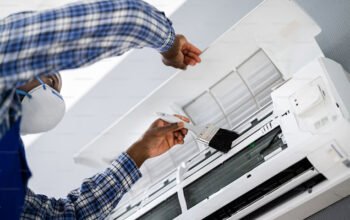
Routine maintenance is equally important. Cleaning or replacing air filters, inspecting coils, checking drainage lines, and evaluating electrical components can help maintain cooling performance. Following manufacturer recommendations and arranging periodic professional servicing can extend equipment life and reduce unexpected breakdowns.
The Importance of Regular HVAC Filter Replacement
Air filters are essential components of most heating and cooling systems. They help capture airborne particles such as dust, lint, pollen, and other contaminants before they circulate through the equipment. Clean filters support better airflow and help protect internal components from excessive dirt accumulation.
When filters become clogged, the system may need to work harder to move air. Restricted airflow can reduce heating and cooling performance, increase energy consumption, and contribute to equipment strain. In some situations, blocked filters may also contribute to frozen air conditioning coils or overheating in heating equipment.
The frequency of filter replacement depends on the filter type, system design, household conditions, and manufacturer’s recommendations. Properties with pets, high occupancy, or significant dust exposure may require more frequent inspections.
Choosing the correct filter is also important. Filters with different efficiency ratings may have different airflow characteristics, and not every filter is suitable for every HVAC system. Property owners should follow equipment specifications to maintain appropriate airflow and filtration performance.
Improving Indoor Air Quality Through Proper Ventilation
Indoor air quality can influence comfort, productivity, and general well-being. Dust, pollen, pet dander, odors, moisture, and other airborne contaminants may accumulate inside buildings when ventilation and filtration are inadequate. Heating and cooling equipment can contribute to indoor air management when it is properly maintained and supported by suitable ventilation.
Ventilation systems introduce outdoor air and help remove stale indoor air. Depending on the building, this may involve mechanical ventilation, exhaust fans, or balanced ventilation equipment. Kitchens, bathrooms, and utility areas often require specific ventilation arrangements to manage moisture and odors.
Air filtration can provide additional support by capturing particles as air circulates through the HVAC system. Some properties may benefit from upgraded filtration or specialized air-cleaning equipment, provided that it is compatible with the existing system.
Controlling indoor humidity is another important consideration. Excess moisture can contribute to condensation and mold growth, while extremely dry indoor conditions may create discomfort. Professional HVAC assessment can help determine whether improvements to ventilation, filtration, or humidity management are appropriate.
Smart Thermostats and Modern Temperature Controls
Smart thermostats have changed the way property owners manage indoor temperatures. These devices allow users to adjust heating and cooling settings according to their schedules and preferences. Depending on the model, they may provide mobile app access, programmable schedules, energy usage information, and automated temperature adjustments.
Programmable temperature controls can help reduce unnecessary heating or cooling when buildings are unoccupied. For example, homeowners may choose different settings during working hours and nighttime periods. Commercial facilities can also use scheduled controls to match HVAC operation with business hours.
Some smart thermostats provide additional features such as occupancy detection, remote monitoring, and integration with compatible home automation systems. These capabilities can make temperature management more convenient and may help improve energy efficiency.
However, compatibility is important when selecting a thermostat. Not every device works with every heating or cooling system. Professional installation can help ensure correct wiring, configuration, and communication between the thermostat and HVAC equipment.
Energy Efficiency and Reducing Heating and Cooling Costs
Heating and cooling equipment can represent a substantial portion of a property’s energy consumption. Improving system efficiency can help reduce utility expenses while maintaining comfortable indoor conditions. The most effective approach often involves combining suitable equipment, regular maintenance, and improvements to the building itself.
One important consideration is equipment efficiency. Modern systems may include advanced compressors, variable-speed motors, improved heat exchangers, and intelligent controls designed to optimize performance. When replacing older equipment, property owners should compare efficiency ratings, expected operating costs, and installation requirements.
Insulation and air sealing also influence energy consumption. Poorly insulated walls, roofs, doors, and windows can allow conditioned air to escape, forcing the HVAC system to operate for longer periods. Sealing gaps and improving insulation can help maintain more stable indoor temperatures.
Regular filter replacement, appropriate thermostat settings, and professional maintenance further support efficiency. Property owners should also ensure that vents remain unobstructed and that ductwork is properly sealed. These practical measures can improve system performance and reduce unnecessary energy waste.
Ductwork Inspection, Cleaning, and Repair
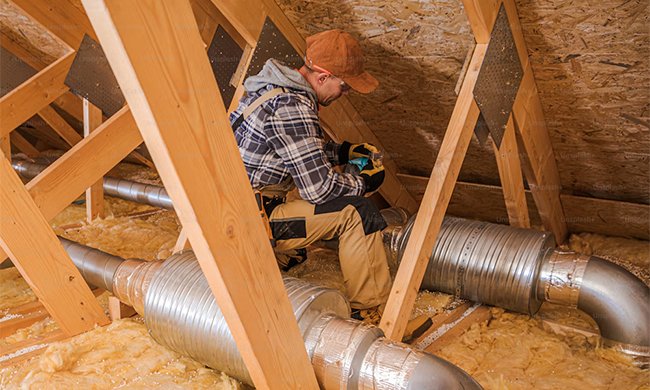
Ductwork is responsible for distributing conditioned air throughout buildings that use ducted HVAC systems. Damaged, poorly sealed, or obstructed ducts can reduce airflow and make it difficult to maintain consistent temperatures in different rooms.
Common ductwork problems include loose connections, damaged insulation, accumulated debris, restricted sections, and air leakage. Leaking ducts can allow conditioned air to escape into unused spaces, reducing efficiency and increasing operating costs.
Professional duct inspections help identify these issues and determine whether repairs or cleaning are necessary. Sealing damaged connections and correcting airflow restrictions can improve system performance. Duct insulation may also be important when air travels through areas with different temperatures.
Duct cleaning should be considered based on actual conditions rather than as an unnecessary routine expense. If substantial debris, contamination, or other specific problems are identified, professional cleaning may be appropriate. Maintaining clean and properly sealed ductwork supports reliable air distribution throughout the building.
Residential Heating and Cooling Solutions
Residential HVAC systems should be selected according to household size, building design, insulation quality, room layout, and personal comfort preferences. A suitable system helps maintain consistent indoor temperatures while supporting reasonable energy consumption.
Homeowners may choose central air conditioning, furnaces, heat pumps, ductless systems, or combinations of different technologies. Each option has advantages depending on the property’s existing infrastructure and operating requirements.
Comfort preferences also vary between households. Some families may prefer independent temperature control in different rooms, while others may prioritize simple operation and centralized control. Smart thermostats, zoning systems, and programmable schedules can provide additional flexibility.
Regular maintenance is essential for residential equipment because small problems can affect comfort throughout the home. Scheduling inspections, replacing filters, and addressing unusual noises or temperature changes promptly can help prevent unexpected equipment failures.
Commercial Heating and Cooling for Business Properties
Commercial buildings often have more complex HVAC requirements than residential properties. Offices, retail stores, restaurants, healthcare facilities, warehouses, and educational buildings may require different temperature settings, ventilation arrangements, and equipment capacities.
Commercial systems may include rooftop units, large central air conditioning systems, heat pumps, ventilation equipment, and specialized controls. These systems must be designed according to building size, occupancy levels, internal heat loads, and operational schedules.
Reliable heating and cooling are important for employee comfort, customer satisfaction, equipment protection, and business operations. A malfunctioning system may affect productivity or disrupt activities, particularly in buildings that depend on controlled indoor conditions.
Commercial property managers should consider preventive maintenance agreements that include scheduled inspections, filter replacement, equipment testing, and priority repair support. A structured maintenance plan can help identify problems early and reduce the risk of unexpected system downtime.
Choosing Between HVAC Repair and Equipment Replacement
Deciding whether to repair or replace an HVAC system depends on its age, condition, operating efficiency, repair history, and overall performance. A relatively new system with a minor component problem may be a good candidate for repair. However, older equipment with repeated breakdowns may become increasingly expensive to maintain.
Frequent repair expenses are an important consideration. If a system regularly requires replacement parts or struggles to maintain comfortable temperatures, installing newer equipment may provide better long-term value. Property owners should also consider energy efficiency because older systems may consume more electricity or fuel than modern alternatives.
The availability of replacement parts and compatibility with existing ductwork can influence the decision as well. A professional technician can evaluate the system and compare the estimated repair costs with the expected benefits of replacement.
It is important to consider the complete condition of the equipment rather than relying on age alone. A well-maintained system may continue operating reliably, while a newer unit with installation or maintenance problems may require significant attention.
Seasonal HVAC Maintenance and System Preparation
Seasonal maintenance helps prepare heating and cooling equipment for periods of increased demand. Before warmer conditions, air conditioning systems should be inspected to confirm that filters, coils, drainage lines, fans, and electrical components are functioning correctly.
Before colder conditions, heating equipment should receive appropriate inspection and servicing. Depending on the system, this may involve checking burners, heat exchangers, electrical connections, thermostats, ventilation arrangements, and safety controls.
Outdoor equipment should also be kept free from excessive debris and obstructions. Plants, leaves, dirt, and other materials can restrict airflow around outdoor units and affect performance. However, maintenance activities involving electrical or mechanical components should be handled by qualified professionals.
A consistent maintenance schedule can reduce the possibility of unexpected breakdowns during periods when heating or cooling is especially important. It also allows technicians to identify worn components before they develop into more serious problems.
Understanding the Cost of Heating and Cooling Services
The cost of HVAC installation, repair, or maintenance depends on several factors, including equipment type, system capacity, property size, labor requirements, and the complexity of the work. A basic repair involving a thermostat or electrical connection may require less investment than replacing a compressor or installing an entirely new heating and cooling system.
Installation costs can vary depending on whether existing ductwork can be reused or requires modification. Additional expenses may include electrical improvements, drainage arrangements, insulation upgrades, and smart control installation.
Property owners should request detailed estimates that explain equipment specifications, labor charges, replacement parts, and any additional services. Comparing quotations based on equipment quality, energy efficiency, warranties, and professional experience can help avoid decisions based solely on the lowest initial price.
It is also useful to consider long-term operating expenses. A more efficient system may have a higher purchase price but could offer savings through reduced energy consumption over its useful life. Evaluating both initial and ongoing costs provides a more complete understanding of the investment.
Choosing a Reliable Heating and Cooling Contractor
Selecting an experienced HVAC contractor is important for achieving dependable system performance. Property owners should look for professionals with relevant technical training, appropriate licensing where required, suitable insurance, and experience working with the specific type of equipment installed in their buildings.
Before hiring a contractor, customers should ask about inspection procedures, equipment recommendations, repair methods, and maintenance services. A reliable professional should explain the problem clearly and provide practical solutions based on the actual condition of the system.
Written estimates should include the scope of work, equipment details, labor costs, replacement components, and expected completion time. Customers should also ask about manufacturer warranties, workmanship guarantees, and emergency repair availability.
Reviewing customer feedback and previous projects can provide additional insight into a contractor’s reliability. Good communication, transparent pricing, and professional workmanship are important considerations when selecting a provider for long-term HVAC support.
Conclusion
Reliable heating and cooling systems are essential for maintaining comfortable indoor environments in residential and commercial properties. From furnaces and air conditioners to heat pumps, ventilation equipment, and smart thermostats, modern HVAC solutions offer different ways to manage indoor temperatures and support air quality. However, achieving dependable performance requires appropriate equipment selection, professional installation, and consistent maintenance.
Regular inspections, timely repairs, filter replacement, and ductwork maintenance can help prevent unexpected breakdowns and improve energy efficiency. Property owners should also consider insulation, ventilation, and smart temperature controls when looking for ways to improve overall system performance.
Working with an experienced HVAC professional can make it easier to identify equipment problems, select suitable solutions, and maintain reliable operation. By investing in quality installation, preventive servicing, and responsible energy management, homeowners and business owners can enjoy better indoor comfort, improved efficiency, and dependable heating and cooling performance for years to come.