Introduction
Maintaining a clean, comfortable, and healthy environment is essential for every homeowner and business owner. Unwanted insects and rodents can enter buildings in search of food, water, and shelter, creating problems that affect hygiene, property conditions, and everyday comfort. These pests may contaminate food, damage furniture, destroy wooden structures, and spread harmful microorganisms if their presence is not addressed promptly. Understanding the reasons pests enter properties and learning how to prevent infestations can help people protect their surroundings and avoid unnecessary expenses. Regular cleaning, proper waste disposal, and routine property inspections are practical steps that make indoor environments less attractive to unwanted organisms. Many people overlook the early signs of an infestation because they believe a few insects or rodents will disappear without intervention. Unfortunately, pests can reproduce quickly and establish hiding places in kitchens, bathrooms, basements, storage rooms, and other undisturbed areas. Professional pest control provides a systematic approach to identifying infestations, locating their sources, and choosing suitable treatment methods. When combined with consistent preventive habits, these services can help reduce recurring problems and protect the condition of residential and commercial properties. Taking action at the right time is often more effective and affordable than waiting until an infestation becomes widespread.
Understanding Different Types of Pests
Different pests create different challenges, so recognizing their behavior is an important part of effective prevention. Ants often enter buildings through small openings while searching for sugary foods, crumbs, and other edible materials. Cockroaches prefer warm, humid spaces where food and water are readily available, making kitchens, bathrooms, and areas behind appliances common hiding places. Rodents can squeeze through surprisingly small gaps and may damage insulation, chew electrical wiring, contaminate stored food, and build nests in quiet spaces. Understanding these habits allows property owners to recognize potential problems and take appropriate steps before pest activity becomes difficult to manage. Other pests may remain hidden for extended periods while causing damage that is not immediately visible. Termites can attack wood and other cellulose-containing materials, potentially weakening structural components if an infestation continues untreated. Bed bugs often hide in mattress seams, furniture joints, and narrow cracks, making them difficult to eliminate without careful inspection. Mosquitoes reproduce in standing water, while flies are attracted to exposed food, waste, and decaying organic matter. Identifying the specific pest involved is essential because different species require different treatment methods, and an incorrect approach may provide temporary relief without resolving the underlying problem.
Why Early Detection Is Important
Early detection can significantly reduce the time, effort, and expense associated with managing an infestation. Warning signs may include droppings, unusual odors, damaged food packaging, insect skins, tiny holes in wood, or scratching sounds behind walls and ceilings. Homeowners should inspect cupboards, storage spaces, dark corners, plumbing areas, and locations beneath large appliances because these places can provide food, moisture, and shelter. Regular inspections make it easier to discover unusual activity before pests spread throughout a property. Paying attention to small changes in the environment can help prevent minor concerns from developing into serious maintenance problems. Ignoring the first signs of an infestation may allow pests to multiply and cause extensive damage. Rodents can chew wiring and insulation, while termites may damage wooden structures without producing obvious signs on the surface. Certain insects and rodents can also contaminate food or contribute to health concerns through their droppings, bites, or the microorganisms they carry. Timely pest control helps property owners identify affected areas, determine the likely source of the problem, and select suitable corrective measures. Acting early may reduce the amount of treatment required and make it easier to prevent the infestation from returning.
Maintaining Cleanliness to Reduce Pest Activity
Cleanliness is one of the most practical ways to discourage pests from entering and remaining inside a building. Food crumbs, grease deposits, uncovered rubbish, and spilled drinks can provide insects with a reliable source of nourishment. Cleaning kitchen counters, washing dishes promptly, wiping cupboard shelves, and vacuuming beneath furniture can help remove materials that attract unwanted organisms. Food should be stored in tightly sealed containers, while pet food should be protected from insects and rodents when it is not being used. Consistent cleaning routines make indoor spaces less appealing to common household pests and support better overall hygiene. Proper waste management is equally important because rubbish can attract ants, flies, cockroaches, and rodents. Waste containers should have secure lids and be emptied regularly, particularly when they contain leftover food or other organic materials. Recycling containers should be cleaned when necessary, and storage areas should remain organized to prevent waste from accumulating in corners or behind equipment. These habits support effective pest control by reducing access to food and limiting the conditions pests need to survive. Although cleaning alone cannot resolve every infestation, it provides an essential foundation for prevention and helps other treatment methods work more effectively.
Sealing Entry Points and Protecting Buildings
Pests often enter buildings through small openings that property owners may overlook during routine maintenance. Cracks in foundations, gaps beneath exterior doors, damaged window screens, and spaces around plumbing pipes can provide convenient access for insects and rodents. Inspecting these areas regularly and sealing appropriate openings with suitable materials can help reduce the likelihood of an infestation. Door sweeps, weatherstripping, mesh screens, and properly applied sealants can strengthen a building’s defenses against unwanted visitors. Particular attention should be given to utility entrances, ventilation openings, and areas where different building materials meet. Outdoor maintenance can also influence the likelihood of pests entering a property. Overgrown plants touching exterior walls may provide pathways for insects, while piles of wood, discarded containers, and accumulated debris can create sheltered nesting areas. Gutters should be maintained so that water drains properly, and outdoor materials should be stored neatly rather than left directly against the building. Keeping vegetation trimmed and removing unnecessary clutter can make the surrounding environment less suitable for pests. Regularly checking the property’s exterior helps identify new openings and maintenance issues before they contribute to a larger infestation.
Managing Moisture and Preventing Standing Water
Moisture is an important factor in the survival and reproduction of many pests. Cockroaches and certain insects thrive in damp conditions, while mosquitoes need standing water to reproduce. Leaking pipes, dripping taps, poorly ventilated bathrooms, and damp storage spaces can create favorable conditions for unwanted organisms. Repairing plumbing problems, improving ventilation, drying wet surfaces, and inspecting areas beneath sinks can help reduce these risks. Property owners should also investigate persistent dampness because it may indicate hidden leaks, damaged roofing, or drainage problems that require more comprehensive repairs. Outdoor areas deserve attention because water can collect in buckets, plant saucers, discarded tires, and other containers after rainfall. Removing unnecessary standing water, keeping water storage containers covered, and maintaining clear drainage channels can help reduce mosquito breeding opportunities. When water accumulation cannot be eliminated, suitable preventive measures should be selected according to local guidance and the specific conditions involved. Moisture control supports pest control by removing essential resources that many pests depend on for survival. Addressing the source of dampness is generally more effective than repeatedly treating the insects that appear around wet areas.
Choosing Suitable Pest Treatment Methods
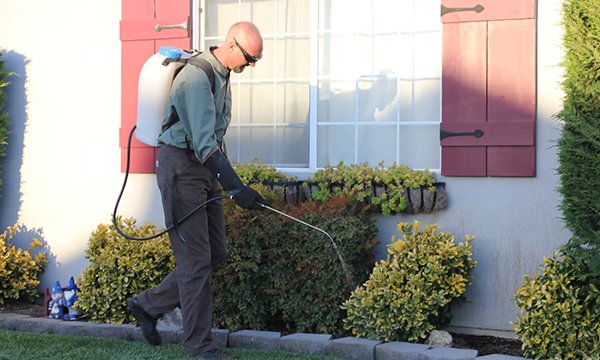
Selecting an appropriate treatment begins with identifying the pest and understanding the extent of the infestation. Different species respond to different approaches, which means a method that works well for ants may not be suitable for termites or rodents. Ant management may require locating the colony and removing accessible food sources, while rodent problems can involve traps, exclusion measures, and careful monitoring. Termite infestations often require specialized inspections because the insects may remain hidden within soil, walls, or wooden structures. Correct identification helps ensure that the chosen treatment addresses the actual problem rather than only its visible symptoms. A reliable treatment plan should consider the affected areas, the severity of the infestation, and the needs of people and animals using the building. Depending on the circumstances, suitable measures may include physical barriers, traps, sanitation improvements, targeted products, or professional treatments. Chemical products should always be used according to their labels and applicable safety requirements, with appropriate precautions to prevent accidental exposure. When pests are widespread, difficult to identify, or repeatedly returning, professional pest control services can help determine which methods are most appropriate. Careful assessment and targeted treatment generally provide a more dependable approach than applying products without understanding the cause of the infestation.
The Benefits of Integrated Pest Management
Integrated Pest Management, commonly known as IPM, combines inspection, prevention, monitoring, and carefully selected treatments to manage pest problems more effectively. Instead of depending entirely on chemical products, this approach focuses on identifying why pests are present and correcting the conditions that allow them to survive. For example, a cockroach infestation may require improved food storage, moisture reduction, sealing of hiding places, and targeted treatment. Combining these measures can produce more reliable results than relying on a single method that does not address the underlying causes. Monitoring is another important part of integrated management because it helps property owners determine whether preventive measures are working. Suitable traps, routine inspections, and written observations can reveal changes in pest activity and identify areas that require additional attention. If the problem continues, the management plan can be adjusted according to the evidence collected during monitoring. Professional pest control providers who follow integrated methods can recommend practical improvements while helping reduce unnecessary pesticide applications. This balanced approach supports long-term prevention and encourages responsible decisions that consider effectiveness, safety, and the surrounding environment.
Protecting Children, Pets, and Indoor Spaces
Safety should always be considered when pest treatments are applied inside homes, offices, or other occupied buildings. Some products can cause harm if they are swallowed, inhaled, or allowed to contact skin improperly. Reading instructions carefully, following application requirements, and observing any specified re-entry periods can help reduce the risk of accidental exposure. Food, utensils, toys, pet bowls, and other sensitive belongings should be protected according to the product label or the treatment professional’s instructions. These precautions are particularly important in households where young children, older adults, or pets may come into contact with treated surfaces. Property owners should never mix chemicals or use products in ways that are not approved by the manufacturer. Rodent baits and insecticides should be stored securely and placed only in suitable locations where unintended contact can be prevented. Whenever practical, preventive measures such as sealing gaps, improving sanitation, removing standing water, and using appropriate traps can reduce dependence on chemical treatments. A responsible pest control plan considers the needs of everyone who uses the building and prioritizes methods that address the infestation without creating unnecessary risks. Clear communication with treatment professionals also helps ensure that preparation, application, and follow-up instructions are properly understood.
Pest Prevention in Commercial Properties
Commercial properties face additional challenges because they may contain food preparation areas, storage facilities, shared workspaces, delivery zones, and large numbers of people moving throughout the building. Restaurants, offices, warehouses, retail stores, and hospitality businesses must maintain appropriate cleaning procedures and building maintenance routines to reduce infestation risks. Food products should be stored correctly, waste should be removed frequently, and incoming supplies should be checked for signs of insects or rodents. Employees should also understand how to identify warning signs and report unusual activity before the problem spreads into other areas. An organized prevention program can protect products, equipment, property, and business reputation. Depending on the industry, pest activity may also create regulatory concerns, disrupt operations, or affect customer confidence. Regular inspections, documented observations, and clear reporting procedures can help management respond quickly when a problem is discovered. Professional pest control services may be particularly valuable for businesses that require scheduled monitoring, specialized treatments, and detailed service records. Making prevention part of everyday operations helps commercial property owners maintain cleaner facilities, reduce avoidable disruptions, and create a more comfortable environment for employees and customers.
Understanding Treatment Costs and Long-Term Value
The cost of treating an infestation depends on several factors, including the pest species, the size of the property, the severity of the problem, and the treatment method required. A small, localized insect issue may require less work than a widespread rodent infestation or a termite problem affecting structural materials. Some situations can be resolved with one treatment, while others require multiple visits, additional repairs, or continued monitoring to confirm that pest activity has stopped. Understanding these factors helps property owners establish realistic expectations and evaluate available service options more carefully. When comparing providers, customers should consider more than the lowest advertised price. It is helpful to ask what the quoted fee includes, whether follow-up visits are covered, and whether additional charges may apply if the infestation is more extensive than expected. A detailed inspection and a clear treatment plan can help prevent misunderstandings about the work involved. Investing in preventive maintenance may also reduce future expenses by addressing entry points, sanitation problems, and moisture issues before they contribute to serious damage. Comparing service quality, safety procedures, and treatment details can help property owners make informed decisions that provide better long-term value.
Developing Consistent Prevention Habits
Long-term prevention depends on building habits that make properties less attractive to unwanted organisms throughout the year. Regular cleaning, secure food storage, prompt waste removal, and routine inspections should be part of a practical maintenance schedule. Homeowners can check window screens, inspect stored belongings, monitor plumbing areas, and look for new gaps around doors or exterior walls. These small tasks are easier to manage when performed consistently rather than postponed until an infestation becomes obvious. A clean and well-maintained property provides fewer opportunities for pests to find food, water, shelter, and suitable places to reproduce. Seasonal changes may also influence pest activity because temperature, rainfall, and outdoor food availability can affect where insects and rodents seek shelter. Preparing a property before periods of increased activity can help reduce the chance of pests moving indoors. If unusual signs appear, documenting the affected areas and seeking appropriate advice can make identification and treatment more efficient. Combining preventive routines with timely professional pest control assistance provides a balanced strategy for managing infestations and reducing the likelihood of recurring problems. Over time, these habits can help protect the property’s condition while supporting a cleaner and more comfortable indoor environment.
Conclusion
Pest prevention is an ongoing responsibility that requires attention to cleanliness, moisture control, building maintenance, and early detection. Understanding common pest behaviors makes it easier to recognize warning signs and take appropriate action before a minor problem becomes more serious. Sealing entry points, storing food securely, removing waste regularly, and eliminating standing water can improve conditions inside and around a property. These practical steps also help protect furnishings, stored products, and structural materials from avoidable damage while supporting better everyday hygiene. When an infestation persists or becomes difficult to manage, professional assistance can help identify its underlying cause and determine the most suitable treatment. An effective pest control strategy combines preventive habits, careful monitoring, and targeted interventions rather than relying on temporary solutions alone. Homeowners and business operators can achieve better long-term results by maintaining consistent routines, addressing maintenance issues promptly, and seeking qualified help when necessary. The goal is not simply to remove unwanted pests but also to prevent the conditions that allow them to return, creating a safer, cleaner, and healthier environment for everyone.