A large printing project can succeed or fail before the first design touches a garment. The blank you choose affects print quality, comfort, durability, and cost. A weak choice leads to cracked prints, faded colors, and unhappy customers.
This guide covers what to look for when selecting garments for big runs. If you plan a big run, the points below will help you avoid costly mistakes.
Start With the Print Method
Screen Printing
Screen printing works best on smooth, tightly knit fabric. It handles large quantities well, and bulk sweatshirts for printing in cotton-rich fleece give bold, lasting color.
Setup costs are higher, but the price per piece falls sharply as volume grows. That makes it ideal for large orders.
Direct-to-Garment and Heat Transfer
Direct-to-garment printing suits detailed, multicolor artwork. It performs best on high cotton content, since the ink bonds with natural fibers.
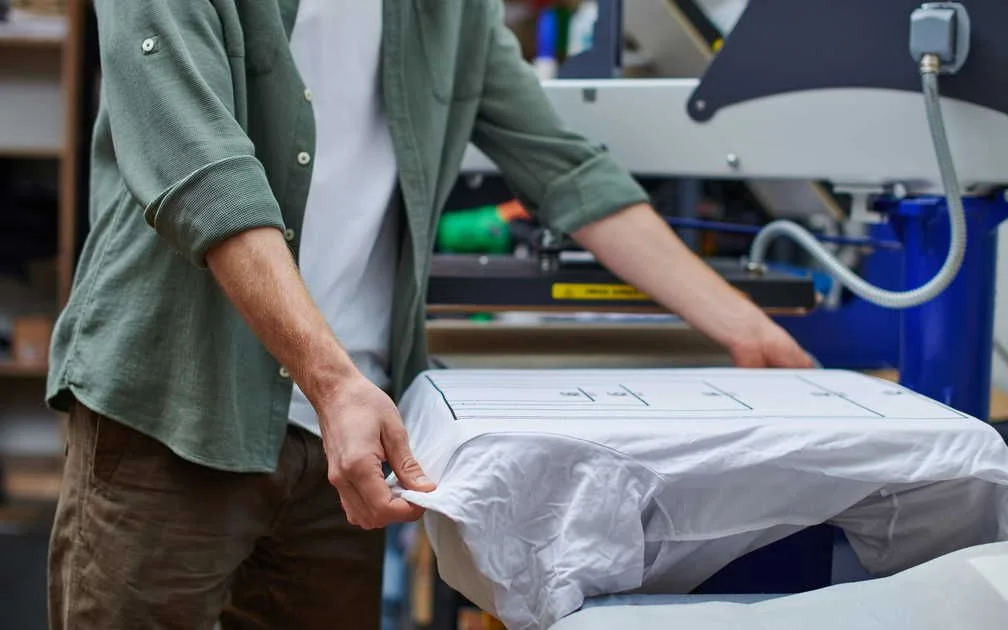
Heat transfer is flexible for small batches and mixed designs. Check the heat tolerance of the fabric, because some blends scorch or shine under high temperatures.
Fabric and Weight Matter More Than You Think
Cotton Versus Blends
Pure cotton accepts ink easily and feels soft. Cotton and polyester blends resist shrinking and wrinkling, which keeps a print looking sharp over time.
For printing, a 50/50 blend is a common balance. It holds up to repeated washing while still taking ink well.
Choosing the Right Weight
Fleece weight is measured in ounces per square yard. A lighter sweatshirt suits mild climates and giveaway events. A heavier one feels premium and lasts longer.
Mid-weight options fit most projects. They keep costs reasonable without feeling thin.
Color Choices and Their Effect on Ink
Dark Garments
Dark colors give light designs strong contrast. A wholesale black sweatshirt is one of the most popular choices for printing because it makes white and bright inks stand out and hides everyday wear.
Printing light ink on dark fabric often requires an underbase layer. Ask your printer about this, since it affects cost and the feel of the print.
Light Garments
Light colors work well for detailed or dark artwork. They also show wear faster, so consider fabric quality carefully.
Whichever you choose, order enough of each color from the same dye lot. Different lots can vary slightly in shade.
Fit, Sizing, and Comfort
Plan the Size Mix
A common starting split is more mediums and larges, with smaller numbers of the extreme sizes. Adjust the mix to your audience. Event staff and sports teams often skew differently from office groups.
Keep a small stock of extra sizes. People often swap sizes after the first wash.
Think About Wearability
A printed sweatshirt that is itchy or stiff will stay in a drawer. Soft fleece, ribbed cuffs, and a relaxed cut make people wear the garment often.
Frequent wear is the real return on a printing project. It keeps your design visible long after the event ends.
Preparing Artwork for Large Runs
File Quality
Send your printer high-resolution, vector-based files whenever possible. Blurry or low-quality images produce soft edges that no printing method can fix.
Ask the printer for their preferred file formats before you finish the design. It saves time and prevents last-minute changes.
Placement and Size
A standard chest print sits a few inches below the collar. Oversized prints can look dramatic but add cost and can stiffen the fabric. Smaller left-chest logos suit corporate groups well.
Proof Before You Print
Always request a physical or digital proof before approving a full run. Check spelling, colors, and positioning carefully. A typo caught at the proof stage costs nothing, while a typo printed on hundreds of garments costs a great deal.
Managing Budget and Timelines
Balance Cost and Quality
The cheapest blank is rarely the best value. A garment that prints poorly forces reprints, and reprints cost more than the savings on the blank.
Compare total cost, including decoration, shipping, and a margin for spoilage. Printers usually advise ordering a few extra units to cover misprints.
Allow Time for Delays
Large runs take time. Production, drying, and quality checks all add days. Give yourself a generous buffer before your deadline.
Working With a Reliable Supplier
When your project is large, you need a supplier that holds stock and ships on schedule. Simplstc Apparel offers blank garments suited to printing projects, and you can browse styles at simplstcapparel.com.
Ask for fabric details and available colors before you decide. A knowledgeable supplier can suggest a blank that matches your print method and budget.
Care and Longevity of Printed Garments
Wash and Dry Guidance
Printed garments last longer when washed inside out in cool water. High heat in the dryer can crack ink and shrink fabric.
Include a care tip card or a short email with each batch. People who know how to care for a garment keep it looking good for years.
Why Durability Protects Your Brand
A faded or cracked print reflects badly on the brand that sits on it. Spending a little more on quality blanks and proper curing of ink protects your reputation long after the project ends.
Details That Are Easy to Overlook
Neck Labels and Tags
Printed labels are more comfortable than sewn-in tags and give a cleaner look. If your garment has a tag, ask whether it can be removed without damaging the collar.
Shrinkage and Pre-Washing
Some fabrics shrink slightly after the first wash. Pre-shrunk garments keep their size and keep the print from warping. Check the product details before you buy.
Storage Before Printing
Store blanks in a dry, clean place. Moisture and dust can interfere with ink adhesion.
Final Thoughts
Great printing begins with the right garment. Match the fabric to the print method, choose a color that supports your design, and plan your sizes with care.
Test a sample, confirm timelines, and work with a supplier you trust. With those steps in place, large printing projects become smoother and far more profitable.