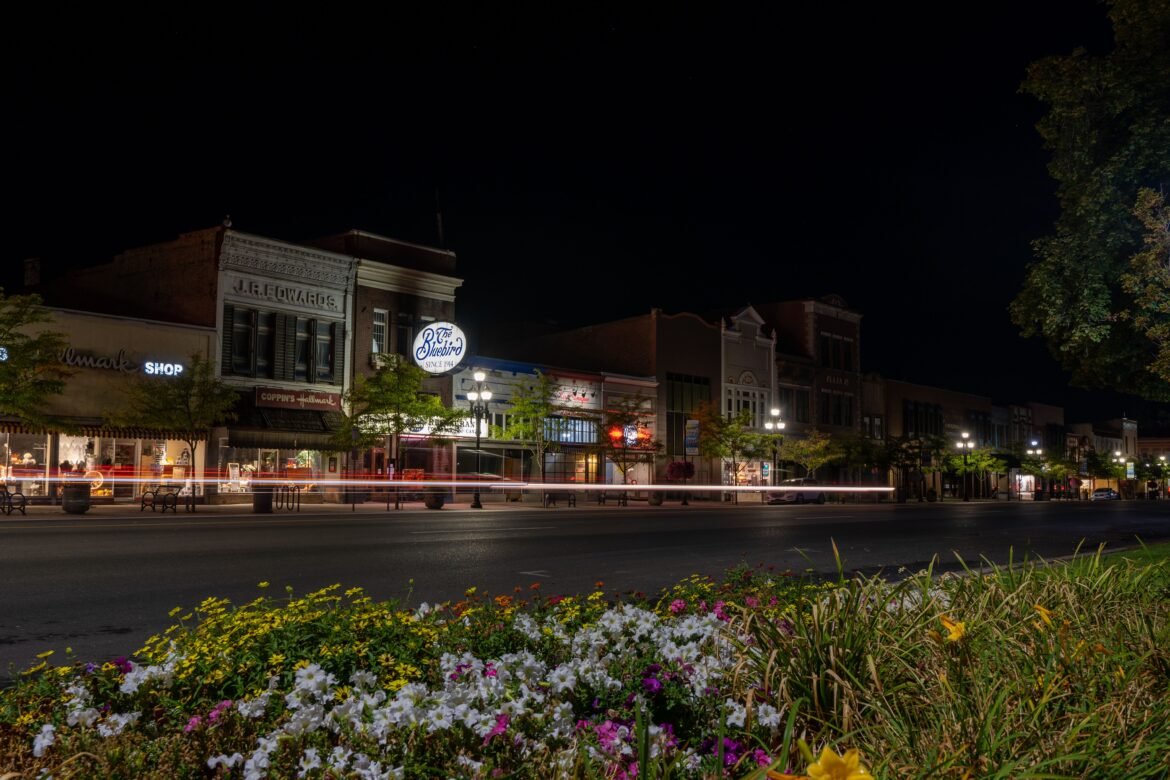
A historic downtown rewards visitors who slow down enough to notice its details. In Park City, Utah, the local historic sites inventory includes more than 400 designated landmark and significant sites, and its Main Street Historic District was added to the National Register of Historic Places in 1979. That heritage gives a day of browsing, eating, and wandering an extra layer of interest. Whether you have a whole afternoon or just a few free hours, the most enjoyable visit usually combines a loose plan with enough room to follow your curiosity.
Begin With the Character of the Street
Resist the urge to head straight into the first store. Walk a short stretch and pay attention to the buildings, the slope of the road, and the way older facades sit beside newer businesses. Decorative windows, unusual doorways, and faded architectural details can tell a story long before you read a sign.
Starting this way also helps you understand the district’s layout. You can spot inviting stops, notice where the walking gets steeper, and decide which places deserve a return visit. Arriving earlier in the day may offer quieter moments, although crowds depend on the season and local events.
Choose a Convenient Base for Exploring
A pleasant day becomes easier when you are not repeatedly worrying about your car or rushing across town between activities. If you are staying nearby, consider whether your accommodation puts restaurants, galleries, and shopping within comfortable walking distance.
For visitors exploring the Park City Main Street Historic District, iTrip offers vacation rentals near the historic corridor, including condos, townhomes, and private residences. These options can work as a convenient base for travelers who want time to explore on foot, return for a break, and head out again without rebuilding the day’s plans around transportation.
Even if you are only visiting for the day, check parking arrangements and any available transit options beforehand. Removing that uncertainty lets you concentrate on the street itself.
Walk With a Plan, but Leave Gaps
Compact districts can be surprisingly tiring. Short distances become longer when you stop at every window, double back for a photograph, or climb a hill to see what lies ahead.
Wear comfortable shoes and dress in layers if the weather is changeable. Begin at one end of the district rather than zigzagging repeatedly, and give yourself permission to rest when you find a welcoming place to sit.
One of the pleasures of exploring a neighborhood on foot is noticing places you might miss from a vehicle. An interesting storefront or a view between buildings can become the best part of the visit. A route should guide you, not prevent these discoveries.
Give the History More Than a Passing Glance
The historic setting is not merely scenery behind the shops. Older commercial buildings often reveal what a district once valued, how people worked, and which features communities chose to preserve.
Look for plaques, architectural details, and differences between adjoining facades. A narrow storefront may suggest an earlier pattern of small businesses, while restored materials can reveal how buildings adapt to modern use.
You do not need an organized tour to enjoy these clues. Ask yourself what seems original, what looks altered, and why certain structures have been protected. That small shift in attention turns an ordinary walk into a richer experience without making it feel like homework.
Mix Shopping With Art and Unexpected Stops
A full afternoon of browsing similar stores can start to feel repetitive. Instead, change the rhythm. Visit a boutique, pause for a drink, step into a gallery, then spend a little time outdoors before moving on.
Art spaces are especially rewarding when you give yourself permission not to understand or admire everything. Rather than racing past every display, take time to look closely at one work and decide what catches your attention. Color, texture, subject, or an unfamiliar technique can spark a better memory than a quick photograph of the entire room.
Leave room for an unexpected discovery. The shop you did not plan to enter may end up being the one you remember.
Let Meal Times Shape the Afternoon
Food is part of the experience, but it helps to think about timing before hunger makes every decision urgent. Consider an early lunch if you expect crowds, or plan a leisurely meal after your first round of exploring.
A smaller coffee or snack stop can make the day feel relaxed without taking up the whole schedule. If your group has different preferences, agree on a general budget and dining style before everyone becomes hungry and impatient.
Remember to drink water, particularly when walking at elevation or in dry conditions. A good meal should give you energy for the next stretch, not make the afternoon feel finished before it has really begun.
Build in Downtime for Different Travel Styles
Not everyone enjoys a district in the same way. One person wants architecture and galleries; another wants food, photographs, or a few favorite shops. A rigid itinerary can make those differences feel like a problem.
Choose a couple of shared priorities and allow some independent browsing when appropriate. Families may appreciate shorter activity stretches, while groups of friends may prefer a planned meeting point after exploring separately.
Rest stops are useful rather than wasted time. Sitting for ten minutes can reset the mood, especially when hills, crowds, or changing temperatures make walking more demanding than expected.
Finish With a Moment Worth Remembering
Before leaving, make one more unhurried pass through the area. Notice how the light changes across the buildings or how the street feels different as people gather for the evening. You might return to a gallery, enjoy dessert, or simply pause somewhere with a good view.
A memorable downtown visit rarely depends on fitting in every attraction. It comes from combining a little preparation with enough freedom to appreciate what is around you. Walk comfortably, notice the history, balance browsing with breaks, and leave room for surprises. You will come away with more than shopping bags: a clearer sense of why the place has character in the first place.