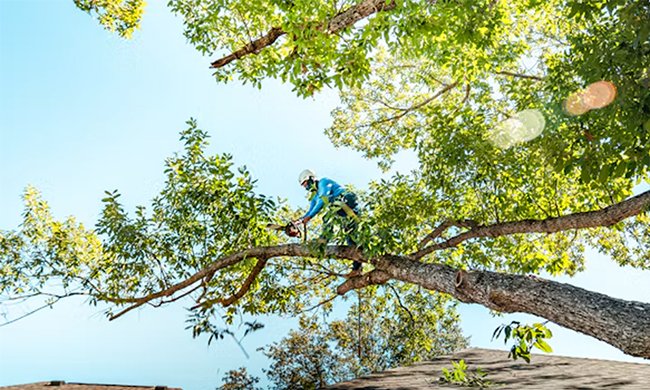
Trees are an essential part of a healthy outdoor environment because they provide shade, improve air quality, support wildlife, and contribute to the beauty of residential and commercial properties. However, keeping trees healthy and structurally sound requires regular attention, suitable growing conditions, and responsible maintenance practices. Over time, branches may become damaged, canopies may grow unevenly, and certain parts of a tree may develop diseases or structural weaknesses. Without proper care, these problems can affect the tree’s appearance, interfere with nearby structures, and create potential safety concerns. Understanding how trees grow and what they need throughout their lives helps property owners make better decisions about landscape maintenance. Professional tree pruning can be especially beneficial when damaged branches need to be removed or when a tree requires careful structural management. With consistent care and appropriate techniques, property owners can protect their trees, improve outdoor safety, and maintain attractive surroundings for years to come.
Understanding the Importance of Healthy Trees
Healthy trees contribute to the overall quality of outdoor spaces in several important ways. Their canopies provide shade during warm weather, help reduce direct sunlight on buildings, and create comfortable places for outdoor activities. Trees also provide food and shelter for birds, insects, and other wildlife, supporting the natural balance of the surrounding environment. When trees are maintained properly, they can remain valuable landscape features for many decades, depending on their species and growing conditions. However, tree health depends on several factors, including soil quality, water availability, sunlight, root development, and protection from damaging pests. Trees growing in compacted soil or restricted spaces may struggle to obtain sufficient nutrients and moisture. Environmental stress, severe weather, and physical damage can also affect their development over time. Regular inspections allow property owners to identify potential problems before they become more serious. By understanding the needs of individual trees, homeowners can provide appropriate care and preserve the natural benefits that healthy vegetation brings to their outdoor surroundings.
Recognizing Signs of Poor Tree Health
Trees often show visible signs when their health or structural condition begins to decline. These warning signs may include dead branches, discolored leaves, unusual leaf loss, peeling bark, fungal growth, or cracks along the trunk. Some trees may also develop thin canopies or produce less new growth than expected during the growing season. Although these symptoms can have different causes, they indicate that the tree may benefit from closer inspection and appropriate care. Not every sign of decline means that a tree is dying or needs extensive intervention. Seasonal changes, temporary drought, and natural growth patterns can sometimes produce symptoms that appear concerning but do not indicate a serious problem. However, extensive decay, large broken limbs, significant trunk cracks, and sudden changes in the tree’s position deserve prompt attention. A qualified arborist can assess the tree’s condition and determine whether treatment, selective branch removal, or another maintenance approach is appropriate. Identifying problems early often provides more options for protecting the tree and reducing potential hazards around the property.
Why Regular Branch Maintenance Matters
Branches play an important role in supporting the overall structure of a tree, but damaged, crossing, or poorly positioned growth can sometimes create problems. Dead branches may fall unexpectedly, while rubbing branches can develop wounds that provide opportunities for disease or decay. Excessive growth near buildings may also interfere with roofs, gutters, windows, and outdoor walkways. Regular assessment helps identify which branches require attention and whether selective cutting could improve the tree’s structure. Proper tree pruning focuses on removing specific branches for a clear purpose rather than cutting away large amounts of growth without consideration. Carefully selected cuts can improve branch spacing, remove damaged sections, and help maintain suitable clearance around structures. However, excessive removal of healthy foliage may weaken the tree because leaves are essential for producing the energy needed for growth. A suitable maintenance plan considers the tree’s age, species, health, and natural shape. This balanced approach helps preserve the tree’s appearance while addressing practical safety and maintenance requirements.
Choosing Suitable Maintenance Techniques
Different trees require different maintenance techniques because their growth patterns, branch structures, and responses to cutting vary. Cleaning focuses on removing dead, diseased, broken, or poorly attached branches, while selective thinning may improve spacing within a dense canopy. Raising involves removing selected lower branches to create clearance for people, vehicles, or other activities. Crown reduction may sometimes be appropriate when a tree’s size needs to be managed, but it should be performed carefully to preserve the tree’s natural structure. The correct technique depends on the reason for the work and the condition of the tree. Removing large branches without understanding how they support the canopy can create structural weaknesses and encourage poorly attached regrowth. Topping, which involves cutting major branches back to stubs, is generally discouraged because it can damage the tree and lead to future maintenance problems. Proper cuts should be made in suitable locations to minimize unnecessary injury and support natural wound closure. When a tree requires extensive work, professional guidance helps ensure that the chosen technique is appropriate for its long-term health.
Understanding the Best Time for Tree Maintenance
The timing of tree maintenance can influence how effectively a tree recovers and continues to grow. For many deciduous species, dormant-season work allows the branch structure to be inspected more easily because the leaves have fallen. Some trees, however, respond better to maintenance at different times, depending on their flowering patterns, growth habits, and susceptibility to particular diseases. Understanding these differences helps property owners avoid unnecessary stress and preserve the tree’s natural development. Urgent problems should not be ignored simply because the season is not ideal for routine maintenance. Broken branches, hanging limbs, and damaged sections that threaten people or property may require immediate professional assessment. Storm damage can also create hazards that need to be addressed promptly, especially when large branches are suspended above frequently used areas. A qualified arborist can recommend suitable timing based on the species and the purpose of the work. Following an informed schedule helps maintain tree health while reducing the risks associated with damaged or unstable growth.
Protecting Buildings and Surrounding Structures
Trees growing near buildings can create maintenance challenges as their branches and roots develop. Branches that extend over roofs may scrape surfaces, block gutters, or interfere with drainage systems. Dense growth near windows can reduce natural light, while low branches may obstruct pathways and outdoor seating areas. Roots can also affect certain paved surfaces or underground installations, depending on the tree species, soil conditions, and available growing space. Property owners should assess these issues carefully before deciding how to manage the tree. In many cases, selective branch maintenance or adjustments to the surrounding landscape may resolve the problem without requiring major intervention. Tree pruning can help create suitable clearance around buildings while preserving healthy portions of the canopy. However, large branches near electrical wires should never be handled by untrained individuals because the risks can be severe. Qualified professionals can evaluate the situation and recommend an appropriate solution that considers the safety of the property and the long-term health of the tree.
Supporting Strong Growth in Young Trees
Young trees benefit from suitable growing conditions and careful attention during their early development. Establishing a strong structure while the tree is still small can reduce the need for extensive corrective work later in its life. Property owners should monitor the development of the main trunk, identify competing leaders when appropriate, and look for branches that may eventually create structural conflicts. Early maintenance should remain limited and purposeful because young trees need sufficient foliage to produce energy and establish healthy growth. Watering, mulching, and protecting the root zone are also important parts of caring for young trees. Newly planted specimens may require additional water during dry periods, although the appropriate amount depends on the species, soil, and weather conditions. A suitable layer of mulch can help conserve moisture and moderate soil temperature when it is kept away from direct contact with the trunk. Avoiding unnecessary soil compaction and mechanical damage can further support healthy root development. By combining appropriate growing conditions with occasional professional assessment, property owners can help young trees develop into strong and attractive landscape features.
Maintaining Mature Trees Safely
Mature trees often provide substantial shade, visual interest, and environmental benefits, making their preservation valuable whenever practical. However, older trees may develop dead branches, internal decay, structural weaknesses, or other conditions that require careful evaluation. Their size can make maintenance more complicated because branches may extend over buildings, fences, roads, and outdoor gathering areas. A professional assessment helps identify which parts of the tree require attention and whether the proposed work can be completed safely. Maintenance for mature trees should generally focus on specific needs rather than changing their natural shape unnecessarily. Removing dead wood, addressing selected structural problems, and managing branches that interfere with nearby structures may help maintain a tree’s condition. Excessive cutting can reduce the tree’s energy production and increase stress, especially when it is already affected by disease or environmental damage. In cases involving severe decay or significant instability, an arborist may recommend additional measures after evaluating the risks. Careful decisions help balance tree preservation with the need to protect people and property.
Preventing Common Tree Care Mistakes
One common mistake is removing too much foliage in a single session because the tree appears overgrown. Heavy cutting can reduce the leaf area needed for energy production and may trigger the development of weak shoots. Another mistake is cutting branches without understanding their attachment points, which can damage the trunk or leave wounds that are more difficult for the tree to manage. Using unsuitable tools can also produce rough cuts and increase the chance of accidental injury during the work. Property owners should avoid climbing unstable trees or using chainsaws at height without appropriate training and equipment. Large branches can be unpredictable when cut because their weight, tension, and position influence how they move. Attempting to remove them without a proper plan can cause serious injuries or damage nearby structures. It is also important to avoid treating every irregular branch as a problem, since natural growth patterns do not always require correction. Understanding the purpose of maintenance and seeking professional help when necessary can prevent avoidable damage and support healthier tree development.
The Environmental Benefits of Responsible Tree Care
Trees provide environmental benefits that extend well beyond their visual appeal. They store carbon, offer shade, support wildlife, and contribute organic material to the soil as leaves and small branches break down naturally. Their root systems can help stabilize soil, while their canopies may reduce the intensity of direct sunlight reaching outdoor surfaces. Preserving healthy trees therefore supports both the appearance and ecological value of residential and commercial landscapes. Responsible maintenance involves considering these benefits before removing healthy growth. Not every branch needs to be cut simply to achieve a uniform shape, and excessive intervention can reduce available habitat for birds and other wildlife. When tree pruning is necessary, focusing on damaged or problematic branches can help retain as much healthy canopy as possible. Property owners should also consider whether a tree provides important shade or shelter before making significant changes. Where a tree must eventually be removed for safety reasons, planting a suitable replacement can help restore some of its environmental value over time.
Preparing Trees for Severe Weather
Strong winds, heavy rainfall, and storms can place considerable pressure on branches and root systems. Trees with existing structural weaknesses may be more vulnerable to damage, although even healthy trees can lose branches during extreme weather. Preparing the landscape in advance includes inspecting trees for dead wood, monitoring signs of instability, and arranging professional attention when significant concerns are identified. Maintaining clear access routes and securing loose outdoor objects can also help reduce risks during severe weather. Preventive maintenance cannot guarantee that a tree will remain undamaged during extreme conditions, but it can help identify certain avoidable hazards. Property owners should avoid attempting to cut large branches immediately before a storm if conditions are unsafe or if the work requires specialized skills. After severe weather, trees with split trunks, hanging branches, or exposed roots should be approached cautiously. If a tree or branch has contacted electrical wires, people should remain clear and contact the appropriate utility provider. Professional assessment helps determine which damage can be managed safely and whether additional action is required.
Understanding Professional Tree Care Costs
The cost of tree maintenance varies according to the size of the tree, the number of branches involved, accessibility, and the complexity of the work. A small tree with a few damaged branches may require relatively little time, while a mature tree positioned close to buildings may need additional equipment and safety precautions. Dense canopies, difficult access, and branches located near electrical infrastructure can also increase the amount of planning and labor required. Customers should understand these factors before comparing quotations. When requesting an estimate, property owners should describe the tree’s condition and explain the work they believe is necessary. A professional may need to inspect the tree before providing an accurate price, particularly when large branches or structural concerns are involved. The estimate should clarify whether branch collection, debris removal, and final cleanup are included. Customers should also ask whether additional charges may apply if unexpected conditions are discovered. Comparing quotations based on the same scope of work helps property owners evaluate the service fairly and avoid choosing a provider solely because of a low initial price.
Selecting a Reliable Tree Care Professional
Choosing a qualified professional is important when work involves mature trees, damaged branches, or difficult access conditions. Customers should look for relevant training, suitable insurance, practical experience, and clear safety procedures. A dependable provider should explain the purpose of the proposed work and identify any risks associated with the tree’s condition or location. They should also be willing to discuss alternatives when preserving the tree may be possible. Before agreeing to the project, request a written estimate that explains the work to be completed, the expected schedule, and the cleanup arrangements. Ask whether the company has experience with the particular tree species or structural problem involved. If the work may affect protected trees or wildlife, confirm whether additional permissions or precautions are required. Clear communication helps establish realistic expectations and reduces the likelihood of misunderstandings. Selecting a provider based on qualifications and responsible practices can protect the tree, the property, and the people involved.
Creating a Long-Term Tree Maintenance Schedule
A long-term maintenance schedule allows property owners to monitor their trees consistently rather than waiting until a visible problem becomes urgent. Regular inspections can help identify dead branches, unusual growth, pest activity, and changes in the surrounding soil. The frequency of inspections should reflect the age, condition, species, and location of each tree. Trees near buildings or frequently used outdoor areas may require closer attention than specimens growing in open spaces with fewer potential hazards. Keeping a record of previous inspections and maintenance work can make future decisions easier. Property owners can note when damaged branches were removed, whether a disease was identified, and how the tree responded after treatment. These records may help an arborist recognize recurring problems and recommend suitable next steps. A practical schedule should also allow for additional inspections after severe weather or nearby construction. Consistent monitoring, sensible maintenance, and timely professional advice help preserve healthy trees and reduce the likelihood of unexpected expenses.
Conclusion
Maintaining strong trees and protecting the outdoor environment requires a combination of regular inspections, appropriate growing conditions, and responsible maintenance decisions. Recognizing signs of declining health, managing damaged branches, protecting roots, and understanding seasonal requirements can help property owners support healthy growth. It is equally important to avoid excessive cutting and to seek qualified advice when a tree presents structural concerns or creates hazards near buildings and frequently used spaces. Professional tree pruning can provide valuable support when branches need specialized attention or when the work involves mature trees and difficult access conditions. By choosing qualified professionals, understanding the proposed work, and following suitable aftercare practices, property owners can preserve healthy trees while improving the safety and appearance of their surroundings. A long-term maintenance plan also helps identify developing problems and keeps outdoor spaces more manageable. With thoughtful care and informed decisions, trees can continue to provide shade, beauty, wildlife habitat, and environmental benefits for many years.