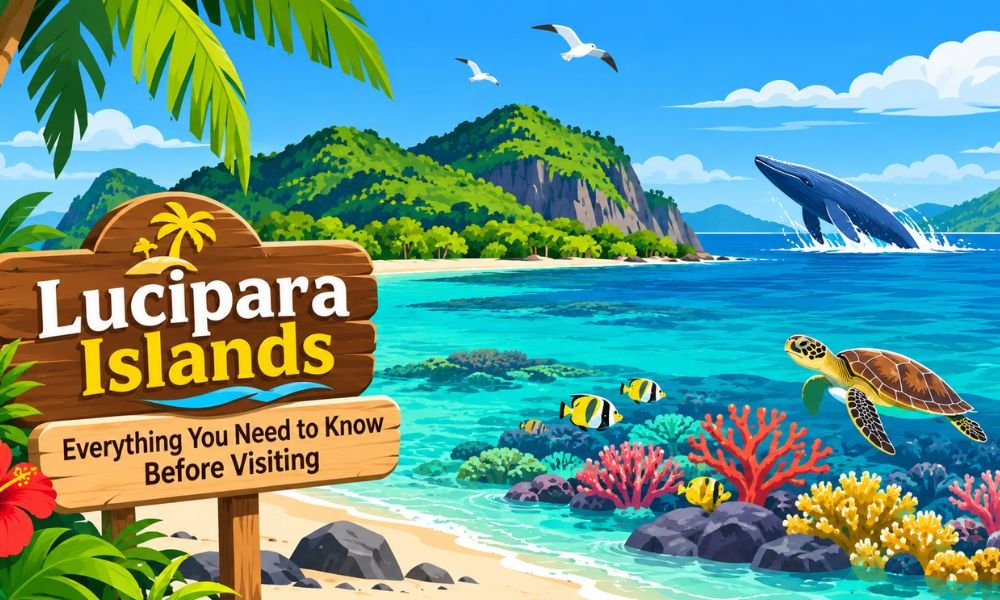
Imagine waking up on a boat in the middle of a deep blue sea. There are no busy streets or large hotels nearby. Instead, you see beautiful islands and clear water. A giant blue whale may even swim past your boat.
This is what makes Lucipara such a special place. These remote islands in Indonesia are full of natural beauty. They offer colorful coral reefs and amazing sea life. Yet many people around the world have never heard of them.
Are you planning an ocean trip in 2026? Or do you simply enjoy learning about hidden places? In this article, we will explore the islands and their history. We will also learn about travel plans and the best things to see.
What Are the Lucipara Islands?
The Lucipara Islands are a small group of coral islands in Indonesia. They are known for their white sandy beaches and clear blue water. Unlike popular beach towns, these islands have no large resorts or busy shopping areas.
The islands also have an interesting past. A Portuguese explorer named Francisco Serrão once became stuck on the reefs with his crew. They were searching for the famous Spice Islands. Today, this story remains part of the area’s rich history.
A few families once lived on these islands. Records from 2010 mentioned four families living on Maisel Island. Recent travel reports describe the islands as having no permanent residents. However, local fishers still visit the area from time to time.
Where Are the Lucipara Islands Located?
Lucipara is located in the Banda Sea in eastern Indonesia. The islands belong to the Maluku region. They are far from famous tourist places like Bali and Jakarta. Ambon is a common place to begin a trip there.
Bingkudu and Kadola are among the islands found in this remote area. Maisel Island is also part of the island group. These islands have sandy beaches and green trees. Much of their true beauty lies beneath the water.
The islands sit above huge underwater mountains. In some areas, the ocean reaches depths of thousands of meters. The steep reef walls bring deep ocean life close to shallow water. This makes the area an exciting home for many fish.
How to Reach Lucipara Islands
Getting to Lucipara takes more planning than visiting a normal beach. Most travelers begin their journey in Ambon. From there, they join a special boat trip. These boats carry food and other supplies needed for several days at sea.
One group of travelers reached Bingkudu after sailing for around 14 hours from Ambon. However, travel times can change based on the weather and boat speed. Some trips also include stops at other beautiful islands along the way.
There are no large hotels or regular tourist boats here. Most visitors sleep on a liveaboard boat during their trip. These boats have rooms and places to eat. Always choose a trusted boat company with experience in the Banda Sea.
You may also read: Jake Gyllenhaal and Chris Crane: Everything You Need to Know
Best Time to Visit Lucipara
The best time to visit Lucipara depends on the weather and sea conditions. Many boat trips take place between March and May. September to November is another popular travel period. These months may offer better conditions for ocean trips.
Calm water makes long boat rides more comfortable. It can also make diving and snorkeling more enjoyable. Clear water helps visitors see colorful fish and coral reefs. However, strong winds and large waves can change travel plans very quickly.
If you plan to visit in 2026, speak with your boat company before booking. Ask about the weather and planned travel route. Keep a few extra days free if possible. This can help if your boat trip faces delays.
Blue Whales Near Lucipara Islands
One of the most exciting things about Lucipara is the chance to see blue whales. These giant animals travel through the Banda Sea. They are the largest animals on Earth. Seeing one in the wild can be a wonderful experience.
During one ocean trip, travelers saw around six blue whales feeding in the same area. They also spotted a large manta ray nearby. Some whales were seen lifting their tails high before diving deep into the blue ocean.
Ocean currents bring food into these waters. This helps tiny sea creatures grow and provides food for whales. One trip report suggested that whales were feeding around 300 meters deep. Visitors should always watch whales from a safe distance.
Amazing Marine Life Around Lucipara
The underwater world of Lucipara is full of color and life. Large groups of surgeonfish and unicornfish swim along the coral walls. Visitors may also spot tuna and barracuda. The large Napoleon wrasse is another amazing fish found here.
Sea turtles are also an important part of island life. Some rest near coral reefs while others visit sandy beaches to lay eggs. Green turtles have been spotted resting inside small underwater caves. Sadly, turtle hunting remains a concern.
The islands are also home to seabirds such as red-footed boobies and lesser frigatebirds. These birds often feed near groups of tuna. Their waste brings helpful nutrients to nearby reefs. This shows how birds and fish help each other survive.
Diving and Snorkeling in Lucipara
Diving is one of the best ways to enjoy Lucipara. The islands have beautiful coral gardens and huge underwater walls. These walls drop deep into the ocean. Divers can see large groups of fish swimming freely around the colorful reefs.
The water can be very clear when the weather is good. Some divers have reported seeing up to 40 meters ahead. Large sea sponges also grow along the walls. These sponges provide safe homes for many small sea animals.
Night diving offers a different kind of adventure. Divers may see rare flashlight fish that glow in the dark. Snorkeling is also fun near shallow reefs. However, strong currents and deep water make some areas unsuitable for new divers.
Fishing Adventures in Lucipara
Lucipara is also an exciting place for fishing lovers. The deep waters and healthy reefs support many large fish. Giant trevally is one of the most popular catches. Other fish include dogtooth tuna and triggerfish as well as barracuda.
Saltwater fly fishing is another popular activity around these islands. People use special fishing rods and light lures to catch fish. Local guides can help visitors find suitable fishing spots. They also understand the changing tides and ocean currents.
Fishing should always be done with care. Catch-and-release fishing can help protect fish numbers. Fish should be handled gently and returned to the water quickly. Visitors must also check local fishing rules before planning any fishing trip around the islands.
How to Stay Safe During Your Visit
Visiting these remote islands requires careful planning. There are no nearby hospitals or large shops. Getting medical help can take many hours. Choose a boat that carries emergency oxygen and first aid supplies. Good safety equipment is also important.
Pack everything you may need before leaving Ambon. Bring a sun hat and comfortable clothes. A waterproof bag and reusable water bottle are also useful. Travel insurance that covers diving and emergency transport can help if something goes wrong.
Always listen to your guide before entering the water. Ocean currents can become strong without warning. Never swim or dive alone. Stay close to your group and follow safety rules. A safe trip is much better than a risky adventure.
Protecting the Lucipara Islands
The natural beauty of Lucipara needs protection. Although the islands are far from busy cities, they still face several dangers. Illegal fishing and turtle hunting can harm marine life. Plastic waste can also reach these beaches from distant places.
Warmer ocean water is another serious problem. High water temperatures can damage coral and cause it to lose its color. Healthy coral reefs provide homes for thousands of sea animals. Protecting these reefs helps keep the entire ocean healthy.
Marine protection efforts aim to keep these waters safe. Visitors can help by avoiding single-use plastic and never touching coral. Boats should avoid dropping anchors on reefs. Everyone should respect nesting turtles and follow local rules when exploring the islands.
You may also read: Jessica Craig: Everything to Know About Clay Walker’s Wife and Their Children
Conclusion
Lucipara is a wonderful place for people who love the ocean. Its clear water and colorful reefs make it truly special. The chance to see blue whales and sea turtles adds even more excitement to this remote island adventure.
Travelers can also explore other beautiful places during their journey. Gunungapi is known for its sea snakes and underwater walls. Alor offers healthy coral reefs. The Banda Islands are famous for their rich history and beautiful underwater world.
If you plan to visit Lucipara in 2026, prepare well and choose a trusted boat company. Respect the wildlife and leave nothing behind. These beautiful islands remind us how amazing nature can be when we give it room to thrive.
(FAQs)
What is Lucipara famous for?
Lucipara is famous for its colorful coral reefs and deep blue water. The islands are also known for sea turtles and large fish. Visitors may even spot blue whales while traveling through the Banda Sea.
Where are the Lucipara Islands located?
The Lucipara Islands are located in the Banda Sea in eastern Indonesia. They belong to the Maluku region. The islands are far from busy tourist places and are usually reached by boat from Ambon.
Does anyone live on the Lucipara Islands?
Recent travel reports suggest that no one lives permanently on the islands. However, a few families lived there in the past. Local fishers still visit the islands to catch fish in the surrounding waters.
Can you see blue whales near Lucipara?
Yes, blue whales have been spotted near Lucipara. One group of travelers saw around six blue whales feeding in the same area. However, whale sightings depend on ocean conditions and are never guaranteed.
How long does it take to reach Lucipara from Ambon?
One reported boat journey from Ambon to Lucipara took around 14 hours. The actual travel time depends on boat speed and weather conditions. Most visitors travel on liveaboard boats or private boats.
What is the best time to visit Lucipara in 2026?
March to May and September to November are common travel periods. These months may offer calmer seas and better diving conditions. However, travelers should always check the weather with their boat company before booking.
Are there sharks around the Lucipara Islands?
Yes, reef sharks have been reported around the islands. Other large sea animals include tuna and barracuda. Visitors should remain calm around sharks and never try to touch or feed them.
Is Lucipara safe for beginner divers?
Lucipara is generally better suited to experienced divers. The islands have strong currents and deep underwater walls. Beginners should only explore suitable shallow areas with trained guides and proper safety equipment.
Are there hotels or restaurants in Lucipara?
No, Lucipara does not have large hotels or regular restaurants. Most visitors sleep and eat on liveaboard boats. Travelers should bring all their personal supplies before leaving Ambon.
Why are the Lucipara Islands important to nature?
Lucipara provides a home for sea turtles and many kinds of fish. Its beaches also support nesting seabirds. Protecting these islands helps keep coral reefs healthy and allows marine animals to survive for future generations.
You may also read: Who Is Elisha Wilson? Meet Michael Beach’s Wife