Introduction: Why Timely Boiler Repairs Are Essential
A properly functioning boiler is an important part of maintaining a comfortable and reliable indoor environment. Whether used for residential heating, hot water production, or commercial applications, boilers play a significant role in everyday comfort and building operations. Like other mechanical systems, however, boilers can develop problems over time because of regular use, aging components, pressure irregularities, leaks, and insufficient maintenance. Even a minor fault can affect heating performance, increase energy consumption, or lead to unexpected system interruptions. Understanding the importance of timely repairs can help property owners avoid unnecessary inconvenience and maintain dependable heating throughout the year.
Boiler problems do not always appear suddenly. In many cases, warning signs develop gradually, including unusual noises, inconsistent water temperatures, reduced heating performance, leaking connections, and unexpected increases in energy bills. Ignoring these symptoms may allow a relatively manageable issue to become more complicated. For example, a faulty pump, malfunctioning thermostat, or pressure-related problem can affect the operation of other heating components if left unresolved.
Professional boiler repair services help identify the source of these problems and restore the system to appropriate working condition. Experienced technicians inspect important components, diagnose faults, recommend suitable repairs, and check system performance after completing the work. Whether a boiler is experiencing a minor operational issue or a more serious mechanical failure, professional attention can help improve reliability, efficiency, and safety. Understanding common boiler problems, repair procedures, and maintenance requirements allows homeowners and commercial property managers to make informed decisions about their heating systems.
Understanding How a Boiler System Works
A boiler is a heating appliance designed to transfer heat to water or another suitable heating medium. In many residential systems, the heated water circulates through radiators, underfloor heating systems, or other distribution components to provide warmth throughout the building. Boilers may also supply hot water for everyday activities, depending on their configuration.
Different boiler types operate using different designs and technologies. Combi boilers provide heating and hot water through a compact system, while conventional boilers generally work with separate storage tanks and additional components. System boilers incorporate several major heating components within the main unit and are often used where greater hot water storage capacity is required.
Although their configurations differ, most boiler systems rely on several important components working together. These may include a heat exchanger, circulation pump, expansion vessel, pressure controls, thermostat, valves, sensors, and electronic control equipment. Problems involving any of these components can influence the system’s overall performance.
Understanding the basic operation of a boiler makes it easier to recognize when something is not working correctly. For example, a boiler that operates but fails to distribute heat evenly may have a circulation-related problem, while one that repeatedly loses pressure may require investigation for leaks or component faults. Professional diagnosis helps identify the actual cause instead of relying on assumptions or temporary adjustments.
Common Signs That Your Boiler Needs Professional Repair
Recognizing early warning signs is essential for preventing boiler problems from becoming more serious. One of the most common indicators is inconsistent heating. If radiators remain cold, rooms take longer than usual to warm up, or the heating system frequently switches off, there may be an issue with circulation, controls, sensors, or another internal component.
Unusual noises are another important warning sign. Boilers may produce clicking, banging, whistling, humming, or gurgling sounds when something is not operating properly. Some noises can be associated with trapped air or circulation problems, while others may indicate component wear, restricted water flow, or internal mechanical faults. Persistent or unfamiliar sounds should be investigated by a qualified technician.
Water leaks around the boiler or connected pipework should never be ignored. Even a small leak can affect system pressure and potentially damage nearby surfaces, electrical equipment, or structural materials. Visible moisture, corrosion, or water stains around connections may indicate a developing problem.
Unexpected pressure changes can also signal trouble. Many sealed heating systems operate within a manufacturer-specified pressure range. If the pressure repeatedly drops or rises beyond the recommended level, the cause may involve a leak, expansion vessel issue, pressure relief valve, or another system fault.
Other warning signs include repeated error codes, difficulty starting the boiler, inconsistent hot water, unusual odors, and increased energy consumption. If a carbon monoxide alarm activates or a suspected gas leak occurs, leave the affected area, avoid operating electrical switches, and contact the appropriate emergency service or qualified gas professional immediately.
Common Boiler Problems and Their Possible Causes
Boilers can experience several different types of mechanical and operational problems. Understanding these issues helps property owners recognize why professional diagnosis is important.
One common problem is low system pressure. Heating systems require appropriate pressure to circulate water effectively. A pressure drop may occur because of a leak, a faulty pressure relief valve, or an issue involving the expansion vessel. Simply increasing the pressure without identifying the underlying cause may provide only temporary improvement.
Another common issue involves a malfunctioning thermostat. If the thermostat does not accurately detect room temperature or communicate with the boiler, the heating system may fail to operate according to the selected settings. Faulty sensors or control connections can produce similar symptoms.
Circulation pump problems can also affect heating performance. The pump moves heated water through the system, and a fault may result in cold radiators, uneven heating, or unusual operating noises. A professional inspection can determine whether the pump requires servicing or replacement.
Heat exchanger deterioration is another concern, particularly in older or heavily used systems. Mineral deposits, corrosion, and internal damage can reduce heat transfer efficiency and affect performance. Depending on the condition and boiler design, repair or replacement may be necessary.
Ignition and electronic control faults can prevent a boiler from starting or maintaining operation. These problems may involve sensors, ignition components, wiring, or control boards. Because these components are essential to safe operation, repairs should always be handled by appropriately qualified professionals.
The Importance of Professional Boiler Repair
Although certain heating issues may appear simple, boiler systems involve gas connections, electrical components, hot water, pressure controls, and safety mechanisms. Attempting repairs without the necessary training can create serious risks and may cause additional damage.
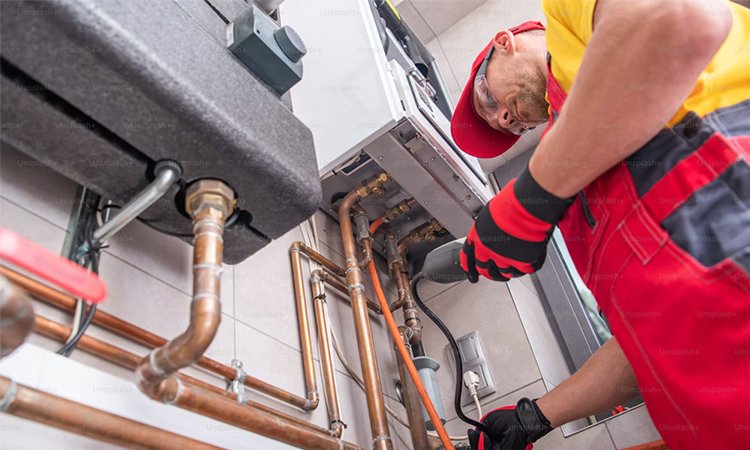
Professional technicians have the knowledge and equipment needed to investigate boiler faults systematically. They can examine error codes, inspect relevant components, test system performance, and identify the source of an operational problem. This helps ensure that the repair addresses the actual cause rather than temporarily hiding the symptoms.
Another important advantage is safety. Boilers that operate using gas or other combustion fuels require suitable ventilation, exhaust arrangements, and functioning safety controls. Qualified professionals can assess these aspects according to the appliance specifications and applicable regulations.
Professional repair can also help maintain efficiency. A system with faulty controls, poor circulation, or deteriorating components may use more energy than necessary. Correcting these problems can help restore normal performance and reduce avoidable operating costs.
In addition, qualified service providers can explain whether a repair is economically sensible or whether replacing an aging boiler would be a more practical long-term decision. Their assessment can help property owners avoid spending money repeatedly on a system that is approaching the end of its useful life.
Understanding the Professional Boiler Repair Process
A reliable boiler repair service generally begins with a detailed assessment of the system. The technician asks about the symptoms, reviews any displayed error codes, and examines the boiler’s operating history where information is available. Understanding when the problem started and how frequently it occurs can provide useful diagnostic information.
The next stage involves inspecting the relevant components. Depending on the symptoms, the technician may evaluate system pressure, circulation, electrical controls, temperature sensors, visible pipework, and other parts of the heating system. The inspection should also consider whether external factors, such as blocked condensate drainage or restricted water flow, may be affecting operation.
Once the fault has been identified, the technician explains the recommended repair. This may involve replacing a faulty sensor, repairing a leaking connection, servicing a pump, addressing a control issue, or replacing another damaged component. The repair should follow the manufacturer’s specifications and applicable safety requirements.
After completing the work, the technician performs suitable operational checks to confirm that the boiler is functioning correctly. They may verify heating performance, hot water delivery, pressure stability, and the operation of relevant safety controls.
A final explanation of the completed work and any recommended maintenance helps property owners understand how to care for the system. Keeping service records can also be useful when future repairs or warranty claims become necessary.
Boiler Pressure Problems and Why They Should Not Be Ignored
Boiler pressure is an important factor in the operation of many sealed heating systems. If the pressure becomes too low, the system may struggle to circulate water properly or may stop operating altogether. Excessively high pressure can also create problems and may cause protective devices to release water.
Pressure changes can occur for several reasons. A small leak in the heating circuit may gradually reduce pressure, while an expansion vessel fault can affect how the system responds as water heats and expands. A malfunctioning pressure relief valve may also contribute to repeated pressure loss.
Property owners should become familiar with the normal pressure range specified in their boiler manual. However, repeated pressure fluctuations should not be treated as a routine inconvenience. They may indicate an underlying fault that requires professional attention.
A technician can inspect the system and determine whether the problem involves a leak, faulty component, or another pressure-related issue. Addressing the actual cause helps prevent recurring interruptions and protects the heating system from unnecessary stress.
The Role of Thermostats and Heating Controls
Heating controls play an important role in maintaining indoor comfort and managing energy consumption. A thermostat monitors temperature and communicates with the heating system to regulate operation. When it fails or becomes incorrectly configured, the boiler may not respond as expected.
Some common symptoms of control problems include rooms becoming too warm or too cold, heating systems switching on unexpectedly, and boilers failing to operate according to programmed schedules. Wireless thermostats may also experience communication problems, while older control systems can develop electrical or mechanical faults.
Modern heating systems may include programmable thermostats, smart controls, zone valves, and additional temperature sensors. These features allow users to adjust heating schedules and manage temperatures in different areas of a building.
If a heating control becomes unreliable, a qualified technician can assess whether the problem involves the thermostat, wiring, receiver, valve, or boiler control board. Correctly configured controls can improve comfort and help reduce unnecessary heating operation.
Property owners should also review thermostat settings and manufacturer instructions before assuming that a mechanical repair is required. However, electrical or internal boiler repairs should be left to qualified professionals.
Maintaining Boiler Efficiency and Reducing Energy Costs
A properly maintained boiler can operate more efficiently than a system affected by neglected faults, restricted circulation, or poorly functioning controls. Regular maintenance helps identify conditions that may increase energy consumption and reduce heating performance.
One important consideration is keeping the heating system clean and free from excessive deposits. Depending on the system’s design and condition, sludge, corrosion products, and mineral buildup can restrict water movement and reduce heat transfer. A qualified professional can determine whether cleaning, flushing, or additional water treatment is appropriate.
Correct thermostat settings also contribute to efficient operation. Programming heating schedules around household routines can reduce unnecessary heating when rooms are not in use. However, settings should always take account of the building’s insulation, occupant comfort, and any special health requirements.
Radiators and heating distribution components should also be checked when certain rooms remain colder than others. Trapped air, circulation restrictions, and balancing issues can affect the distribution of heat.
Insulating suitable pipework and improving building insulation may further reduce heat loss. These improvements do not replace boiler maintenance, but they can support the overall performance of the heating system.Professional servicing provides an opportunity to review system condition, identify inefficiencies, and recommend practical improvements based on the boiler’s age and configuration.
The Importance of Regular Boiler Maintenance
Preventive maintenance is one of the most effective ways to reduce unexpected boiler breakdowns. Rather than waiting until the heating system stops working, property owners can arrange routine inspections to identify developing issues and maintain safe operation.
A professional service may include examining accessible components, checking relevant controls, inspecting connections, assessing combustion performance where applicable, and reviewing the condition of the heating system. The exact service requirements depend on the boiler type and manufacturer recommendations.
Regular maintenance can help identify corrosion, leaks, loose connections, deteriorating components, and performance irregularities before they become more serious. It also provides an opportunity to assess whether the system is operating according to its intended specifications.
Boiler servicing is particularly important before periods of increased heating demand. A system that has remained unused or operated infrequently may still develop problems that become noticeable when heating is needed regularly.Property owners should maintain records of servicing, repairs, and replacement components. These documents can help technicians understand the system’s history and support future maintenance decisions.
Following the manufacturer’s recommended service intervals and using appropriately qualified professionals helps protect the appliance and its occupants.
When Should You Repair or Replace Your Boiler?
One of the most important decisions property owners may face is whether to repair an existing boiler or invest in a replacement. The correct choice depends on the appliance’s age, condition, repair history, energy performance, and availability of replacement parts.
If a boiler has developed a relatively minor fault and the remaining components are in good condition, repairing the affected part may be a practical solution. Replacing a faulty thermostat, sensor, pump, or other serviceable component can restore performance without requiring a completely new system.
However, frequent breakdowns may indicate that the boiler is becoming unreliable. If several components require replacement within a short period, repair expenses can accumulate. An older appliance with declining efficiency may also cost more to operate than a modern replacement.Availability of spare parts is another important consideration. Certain older models may become increasingly difficult or expensive to repair because compatible components are no longer readily available.
A professional technician can evaluate the condition of the existing boiler and compare likely repair costs with replacement options. Property owners should consider the expected remaining service life, efficiency, warranty coverage, installation requirements, and long-term operating costs before making a decision.
Choosing a Reliable Boiler Repair Company
Selecting a qualified repair company is essential for maintaining a safe and dependable heating system. Property owners should look for professionals with relevant training, experience, insurance, and any licenses or certifications required for the type of boiler being serviced.
Experience with the specific boiler brand and model can also be beneficial. Different manufacturers use different control systems, components, and diagnostic procedures. A technician familiar with the appliance may be better positioned to identify faults and recommend suitable replacement parts.
Transparency is another important consideration. A dependable company should explain the identified problem, discuss the proposed repair, and provide a clear estimate before carrying out additional work. Customers should understand whether the quoted price includes inspection, labor, replacement components, and follow-up checks.
Availability and response arrangements may also matter, particularly when a boiler stops working during colder weather or when a property depends heavily on the heating system. However, emergency services should still follow appropriate safety procedures rather than rushing through essential checks.It is also helpful to review customer feedback and ask about workmanship warranties. A professional company should be willing to explain the repair process, provide service documentation, and answer questions about future maintenance.
Choosing a provider based on technical competence, safety practices, and reliability can help prevent recurring faults and unnecessary expenses.
Boiler Safety: Important Precautions Every Property Owner Should Know
Boiler safety should always be a priority because heating appliances may involve combustion, hot water, electrical systems, and pressurized components. Property owners should never ignore signs of a potentially dangerous fault.
A suspected gas leak requires immediate action. Leave the affected area, avoid flames and electrical switches, and contact the appropriate gas emergency service from a safe location. Do not attempt to locate or repair the leak yourself.Carbon monoxide is another serious hazard associated with faulty fuel-burning appliances or inadequate ventilation. This gas cannot be reliably detected through smell or appearance. Installing an appropriate carbon monoxide alarm and arranging regular professional servicing are important safety measures.
If a carbon monoxide alarm activates, occupants should leave the building and seek emergency assistance. They should not re-enter until the property has been declared safe by qualified professionals.
Water leaks, unusual combustion-related noises, repeated shutdowns, and visible signs of overheating should also be investigated promptly. Internal boiler covers should not be removed by unqualified individuals, and safety devices should never be bypassed.Following manufacturer instructions, maintaining suitable ventilation, and arranging professional inspections help reduce risks and support safe operation.
Conclusion: Keep Your Heating System Reliable With Professional Boiler Repair
A properly functioning boiler is essential for maintaining indoor comfort, dependable hot water, and efficient heating. However, everyday operation, aging components, pressure changes, and mechanical wear can eventually affect performance. Recognizing warning signs such as unusual noises, leaks, inconsistent heating, pressure fluctuations, and repeated error messages allows property owners to seek professional assistance before problems become more complicated.
Professional boiler repair provides an effective way to diagnose faults, restore system performance, and address concerns involving essential components. Regular servicing also helps identify developing issues, improve efficiency, and maintain appropriate safety standards.
Choosing an experienced technician is particularly important because boiler systems involve components that require specialized knowledge and careful handling. Property owners should prioritize professional qualifications, transparent pricing, appropriate replacement parts, and reliable service documentation when selecting a repair company.
By combining timely repairs with regular maintenance and sensible energy management, homeowners and commercial property managers can protect their heating investments and reduce unexpected interruptions. Ultimately, professional attention helps keep boiler systems operating safely, efficiently, and reliably while providing the comfort and convenience that buildings depend on throughout the year.