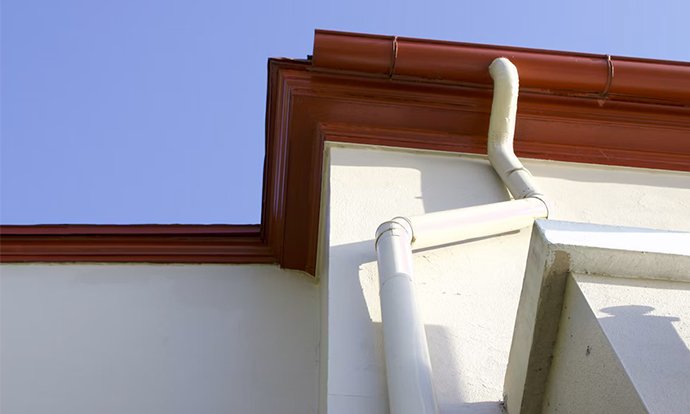
A properly functioning gutter system plays an important role in protecting residential and commercial properties from rainwater damage. Gutters collect rainwater flowing from the roof and direct it safely away from exterior walls, foundations, landscaping, and other important structural areas. When gutters become damaged, clogged, loose, or improperly aligned, water may overflow and create problems that become increasingly expensive if left unaddressed. From leaking joints and rusted sections to sagging channels and damaged downspouts, even relatively small gutter problems can affect the overall drainage performance of a building. Maintaining an effective drainage system requires regular inspections, timely repairs, and appropriate maintenance practices. Professional gutter repair services help property owners identify the source of drainage problems, restore damaged components, and prevent further deterioration. Understanding common gutter issues, repair methods, maintenance requirements, and the importance of professional workmanship can help homeowners make informed decisions and protect their properties throughout changing weather conditions.
Understanding the Importance of a Properly Functioning Gutter System
Gutters are designed to manage rainwater by collecting runoff from the roof and directing it toward suitable drainage areas. Without an effective gutter system, rainwater may fall directly around the foundation, splash against exterior walls, and accumulate near entrances or outdoor living spaces. Over time, repeated water exposure can contribute to soil erosion, foundation moisture problems, damaged landscaping, and deterioration of exterior building materials. A properly maintained drainage system helps control these risks by moving water away from vulnerable areas.
Another important function of gutters is protecting the roofline and fascia boards. When water becomes trapped inside damaged or blocked gutters, it may remain in contact with wooden components for extended periods. This can contribute to wood rot, peeling paint, mold growth, and deterioration around the roof edges. During heavy rainfall, overflowing water may also enter vulnerable areas beneath roof coverings, potentially creating interior moisture problems. Maintaining proper drainage helps reduce unnecessary exposure to water and supports the long-term condition of the roofing structure.
A functional gutter system also contributes to the overall appearance of a property. Sagging sections, visible leaks, rust stains, and overflowing channels can make an otherwise well-maintained building look neglected. Repairing these issues helps restore the appearance of exterior features while improving their practical performance. Regular attention to gutter conditions can therefore provide both structural and aesthetic benefits.
Common Gutter Problems That Require Professional Attention
One of the most common gutter problems is leakage. Leaks may develop around joints, seams, corners, fasteners, and connections between gutter sections. Over time, sealants can deteriorate due to temperature changes, moisture exposure, and natural aging. Small openings may initially allow only limited amounts of water to escape, but repeated rainfall can gradually worsen the damage. Water leaking near exterior walls or directly beneath gutter joints may indicate that the system requires inspection and repair.
Sagging gutters are another frequent concern. Gutters rely on properly positioned brackets, hangers, and fasteners to remain securely attached to the roofline. When these supports become loose, damaged, or weakened, sections of the gutter may begin to pull away from the building. Excessive weight from accumulated debris or standing water can make the problem worse. Sagging also affects the slope of the drainage channel, preventing water from flowing efficiently toward the downspouts.
Rust, corrosion, and physical damage can also reduce gutter performance. Metal gutters may develop corrosion when protective coatings deteriorate, while vinyl and plastic systems can crack or become brittle after prolonged exposure to environmental conditions. Falling branches, heavy debris, and accidental impacts may also cause dents or separation. Identifying the specific problem is important because the correct repair method depends on the gutter material, the location of the damage, and the overall condition of the drainage system.
Signs That Your Gutters Need Immediate Repair
Recognizing early warning signs can help property owners address drainage problems before they cause extensive damage. Water overflowing from the edges during rainfall is one of the clearest indications that something is wrong. Although clogged gutters are a common cause, overflowing may also result from incorrect positioning, insufficient drainage capacity, or damaged downspouts. Observing how water moves through the system during rainfall can help identify areas that require further investigation.
Visible water stains on exterior walls, peeling paint near the roofline, and damp patches around the foundation may also indicate gutter problems. When rainwater escapes from damaged sections, it can repeatedly soak nearby building materials. Over time, this moisture exposure may contribute to staining, deterioration, and other structural concerns. Homeowners should pay attention to these changes, particularly after periods of heavy rainfall.
Other warning signs include loose brackets, separated joints, visible cracks, rust spots, and unusual dripping sounds around gutter connections. Plants or weeds growing inside the channels may indicate that debris and moisture have accumulated for an extended period. If water remains standing in the gutter after rainfall, the system may have an incorrect slope or a blockage. Addressing these signs promptly can help prevent minor defects from becoming more complicated repair projects.
The Importance of Timely Gutter Repair
Delaying necessary gutter repairs can increase the likelihood of water-related damage throughout a property. When drainage channels cannot move rainwater efficiently, runoff may accumulate near the foundation and gradually affect surrounding soil conditions. Persistent moisture can contribute to foundation dampness, basement leaks, and damage to nearby paving or landscaping. The extent of the damage depends on the building’s design, soil conditions, drainage arrangement, and duration of water exposure.
Timely repairs also help protect roofing and exterior materials. Water escaping from damaged gutter sections may affect fascia boards, soffits, siding, and other components near the roofline. If moisture remains trapped in these areas, deterioration may continue even after rainfall has stopped. Repairing leaks, replacing damaged supports, and restoring proper drainage can reduce unnecessary exposure and help preserve these building elements.
Another advantage of early repairs is the opportunity to control maintenance expenses. A small leak or loose bracket may require a relatively straightforward repair, whereas neglected damage could eventually require multiple gutter sections, fascia boards, or other exterior components to be replaced. Regular inspections and prompt attention to developing problems can help property owners avoid unnecessary expenses and extend the useful life of their drainage systems.
Different Gutter Repair Methods and Solutions
The appropriate repair method depends on the type and severity of the damage. Minor leaks around joints may sometimes be addressed by cleaning the affected area and applying a compatible gutter sealant. However, the surface must be properly prepared, and the selected product should be suitable for the gutter material and environmental conditions. If the joint has separated significantly or the surrounding material is damaged, replacing the affected connector or section may provide a more dependable solution.
Loose or sagging gutters may require adjustment or replacement of supporting brackets and hangers. The installer should evaluate the attachment points and ensure that the gutter is securely connected to suitable structural components. Proper alignment is equally important because the channel must maintain an appropriate slope toward the downspout. Simply tightening a few fasteners without addressing the underlying support problem may provide only temporary improvement.
Cracked, rusted, or badly damaged sections may need partial replacement. This approach can be useful when the remaining gutter system is still in good condition. Matching the replacement material, dimensions, and profile helps maintain a consistent appearance and supports proper connections between sections. When damage is widespread, replacing the complete system may be more practical than repeatedly repairing individual areas.
How Clogged Gutters Affect Drainage Performance
Clogged gutters are among the most common causes of drainage problems. Leaves, twigs, dirt, roof granules, and other debris can accumulate inside the channels and restrict water movement. When rainwater cannot reach the downspout efficiently, it may collect inside the gutter and eventually overflow. This additional weight can also place unnecessary pressure on brackets, fasteners, and supporting structures.
Blocked downspouts can create similar problems because they prevent collected rainwater from leaving the gutter system. Debris may become trapped near the downspout opening or accumulate inside the vertical drainage pipe. Even when the main gutter channel appears relatively clean, a blocked outlet can interrupt the entire drainage process. Regular cleaning and inspection help identify these obstructions before they contribute to overflow or structural strain.
Gutter guards may help reduce the amount of leaves and larger debris entering the system, although they do not eliminate the need for maintenance. Different guard designs offer different levels of protection depending on the surrounding trees, roof type, and environmental conditions. Property owners should select compatible products and arrange periodic inspections to ensure that water can still flow freely through the channels and outlets.
Understanding Different Gutter Materials and Their Repair Requirements
Gutters are available in several materials, each with different durability characteristics and maintenance requirements. Aluminum is widely used because it is relatively lightweight, resistant to rust, and available in different styles and finishes. Aluminum gutters can provide reliable performance when properly installed, although they may become dented or damaged by physical impacts. Repairs often involve addressing loose connections, damaged sections, or deteriorated sealants.
Steel gutters are valued for their strength and ability to withstand certain types of physical stress. However, protective coatings are important because exposed steel may eventually develop corrosion when regularly exposed to moisture. Rust spots, damaged coatings, and weakened joints should be addressed before deterioration spreads across larger areas. Depending on the severity, repairs may involve protective treatments or replacing affected sections.
Vinyl gutters offer a lightweight and generally low-maintenance option. They do not rust, but prolonged sunlight exposure, temperature fluctuations, and physical impacts may cause certain products to become brittle or crack. Damaged vinyl components may require replacement rather than traditional sealing methods. Copper gutters provide a distinctive appearance and can last for many years when correctly installed, but repairs may require specialized materials and experienced workmanship. Understanding the gutter material helps ensure that the selected repair method is compatible and effective.
The Gutter Repair Inspection and Service Process
A professional repair project generally begins with a detailed inspection of the gutter system. The technician examines visible leaks, loose supports, damaged connections, rusted areas, and potential blockages. They may also assess the roofline, fascia boards, soffits, and downspouts to identify related problems that could affect drainage performance. This inspection helps determine whether the issue can be resolved through localized repairs or whether more extensive replacement work is necessary.
After identifying the problem, the contractor explains the recommended repair approach and provides an estimate for the required work. The proposed solution should consider the gutter material, the extent of the damage, accessibility, and the condition of the surrounding components. Property owners should ask whether the estimate includes cleaning, replacement materials, fasteners, sealants, and any necessary adjustments to the drainage slope.
Once the repair plan is approved, the damaged sections are addressed using appropriate materials and installation techniques. Depending on the problem, the work may include clearing debris, resealing joints, replacing brackets, correcting alignment, or installing new gutter sections. After completing the repair, the system should be inspected and tested using an appropriate method to confirm that connections are secure and water can flow toward the intended outlets.
Why Proper Gutter Slope and Alignment Matter
Correct gutter alignment is essential for effective water drainage. Gutters are generally installed with a slight slope toward the downspouts so that gravity can move collected rainwater through the system. If the slope is insufficient, water may remain inside the channels after rainfall. Standing water can encourage debris accumulation, increase the weight supported by the brackets, and contribute to deterioration over time.
An incorrect slope can also cause water to collect at the wrong end of the gutter. This may lead to overflow, leakage, and uneven loading across the supporting structure. Simply removing debris will not resolve these issues because the underlying problem involves the positioning of the gutter itself. Professional adjustment may be necessary to restore the intended drainage direction.
Alignment should also be considered when replacing or repairing individual sections. New components must connect correctly with the existing system without creating low points or gaps that interrupt water movement. The gutter should remain securely supported along its length, with appropriate spacing between brackets according to the manufacturer’s requirements. Accurate installation helps ensure consistent drainage and reduces unnecessary stress on the system.
How Gutter Problems Can Affect Your Roof and Foundation
A damaged drainage system can affect multiple parts of a building because rainwater travels beyond the gutter itself when it is not directed properly. Overflowing water may repeatedly soak the roof edge, fascia boards, and soffits. If these materials remain damp, they may eventually develop rot, staining, or other moisture-related damage. In some cases, water may enter vulnerable roofline openings and affect interior ceilings or wall surfaces.
Foundation protection is another major reason to maintain effective gutters. Rainwater that falls directly beside the building can gradually saturate surrounding soil. Depending on the drainage conditions, this may increase moisture levels around foundation walls and contribute to basement dampness or water intrusion. Repeated runoff can also wash away soil, expose landscaping roots, and damage outdoor pathways.
Downspout extensions and suitable drainage outlets can help move water farther away from the building. However, their placement should be planned carefully to avoid directing runoff toward neighboring properties, walkways, or areas where water may accumulate. Maintaining both gutters and downspouts helps create a more complete water management system and reduces the risk of damage to important structural components.
Preventive Maintenance Tips for Long-Lasting Gutters
Preventive maintenance is one of the most effective ways to preserve gutter performance. Regular cleaning helps remove leaves, dirt, twigs, and other debris before they block the channels or downspouts. The appropriate cleaning frequency depends on surrounding vegetation, roof design, weather conditions, and the amount of debris entering the system. Properties surrounded by mature trees may require more frequent attention than buildings with fewer nearby sources of debris.
Routine visual inspections are also important. Homeowners should look for visible cracks, loose brackets, separated joints, rust, and signs of water overflow. It is especially useful to inspect gutters after major storms because strong winds, falling branches, and heavy rainfall may cause new damage. Any noticeable changes should be evaluated before they develop into larger problems.
Keeping nearby trees and vegetation properly maintained can also reduce debris accumulation. Overhanging branches may drop leaves, seeds, and twigs into the gutter channels, while branches that touch the roof may create additional maintenance concerns. Professional trimming can help reduce these issues when necessary. Homeowners should also ensure that downspout outlets remain clear and that water is directed away from vulnerable areas around the building.
Common Gutter Repair Mistakes to Avoid
One common mistake is using an unsuitable sealant to repair leaks. Different gutter materials require compatible products, and some sealants may not adhere properly to dirty, wet, or deteriorated surfaces. Applying additional material over an existing leak without preparing the area may provide only temporary results. Proper surface preparation and material selection are important for achieving a dependable repair.
Another mistake is ignoring the condition of supporting brackets and fasteners. A leak may appear to be the main problem, but the actual cause could be a sagging section that places excessive pressure on the joints. Repairing the visible opening without correcting the underlying alignment or support issue may allow the problem to return. A complete inspection helps identify related defects before work begins.
Some property owners also attempt complicated repairs without considering ladder safety and the risks associated with working at height. Roof edges and elevated gutters can be dangerous, particularly when surfaces are wet or unstable. Using unsuitable equipment or working near overhead electrical lines creates additional hazards. Professional assistance is recommended for elevated, extensive, or structurally complicated repairs. Proper safety procedures help protect both the workers and the property.
Factors That Influence the Cost of Gutter Repair
The cost of repairing gutters depends on several factors, including the type of damage, material, system size, accessibility, and amount of labor required. A minor leak near a joint may involve relatively limited work, while extensive corrosion, multiple damaged sections, or significant structural problems may require more materials and labor. The overall condition of the existing drainage system also influences whether localized repairs or broader replacement work is the more practical option.
The gutter material can affect repair expenses because different products require different replacement components and installation methods. Aluminum and vinyl systems may have relatively straightforward replacement options, whereas certain copper or customized systems may require specialized materials and experienced technicians. Difficult access, multiple stories, complex rooflines, and the need for additional safety equipment may also increase project costs.
Before approving any work, property owners should request a detailed written estimate. The quotation should explain the identified problems, recommended repair methods, materials, labor, cleaning requirements, and any additional services. Comparing estimates from qualified contractors can help homeowners evaluate value, but the cheapest option should not automatically be considered the best. Workmanship, material compatibility, and the reliability of the proposed solution are equally important.
Choosing the Right Professional Gutter Repair Contractor
Selecting an experienced contractor can make a significant difference in the quality and durability of gutter repairs. A dependable service provider should understand different gutter materials, drainage designs, fastening systems, sealants, and replacement techniques. They should also be capable of identifying problems that may involve fascia boards, soffits, roof edges, or downspout connections rather than focusing only on visible leaks.
Property owners should review customer feedback, previous work, insurance coverage, relevant qualifications, and warranty arrangements before hiring a contractor. It is also useful to ask whether the company provides a complete inspection and explains the cause of the problem before recommending repairs. A professional contractor should be able to describe the work clearly and provide a written estimate outlining the expected costs.
Good communication is equally important throughout the project. Contractors should explain which sections require repair, whether replacement is necessary, and how the completed work will be checked. They should also provide practical maintenance recommendations to help prevent recurring issues. Choosing a knowledgeable professional supports better workmanship and gives property owners greater confidence in the long-term condition of their drainage system.
When Gutter Replacement Is Better Than Repeated Repairs
Although many gutter problems can be corrected through localized repairs, some systems become too deteriorated for repeated maintenance to remain practical. Extensive corrosion, widespread cracking, multiple leaking joints, and severely damaged sections may indicate that the existing installation has reached the end of its useful life. In these situations, replacing the affected system may provide better long-term value than repeatedly repairing individual components.
Age and overall material condition should also be considered. Older gutters may have outdated fittings, limited drainage capacity, or components that are difficult to match with modern replacement products. If a property has experienced repeated overflow or persistent drainage problems, the underlying design may also need to be evaluated. A replacement project provides an opportunity to improve gutter sizing, outlet placement, support arrangements, and downspout configuration.
However, replacement should not be recommended automatically when a simple repair can provide a reliable solution. A qualified contractor should assess the full system and explain the advantages and limitations of both options. Comparing the expected repair costs with the condition and remaining service life of the existing gutters can help property owners make a sensible decision.
Conclusion
A properly maintained gutter repair system is essential for protecting a property from rainwater-related problems. Damaged joints, clogged channels, loose brackets, rusted sections, and incorrect alignment can interfere with drainage and expose roofing components, exterior walls, foundations, and landscaping to unnecessary moisture. Identifying these problems early and choosing appropriate repair methods can help prevent further deterioration while extending the useful life of the existing system. Regular cleaning, routine inspections, suitable materials, and professional workmanship all contribute to reliable drainage performance. Investing in timely gutter repair is a practical way for property owners to protect important structural components, maintain exterior appearance, and reduce the likelihood of expensive water damage in the future.