Introduction
As people grow older, their physical abilities, health requirements, and everyday needs may gradually change. Activities that once seemed simple, such as preparing meals, managing medications, maintaining personal hygiene, or moving around the house, can become increasingly challenging. During this stage of life, having access to appropriate care and emotional support becomes especially important. Many families prefer to arrange assistance within the comfort of their own homes because familiar surroundings can provide reassurance, independence, and a stronger sense of security. With the right care arrangements, older adults can continue enjoying their daily routines while receiving the support they need to maintain their quality of life.
Elderly care at home is an approach that allows aging individuals to receive personalized assistance without necessarily relocating to a residential care facility. Depending on individual circumstances, support may include personal care, companionship, meal preparation, medication reminders, mobility assistance, housekeeping, and coordination with healthcare professionals. Some individuals require only occasional help with household activities, while others may need more consistent supervision and specialized assistance.
Choosing the right care arrangement requires careful consideration of an older adult’s health, preferences, lifestyle, and level of independence. Families should also understand that effective caregiving involves more than completing everyday tasks. It requires patience, communication, respect, and an understanding of the emotional and physical changes associated with aging. A thoughtful care plan can help older adults feel valued, supported, and comfortable while providing families with greater peace of mind.
Understanding the Importance of Senior Care
Aging is a natural part of life, but the experience is different for every individual. Some older adults remain physically active and independent well into their later years, while others experience mobility limitations, chronic illnesses, memory changes, or difficulties completing routine activities. These changes can influence their ability to manage everyday responsibilities without assistance.
Appropriate senior care helps address these challenges by providing support according to individual needs. Assistance with daily activities can reduce unnecessary physical strain and help prevent avoidable accidents. Regular companionship can also reduce feelings of loneliness and encourage meaningful social interaction.
Another important aspect of elderly care is maintaining dignity. Older adults should be encouraged to participate in decisions about their routines, meals, activities, and personal preferences whenever possible. Care should support independence rather than unnecessarily replacing abilities that individuals can still manage themselves.
Families may also benefit from organized caregiving arrangements because balancing employment, household responsibilities, and the needs of an aging relative can become difficult. Professional caregivers can provide practical assistance while allowing family members to maintain meaningful relationships with their loved ones.
The goal of effective senior care is not simply to provide supervision. It is to support physical well-being, emotional health, personal independence, and a comfortable daily lifestyle.
Benefits of Receiving Care in Familiar Surroundings
Remaining in a familiar environment can provide several advantages for older adults. A home contains personal belongings, established routines, family photographs, and familiar spaces that may offer emotional reassurance. Continuing to live in these surroundings can help seniors maintain a sense of identity and control over their everyday lives.
One major benefit is personalized attention. Unlike arrangements where several residents share the attention of a limited caregiving team, home-based support can be organized around one individual’s specific requirements. Caregivers can adjust their approach according to personal preferences, mobility levels, meal schedules, and daily routines.
Another advantage is flexibility. Families can arrange assistance for a few hours, particular days, overnight supervision, or more extensive daily support depending on the person’s circumstances. This flexibility makes it possible to adjust care as needs change.
Home-based care may also help preserve family involvement. Relatives can continue visiting, sharing meals, participating in activities, and maintaining regular communication without having to coordinate around a residential facility’s schedule.
Familiar surroundings may be particularly valuable for individuals experiencing memory difficulties because changes in environment and routine can sometimes cause confusion or distress. However, home care is not automatically the safest option for everyone. The home must be suitable, and the level of supervision should match the individual’s medical and personal needs.
Different Types of Home Care Services for Seniors
Care requirements vary considerably between individuals. Some older adults need occasional assistance with specific household activities, while others require comprehensive support throughout the day. Understanding the available services helps families create an appropriate care arrangement.
Personal care is one of the most common forms of support. It may involve assistance with bathing, dressing, grooming, toileting, and maintaining personal hygiene. Caregivers should provide this assistance respectfully while encouraging seniors to complete any activities they can safely manage independently.
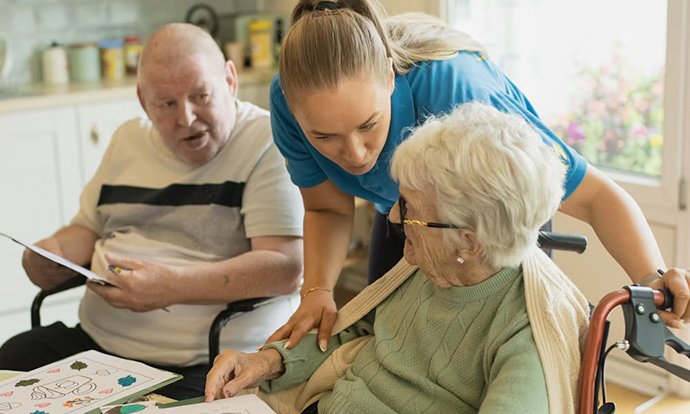
Companion care focuses on emotional well-being and social engagement. Caregivers may spend time talking, reading, playing games, accompanying seniors on walks, or helping them participate in enjoyable hobbies. Regular companionship can make everyday life more engaging and reduce feelings of isolation.
Household assistance may include light cleaning, laundry, organizing personal belongings, grocery shopping, and preparing meals. These activities help maintain a comfortable living environment without placing unnecessary physical demands on older adults.
Medication support can involve reminders and assistance with organizing prescribed medication according to instructions. Caregivers should follow appropriate training and professional guidance, especially when medication administration requires specialized knowledge.
Some individuals may also need transportation assistance for medical appointments, social visits, or essential errands. Additional support can include mobility assistance, exercise activities approved by healthcare professionals, and coordination with family members.
Personal Hygiene and Daily Living Assistance
Maintaining personal hygiene is important for physical comfort, confidence, and general well-being. However, aging-related changes such as reduced flexibility, joint discomfort, balance difficulties, and limited strength can make personal care activities more challenging.
Caregivers may assist with bathing, washing, brushing teeth, grooming hair, dressing, and maintaining clean clothing. The level of assistance should depend on the individual’s abilities and preferences. Seniors who can complete some activities independently should be encouraged to do so with appropriate supervision or adaptive equipment.
Privacy and dignity are particularly important during personal care. Caregivers should explain what they are doing, obtain consent, protect personal boundaries, and avoid rushing individuals through sensitive activities.
Skin care also deserves attention because older adults may have more delicate skin and a greater risk of irritation or pressure-related injuries. Regular observation can help identify redness, bruising, dryness, or unusual changes that may require professional assessment.
Bathroom safety should also be considered. Grab bars, nonslip flooring, shower chairs, and accessible fixtures can help reduce the risk of falls. Any modifications should be selected according to the individual’s mobility needs and the home’s layout.Consistent personal care routines can help seniors remain comfortable while supporting their confidence and independence.
Medication Management and Health Monitoring
Medication management can become increasingly complicated as individuals age, particularly when they have several prescriptions or different dosing schedules. Missing doses, taking medication incorrectly, or misunderstanding instructions may create avoidable health risks.
Caregivers can support medication routines by providing reminders, helping organize medication according to an approved plan, and maintaining records when appropriate. Any medication administration should be performed only by individuals with the required training and authorization.Families should maintain an updated list of prescriptions, dosages, allergies, and relevant healthcare contacts. This information can help caregivers communicate accurately with medical professionals and reduce confusion when prescriptions change.
Health monitoring may involve observing general well-being, noting changes in appetite, recording symptoms, and communicating concerns to family members or healthcare providers. Caregivers should never independently diagnose medical conditions or change prescribed treatments.
Sudden confusion, difficulty breathing, chest pain, severe weakness, or other serious symptoms require prompt medical attention. Families should establish a clear emergency response plan and ensure that caregivers understand when to contact emergency services.A coordinated approach to medication support and health observation can help older adults follow their treatment plans while allowing families to remain informed about important changes.
Nutrition and Healthy Meal Preparation
Proper nutrition is an essential part of healthy aging. Older adults need balanced meals that provide adequate energy, protein, vitamins, minerals, and fluids. However, appetite changes, dental problems, swallowing difficulties, medication effects, and reduced mobility can make healthy eating more challenging.
Caregivers can help by preparing meals that reflect individual dietary requirements and personal preferences. A balanced eating plan may include vegetables, fruits, whole grains, suitable protein sources, and healthy fats.Hydration is equally important. Some seniors may not recognize thirst as easily as they once did, increasing the possibility of dehydration. Offering suitable drinks regularly can support adequate fluid intake, although individual medical conditions may require specific fluid restrictions.
Meal preparation should also consider chewing and swallowing difficulties. Individuals with these concerns may require modified food textures or professional dietary guidance. Caregivers should never assume that a particular food consistency is safe without appropriate advice.
Families should communicate allergies, food preferences, cultural requirements, and medical dietary restrictions clearly. For example, people managing diabetes, kidney conditions, or heart-related concerns may require individualized nutritional recommendations.Regular meal schedules and pleasant dining experiences can make eating more enjoyable while supporting overall health and energy levels.
Mobility Assistance and Fall Prevention
Falls are a significant safety concern for older adults because they can result in injuries, reduced confidence, and loss of independence. Changes in balance, vision, muscle strength, joint movement, and medication effects can increase the risk of accidents.
Home caregivers can help by providing appropriate mobility assistance during everyday activities. This may include support when standing, walking, using stairs, or transferring between a bed and chair. Assistance should be based on the individual’s abilities and any recommendations provided by healthcare professionals.The home environment should also be evaluated for potential hazards. Loose rugs, cluttered walkways, exposed electrical cords, slippery bathroom surfaces, and inadequate lighting can increase fall risks.
Installing grab bars, handrails, nonslip mats, and suitable lighting may improve accessibility. Frequently used items should be kept within easy reach so that seniors do not need to stretch or climb unnecessarily.
Mobility aids such as walkers, canes, and wheelchairs should be properly fitted and used according to professional recommendations.Gentle physical activity may help maintain strength and balance when approved by a healthcare professional. The aim should be to support safe movement rather than encourage activities beyond an individual’s physical abilities.
Companionship and Emotional Well-Being
Emotional health is an important part of aging, yet it can sometimes receive less attention than physical care. Older adults may experience loneliness, grief, anxiety, reduced social contact, or frustration when they become less independent.
Companionship can make a meaningful difference by providing regular opportunities for conversation, recreation, and social connection. Caregivers may read with seniors, discuss family memories, play board games, listen to music, or accompany them during suitable outdoor activities.Listening is particularly important. Older adults should have opportunities to express their feelings, preferences, concerns, and personal experiences without feeling ignored or rushed.
Family members can also support emotional well-being by maintaining regular visits and encouraging participation in meaningful activities. Phone calls, family gatherings, shared meals, and familiar hobbies can help seniors remain connected to the people and interests that matter to them.Caregivers should watch for persistent changes in mood, withdrawal, loss of interest, or signs of anxiety and depression. These concerns should be communicated to family members and qualified healthcare professionals.
Providing companionship is not simply about keeping someone occupied. It is about creating meaningful human connections and helping older adults feel respected, included, and valued.
Specialized Support for Seniors With Memory Difficulties
Some older adults experience memory changes or conditions such as dementia that affect their ability to remember information, recognize familiar surroundings, or manage everyday activities. These changes may create additional challenges for individuals and their families.
Care for seniors with memory difficulties should emphasize patience, consistency, and clear communication. Maintaining predictable daily routines can help reduce confusion and provide a greater sense of security.
Caregivers may use simple instructions, familiar objects, visual reminders, and organized living spaces to make everyday activities easier. Conversations should be calm and respectful, even when an individual repeats questions or struggles to remember information.
Safety planning is especially important. Families may need to evaluate door security, kitchen equipment, medication storage, bathroom accessibility, and the possibility of wandering. Supervision should reflect the individual’s specific risks and abilities.
Activities such as listening to familiar music, looking through family photographs, gardening, and participating in simple household tasks may encourage engagement.
Caregivers should receive appropriate training when supporting individuals with dementia or other cognitive conditions. More advanced needs may require input from healthcare professionals and specialized care providers.
Creating a Safe and Comfortable Home Environment
A suitable home environment can make everyday activities easier and reduce unnecessary risks for aging individuals. Small modifications may improve accessibility without requiring major renovation work.
Bathrooms are often among the most important areas to evaluate. Installing grab bars, improving lighting, using nonslip surfaces, and providing accessible bathing equipment can make personal care safer.
Bedrooms should provide enough space for comfortable movement and easy access to essential belongings. A suitable bed height, accessible storage, and clear pathways can help reduce unnecessary strain.Living areas should remain organized, with furniture arranged to provide unobstructed walking routes. Frequently used items should be stored at convenient heights to avoid excessive bending or reaching.
Lighting should be adequate throughout the home, particularly near stairs, hallways, bathrooms, and entrances. Motion-activated lighting may provide additional convenience during nighttime movement.
Emergency preparation is another important consideration. Families should keep essential contact information accessible and consider suitable alert systems when an older adult may need assistance while alone.A home safety assessment by an appropriate professional can help identify modifications based on individual mobility, health, and accessibility requirements.
Choosing the Right Home Caregiver
Selecting a caregiver is an important decision because this person may become closely involved in an older adult’s daily routine, personal care, and emotional well-being.Families should begin by identifying the type and amount of assistance required. Some individuals may need help with household activities and companionship, while others require personal care, mobility support, or specialized supervision.
Relevant experience and training should be carefully reviewed. Caregivers supporting seniors with complex medical or cognitive needs may require additional qualifications and professional guidance.Background checks, references, identity verification, and employment history are also important considerations. Families should confirm any applicable licensing, registration, or professional requirements.
Communication skills matter just as much as practical experience. A good caregiver should demonstrate patience, empathy, reliability, and respect for personal preferences.It is helpful to arrange an introductory meeting so that the senior and caregiver can become familiar with one another. This also provides an opportunity to discuss daily routines, household expectations, privacy, and emergency procedures.
Families should establish clear responsibilities and agree on how progress or concerns will be communicated. Regular reviews can help determine whether the arrangement continues to meet the older adult’s needs.
Understanding the Cost of Home-Based Elderly Care
The cost of care depends on the level of support required, caregiver qualifications, working hours, location, and the complexity of the individual’s needs.
Part-time assistance may be suitable for seniors who remain mostly independent but need help with selected household activities or personal care. More comprehensive arrangements may involve extended daily supervision, overnight assistance, or specialized caregiving.Additional expenses may include transportation, mobility equipment, home modifications, medical supplies, and specialized services. Families should also consider whether a care provider charges separately for weekends, holidays, overnight hours, or emergency visits.
Before selecting an arrangement, it is useful to request a clear written explanation of services, schedules, responsibilities, and payment terms. Comparing providers based on the quality and scope of their services can help families make a more informed decision.
Budget planning should also account for the possibility that care needs may change over time. An individual who initially requires only occasional assistance may eventually need more consistent supervision.The most appropriate arrangement is one that balances affordability with safety, reliability, personal dignity, and the actual needs of the older adult.
Supporting Family Caregivers and Preventing Burnout
Family members often play an important role in caring for aging relatives. Although caregiving can be rewarding, it may also involve physical demands, emotional pressure, and competing responsibilities.Relatives who provide regular assistance may experience exhaustion when they have limited time for rest, employment, relationships, and personal activities. Over time, this stress can affect their own health and the quality of care they provide.
Sharing responsibilities among family members can make caregiving more manageable. One person may coordinate medical appointments, another may help with groceries, and others may provide companionship or household assistance.
Professional home care can also provide respite by allowing family caregivers to take necessary breaks. Even a few hours of reliable support may help relatives recover energy and manage other responsibilities.Families should communicate openly about expectations and avoid assuming that one individual must handle every caregiving responsibility.
Maintaining personal health, seeking emotional support, and asking for assistance when necessary are important parts of sustainable caregiving.
Developing a Personalized Care Plan
Every older adult has different abilities, preferences, health concerns, and lifestyle expectations. For this reason, a personalized care plan is more effective than relying on a standard routine for everyone.The planning process should begin with an assessment of daily activities, mobility, medical needs, emotional well-being, and household safety. The older adult should participate in these discussions whenever possible.
A written care plan may include preferred waking and sleeping times, meal schedules, personal hygiene requirements, medication reminders, mobility assistance, recreational activities, and emergency contacts.Families should also document important health information, allergies, medical appointments, and instructions from healthcare professionals.
The plan should identify which activities the senior can complete independently and where assistance is necessary. This helps prevent unnecessary dependence while ensuring that important needs are addressed.Care arrangements should be reviewed regularly because physical abilities, medical conditions, and personal preferences may change. Adjusting the plan when necessary helps maintain suitable support over time.
Conclusion
Providing appropriate support for aging individuals requires a thoughtful balance of practical assistance, emotional understanding, personal dignity, and safety. As everyday activities become more challenging, a well-organized home care arrangement can help seniors remain comfortable in familiar surroundings while maintaining as much independence as possible.
From personal hygiene and meal preparation to medication reminders, mobility assistance, companionship, and specialized memory care, each service should reflect the individual’s circumstances. Creating a safe home environment, selecting a reliable caregiver, and maintaining communication between family members and healthcare professionals are equally important.
Families should remember that successful caregiving is not about taking control of every aspect of an older adult’s life. It is about providing the right amount of assistance while respecting personal choices and encouraging independence wherever possible.
With careful planning, qualified support, and regular reviews, elderly care at home can provide a meaningful approach to aging with dignity, comfort, and reassurance. It can also help families maintain stronger relationships with their loved ones while ensuring that changing care needs receive the attention they deserve.