Every child develops at a different pace, learns through unique experiences, and responds to the world in their own way. Some children may need additional support to develop communication abilities, strengthen social interactions, manage emotions, or build everyday living skills. Understanding these individual differences is essential for creating an environment where children feel supported, respected, and encouraged to reach their potential. Families often explore different developmental approaches to identify strategies that can help their children become more confident and independent. Among the available approaches, behavioral interventions have become an important part of developmental support, particularly for children who experience challenges with communication, social interaction, and certain behavioral patterns.
Child development involves several interconnected areas, including language, emotional regulation, social awareness, problem-solving, and practical life skills. When a child experiences difficulties in one or more of these areas, everyday activities may become challenging for both the child and their family. Parents may notice that their child struggles to communicate needs, participate in group activities, respond to instructions, or adapt to changes in routine. These experiences can create frustration, especially when families are unsure how to provide appropriate support. A structured and individualized approach can help identify the child’s strengths, understand their needs, and develop practical strategies that encourage meaningful progress.
Behavioral support is not simply about changing a child’s actions or teaching them to follow instructions. Its broader purpose is to understand why certain behaviors occur, identify environmental influences, and develop skills that improve communication, independence, and overall quality of life. Effective programs recognize that every child has different abilities, interests, preferences, and learning requirements. By using positive reinforcement, consistent teaching strategies, and individualized goals, professionals can help children develop useful skills while respecting their personalities and individual differences.
What Is Behavioral Therapy and How Does It Support Child Development?
Behavioral therapy is a structured approach that focuses on understanding the relationship between behavior, learning, and the surrounding environment. It uses established psychological and educational principles to help individuals develop new skills, improve certain behavioral patterns, and respond more effectively to everyday situations. In child development, behavioral approaches can be used to support communication, social participation, emotional regulation, and daily living activities. These methods are often adapted according to the child’s developmental level, abilities, interests, and specific support requirements.
One widely recognized approach is ABA Therapy, which stands for Applied Behavior Analysis. It involves applying principles of learning and behavior to understand how actions develop and how environmental factors influence them. Rather than assuming that a particular behavior occurs without a reason, practitioners examine what happens before and after it. This helps them identify patterns and understand whether a behavior may be associated with communication difficulties, sensory experiences, environmental changes, discomfort, or other factors. Based on this understanding, they can develop strategies that teach useful alternative skills and encourage positive developmental outcomes.
An important feature of this approach is individualized planning. A strategy that works effectively for one child may not be appropriate for another because children differ in their communication abilities, sensory preferences, learning styles, and personal experiences. Some children may benefit from visual instructions, while others respond better to demonstrations, verbal explanations, or hands-on activities. Professionals consider these differences when designing learning opportunities. The objective should always be to support meaningful skills and greater independence rather than expecting every child to develop in exactly the same way.
Recognizing When a Child May Benefit From Additional Developmental Support
Children communicate their needs and experiences in different ways, and developmental differences can become noticeable at various stages of childhood. Some children may experience delays in expressive language, making it difficult to explain what they want or how they feel. Others may understand spoken language but struggle with conversational exchanges, interpreting social situations, or communicating in unfamiliar environments. These differences do not automatically indicate that a child requires a particular intervention, but they may suggest that a developmental assessment could provide useful information.
Parents may also observe challenges involving transitions, changes in daily routines, emotional regulation, or participation in everyday activities. For example, a child might become distressed when a familiar activity ends, have difficulty waiting, or struggle to communicate discomfort. Repetitive movements, focused interests, and differences in sensory processing may also be part of a child’s developmental profile, particularly among autistic children. It is important to understand these characteristics in context rather than automatically treating them as problems. Some behaviors may provide comfort, help with sensory regulation, or serve as an important form of communication.
A qualified developmental professional can help families understand whether a child’s experiences are related to developmental differences, communication needs, environmental factors, or other concerns. Assessment should consider the child’s overall development rather than focusing on a single behavior. Parents can share observations about communication, play, learning, daily routines, and social experiences to help professionals develop a more complete understanding. Early identification of support needs can create opportunities to introduce helpful strategies without placing unnecessary pressure on the child.
The Role of Communication Skills in Everyday Development
Communication is one of the most important foundations of childhood development because it allows children to express needs, share experiences, build relationships, and participate in daily activities. Communication does not depend exclusively on spoken language. Children may communicate through gestures, facial expressions, pictures, signs, written words, communication devices, or other methods that suit their abilities. Recognizing and respecting different communication styles helps create an environment where children feel understood and included.
Some children experience difficulties expressing what they want, understanding instructions, or participating in back-and-forth conversations. These challenges can sometimes lead to frustration when their needs are misunderstood. For example, a child who cannot easily communicate that they are tired, uncomfortable, or overwhelmed may express distress through crying, withdrawing, or other behaviors. Teaching practical communication skills can help reduce misunderstandings and provide children with more effective ways to express themselves. Visual supports, communication boards, modeling, and appropriate assistive technology can all contribute to improved communication opportunities.
An individualized developmental program may include goals related to requesting preferred activities, expressing discomfort, responding to everyday communication, or initiating social interactions. However, progress should not be measured exclusively by the number of spoken words a child uses. Functional communication means that children have reliable ways to express their needs and participate in situations that matter to them. Respecting alternative communication methods is particularly important because every child deserves to have their preferences, feelings, and boundaries recognized.
How Positive Reinforcement Encourages Learning
Positive reinforcement is an important principle used in many educational and behavioral approaches. It involves providing something meaningful after a desired behavior or skill occurs, increasing the likelihood that the behavior will happen again in similar circumstances. Reinforcement does not always involve toys, treats, or other physical rewards. It may include encouragement, access to a favorite activity, additional playtime, social interaction, or another experience that the child genuinely enjoys.
For example, when a child successfully communicates a request using words, gestures, or a communication device, a supportive response can reinforce that communication attempt. Similarly, when a child completes a familiar activity independently, acknowledging the accomplishment may encourage further participation. The most effective reinforcement strategies are individualized because children do not all find the same experiences motivating. Professionals should pay attention to the child’s interests, preferences, and responses rather than relying on a fixed reward system.
Positive reinforcement should also be used respectfully and thoughtfully. It should never involve withholding essential needs, pressuring children to ignore discomfort, or requiring them to perform actions that violate their personal boundaries. A child’s willingness to participate is important, and meaningful learning should be based on trust, encouragement, and a supportive relationship. When reinforcement is connected to practical skills and personally meaningful goals, it can help children develop confidence while making learning experiences more enjoyable.
Developing Social Skills Through Everyday Activities
Social development involves learning how to interact with others, share experiences, understand different perspectives, and participate in group environments. Children develop these abilities through everyday experiences with parents, siblings, teachers, caregivers, and peers. Some children may find social situations challenging because they have difficulty interpreting facial expressions, understanding conversational expectations, joining group activities, or responding to unfamiliar interactions. Others may prefer independent play or have specific interests that influence how they connect with people.
Social learning should focus on creating meaningful opportunities rather than forcing children to imitate conventional social behavior. For instance, a child may learn to participate in a shared activity by taking turns with a preferred toy, building something together, or playing a simple game with a family member. These experiences can introduce concepts such as cooperation, waiting, shared attention, and mutual enjoyment. Activities should be selected according to the child’s interests and comfort level to make participation more natural and rewarding.
Social development does not require every child to communicate, play, or form relationships in the same way. Some children enjoy group activities, while others prefer interacting with one person at a time. Some may communicate through gestures or assistive devices rather than spoken conversations. Respecting these differences helps create more inclusive learning environments. The purpose of social support should be to improve a child’s ability to build relationships and participate in preferred activities, not to make them appear identical to their peers.
Building Independence Through Practical Life Skills
Developing independence is an important part of childhood because everyday skills allow children to participate more confidently in family, educational, and community activities. Practical life skills may include dressing, brushing teeth, washing hands, organizing personal belongings, eating meals, following familiar routines, and completing simple household responsibilities. Although these activities may seem straightforward, some children need additional guidance, repetition, or environmental adjustments to learn them comfortably.
Teaching everyday skills often involves breaking a larger activity into smaller and manageable steps. For example, learning to wash hands may include turning on the water, wetting the hands, applying soap, rinsing, and drying. A child who finds the entire process overwhelming may benefit from learning each step gradually through demonstrations, visual reminders, and supportive practice. The level of assistance can be adjusted as the child becomes more comfortable and confident. Some children may continue to need accommodations, and this should be considered a normal part of individualized support.
The goal of independence should not mean expecting children to complete every activity without assistance. Instead, it should involve helping them develop the greatest level of autonomy that is comfortable and meaningful for them. A child may become more independent by completing certain steps alone while receiving help with others. Encouragement, patience, and consistent opportunities to practice can make daily routines more manageable and reduce stress for both children and caregivers.
Understanding the Importance of Individualized Treatment Plans
Every child has a unique developmental profile, which is why individualized planning is essential when providing behavioral or educational support. A general program may offer useful ideas, but it cannot automatically address the specific needs of every child. An individualized plan begins by identifying the child’s current abilities, communication methods, interests, challenges, and personal goals. Professionals may gather information through observations, caregiver interviews, developmental assessments, and discussions with other specialists involved in the child’s care.
Based on this information, practitioners can establish goals that are relevant to everyday life. One child may benefit from support with functional communication, while another may need assistance with transitions, self-care, or participation in classroom activities. Goals should be specific enough to evaluate progress but flexible enough to accommodate changing needs. It is also important to include the child’s preferences and, when appropriate, their own participation in decisions about learning activities and support strategies.
An effective individualized plan should be reviewed regularly to determine whether the selected strategies are helpful. If a child is not making expected progress, professionals should examine whether the goals are appropriate, whether teaching methods need adjustment, or whether additional factors are affecting learning. Development is not always linear, and children may demonstrate different abilities across environments. A flexible approach allows practitioners and families to respond to these changes without placing unrealistic expectations on the child.
The Importance of Family Involvement in Developmental Progress
Families play a central role in supporting children’s development because they understand their children’s routines, interests, preferences, and everyday experiences. Parents and caregivers often notice small changes that may not be immediately visible during professional sessions. They can explain which activities a child enjoys, what situations cause discomfort, and which communication methods are most effective. This information helps professionals design strategies that are relevant to the child’s actual environment.
Family involvement may include learning practical communication techniques, understanding positive reinforcement, creating predictable routines, and supporting newly developed skills during everyday activities. For example, if a child is learning to request help, family members can provide opportunities to practice this skill during meals, playtime, and household activities. Using familiar strategies across different situations may help the child understand when and how to apply a skill outside structured learning sessions.
However, families should not feel that they must become full-time therapists or manage every developmental challenge independently. Parents also need time for work, personal responsibilities, relationships, and rest. A supportive professional team should recognize family circumstances and provide realistic recommendations that can be incorporated into daily life. Collaboration works best when communication remains respectful, expectations are manageable, and caregivers feel comfortable sharing concerns or requesting changes to the support plan.
What to Consider When Choosing a Qualified Behavioral Professional
Selecting an appropriate professional is an important decision because the quality of support can influence a child’s learning experience, emotional well-being, and developmental progress. Families should look for practitioners who have relevant education, professional training, supervised experience, and a clear understanding of child development. Qualifications and licensing requirements may vary depending on the country and professional role, so parents should verify credentials through appropriate professional organizations or regulatory bodies where available.
A qualified practitioner should be willing to explain their assessment methods, treatment recommendations, and approach to measuring progress. Families should understand what skills the program intends to support, how activities will be adapted to the child’s abilities, and how concerns will be addressed. Professionals should also be open to collaboration with speech-language pathologists, occupational therapists, educators, developmental specialists, and other relevant providers when additional expertise is needed. A coordinated approach can help prevent conflicting recommendations and provide more consistent support.
It is equally important to consider how the professional interacts with the child. A supportive practitioner should communicate respectfully, recognize signs of distress, respect personal boundaries, and adapt activities when necessary. Families should feel comfortable asking questions and discussing whether the program is meeting the child’s needs. A good professional relationship is based on trust, transparency, collaboration, and a shared commitment to the child’s well-being rather than simply achieving predetermined performance targets.
Creating a Supportive Learning Environment at Home
The home environment can provide valuable opportunities for children to practice communication, develop practical skills, and participate in activities that interest them. A supportive learning environment does not require expensive equipment or a specially designed room. In many cases, simple adjustments to everyday routines can make learning easier and more enjoyable. Organizing commonly used belongings, providing clear visual reminders, reducing unnecessary distractions, and maintaining predictable routines may help children understand what to expect.
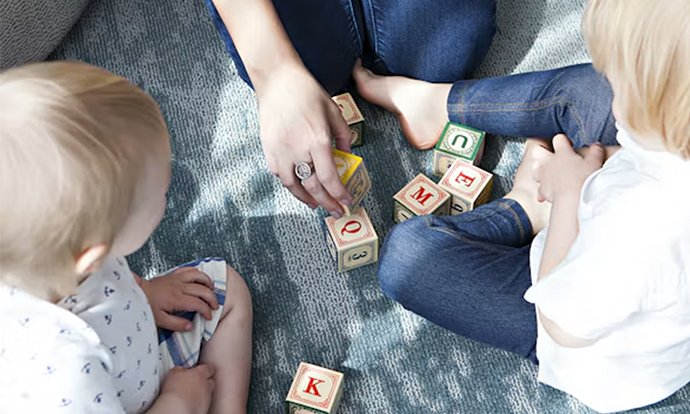
Parents can also use ordinary activities as opportunities for skill development. Preparing a meal together may encourage communication, following simple instructions, identifying objects, and making choices. Playing with building blocks can introduce problem-solving, requesting assistance, and shared attention. Getting dressed can provide opportunities to practice sequencing and independence. These activities become more meaningful when they are connected to the child’s interests and carried out without unnecessary pressure.
A supportive environment should also recognize sensory preferences and emotional needs. Some children may feel overwhelmed by loud noises, bright lighting, crowded spaces, or unexpected changes. Others may benefit from quiet areas, movement breaks, sensory tools, or additional preparation before transitions. Understanding these preferences helps families make practical adjustments that improve comfort and participation. Children learn more effectively when they feel safe, respected, and able to engage with activities at a manageable pace.
Understanding Progress and Setting Realistic Expectations
Developmental progress can look different for every child, and improvements may occur gradually over time. Some children may begin communicating more consistently, while others may demonstrate progress through increased participation, improved self-advocacy, or greater independence in daily routines. Families and professionals should recognize these different forms of progress instead of focusing exclusively on visible achievements or comparisons with other children. A skill that appears small to an outside observer may represent a meaningful accomplishment for a child who has worked hard to develop it.
Progress should be evaluated using goals that are practical, relevant, and connected to the child’s quality of life. For example, being able to communicate discomfort, request a break, make choices, or participate in a preferred activity may be more meaningful than simply following instructions. Assessments should consider whether a skill is useful across different environments and whether the child can use it comfortably without excessive assistance. Feedback from parents, educators, and other caregivers can provide valuable information about how learning translates into everyday experiences.
It is also important to understand that setbacks and changes in performance are normal. A child may demonstrate a skill successfully in one environment but struggle to use it somewhere unfamiliar. Changes in sleep, health, routines, sensory conditions, or emotional experiences can influence behavior and participation. Professionals should respond to these variations with curiosity and flexibility rather than assuming that the child is being uncooperative. Realistic expectations, consistent support, and regular review of goals help create a healthier developmental experience.
Final Thoughts on Supporting Children’s Development and Independence
Every child deserves opportunities to learn, communicate, build relationships, and participate in everyday life in ways that respect their individual abilities and preferences. Developmental support should focus on meaningful improvements rather than unrealistic expectations or comparisons with other children. By understanding individual needs, creating supportive environments, and using evidence-informed teaching strategies, families and professionals can help children develop skills that improve their confidence, comfort, and independence.
ABA Therapy can provide a structured framework for understanding learning patterns and developing practical skills when it is implemented appropriately and tailored to the individual child. Its effectiveness depends on thoughtful assessment, qualified practitioners, meaningful goals, family collaboration, and respect for the child’s preferences and personal boundaries. It should never be treated as a one-size-fits-all solution, and families should feel empowered to ask questions about treatment methods, progress, and the experiences of their children.
Ultimately, successful developmental support is about improving a child’s everyday experiences and creating opportunities for greater participation. Whether the focus is communication, social interaction, emotional regulation, or daily living skills, progress should be measured by meaningful outcomes that matter to the child and their family. With patience, understanding, professional guidance, and consistent encouragement, children can continue developing their abilities while being valued for who they are.