A roofing system is one of the most important investments in any residential or commercial property because it protects the structure, interior spaces, and valuable belongings from changing weather conditions. Asphalt shingles remain one of the most popular roofing materials because they offer an appealing appearance, practical installation options, and dependable protection when properly maintained. However, continuous exposure to sunlight, heavy rainfall, strong winds, temperature fluctuations, and natural aging can gradually weaken shingles and reduce their ability to protect a building. Missing shingles, curling edges, granule loss, recurring leaks, and deteriorating underlayment may indicate that an existing roof is approaching the end of its useful life. When repairs can no longer provide a reliable long-term solution, asphalt shingle roof replacement becomes an important consideration for property owners. Replacing an aging roofing system with suitable materials and professional workmanship helps restore weather protection, improve exterior appearance, and protect the overall value of the property. Understanding the replacement process, material options, and maintenance requirements allows property owners to make informed decisions and invest in a roofing solution that provides lasting performance.
Understanding Asphalt Shingle Roofing
Asphalt shingles are manufactured using a fiberglass or organic base mat combined with asphalt and protective mineral granules. This construction creates a roofing material designed to resist weather exposure while providing an attractive finished appearance. Different shingle styles are available, including three-tab shingles, architectural shingles, and premium designer options, allowing property owners to select materials according to their preferences and building requirements. Although asphalt shingles are designed for durability, their performance depends on proper installation, ventilation, underlayment, and regular maintenance. Over time, environmental exposure can weaken the protective surface and affect the material’s ability to shed water effectively. Professional asphalt shingle roof replacement involves evaluating the existing roofing assembly and selecting suitable materials that match the property’s structural requirements. Understanding the characteristics of different shingle products helps property owners choose a system that balances appearance, durability, maintenance expectations, and overall investment.
Recognizing When Replacement Is Needed
Determining when an asphalt shingle roof needs replacement requires more than simply looking at its age. Some roofs experience premature deterioration because of poor installation, inadequate ventilation, severe weather exposure, or insufficient maintenance, while others remain functional for longer because they receive proper care. Missing shingles, widespread curling, cracked surfaces, exposed roofing layers, and significant granule loss are common warning signs that should receive professional attention. Repeated leaks and extensive damage across multiple roof sections may also indicate that isolated repairs are no longer sufficient. A professional asphalt shingle roof replacement assessment helps determine whether the existing materials can still provide reliable protection or whether installing a new roofing system would be more practical. Contractors evaluate the condition of shingles, underlayment, flashing, decking, and other components to understand the extent of deterioration. Making this decision at the appropriate time can help prevent unexpected leaks and expensive structural repairs.
Evaluating Existing Roof Conditions
Before beginning a replacement project, roofing professionals need to understand the condition of the existing roofing system. Although damaged shingles are often the most visible concern, problems may also exist beneath the exterior surface. Moisture-damaged decking, deteriorated underlayment, inadequate ventilation, and weakened flashing can affect the performance of a new installation if they are not corrected. During an asphalt shingle roof replacement evaluation, contractors examine the roofing surface, identify areas with widespread deterioration, and assess whether the underlying materials remain suitable for continued use. They may also evaluate the roof’s structural design, slopes, valleys, and connection points to determine the requirements of the replacement project. This preparation helps establish a more accurate understanding of the necessary work and prevents hidden problems from being covered by new materials. Addressing underlying concerns before installation is essential for achieving a durable roofing system.
Choosing the Right Shingles
Selecting suitable shingles is an important part of any roofing replacement project because different products offer different levels of durability, appearance, and performance. Three-tab shingles provide a traditional and relatively simple appearance, while architectural shingles feature a dimensional design that can enhance the exterior appearance of a property. Premium shingles may offer additional design options and specialized performance characteristics depending on the manufacturer. Property owners should consider material quality, warranty information, expected service life, ventilation requirements, and compatibility with the existing roof structure before making a selection. Professional asphalt shingle roof replacement services help simplify this decision by explaining available options and recommending products that meet the property’s requirements. Choosing shingles based only on initial cost may overlook important factors such as weather resistance and long-term maintenance. A balanced selection helps property owners achieve an attractive roof while maintaining dependable protection.
Removing Old Roofing Materials
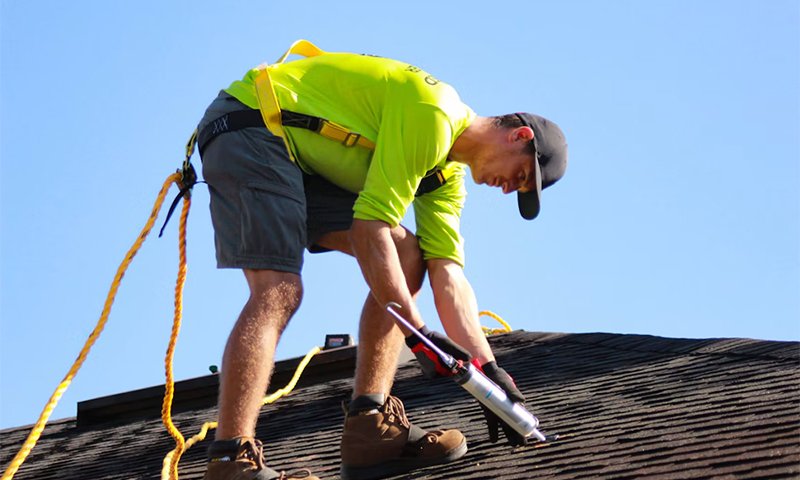
Removing deteriorated roofing materials is an important stage of the replacement process because it allows contractors to examine the underlying structure before installing the new system. Old shingles may contain damaged sections, trapped moisture, deteriorating underlayment, or improperly installed components that need attention. Professional crews carefully remove existing materials while following appropriate safety procedures and protecting surrounding property features. During asphalt shingle roof replacement, removing the old roofing layers also provides an opportunity to identify damaged decking, loose boards, and other structural concerns that may not be visible from the exterior. Any unsuitable materials should be addressed before new roofing components are installed. Proper preparation creates a stable foundation for the replacement system and helps prevent problems associated with covering existing damage. Responsible removal and disposal practices also contribute to a more organized and efficient roofing project.
Protecting the Roof Deck
The roof deck provides the supporting surface for the underlayment and shingles, making its condition essential for the overall strength of the roofing system. Decking may consist of plywood or oriented strand board, and prolonged exposure to moisture can cause swelling, soft spots, deterioration, or weakened fastening areas. If damaged decking remains beneath a new roofing system, it may affect installation quality and create structural concerns over time. A professional asphalt shingle roof replacement project includes evaluating the exposed deck after the old roofing materials have been removed. Contractors identify sections that require repair or replacement and ensure that the supporting surface is suitable for the new installation. Proper decking preparation helps shingles remain securely attached and supports the roofing system’s ability to withstand environmental exposure. Addressing these issues during replacement is generally more practical than discovering them after the new materials have already been installed.
Installing Quality Underlayment
Underlayment is an important protective layer installed between the roof deck and the shingles. It provides additional resistance against moisture and helps protect the underlying structure if water passes beneath the exterior roofing materials. Different underlayment products are available, including traditional asphalt-saturated felt and synthetic materials designed for improved handling and durability. Certain vulnerable areas, such as roof valleys and eaves, may also require specialized waterproofing protection depending on the roofing design and applicable installation requirements. During asphalt shingle roof replacement, contractors select suitable underlayment products and install them according to manufacturer specifications and building requirements. Proper overlapping, fastening, and integration with flashing are important for maintaining a continuous protective layer. Quality underlayment supports the performance of the entire roofing assembly and provides an additional level of protection against moisture penetration.
Improving Roof Ventilation
Ventilation is an essential part of roofing performance because it helps manage heat and moisture within attic spaces. An improperly ventilated roof may experience excessive heat buildup during warmer conditions and moisture accumulation when indoor air reaches cooler roof surfaces. These conditions can contribute to premature shingle deterioration, condensation, and insulation problems. During an asphalt shingle roof replacement project, roofing professionals can evaluate the existing ventilation arrangements and determine whether improvements are necessary. Ridge vents, soffit vents, and other suitable ventilation components may help create balanced airflow when correctly designed and installed. Proper ventilation should be planned according to the building’s layout and applicable requirements rather than adding vents without considering the complete system. Improving attic airflow can support shingle durability, protect underlying materials, and contribute to more consistent indoor conditions.
Strengthening Flashing and Roof Valleys
Flashing and roof valleys are important areas because they help direct water away from vulnerable connections and prevent moisture from entering the building. Flashing is commonly installed around chimneys, vents, skylights, walls, and other roof penetrations where different building materials meet. Valleys are particularly important because they collect water flowing from adjoining roof sections and direct it toward drainage areas. Over time, deteriorated flashing, damaged valley materials, and improper installation can create openings that lead to recurring leaks. Professional asphalt shingle roof replacement provides an opportunity to evaluate these components and install suitable materials where necessary. Contractors ensure that flashing is properly integrated with the underlayment and shingles so water can move away from vulnerable areas. Giving these details proper attention helps prevent future moisture problems and improves the overall reliability of the roofing system.
Improving Weather Resistance
Asphalt shingles must withstand continuous exposure to environmental conditions, including strong winds, heavy rainfall, sunlight, and seasonal temperature changes. Older shingles may become brittle, lose protective granules, or develop damaged edges that make them more vulnerable to weather-related problems. A new roofing system can restore an important layer of protection when suitable materials are selected and installed correctly. Professional asphalt shingle roof replacement includes choosing shingles with appropriate performance characteristics and installing them according to the manufacturer’s requirements. Proper fastening patterns, starter shingles, ridge components, and flashing details all contribute to the roof’s ability to resist wind and moisture. Property owners should also consider the roof’s design and exposure when selecting materials. A properly installed system helps reduce weather-related vulnerabilities and provides more dependable protection for the building.
Enhancing Property Appearance
A roof contributes significantly to the exterior appearance of a property because it covers a large portion of the building and influences its overall architectural style. Faded shingles, missing sections, uneven surfaces, and visible deterioration can make an otherwise well-maintained property appear neglected. Replacing an aging roof creates an opportunity to improve the building’s appearance through updated colors, textures, and shingle designs. Professional asphalt shingle roof replacement allows property owners to choose materials that complement exterior siding, windows, trim, and other architectural features. Architectural shingles can provide a dimensional appearance, while traditional options may suit properties with simpler design preferences. A carefully selected roofing system can improve visual consistency and contribute to the property’s overall presentation. Along with appearance improvements, quality materials and proper installation help ensure that the new roof provides practical protection.
Understanding the Replacement Process
A successful roofing project requires careful planning, organized installation, and attention to important construction details. The process generally begins with an evaluation of the existing roof, followed by material selection, project scheduling, and preparation of the work area. Once the old materials are removed, contractors examine the decking, address necessary repairs, install underlayment, and prepare the roof for the new shingles. During asphalt shingle roof replacement, proper alignment, fastening, ventilation, flashing, and ridge installation are essential for achieving a reliable finished system. Contractors should also manage material handling, debris removal, and surrounding property protection throughout the project. After installation, a final evaluation helps verify that important roofing components have been completed correctly. Understanding each stage helps property owners know what to expect and allows them to coordinate the project with fewer unnecessary complications.
Choosing Experienced Roofing Contractors
The quality of a roofing replacement depends heavily on the experience and workmanship of the contractor responsible for the project. Even high-quality shingles may fail to perform as expected when they are installed incorrectly or combined with unsuitable underlayment, flashing, and ventilation components. Property owners should look for roofing professionals who understand different shingle products, installation standards, roof structures, and weather protection requirements. When arranging asphalt shingle roof replacement, it is important to work with a company that evaluates the complete roofing assembly and provides recommendations based on the property’s actual condition. Houser Roofing offers roofing-related services involving installation, repairs, maintenance, and other roofing solutions. Working with experienced roofing professionals helps property owners make informed material decisions and ensures that important installation details receive proper attention. Reliable workmanship contributes to a roofing system that provides consistent protection and long-term value.
Maintaining Your New Roof
A newly installed roof still requires regular attention to maintain its condition and performance. Although modern asphalt shingles are designed for durability, blocked gutters, damaged flashing, falling branches, and neglected maintenance can create avoidable problems. Property owners should monitor visible roofing conditions, maintain proper drainage, and arrange professional evaluations when significant weather events occur. After an asphalt shingle roof replacement, understanding the manufacturer’s maintenance recommendations and warranty requirements is particularly important. Keeping records of installation details, material information, and completed maintenance work can also help with future repairs and property management. Promptly addressing loose shingles, damaged seals, or drainage concerns reduces the likelihood of larger problems developing. Consistent maintenance helps protect the investment made during replacement and supports the roofing system’s ability to perform effectively over time.
Conclusion
An aging or damaged asphalt shingle roof can gradually become a serious concern when worn materials, recurring leaks, and weakened protective components are left untreated. Replacing an outdated system provides an opportunity to improve weather protection, strengthen the underlying structure, upgrade ventilation, and enhance the overall appearance of a property. Careful material selection, proper decking preparation, quality underlayment, effective flashing, and professional installation all contribute to the success of a new roofing system. Investing in asphalt shingle roof replacement helps property owners address existing roofing problems while establishing a stronger foundation for long-term building protection. Choosing an experienced roofing contractor also ensures that the replacement process is handled with appropriate materials and attention to installation quality. With dependable roofing solutions from Houser Roofing and a consistent maintenance approach, property owners can protect their investments and enjoy the benefits of a durable, attractive, and properly installed roofing system for years to come.