Introduction
Creating an inviting outdoor living space is an excellent way to make a home more comfortable, attractive, and functional. A thoughtfully designed patio provides a dedicated area for relaxing, enjoying meals, entertaining guests, and spending quality time with family. Whether the available space is large or small, the right combination of materials, furniture, lighting, and decorative features can transform an ordinary outdoor area into a welcoming retreat. Careful planning also helps ensure that the finished space complements the home’s architectural style while meeting the practical needs of the people who use it. A well-designed patio can serve many purposes throughout the year, from providing a peaceful place to enjoy a morning coffee to creating a comfortable setting for evening gatherings. Homeowners can customize the layout according to their preferences, choosing features such as comfortable seating, outdoor dining areas, decorative planters, and shade structures. By considering durability, maintenance, drainage, and everyday usability from the beginning, it becomes easier to create an outdoor environment that remains attractive and useful for years. A successful design balances visual appeal with practical features that make outdoor living more enjoyable.
Planning an Outdoor Space That Meets Your Needs
The first step in creating an effective outdoor living area is understanding how the space will be used. Some homeowners prefer a quiet retreat with comfortable chairs and greenery, while others need room for dining furniture, outdoor cooking, or social gatherings. Identifying these priorities helps determine the appropriate layout, dimensions, and features before construction begins. It is also useful to consider how people will move between indoor rooms, outdoor seating areas, and the surrounding garden. Available space should be measured carefully to ensure that furniture and decorative features can be arranged without making the area feel crowded. Walkways should remain clear, doors should open comfortably, and seating arrangements should allow people to move around easily. A patio can also be divided into separate zones for dining, relaxation, and entertainment when the dimensions allow. Establishing a practical plan before purchasing materials helps homeowners avoid unnecessary expenses and creates a more organized outdoor environment that supports everyday activities.
Selecting Durable and Attractive Materials
Material selection has a major influence on the appearance, durability, and maintenance requirements of an outdoor living space. Popular options include concrete, natural stone, brick, porcelain pavers, and other paving materials designed for exterior use. Each option offers different benefits in terms of color, texture, cost, installation requirements, and resistance to weather exposure. Homeowners should compare these characteristics carefully to select materials that complement their property and suit their preferred maintenance routine. Concrete is often chosen for its versatility and ability to accommodate different finishes, patterns, and colors. Natural stone provides a distinctive appearance, while brick can create a traditional and welcoming atmosphere. Porcelain pavers offer a range of modern designs and can be suitable for outdoor use when the selected products have appropriate slip resistance and installation specifications. When planning a patio, homeowners should also consider how the surface will perform when wet and whether it can withstand regular foot traffic. Choosing appropriate materials from the beginning supports long-term durability and helps maintain an attractive appearance.
Creating a Comfortable Seating Arrangement
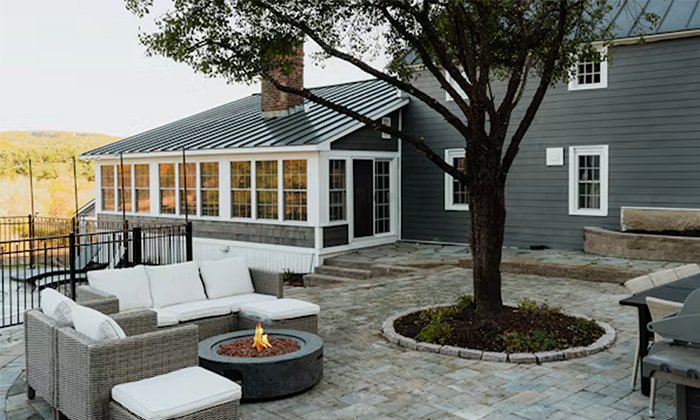
Comfortable seating is essential for making an outdoor living area inviting and practical. The type of furniture selected should reflect how the space will be used, whether for casual conversations, family meals, reading, or entertaining visitors. Sofas, lounge chairs, benches, and outdoor dining sets can all contribute to a welcoming atmosphere when arranged thoughtfully. Homeowners should select furniture designed for exterior conditions and ensure that enough room remains for people to move around without difficulty. The placement of seating can influence how people interact and how effectively the available space is used. Arranging chairs around a central table encourages conversation, while a dining table positioned near an outdoor cooking area can make meals more convenient. Cushions and upholstery made for outdoor conditions can add comfort and color, although they should be stored or protected when necessary. A well-planned patio should provide a balance between seating capacity and open space, allowing the area to feel comfortable rather than overcrowded. Thoughtful furniture selection makes outdoor gatherings more enjoyable and encourages regular use.
Incorporating Shade and Weather Protection
Shade can make an outdoor living space significantly more comfortable by reducing direct sunlight and creating a more pleasant place to relax. Depending on the available space and design preferences, homeowners may consider umbrellas, pergolas, retractable awnings, or permanent roof structures. Each option offers different levels of coverage, privacy, and protection from changing weather conditions. Selecting an appropriate solution requires consideration of the sun’s direction, the size of the seating area, and the amount of maintenance involved. Pergolas can introduce architectural interest while supporting climbing plants or optional shade coverings. Retractable awnings offer flexibility because they can provide coverage when needed and allow more sunlight when desired. Outdoor curtains and decorative screens may also help create a sense of privacy without completely enclosing the area. When planning a patio, structural support, wind exposure, and drainage should be considered before installing permanent overhead features. Choosing suitable shade solutions can extend the time people comfortably spend outdoors and make the space more useful during different seasons.
Enhancing the Space With Plants and Natural Features
Plants can soften hard surfaces, introduce color, and create a more relaxing atmosphere in an outdoor living area. Containers, raised planters, and carefully positioned garden beds allow homeowners to incorporate greenery even when there is limited ground space. A combination of different plant heights, leaf textures, and seasonal colors can make the surroundings more visually interesting without requiring complicated landscaping. Selecting plants according to available sunlight, watering requirements, and expected growth helps keep the design manageable over time. Natural features can also create a stronger connection between the outdoor area and the surrounding landscape. Decorative stones, wooden planters, climbing plants, and small water features may add visual interest when used appropriately. However, it is important to avoid overcrowding the space with too many decorative elements, especially where pathways or seating areas are limited. A patio can look more spacious when plants are grouped thoughtfully along edges or placed in corners that would otherwise remain unused. Combining greenery with durable paving creates an attractive balance between natural beauty and practical outdoor design.
Improving Outdoor Lighting and Evening Ambience
Outdoor lighting allows an outdoor living area to remain functional after sunset while creating a welcoming atmosphere for family gatherings and entertaining. Different lighting types can serve specific purposes, including illuminating walkways, highlighting decorative features, and providing sufficient light for dining or other activities. Wall lights, pathway fixtures, lanterns, and appropriately installed string lights can all contribute to the overall design. Choosing lighting with suitable brightness and color temperature helps create a comfortable environment without making the space feel excessively bright. Safety should remain a priority when planning electrical features outdoors. Fixtures should be rated for their intended exterior conditions, and electrical work should follow applicable safety requirements. Lighting near steps, changes in surface level, and entrances can improve visibility and reduce the risk of trips or falls. Homeowners can also use timers or compatible controls to manage lighting more conveniently. A carefully illuminated patio can provide a pleasant setting for evening relaxation while improving the usability and appearance of the surrounding outdoor space.
Choosing Colors and Decorative Details
Color selection plays an important role in creating a coordinated and visually appealing outdoor environment. Neutral shades can provide a timeless foundation, while accent colors introduced through cushions, planters, rugs, and decorative accessories can add personality. Homeowners may choose colors that complement the exterior walls, garden features, or existing outdoor furniture. Coordinating the main surface materials with smaller decorative elements helps create a unified appearance without making the design feel overly formal. Decorative details should enhance the space without interfering with its practical purpose. Outdoor rugs can help define seating zones, while weather-resistant cushions add comfort and visual interest. Decorative lanterns, planters, and wall ornaments can introduce character when arranged in moderation. Materials should be suitable for exterior use and easy to maintain, especially in areas exposed to sunlight, moisture, and dust. A carefully designed patio benefits from a consistent style in which each feature contributes to the overall atmosphere. Choosing a few meaningful details is often more effective than filling every available space with decorations.
Preparing the Ground and Managing Drainage
Proper ground preparation is essential for creating a stable outdoor surface that performs well over time. Before installation, the area should be assessed for soil conditions, existing vegetation, buried utilities, and potential obstacles. Depending on the selected paving system, preparation may involve excavation, grading, and the installation of a suitable compacted base. Skipping these steps can lead to uneven surfaces, movement, and premature damage, making careful preparation an important part of the overall project. Drainage deserves particular attention because standing water can affect the paving surface, nearby foundations, and surrounding landscaping. The finished surface should be designed to direct water away from buildings and prevent unwanted pooling. Appropriate slopes, drainage channels, or other suitable solutions may be necessary depending on the site conditions. When planning a patio, homeowners should also consider how rainwater will move through the surrounding garden and whether existing drainage systems can accommodate changes to the landscape. Proper preparation helps protect the finished surface and reduces the likelihood of costly maintenance problems.
Making a Small Outdoor Area Feel Spacious
Limited outdoor space does not prevent homeowners from creating a comfortable and attractive environment. A compact design can feel larger when furniture is selected carefully, pathways remain clear, and decorative features are used in moderation. Folding chairs, compact dining tables, built-in benches, and multifunctional furniture can help maximize usability without occupying excessive space. Choosing furniture with suitable proportions is particularly important because oversized pieces may make a small area difficult to navigate. Visual design choices can also influence how spacious an outdoor area appears. Light-colored surfaces, simple patterns, and a consistent color palette can create a more open feeling, while vertical planters and wall-mounted accessories make use of space that might otherwise remain empty. Mirrors designed for suitable exterior conditions may also introduce visual depth when positioned safely. A compact patio benefits from a clear layout that prioritizes essential activities and avoids unnecessary clutter. With thoughtful planning, even a modest outdoor area can provide a practical place to relax, dine, and enjoy fresh air.
Maintaining the Outdoor Space Throughout the Year
Regular maintenance helps preserve the appearance, safety, and durability of an outdoor living area. The appropriate care routine depends on the surface materials, furniture, plants, and weather exposure. Sweeping away leaves and debris prevents buildup, while periodic washing helps remove dirt and surface stains. Paving materials should be inspected for loose sections, cracks, uneven areas, and deteriorating joints so that small problems can be addressed before they become more serious. Furniture and decorative features also benefit from regular inspection and cleaning. Outdoor cushions may need to be stored during harsh weather, while metal components should be checked for corrosion and wooden elements should receive suitable maintenance when recommended. Plants should be watered and trimmed according to their individual needs, and drainage channels should remain free of debris. A well-maintained patio is more comfortable and attractive, and regular care can reduce the likelihood of expensive repairs. Establishing a simple maintenance schedule makes it easier to protect the investment and keep the outdoor area ready for everyday use.
Setting a Realistic Budget for the Project
A clear budget helps homeowners make informed decisions about materials, construction methods, furniture, and decorative features. Project costs may include design services, excavation, ground preparation, paving materials, labor, drainage improvements, lighting, and landscaping. Additional features such as pergolas, outdoor kitchens, privacy screens, and built-in seating can increase the overall investment. Homeowners should identify essential elements first and then determine which optional features can be added without exceeding their financial limits. Obtaining detailed estimates from qualified professionals can make it easier to compare options and understand the scope of the work. Estimates should explain which materials are included, what preparation is required, how debris will be handled, and whether additional costs may arise from unexpected site conditions. It is also sensible to reserve part of the budget for unforeseen expenses. A professional patio contractor can explain how different design choices affect the overall cost and suggest practical alternatives when necessary. Careful budgeting supports better decision-making and helps prevent important construction or safety requirements from being overlooked.
Avoiding Common Outdoor Design Mistakes
Some outdoor projects become less successful because planning focuses too heavily on appearance while overlooking everyday usability. Insufficient walking space, poorly positioned furniture, inadequate drainage, and a lack of shade can make an otherwise attractive area uncomfortable. Choosing materials without considering maintenance requirements may also create unnecessary work in the future. Reviewing the intended layout and daily activities before construction begins helps homeowners identify potential problems while changes remain relatively simple. Another common mistake is adding too many features without considering how they work together. Excessive decorations, oversized furniture, and inconsistent materials can make the space feel crowded and visually confusing. Homeowners should establish a clear design direction and prioritize features that provide practical value. A well-planned patio should allow comfortable movement, provide suitable seating, and remain easy to maintain. By balancing appearance with function and seeking professional advice when needed, homeowners can avoid many common problems and create an outdoor area that serves their needs effectively.
Conclusion
Creating an attractive and functional outdoor living area requires careful planning, suitable materials, thoughtful furniture placement, and attention to long-term maintenance. From preparing the ground and managing drainage to incorporating shade, lighting, and greenery, each decision contributes to the overall comfort and performance of the finished space. Homeowners should consider their daily routines, available space, design preferences, and budget before selecting features. A coordinated approach helps create an outdoor environment that feels welcoming while remaining practical and durable. A thoughtfully designed patio can become one of the most enjoyable areas of a home, providing a comfortable setting for relaxation, dining, entertaining, and spending time with loved ones. By prioritizing quality materials, safe construction, and a layout that suits everyday activities, homeowners can create an outdoor space that remains useful for years. Regular maintenance and occasional updates can further preserve its appearance and functionality. With a clear vision and careful execution, an ordinary outdoor area can be transformed into a beautiful extension of the home that supports comfort, enjoyment, and lasting value.