Introduction to Professional Roofing Services
A strong and reliable roof is essential for protecting residential and commercial properties from rain, wind, sunlight, and changing weather conditions. It also contributes to indoor comfort, energy efficiency, and the overall appearance of a building. Proper roofing care helps prevent moisture damage, maintain structural stability, and reduce the likelihood of unexpected repair expenses. Understanding the importance of professional roofing services allows property owners to make informed decisions about installation, maintenance, repairs, and replacement while protecting their investment over the long term. Roofing projects require careful planning, suitable materials, accurate measurements, and skilled workmanship to achieve dependable results. Even minor installation mistakes can allow water to enter the structure and damage insulation, ceilings, walls, or wooden components. Regular inspections and timely repairs can identify these problems before they become more serious. Working with qualified roofers helps property owners understand the condition of their roofing systems, choose appropriate solutions, and maintain a durable protective barrier for their buildings.
Understanding the Importance of Roof Protection
The roof is one of the most exposed parts of any building because it must withstand environmental conditions throughout the year. Rainwater, strong winds, sunlight, temperature changes, and accumulated debris can gradually affect roofing materials and supporting components. When the roof is not maintained properly, small defects may develop into leaks, insulation problems, or structural deterioration. A dependable roofing system helps prevent these issues while maintaining a comfortable and secure indoor environment for occupants. Professional roofers can identify vulnerable areas and recommend practical improvements based on the building’s design and existing conditions. Their assessments may include examining shingles, metal panels, flashing, gutters, ventilation systems, and roof decking. Addressing problems at an early stage can reduce repair costs and prevent damage from spreading to other parts of the property. Consistent attention to roof condition is an important part of responsible building maintenance and long-term property protection.
Choosing Suitable Roofing Materials
Selecting appropriate roofing materials is an important decision because different products offer varying levels of durability, appearance, maintenance requirements, and cost. Asphalt shingles are widely used for residential buildings because they are available in different styles and colors. Metal roofing can provide long-lasting protection and relatively low maintenance when installed correctly. Tile and slate may also offer attractive appearances and extended service lives, although their weight and installation requirements must be considered before selection. Property owners should compare materials according to their expected lifespan, resistance to environmental conditions, warranty coverage, and compatibility with the building’s structure. Some roofing products require specialized fasteners, underlayment, or installation techniques to perform effectively. Experienced roofers can explain the advantages and limitations of available options and help homeowners select materials that match their needs. Choosing suitable products from the beginning can improve durability, reduce maintenance concerns, and contribute to the overall value of the property.
The Benefits of Professional Roof Installation
Professional installation is essential for ensuring that roofing materials perform according to their intended design. The process usually begins with inspecting the existing structure, taking accurate measurements, preparing the roof deck, and installing the required protective layers. Contractors must pay attention to underlayment, flashing, fastening patterns, and material alignment to create a dependable barrier against moisture. Following manufacturer instructions and applicable building requirements helps prevent common installation defects and supports long-term performance. Qualified roofers understand how different materials behave and how to address complicated roof features such as valleys, skylights, chimneys, and ventilation openings. They can identify underlying problems before installing new materials and recommend necessary repairs to the supporting structure. Proper installation also reduces the risk of loose components, uneven surfaces, and water penetration around vulnerable joints. Investing in skilled workmanship helps property owners avoid preventable problems and gain greater confidence in the durability of their roofing systems.
Recognizing the Need for Roof Repairs
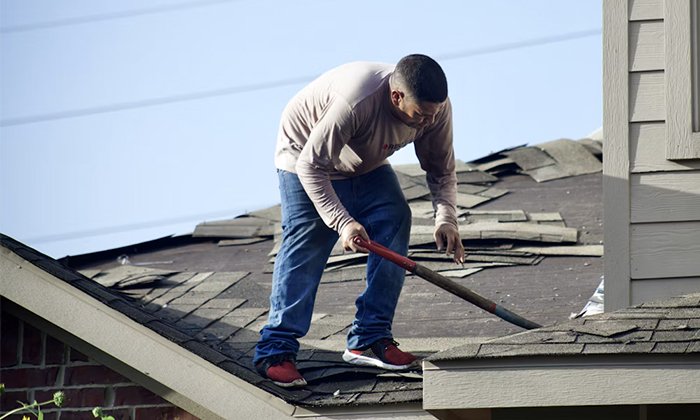
Roof damage does not always become immediately visible from inside a building. Missing shingles, loose panels, damaged flashing, cracked seals, and blocked drainage systems may gradually allow moisture to enter the structure. Interior warning signs can include ceiling stains, peeling paint, damp insulation, and unexplained musty odors. These symptoms should be investigated promptly because prolonged moisture exposure can damage building materials and create conditions that encourage mold growth. Professional roofers can inspect the affected areas and determine whether the problem requires a minor repair or more extensive restoration. Repair methods may involve replacing damaged materials, securing loose components, correcting flashing, or repairing deteriorated roof decking. Identifying the underlying cause is important because treating only the visible symptoms may allow the same problem to return. Timely repairs help preserve the roof’s performance, protect interior spaces, and reduce the possibility of more expensive structural work.
Improving Energy Efficiency Through Roofing
A roofing system can significantly influence indoor temperatures and energy consumption. Poor insulation, inadequate ventilation, and unsuitable roofing materials may allow excessive heat to enter during warm conditions or escape during colder periods. These problems can make indoor spaces less comfortable and increase the demand on heating and cooling equipment. Selecting suitable materials and improving insulation can help regulate indoor temperatures and support more efficient energy use. Experienced roofers can assess whether the existing roofing system offers suitable insulation and ventilation. Depending on the building’s condition, improvements may include repairing damaged insulation, addressing air leakage, upgrading ventilation, or considering reflective roofing materials. These measures should be planned as part of the building’s overall energy strategy rather than treated as isolated changes. A well-designed roofing system can improve comfort and may reduce energy costs, although actual results depend on several factors, including construction quality and equipment efficiency.
Maintaining Proper Roof Ventilation
Ventilation plays an important role in controlling heat and moisture within attic spaces and roofing assemblies. When airflow is inadequate, excessive heat may accumulate during warm weather, while moisture can become trapped and contribute to condensation. Over time, these conditions may affect insulation, wooden structural components, and roofing materials. Effective ventilation requires a suitable balance between intake and exhaust airflow that reflects the building’s design and the roofing system’s requirements. Professional roofers can inspect existing ventilation arrangements and identify blocked vents, insufficient airflow, or insulation that interferes with ventilation pathways. They can also recommend appropriate improvements during repair or replacement projects. Ventilation should be coordinated with insulation and moisture control to avoid creating additional problems. Maintaining proper airflow helps protect roofing components, supports insulation performance, and contributes to a healthier indoor environment throughout changing seasons.
Preventing Water Damage with Effective Drainage
An effective drainage system directs rainwater away from the roof and prevents unnecessary moisture accumulation. Gutters, downspouts, roof valleys, and drainage channels must work together to move water safely away from the building. When gutters become blocked by leaves, dirt, or other debris, water may overflow and damage exterior walls, fascia boards, and nearby foundations. Poor drainage can also contribute to leaks around roof edges and increase the risk of deterioration. Qualified roofers can examine drainage components and identify problems that may interfere with proper water movement. They may recommend cleaning gutters, repairing damaged sections, correcting drainage slopes, or replacing components that no longer function effectively. Flashing around chimneys, skylights, vents, and roof intersections should also be inspected because these areas are particularly vulnerable to moisture penetration. Maintaining an effective drainage system helps protect the structure and reduces the risk of costly water-related repairs.
Enhancing Property Value Through Roofing Improvements
The condition of a roof can influence how buyers, tenants, and visitors perceive a property. A well-maintained roofing system creates a positive impression and suggests that the building has received appropriate care. Damaged shingles, visible leaks, deteriorated flashing, and neglected gutters may raise concerns about maintenance costs and hidden structural problems. Improving the roof’s condition can therefore support the property’s appearance and contribute to its overall market appeal. Professional roofers can help property owners determine which improvements are most valuable for their buildings. Depending on the roof’s age and condition, suitable work may include replacing worn materials, repairing visible damage, improving ventilation, or upgrading to a more durable roofing product. Keeping records of completed work, material specifications, and warranties can also help demonstrate that the roofing system has been maintained responsibly. Although roofing improvements cannot guarantee a particular resale price, a dependable roof can make a property more attractive and easier to maintain.
Understanding Roofing Costs and Budget Planning
The cost of roofing work depends on several factors, including roof size, design complexity, material selection, labor requirements, and the condition of the existing structure. Additional expenses may arise from removing old materials, repairing damaged decking, replacing flashing, improving ventilation, or disposing of construction waste. Roofs with multiple slopes, valleys, skylights, and chimneys generally require more detailed work than simpler designs. Understanding these factors helps property owners establish realistic budgets before a project begins. When reviewing estimates, homeowners should examine the details of each proposal rather than choosing a contractor solely because of the lowest price. A written estimate should explain the materials, labor, preparation, cleanup, payment arrangements, and warranty coverage included in the project. Reliable roofers should also clarify which circumstances could result in additional costs, such as previously hidden structural damage. Comparing complete proposals helps property owners evaluate overall value, avoid misunderstandings, and select services that match their needs and financial expectations.
Choosing a Reliable Roofing Contractor
Selecting the right contractor is an important step toward achieving a durable and dependable roofing result. Property owners should consider relevant experience, customer references, insurance coverage, applicable licensing requirements, and familiarity with the selected roofing materials. Reviewing previous projects can provide useful insight into workmanship, attention to detail, and the contractor’s ability to handle different roofing challenges. Homeowners should also ask how the company manages quality control and addresses problems discovered during installation or repairs. Communication is equally important because roofing projects may involve unexpected findings, schedule changes, or additional work. Contractors should explain their recommendations clearly and provide written agreements describing the proposed work and expected timeline. Roofers who communicate openly about materials, warranties, safety practices, and payment terms help customers understand what to expect throughout the project. Taking time to evaluate professional qualifications can reduce uncertainty and support a smoother experience from the initial inspection to the final review.
Following Safety Standards During Roofing Work
Roofing projects involve hazards such as falls, unstable surfaces, sharp materials, and exposure to changing weather conditions. Contractors should use appropriate fall-protection equipment, secure access systems, and suitable personal protective equipment. Work should be planned according to the roof’s slope, surface conditions, and weather forecast to reduce unnecessary risks. Workers must also understand safe tool handling, material transportation, and procedures for keeping the construction area organized. Property owners can support safety by keeping children, pets, and visitors away from active work areas. Tools and roofing materials should be stored securely, and construction debris should be managed carefully throughout the project. Professional roofers should follow appropriate safety procedures and explain any precautions occupants need to observe while work is underway. Prioritizing safety protects workers and residents, reduces the likelihood of accidents, and helps roofing projects proceed in a controlled and responsible manner.
The Importance of Regular Roofing Maintenance
Regular maintenance helps property owners identify minor defects before they develop into major problems. Common maintenance activities include checking visible roofing materials, clearing drainage pathways, examining flashing, and looking for signs of moisture intrusion. The appropriate inspection schedule depends on the roof’s age, material, design, and environmental exposure. Additional assessment may be useful after severe weather if there are visible signs of damage or concerns about the roof’s condition. Experienced roofers can recommend maintenance schedules that reflect the specific needs of a property. They can identify vulnerable areas, suggest appropriate repairs, and explain which components require closer monitoring. Homeowners should also keep records of previous work, material specifications, and warranty documents to support future maintenance decisions. Regular attention to roofing conditions helps extend the useful life of materials, protect the building’s structure, and reduce the likelihood of unexpected repair expenses.
Preparing for a Roofing Replacement Project
Replacing an old roof requires careful planning to ensure that the work proceeds efficiently and safely. Property owners should understand the proposed materials, estimated schedule, removal process, and precautions that will be taken to protect the building during construction. It is also important to determine whether the existing roof deck needs repairs and whether ventilation or drainage improvements should be included in the project. Preparing for these requirements helps reduce delays and makes it easier to manage expectations. Professional roofers should explain how old materials will be removed, how debris will be handled, and how exposed areas will be protected if work is interrupted. Homeowners should also confirm the details of the written agreement, including payment arrangements, warranty coverage, and procedures for approving additional work. A final inspection should verify that the materials have been installed correctly and that the work area has been cleaned. Careful planning helps property owners achieve a dependable replacement while reducing unnecessary disruption.
Conclusion
A durable roofing system plays a vital role in protecting a property, improving indoor comfort, supporting energy efficiency, and maintaining long-term value. Achieving these benefits requires suitable materials, skilled installation, effective drainage, proper ventilation, and regular maintenance. Understanding these factors helps homeowners make informed decisions about repairs and replacement while recognizing the importance of addressing roofing concerns before they become serious. Choosing qualified roofers can make the entire process more manageable, from the initial inspection to installation, repairs, and ongoing maintenance. Professional guidance helps property owners identify potential problems, compare suitable materials, and understand the requirements of a reliable roofing system. By prioritizing quality workmanship, following appropriate safety practices, and responding promptly to signs of damage, homeowners can protect their investment and maintain dependable roofing performance for years to come.