Introduction
Electric vehicles are becoming an increasingly popular choice for drivers who want convenient transportation and improved energy efficiency. As more people adopt electric cars, having access to a dependable charging solution has become an important part of everyday vehicle ownership. A suitable charging station allows drivers to recharge their vehicles at home or at a commercial property without relying entirely on public charging facilities. Understanding EV charger installation helps property owners select appropriate equipment, prepare their electrical systems, and establish a charging setup that meets their daily driving requirements. Modern charging technology offers several advantages, including flexible charging schedules, energy monitoring, and compatibility with different electric vehicle models. However, choosing the right system requires careful consideration of charging speed, electrical capacity, installation expenses, and safety requirements. A properly planned charging setup can improve convenience while helping owners manage electricity consumption and long-term maintenance costs. By exploring the available options and understanding the installation process, homeowners can make informed decisions that support reliable charging and a better ownership experience.
Understanding Modern Electric Vehicle Charging
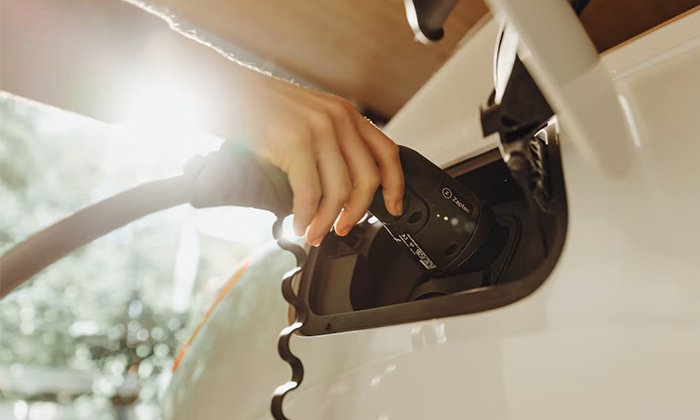
Electric vehicle charging systems transfer electricity from a power source to the vehicle’s battery through compatible charging equipment. The charging time depends on several factors, including battery capacity, charger output, the vehicle’s onboard charging capabilities, and the amount of energy required. Drivers who understand these factors can select a suitable charging arrangement based on their daily mileage and parking habits. For many households, charging while the vehicle is parked overnight provides a convenient way to prepare for the next day’s travel. There are different charging options available for residential properties, ranging from portable charging equipment to dedicated wall-mounted stations. Standard household outlets may provide slower charging, depending on the electrical supply and equipment used. Dedicated charging stations generally offer higher charging power and may include additional features such as scheduling, energy monitoring, and adjustable output. EV charger installation should therefore begin with an assessment of the vehicle’s requirements and the property’s electrical capacity rather than relying exclusively on advertised charging speeds. A dedicated charging station can also make daily charging more organized. Wall-mounted units keep equipment accessible and provide a convenient place to store the charging cable when it is not in use. Outdoor-rated chargers may be suitable for exposed parking areas when installed according to their environmental protection requirements. Choosing a practical location with sufficient cable reach can make connecting and disconnecting the vehicle easier while reducing unnecessary clutter.
Choosing the Right Charging Equipment
Selecting the appropriate charging equipment depends on the vehicle model, daily driving distance, available charging time, and electrical supply. Drivers who travel relatively short distances and leave their vehicles parked for extended periods may find slower charging sufficient. Those with longer commutes or multiple electric vehicles may prefer a higher-output charging station, provided the electrical system can safely support it. Evaluating these requirements helps property owners avoid spending money on features or charging capacity they are unlikely to use. Level 1 charging generally uses a suitable standard household outlet and provides relatively slow charging. It may work for drivers with modest daily mileage, although it may not replenish a larger battery quickly enough for every routine. Level 2 charging typically uses a dedicated higher-voltage supply and can deliver electricity more quickly. Actual charging speeds vary according to the charger, the vehicle’s onboard charging capacity, the electrical circuit, and battery conditions. When considering EV charger installation, homeowners should also compare equipment compatibility and available features. Some stations provide adjustable charging power, mobile application controls, scheduled charging, and detailed energy reports. Others focus on straightforward operation without advanced connectivity. Choosing equipment that matches current needs and offers reliable manufacturer support can help provide a convenient charging experience without adding unnecessary expense or complexity.
Assessing Electrical Capacity and Requirements
Before installing a dedicated charging station, the property’s electrical system should be assessed by a qualified electrician. Electric vehicle chargers can draw substantial power for extended periods, making circuit capacity and electrical load important safety considerations. An older electrical panel or a property with several high-demand appliances may require modifications before a charger can be connected. An initial inspection helps determine whether the existing wiring, panel, grounding, and protective equipment are suitable for the proposed system. Some properties can accommodate a charging station with relatively minor electrical work, while others may require a dedicated circuit, additional wiring, panel upgrades, or load-management equipment. The exact requirements depend on the charger’s power rating, the available electrical service, and applicable safety standards. Identifying these needs before purchasing equipment helps homeowners prepare a realistic budget and reduces the possibility of unexpected delays during installation. Load management may be useful when the electrical system has limited spare capacity. Compatible equipment can monitor household electricity demand and adjust charging output to help prevent total consumption from exceeding a defined limit. This approach may reduce the need for certain electrical upgrades, but it cannot replace a professional assessment or required safety protections. A properly designed charging system must always follow applicable electrical codes and the manufacturer’s instructions.
Understanding Installation Costs and Budget Planning
The total cost of a charging project depends on the equipment selected, electrical requirements, cable routing, mounting arrangements, and complexity of the work. A straightforward installation may involve mounting a charger near an appropriate electrical panel, while more complicated projects may require additional wiring, panel modifications, underground conduit, or protective enclosures. Property owners should request detailed estimates that clearly separate equipment prices, labor charges, and additional electrical work. The charging unit itself represents only one part of the overall investment. Mounting hardware, circuit protection, cable length, inspection requirements, and possible repairs to existing electrical infrastructure can also affect the final cost. Longer distances between the panel and parking space may increase material and labor expenses, especially when cables must pass through finished walls or underground routes. Comparing written estimates from qualified installers helps homeowners understand what each proposal includes. Long-term value should be considered alongside the initial purchase price. Some charging stations offer useful features such as adjustable power, scheduling, energy monitoring, and compatibility with energy management systems. However, these functions are valuable only when they match the owner’s requirements. EV charger installation should be planned around expected vehicle use, electrical capacity, equipment reliability, and realistic future needs instead of focusing exclusively on the cheapest available option.
Selecting a Convenient Charging Location
The location of a charging station affects everyday convenience, cable management, installation cost, and equipment durability. Many homeowners prefer a garage wall because it provides convenient access and some protection from weather. Outdoor installation can also work well when the charger is specifically designed for exposed conditions and installed with suitable environmental protection. The selected position should allow the charging cable to reach the vehicle comfortably without blocking walkways or creating tripping hazards. Vehicle parking habits and charging-port placement should be considered before choosing the final mounting position. A charger positioned too far from the parking space may require a longer cable or make routine charging inconvenient. The equipment should also be accessible enough for connecting and disconnecting the cable without unnecessary stretching. A professional installer can evaluate the location while accounting for cable routing, mounting requirements, electrical connections, and relevant safety clearances. Outdoor charging stations require additional attention to moisture, dust, temperature changes, and direct sunlight. Equipment should have an appropriate environmental rating for its intended position, and cables should be stored correctly when not in use. Electrical components must be protected according to manufacturer guidance and applicable regulations. Selecting the right location helps reduce avoidable wear while supporting dependable charging throughout changing weather conditions.
Prioritizing Electrical Safety During Installation
Electrical safety is essential because vehicle chargers can operate at high power for extended periods. Incorrect wiring, unsuitable circuit protection, or poor connections may create serious hazards, including overheating and electrical shock. A qualified electrician should inspect the supply, install appropriate protective devices, and verify that the charging station is compatible with the property’s electrical system. Professional installation also helps ensure compliance with applicable regulations and manufacturer requirements. Grounding, overcurrent protection, and suitable residual-current or ground-fault protection must be considered according to the charger design and local electrical standards. The required devices vary between systems, so they should be selected based on the actual equipment specifications rather than assumptions. Outdoor installations may require additional weatherproofing and appropriate enclosures to protect electrical components from moisture and environmental exposure. Homeowners should avoid improvised wiring, unsuitable extension cords, or overloaded circuits when powering charging equipment. Damaged cables, unusual smells, overheating, repeated circuit trips, or unexpected charging interruptions should be investigated promptly. Professional EV charger installation reduces the risk of unsafe connections and helps establish a charging arrangement designed for regular use. Following operating instructions and arranging appropriate inspections can further support long-term safety.
Smart Charging and Energy Efficiency
Smart charging technology gives drivers greater control over when and how their vehicles receive electricity. Compatible stations may allow users to schedule charging sessions, monitor energy consumption, and adjust charging power through mobile applications. Scheduling can help coordinate charging with household routines and may provide savings when electricity tariffs vary by time of day. Actual benefits depend on the electricity provider, tariff structure, charging habits, and available equipment. Energy management can be particularly useful in households where several appliances operate simultaneously. Compatible systems can adjust charging output when household demand increases, helping keep total electricity use within the available capacity. Some charging stations can also integrate with suitable solar energy systems, allowing charging behavior to respond to available renewable electricity. These arrangements require compatible equipment and correct configuration to work effectively. Not every household needs advanced charging controls. Drivers with straightforward routines and sufficient electrical capacity may find a conventional dedicated charger entirely suitable. Others may benefit from connected features when they want to track energy consumption, manage charging remotely, or coordinate vehicle charging with renewable energy. Comparing these options before purchasing equipment helps ensure that the final setup delivers practical benefits without unnecessary costs.
Maintenance for Reliable Long-Term Performance
Charging stations generally require limited routine maintenance, but regular inspections can help maintain safe and dependable operation. Owners should check cables, connectors, mounting hardware, and visible enclosures for damage or excessive wear. Cleaning should follow the manufacturer’s instructions, and water or cleaning products should never be introduced into electrical openings. Damaged equipment should be assessed by a qualified professional before it is used again. Keeping the charging area organized also improves convenience and safety. Cables should be returned to their designated holders when charging is complete rather than left across walking routes or exposed to vehicle traffic. Connectors should be handled carefully to prevent unnecessary damage, and charging equipment should not be used if its cable insulation is cracked or its enclosure is visibly compromised. These simple habits can help reduce avoidable repairs and extend the useful life of the system. Owners should also review warranty conditions, software updates, and manufacturer recommendations for servicing. Smart chargers may require occasional updates to maintain compatibility with connected applications and energy management systems. Keeping installation records, equipment specifications, and warranty documents in an accessible place can simplify future repairs or electrical modifications. Proper maintenance helps preserve charging performance and supports a more dependable ownership experience.
Preparing for Future Charging Needs
Electric vehicle technology continues to develop, and household charging requirements may change over time. A family that currently owns one electric car may eventually add another vehicle or purchase a model with a larger battery. Considering possible expansion during the initial planning stage can make future modifications easier. However, any additional charging equipment must still be assessed against the electrical service, circuit capacity, and applicable safety requirements. Connector compatibility is another important consideration when selecting equipment. Charging standards can differ by vehicle manufacturer and market, so owners should confirm that the selected station is compatible with their vehicle and any manufacturer-approved adapters. A charger with adjustable power, appropriate connectivity, and reliable support may provide useful flexibility. Nevertheless, it is important to avoid paying for advanced features that do not meet realistic needs. Future planning may also include solar energy, home battery storage, or changing electricity tariffs. Some households may eventually benefit from coordinating vehicle charging with solar generation or compatible energy storage systems. These additions are not essential for every property, but selecting suitable equipment can make future integration easier. Considering current requirements alongside realistic long-term plans helps create a charging setup that remains useful as household transportation needs evolve.
Conclusion
Modern charging technology can make electric vehicle ownership more convenient by allowing drivers to recharge their vehicles at home or at suitable private properties. Selecting the right equipment involves evaluating charging speed, electrical capacity, installation costs, location, and vehicle compatibility. With careful planning, homeowners can create a dependable charging arrangement that supports daily travel while helping manage electricity consumption. Professional installation is essential for ensuring that wiring, protective devices, circuit capacity, and mounting arrangements are suitable for regular charging. Comparing equipment specifications, obtaining detailed estimates, and selecting a practical location can help prevent unexpected expenses and improve long-term usability. Smart controls and energy management features may provide additional benefits when they match the property’s electrical system and the owner’s daily routine. Ultimately, the most suitable charging solution is one that provides safe operation, dependable performance, and reasonable long-term value. By working with a qualified installer, following manufacturer guidance, and maintaining equipment properly, electric vehicle owners can enjoy convenient charging and prepare their properties for changing transportation needs. A carefully planned system supports a smoother ownership experience while making everyday charging easier to manage.