Introduction
Maintaining clean and clear swimming pool water requires a combination of effective circulation, proper filtration, balanced water chemistry, and regular equipment maintenance. Although removing visible debris and adding suitable chemicals are important parts of pool care, the filtration system performs the essential task of capturing suspended particles that can make water look cloudy or unclean. A properly maintained system helps remove dust, dirt, small leaves, and other unwanted materials while supporting consistent water movement throughout the pool. Understanding how pool filters work allows pool owners to make informed decisions about equipment selection, maintenance schedules, and long-term performance. Swimming pool filtration systems operate alongside pumps, skimmers, return lines, and water treatment equipment to maintain suitable conditions for swimming. When one component becomes restricted or damaged, the entire circulation process can suffer, resulting in reduced water flow, cloudy water, and increased operating costs. Regular inspections and appropriate cleaning procedures help identify developing problems before they become more serious. By learning about filtration methods, common warning signs, and preventive maintenance, pool owners can protect their equipment and enjoy a cleaner, more comfortable swimming environment.
Understanding the Importance of Water Circulation
Water circulation is essential because it moves pool water through the filtration system and helps distribute treated water throughout the swimming area. The pump draws water through skimmers and drains, sends it through the filter, and returns it through designated outlets. This continuous movement helps prevent debris from accumulating in certain areas and supports more consistent water treatment. Without effective circulation, even a properly maintained filter may struggle to maintain the desired water quality. The effectiveness of circulation depends on several factors, including pump capacity, plumbing design, filter size, and operating schedules. If the pump moves water too quickly for the filtration equipment, some systems may not capture particles as effectively as intended. On the other hand, insufficient flow can reduce filtration performance and prevent water from moving through the system as designed. Selecting compatible components and following manufacturer recommendations helps create a balanced system that supports effective filtration without unnecessary energy consumption. Pool owners should observe return outlets, skimmer performance, and general water clarity to identify changes in circulation. Weak return flow, persistent debris, or unusual pump sounds may indicate a restriction or equipment fault that requires attention. Cleaning accessible baskets and maintaining the correct water level can resolve some simple problems, but recurring issues may require professional inspection. Understanding these basic indicators helps owners respond promptly and maintain consistent circulation throughout the swimming season.
Exploring Different Filtration Systems
Sand filtration systems use specialized filter media to capture particles as water passes through a tank. These systems are commonly selected because they are relatively straightforward to operate and can handle regular filtration demands when properly maintained. As debris accumulates, water flow may become restricted and pressure readings may increase. Backwashing can remove accumulated material when recommended by the manufacturer, although the appropriate frequency depends on pool usage, water conditions, and the system’s operating characteristics. Cartridge filtration systems use pleated elements that trap particles as water moves through the filter material. They are often valued for their convenient cleaning process and because routine maintenance generally does not require backwashing. The cartridge must be removed and rinsed according to the manufacturer’s instructions, and it should be replaced when it becomes damaged or no longer performs effectively. Correct cartridge sizing is important because an undersized element may require more frequent cleaning and could restrict circulation during periods of heavy use. Diatomaceous earth filtration systems use specialized grids coated with fine filtering material to capture very small particles. These systems can provide fine filtration, but they require careful maintenance and specific handling procedures. The filter media must be replenished as directed, and internal grids should be inspected periodically for tears, wear, or accumulated deposits. Pool owners should follow the manufacturer’s instructions and applicable safety guidance when servicing these systems to prevent damage and avoid exposure to unsuitable materials.
Choosing Equipment That Matches Your Pool
Selecting an appropriate filtration system requires consideration of pool volume, pump capacity, swimming frequency, surrounding vegetation, and the amount of debris entering the water. A pool exposed to frequent dust, falling leaves, or heavy use may have different maintenance requirements from one used occasionally in a protected environment. Owners should also consider available installation space, replacement part costs, cleaning requirements, and the time needed for routine servicing. Evaluating these factors helps ensure that the equipment meets practical needs rather than focusing exclusively on the initial purchase price. The filter must be compatible with the pump and the rest of the circulation system. A filter that is too small may become dirty quickly, experience excessive pressure, or restrict water movement. Similarly, installing a pump without considering the filter’s flow specifications can create an unbalanced system and may reduce overall efficiency. A qualified pool professional can assess the existing equipment and recommend suitable components based on the pool’s size and expected operating conditions. Before purchasing equipment, owners should review manufacturer specifications, filtration ratings, warranty terms, and maintenance instructions. Replacement cartridges, filter media, seals, and other essential parts should be available for the chosen model. It is also useful to compare how easily the filter can be accessed for cleaning and routine inspection. Careful selection can improve reliability, simplify maintenance, and provide better long-term value.
Recognizing Signs of Filtration Problems
Cloudy water is one of the most common signs that the filtration or water treatment system may not be working correctly. Possible causes include dirty filter media, insufficient circulation, incorrect chemical balance, excessive debris, or inadequate disinfection. Because these problems can produce similar symptoms, owners should examine the complete system rather than assuming that the filter is always responsible. Testing the water, checking pump operation, and reviewing recent maintenance can help identify the most likely cause. Reduced water flow through return outlets may indicate a blocked basket, restricted plumbing, dirty filter media, or a pump problem. If circulation becomes weaker than usual, pool owners should check accessible baskets and confirm that the water level is suitable for normal operation. Unusual pressure readings may provide additional clues, especially when compared with the normal reading recorded after cleaning. If the problem continues despite basic maintenance, professional diagnosis may be necessary to identify the underlying fault. Leaks, unusual noises, and debris returning to the pool can also signal filtration problems. A damaged cartridge, torn internal grid, cracked housing, or worn seal may interfere with normal operation and allow particles to pass through the system. Pressurized equipment should never be opened without following the manufacturer’s shutdown and pressure-release procedures. Addressing these warning signs early can prevent additional damage and help restore reliable filtration.
Maintaining Filter Pressure and Performance
Pressure gauges provide useful information about the operating condition of a filtration system. The normal reading varies according to the filter model, pump settings, plumbing arrangement, and overall system design. Pool owners should record the pressure when the filter is clean and the equipment is operating under its usual conditions. This baseline makes it easier to identify changes that may indicate accumulated debris, restricted circulation, or another equipment issue. An increase in pressure often suggests that dirt and other particles have accumulated inside the filter, although the correct response depends on the system type. A sand filter may require backwashing when the specified pressure threshold is reached, while a cartridge system may need cleaning. Following manufacturer guidance helps prevent unnecessary servicing and reduces the risk of disturbing the filter media. Cleaning too frequently can waste water or shorten the useful life of certain components. Low pressure does not automatically mean that the filter is clean or functioning properly. A blocked suction line, low water level, air entering the plumbing, or a pump malfunction may reduce pressure and circulation. Owners should evaluate pressure readings alongside return flow, pump sounds, and water clarity rather than relying on a single measurement. When the readings remain abnormal after basic checks, a qualified technician can inspect the system and determine the cause.
Cleaning and Maintaining Filtration Equipment
Regular cleaning is one of the most effective ways to maintain filtration performance and prevent unnecessary strain on the pump. The appropriate cleaning method depends on whether the system uses sand, cartridges, or diatomaceous earth. Sand filters may require backwashing, cartridge filters generally need removal and rinsing, and diatomaceous earth systems require specific procedures for maintaining the filter media. Following the correct process for each equipment type helps protect internal components and maintain effective particle removal. Pool filters should also be inspected for visible damage, deteriorating seals, loose connections, and signs of leakage. Cleaning a cartridge with excessive pressure or an unsuitable chemical can damage the material and reduce its effectiveness. Likewise, opening a filter tank before releasing internal pressure can cause serious injury. Owners should follow the manufacturer’s safety instructions and seek professional help if they are uncertain about the correct procedure. Replacement timing depends on equipment condition, usage, maintenance history, and manufacturer recommendations. A cartridge may need replacing if its pleats become torn or distorted, while sand media or internal grids may require servicing after prolonged use. Pool owners should avoid replacing components solely because a fixed period has passed without checking their condition. Proper inspection helps determine whether cleaning, a minor repair, or replacement offers the most practical solution.
Improving Energy Efficiency and Circulation
The filtration system’s operating schedule affects water quality and energy consumption. Running the pump for too little time may reduce circulation and allow debris to accumulate, while unnecessarily long operating periods can increase electricity costs. The appropriate schedule depends on pool volume, equipment capacity, water temperature, swimmer activity, and the effectiveness of the overall treatment system. Owners should follow manufacturer recommendations and adjust operation according to actual pool conditions rather than using the same schedule for every situation. Variable-speed pumps may improve efficiency because they allow water flow to be adjusted for different tasks. Lower speeds can support routine circulation when the equipment is designed to operate that way, while higher speeds may be needed for certain cleaning functions or specialized equipment. However, the pump and filter must remain compatible, and the selected settings should maintain adequate water movement. Monitoring water clarity and system performance after making adjustments helps confirm that efficiency improvements do not compromise filtration. Reducing the amount of debris entering the pool can also improve efficiency. Skimming leaves from the surface, cleaning skimmer baskets, maintaining nearby landscaping, and using a suitable pool cover can reduce the load placed on the filtration system. These measures do not replace regular filter maintenance, but they can help the equipment operate more consistently. Combining sensible operating schedules with good housekeeping supports reliable performance and may reduce unnecessary cleaning.
Maintaining Balanced Water Chemistry
Filtration and water chemistry perform different but complementary roles in pool maintenance. The filter captures suspended particles, while appropriate disinfection helps control microorganisms and supports hygienic swimming conditions. Water balance also affects equipment durability because unsuitable chemical levels may contribute to corrosion, mineral deposits, and deterioration of certain materials. Regular testing and proper adjustment are therefore essential for maintaining both water quality and equipment condition. Cloudy water does not always indicate a damaged filter. Incorrect sanitizer levels, unsuitable pH, inadequate circulation, and high levels of suspended material may all affect water clarity. Owners should test the water before adding treatment products and follow the instructions supplied with each chemical. Pool chemicals must be handled carefully, stored securely, and never mixed unless the product instructions specifically permit a safe procedure. Proper chemical management helps maintain comfortable water conditions and protects equipment from avoidable damage. Swimming activity, storms, and heavy debris can change water conditions quickly. After these events, owners may need to inspect the circulation system, clean accessible baskets, test chemical levels, and adjust maintenance according to the pool’s needs. Monitoring water clarity and chemical readings makes it easier to recognize developing problems before they become more difficult to correct. A consistent approach to water treatment and filtration helps maintain a cleaner and more inviting swimming environment.
Troubleshooting Common Filtration Challenges
When the water remains cloudy despite normal pump operation, owners should investigate several possible causes. The filter may need cleaning, the pump may not be circulating enough water, or the chemical balance may be unsuitable. Excessive debris can also overwhelm the system and make it difficult to maintain clear water. Checking the equipment, testing the water, and reviewing recent maintenance can help identify the cause before unnecessary parts are replaced. If the pump runs but circulation remains weak, the problem may involve a clogged basket, blocked impeller, restricted suction line, or air entering the plumbing. Owners can inspect accessible baskets and verify that the water level is appropriate, but internal mechanical work should be left to a qualified professional when it requires disassembly or specialized tools. Repeatedly operating a pump that struggles to circulate water may increase wear and lead to more extensive damage. Prompt investigation helps protect both the pump and the filtration system. When dirt repeatedly returns to the pool after cleaning, damaged filter media or internal components may be responsible. A torn cartridge, deteriorated grid, faulty valve, or incorrect assembly can allow particles to pass through without being captured effectively. The equipment should be inspected according to the manufacturer’s procedures, and any damaged parts should be repaired or replaced as appropriate. A complete diagnosis helps ensure that the original problem is corrected rather than temporarily hidden.
When Professional Maintenance Is Necessary
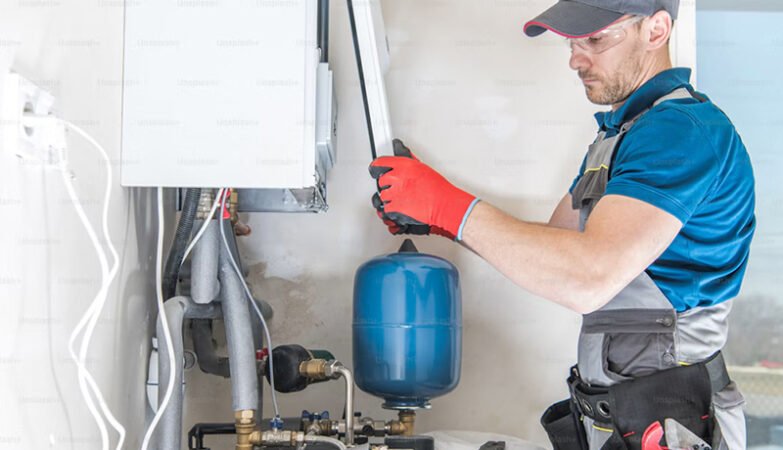
Some routine tasks, such as checking visible pressure readings or removing debris from accessible baskets, may be manageable for owners who understand their equipment. However, cracked filter tanks, persistent leaks, abnormal pressure, damaged internal components, and electrical problems require greater care. Pressurized filtration systems can be dangerous when opened incorrectly, while electrical equipment near water must be handled using appropriate safety procedures. Seeking qualified assistance helps prevent injuries and reduces the risk of further equipment damage. A professional technician can assess the filter, pump, valves, plumbing, and water conditions to determine why performance has declined. This broader evaluation is important because a filtration problem may originate elsewhere in the circulation system. A reliable service provider should explain the diagnosis, identify suitable repair options, and provide a clear estimate before beginning significant work. Owners can also ask about maintenance practices that may reduce the likelihood of similar problems developing again. Keeping records of professional servicing helps track equipment condition and identify recurring issues. Owners should retain invoices, replacement part details, warranty documents, and maintenance recommendations for future reference. These records can be useful when comparing repair costs with the expected remaining life of the equipment. Regular inspections and timely servicing often provide better long-term value than waiting until a major failure interrupts normal pool operation.
Conclusion
Effective filtration and proper water circulation are essential for maintaining clear swimming pool water and supporting reliable equipment performance. Selecting a suitable system, understanding its operating requirements, and following the correct cleaning procedures can make a meaningful difference in long-term maintenance. Pool filters work most effectively when they are matched to the pump, maintained according to manufacturer recommendations, and supported by appropriate water chemistry and circulation practices. Regular inspections help identify accumulated debris, abnormal pressure readings, damaged seals, and other problems before they cause significant disruption. Pool owners should monitor system performance, keep the surrounding area clean, and seek professional assistance when equipment shows signs of damage or persistent malfunction. Consistent maintenance can extend the useful life of components, reduce avoidable expenses, and support a more dependable swimming environment. Ultimately, preventing filtration problems requires a balanced approach that combines suitable equipment, responsible operation, regular cleaning, and timely professional servicing. By understanding how the circulation system works and responding promptly to changes in performance, pool owners can protect their investment and enjoy cleaner, more inviting water. A well-maintained filtration system provides lasting value by supporting effective particle removal, dependable circulation, and a better overall swimming experience.