An air conditioning system plays an essential role in maintaining a comfortable indoor environment, especially during periods of high temperatures and humidity. Whether installed in a residential property, commercial building, office, or retail space, an air conditioner helps regulate indoor temperatures, improve air circulation, and create a more pleasant atmosphere. However, like any mechanical appliance, an AC system can develop problems over time because of regular use, poor maintenance, damaged components, electrical faults, or restricted airflow. These issues can reduce cooling performance, increase electricity consumption, and make indoor spaces uncomfortable. Timely AC repair is important for identifying problems, restoring proper operation, and preventing minor faults from developing into expensive equipment failures. Understanding common air conditioning problems, recognizing early warning signs, and following appropriate maintenance practices can help homeowners and business owners protect their cooling equipment and enjoy dependable indoor comfort throughout the year.
Understanding How an Air Conditioning System Works
An air conditioning system operates through a refrigeration cycle that removes heat from indoor air and transfers it outside. Most conventional air conditioners contain several important components, including a compressor, condenser coil, evaporator coil, expansion device, refrigerant lines, and blower fan. Each component performs a specific function to maintain the cooling process. The evaporator absorbs heat from indoor air, while the refrigerant carries that heat toward the outdoor condenser, where it is released into the surrounding environment. The compressor helps circulate refrigerant through the system and maintain the pressure required for the refrigeration cycle.
Modern air conditioning systems may also include electronic control boards, temperature sensors, thermostats, air filters, and variable-speed motors. These components work together to regulate temperature, maintain airflow, and improve operating efficiency. When one part stops functioning correctly, the entire system may experience reduced performance. For example, a dirty air filter can restrict airflow, while a faulty thermostat may prevent the unit from maintaining the selected temperature. Understanding the basic operation of an air conditioner makes it easier to recognize unusual performance and appreciate the importance of professional inspections.
Common Signs That Your Air Conditioner Needs Professional Attention
Recognizing early warning signs can help property owners address air conditioning problems before they become more serious. One of the most common symptoms is insufficient cooling. If an air conditioner runs continuously but fails to maintain the desired indoor temperature, the problem may involve restricted airflow, dirty coils, refrigerant leakage, or a malfunctioning compressor. Uneven cooling between rooms can also indicate problems with ductwork, ventilation, or system capacity.
Unusual noises are another indication that an air conditioning system may require inspection. Grinding, buzzing, rattling, or squealing sounds can result from loose components, worn motor bearings, damaged fan assemblies, or electrical issues. Water collecting around the indoor unit may suggest a blocked condensate drain or another drainage problem. Some systems may also turn on and off frequently, produce unpleasant odors, or operate with unusually high electricity consumption. These symptoms should not be ignored because they may indicate underlying mechanical or electrical faults. Arranging a professional inspection when unusual behavior first appears can help prevent further damage and restore normal cooling performance.
Why Timely AC Repair Is Important for Your Property
Delaying necessary air conditioning repairs can affect both equipment performance and overall operating expenses. A system with restricted airflow, damaged components, or incorrect refrigerant levels may need to operate for longer periods to achieve the desired temperature. This additional workload can increase electricity consumption and place unnecessary strain on important mechanical parts. If the problem continues, other components may also experience premature wear.
Timely repairs help restore normal operation and reduce the possibility of additional damage. For example, replacing a damaged fan motor or clearing a blocked drainage line early may prevent more complicated problems later. Similarly, addressing unusual compressor sounds or electrical faults promptly can help protect expensive system components. Professional technicians can identify the source of the problem, explain the available repair options, and determine whether replacement parts are necessary. Taking action at the right time can improve comfort, reduce unnecessary expenses, and help extend the useful life of an air conditioning system.
Air Conditioner Not Cooling Properly: Causes and Solutions
Insufficient cooling is one of the most frustrating problems homeowners and business owners experience with their air conditioning systems. Several factors can contribute to this issue, and identifying the actual cause is essential for selecting an effective solution. Dirty air filters are a common reason because accumulated dust and debris restrict airflow across the evaporator coil. When airflow becomes limited, the system may struggle to remove heat from indoor air, resulting in reduced cooling performance.
Dirty condenser coils can also interfere with heat transfer and make it difficult for the outdoor unit to release absorbed heat. Other possible causes include malfunctioning thermostats, damaged fan motors, refrigerant leaks, blocked vents, and compressor problems. In some cases, the system may simply be too small for the area it is expected to cool. Professional technicians inspect the equipment, evaluate airflow, examine electrical components, and check refrigerant-related conditions before recommending repairs. Addressing the underlying issue rather than repeatedly changing thermostat settings is the most effective way to restore reliable cooling.
Understanding Refrigerant Leaks and Their Impact on Cooling Performance
Refrigerant is an essential substance that allows an air conditioning system to transfer heat between indoor and outdoor environments. Unlike fuel, refrigerant is not supposed to be consumed during normal operation. If an air conditioner repeatedly requires additional refrigerant, there may be a leak somewhere in the refrigeration circuit. Common warning signs include reduced cooling capacity, longer operating cycles, ice formation on refrigerant lines or evaporator coils, and unusual system behavior.
Refrigerant leaks require professional attention because simply adding more refrigerant does not correct the underlying problem. A qualified technician must locate the leak, determine whether the affected component can be repaired, and follow the manufacturer’s requirements for proper servicing. Refrigerant handling requires specialized equipment and training because different systems use different refrigerants and operating specifications. Attempting to handle refrigerants without appropriate qualifications can create safety and environmental concerns. Professional diagnosis and proper leak correction help restore system performance and reduce the likelihood of repeated cooling problems.
Air Filter Replacement and Its Role in AC Performance
Air filters are among the simplest but most important components of an air conditioning system. Their primary function is to capture airborne particles such as dust, lint, pollen, and other debris before air circulates through the equipment. Over time, these particles accumulate and restrict airflow, forcing the system to work harder to maintain comfortable temperatures. A clogged filter may also contribute to reduced cooling, increased energy consumption, and unnecessary strain on blower components.
The replacement frequency depends on the filter type, household conditions, equipment design, and manufacturer’s recommendations. Homes with pets, frequent occupancy, or higher dust levels may require more frequent filter inspections. Property owners should use compatible filters with appropriate specifications rather than selecting products based only on their advertised filtration rating. Filters that are too restrictive for a particular system may reduce airflow and affect performance. Checking filters regularly and replacing them when necessary is a simple maintenance practice that supports better cooling efficiency and helps maintain cleaner indoor air.
Professional AC Maintenance for Long-Term Equipment Reliability
Regular maintenance is essential for keeping air conditioning equipment in good operating condition. During everyday use, dust can accumulate on coils, electrical connections may loosen, drainage lines can become blocked, and mechanical components can experience normal wear. If these issues are not addressed, they may reduce system efficiency and increase the likelihood of unexpected breakdowns.
A professional maintenance appointment generally includes inspecting filters, cleaning accessible components, checking thermostat operation, evaluating airflow, examining electrical connections, and inspecting the condensate drainage system. Technicians may also examine the outdoor condenser, indoor evaporator, fan assemblies, and refrigerant circuit according to the equipment manufacturer’s service requirements. The exact maintenance process depends on the system type and condition. Regular servicing helps identify developing problems, maintain consistent cooling, and protect important components from unnecessary stress. Combining professional maintenance with basic filter care can significantly improve the reliability of an air conditioning system.
AC Repair Services for Residential Properties
Residential air conditioning systems help maintain comfortable conditions in bedrooms, living rooms, kitchens, and other indoor spaces. Depending on the building design and cooling requirements, homeowners may use split air conditioners, window units, ductless systems, or central cooling equipment. Each type has different operating characteristics and maintenance requirements.
Residential repair services commonly address insufficient cooling, water leakage, unusual noises, thermostat faults, damaged fans, electrical problems, and drainage issues. Technicians can also inspect outdoor units, examine refrigerant connections, and evaluate indoor airflow to identify performance problems. Uneven cooling is another common concern, particularly in homes with multiple rooms or complicated layouts. Restricted vents, damaged ducts, inadequate insulation, and incorrect equipment sizing may contribute to temperature differences. A professional inspection helps determine whether the problem involves the air conditioner itself or another part of the property’s cooling arrangement. Reliable repairs can improve everyday comfort and help homeowners avoid repeated equipment problems.
Commercial Air Conditioning Repair and Maintenance
Commercial properties often depend on larger and more complex air conditioning systems to maintain suitable indoor conditions. Offices, retail stores, restaurants, educational facilities, hotels, and other business environments may use rooftop units, packaged systems, ducted air conditioners, or centralized cooling equipment. These installations often operate for extended periods and must accommodate changing occupancy levels and indoor heat loads.
Commercial air conditioning problems can affect employees, customers, equipment, and daily business operations. Insufficient cooling may create an uncomfortable working environment, while equipment breakdowns can interrupt normal activities. Professional commercial repair services may include electrical troubleshooting, compressor inspections, fan motor replacement, drainage repairs, thermostat adjustments, and airflow assessments. Businesses can also benefit from scheduled maintenance programs that help identify equipment problems before they cause unexpected interruptions. A well-maintained commercial cooling system supports a comfortable indoor environment and helps property managers control operating expenses more effectively.
The Importance of Cleaning Indoor and Outdoor AC Units
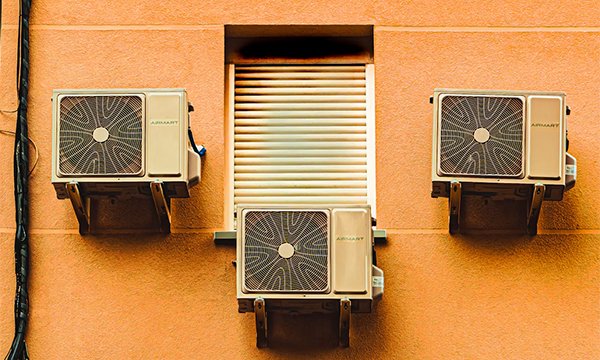
Both indoor and outdoor air conditioning units require proper cleaning to maintain effective heat transfer and airflow. The indoor evaporator coil absorbs heat from circulating air, while the outdoor condenser coil releases that heat into the surrounding environment. When either coil becomes covered with dirt, dust, or other debris, the system may struggle to perform its cooling function efficiently.
The outdoor unit should have sufficient clearance to allow air to circulate freely around the condenser. Leaves, grass, dust, and other materials can accumulate around the equipment and interfere with airflow. Indoor components also require attention because dirty blower assemblies and evaporator coils can affect cooling performance. However, cleaning internal components may involve delicate electrical and mechanical parts that should be handled by trained technicians. Professional cleaning uses appropriate methods and products to avoid damaging equipment. Keeping both units clean helps maintain efficient operation, reduces unnecessary strain, and supports more consistent indoor temperatures.
How Thermostat Problems Affect Air Conditioning Performance
The thermostat controls when an air conditioner starts, stops, and adjusts its cooling operation. When the thermostat works correctly, it measures indoor temperature and communicates the required settings to the HVAC system. However, incorrect settings, sensor problems, wiring faults, low batteries, or electronic failures can interfere with normal operation.
A faulty thermostat may cause an air conditioner to run continuously, stop unexpectedly, or fail to activate when indoor temperatures rise. Sometimes the problem is not the thermostat itself but its location. A thermostat installed near direct sunlight, heat-producing appliances, or poorly circulated air may record inaccurate temperatures. Professional technicians can inspect thermostat connections, verify sensor operation, and determine whether calibration or replacement is necessary. Upgrading to a programmable or smart thermostat may also improve convenience by allowing users to establish schedules and manage temperature settings more effectively. Choosing a compatible thermostat and installing it correctly are important for maintaining reliable system control.
Energy-Efficient Air Conditioning and Lower Electricity Consumption
Energy efficiency is an important consideration for property owners who want to maintain comfortable indoor temperatures without unnecessarily increasing electricity expenses. Air conditioning systems with improved compressors, variable-speed motors, and advanced temperature controls can provide more efficient cooling when properly selected and installed. However, even modern equipment may consume excessive energy if filters are clogged, coils are dirty, ductwork is leaking, or components are not operating correctly.
Regular maintenance helps preserve the efficiency of existing equipment, while suitable repairs can correct problems that increase energy consumption. Homeowners can also improve performance by keeping doors and windows closed while cooling, using suitable curtains to reduce direct sunlight, and setting reasonable thermostat temperatures. Programmable controls can reduce unnecessary operation when rooms are unoccupied. Proper insulation and sealed air gaps also help maintain indoor temperatures. An experienced technician can evaluate system performance and recommend practical improvements that balance comfort, efficiency, and long-term operating costs.
Choosing the Right Air Conditioning System for Your Needs
Selecting an appropriate air conditioning system requires considering several factors, including room dimensions, building layout, insulation, window placement, occupancy, and cooling requirements. Different properties may benefit from different equipment types. Split air conditioners are commonly used for individual rooms, while ductless multi-zone systems can provide temperature control in several areas. Central air conditioning may be suitable for larger buildings with compatible ductwork.
Choosing an unsuitable system can result in inconsistent cooling, frequent cycling, higher electricity consumption, and unnecessary equipment wear. An undersized unit may struggle to maintain comfortable temperatures, while an oversized system may switch on and off too frequently. Professional contractors can assess the property’s cooling requirements and recommend equipment with an appropriate capacity. They can also explain efficiency ratings, maintenance requirements, installation considerations, and expected operating expenses. A careful selection process helps ensure that the equipment meets the property’s needs and provides dependable performance over time.
Common Mistakes to Avoid When Maintaining an Air Conditioner
Improper maintenance practices can create additional problems and reduce the performance of air conditioning equipment. One common mistake is ignoring dirty air filters. Restricted airflow can increase system workload and contribute to reduced cooling performance. Another mistake is blocking the outdoor condenser with plants, storage items, or other obstructions. The outdoor unit needs adequate space for airflow and heat release.
Some property owners also ignore unusual sounds, water leakage, or sudden increases in electricity consumption, assuming these problems will disappear without attention. Unfortunately, minor faults may become more complicated when equipment continues operating under abnormal conditions. Attempting electrical repairs or refrigerant handling without proper training can also create safety risks and damage expensive components. Another common issue is setting the thermostat to an extremely low temperature in the belief that the room will cool faster. Most systems do not cool faster simply because a lower setting is selected. Following manufacturer recommendations, maintaining clear airflow, and arranging professional inspections are better ways to protect equipment.
Factors That Influence the Cost of AC Repair
The cost of air conditioning repairs depends on the type of system, the nature of the problem, replacement-part requirements, and the labor involved. Minor issues involving thermostat settings, accessible drainage problems, or simple component replacements may require less work than repairs involving compressors, electronic control boards, or refrigerant leaks. The age and condition of the equipment can also influence the overall expense.
Accessibility is another important consideration because some installations require additional time to inspect or reach damaged components. Commercial systems may involve more complicated diagnostics and larger replacement parts than standard residential equipment. Property owners should request a detailed estimate that explains diagnostic charges, labor costs, replacement materials, and any additional services. It is also helpful to compare the expected repair expense with the age, efficiency, and condition of the existing system. If major components repeatedly fail, replacing the equipment may provide better long-term value than continuing to pay for frequent repairs.
How to Choose a Reliable AC Repair Professional
Choosing an experienced service provider is essential for receiving dependable air conditioning maintenance and repair work. A qualified professional should understand different air conditioning technologies, electrical systems, refrigerant circuits, airflow requirements, and manufacturer specifications. They should also have the appropriate tools and technical knowledge to diagnose problems accurately rather than relying on guesswork.
Before hiring a service provider, property owners should ask about relevant experience, licensing or applicable qualifications, insurance coverage, and service warranties. Requesting a written estimate can help clarify the recommended work and prevent unexpected expenses. Customer reviews and previous project experience may also provide useful information about service quality. A trustworthy technician should explain the problem in understandable terms and discuss available repair options before performing major work. They should not recommend expensive equipment replacement without providing a reasonable explanation of the system’s condition. Selecting a dependable professional can make the repair process more convenient and help protect the long-term performance of the cooling system.
When Should You Repair or Replace Your Air Conditioner?
Deciding whether to repair or replace an air conditioner depends on several factors, including equipment age, repair frequency, energy efficiency, and the condition of major components. A relatively new system with a minor electrical or drainage problem will often benefit from repair. However, an older unit that experiences repeated breakdowns may become increasingly expensive to maintain. Frequent compressor problems, significant refrigerant leaks, and recurring component failures may indicate that replacement deserves consideration.
Energy consumption should also be considered when making this decision. Older systems may operate less efficiently than modern alternatives, potentially resulting in higher electricity expenses. A professional technician can evaluate the existing equipment, estimate repair requirements, and compare the likely costs of continued maintenance with the investment required for replacement. The decision should be based on the overall condition and expected performance of the equipment rather than age alone. Careful evaluation helps property owners choose a solution that provides reliable cooling and reasonable long-term value.
Conclusion: Maintain Comfortable Indoor Spaces With Professional AC Services
A properly functioning air conditioning system is essential for maintaining comfortable indoor temperatures, improving airflow, and creating a pleasant environment in residential and commercial properties. However, regular operation, dust accumulation, electrical faults, drainage problems, and worn components can affect cooling performance over time. Recognizing early warning signs and arranging timely ac repair can help prevent additional damage, reduce unnecessary electricity consumption, and extend the useful life of the equipment.
Regular maintenance, clean air filters, suitable thermostat settings, and professional inspections all contribute to dependable cooling performance. Property owners should also select equipment according to their building’s requirements and consider energy efficiency when planning upgrades. Whether dealing with insufficient cooling, unusual noises, water leakage, or a complete system breakdown, professional diagnosis and quality workmanship are important for achieving lasting results. By prioritizing preventive maintenance and addressing problems promptly, homeowners and businesses can enjoy reliable air conditioning, better indoor comfort, and improved equipment performance throughout the year.