Severe weather can cause unexpected destruction to residential and commercial properties, creating challenges that require immediate attention and careful planning. Heavy rainfall, powerful winds, hailstorms, thunderstorms, and falling trees can damage roofs, break windows, weaken exterior walls, and allow water to enter indoor spaces. Even when a storm lasts only a few hours, its effects can continue for weeks or months if the resulting damage is not addressed properly. Water intrusion, structural weaknesses, damaged electrical systems, and deteriorating building materials can affect the safety and comfort of occupants. In addition to physical destruction, property owners may experience financial pressure, emotional stress, and difficulties returning to their normal routines. Understanding the recovery process can make these situations easier to manage. Professional storm damage restoration services provide essential assistance by identifying damaged areas, removing water, repairing affected structures, and helping properties return to a safe and functional condition. With appropriate equipment, experienced professionals, and a well-organised recovery plan, property owners can minimise additional damage and protect their investments.
Understanding How Severe Weather Affects Residential and Commercial Properties
Different weather conditions can affect buildings in different ways, and understanding these risks is important when planning an effective recovery strategy. Strong winds can place considerable pressure on roofing systems, exterior walls, windows, and doors. They may remove shingles, loosen roof tiles, damage gutters, and cause trees or outdoor objects to strike buildings. In particularly severe conditions, wind pressure can weaken structural connections and create openings that allow rainwater to enter the property. Even minor exterior damage should be taken seriously because small openings can become major sources of moisture intrusion during subsequent rainfall.
Heavy rain creates another set of challenges, particularly when drainage systems cannot manage the amount of water falling within a short period. Blocked gutters, overflowing drains, damaged foundations, and poorly sealed windows can allow water to accumulate around or inside buildings. Once moisture enters a property, it can spread through carpets, wooden flooring, insulation, plasterboard, and furniture. These materials may lose their strength, develop unpleasant odours, or become unsuitable for continued use.
Hailstorms can damage roofing materials, vehicles, windows, outdoor equipment, and exterior finishes. Large hailstones may leave dents, cracks, and broken sections that reduce a building’s ability to resist future weather conditions. Lightning can also create electrical hazards by damaging wiring, appliances, and sensitive electronic equipment. Because different types of weather damage require different repair techniques, a detailed assessment is necessary before restoration work begins.
Why Timely Property Recovery Should Be a Priority
Taking immediate action after severe weather is one of the most effective ways to reduce the overall impact of property damage. Problems that initially appear small can become more serious when exposed to additional rainfall, changing temperatures, or prolonged moisture. For example, a damaged roof may allow water to enter the attic, where insulation and wooden components can gradually become saturated. If the moisture remains untreated, it may spread into ceilings and walls, creating additional repair requirements.
Safety should always be the first consideration after a storm. Property owners should avoid entering areas with unstable ceilings, damaged electrical systems, fallen structural materials, or visible signs of serious structural movement. Standing water near electrical equipment can be especially dangerous, while damaged gas connections and weakened building components may create further risks. If there are concerns about structural stability, qualified professionals should inspect the property before occupants return.
Once the building is considered safe, documenting the visible damage can help organise the recovery process. Photographs, videos, written notes, and records of damaged belongings provide useful information for insurance claims and repair estimates. Temporary protective measures may also be required to prevent additional water entry or exposure to weather conditions. Addressing urgent problems early helps reduce secondary damage and makes subsequent repairs more manageable.
The Importance of Comprehensive Property Inspections
A thorough inspection is an essential part of any successful recovery project because storm damage is not always visible from the outside. While broken windows, missing roof tiles, and fallen branches may be easy to identify, moisture trapped behind walls or damage to hidden structural components can remain unnoticed. Failing to identify these issues may result in recurring problems after the visible repairs have been completed.
Professional inspections generally begin with an examination of the building’s exterior. Roofing materials, flashing, gutters, downspouts, windows, doors, exterior walls, and drainage systems are checked for signs of damage. Inspectors look for missing components, cracks, loose fittings, displaced materials, and other weaknesses that could allow water to enter the building. Particular attention is given to roof edges, joints, and areas where different building materials meet because these locations are often vulnerable during severe weather.
Interior inspections focus on ceilings, walls, flooring, insulation, basements, and other areas that may have experienced moisture exposure. Water stains, bubbling paint, swollen materials, and unusual odours can indicate underlying problems. Moisture meters and other specialised equipment may help identify damp areas that are not visible to the naked eye.
Structural assessments may also be necessary when a building has experienced strong winds, falling trees, or significant flooding. Professionals evaluate walls, foundations, support components, and other important structural elements to determine whether repairs are required. A detailed inspection creates a clear understanding of the property’s condition and helps establish priorities for the restoration process.
Restoring Damaged Roofing Systems and Exterior Surfaces
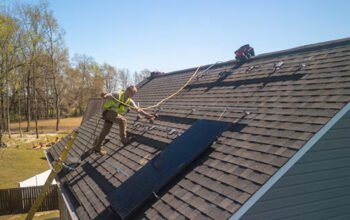
Roofing systems provide one of the most important protective barriers against environmental conditions. When storms damage this barrier, rainwater and debris can enter the building, affecting both interior spaces and structural materials. Missing shingles, cracked tiles, damaged flashing, loose roof panels, and punctured membranes should be identified and addressed before additional weather exposure causes further deterioration.
Temporary protection may be necessary while permanent repairs are being organised. Depending on the situation, qualified contractors may install suitable coverings, temporary barriers, or protective materials to reduce water intrusion. These measures can help prevent additional damage, but they should not be considered a replacement for proper repairs. Working on damaged roofs can be extremely hazardous, so property owners should avoid climbing onto unstable surfaces.
Permanent repairs depend on the severity of the damage and the construction materials used. Some roofing systems may require the replacement of individual shingles or tiles, while others may need larger sections reconstructed. If the roof decking, supporting framework, or underlying materials have been affected, more extensive work may be necessary. Professional contractors assess whether targeted repairs are sufficient or whether replacing the entire roofing system would provide better long-term protection.
Exterior walls, siding, gutters, windows, and doors should also receive attention. These components work together to prevent moisture from entering the building. Repairing damaged seals, replacing broken glass, securing loose fittings, and restoring drainage systems can improve the property’s overall resistance to future weather conditions.
Effective Water Extraction and Structural Drying Techniques
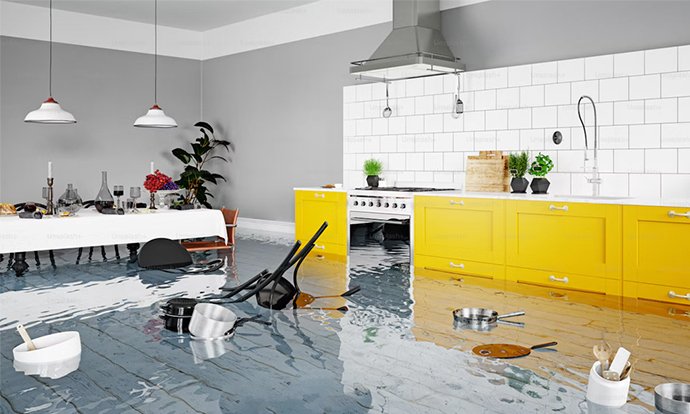
Water intrusion is one of the most challenging consequences of severe storms because moisture can spread quickly throughout a building. Flooded rooms, soaked carpets, wet furniture, and damp wall cavities can create serious problems when water is not removed promptly. Materials such as wood, insulation, and plasterboard may absorb moisture, resulting in swelling, deterioration, and reduced structural performance.
The water removal process begins with a safety assessment to determine whether the affected areas can be accessed safely. Professionals then select suitable extraction equipment based on the amount of water and the characteristics of the building. Pumps, wet vacuums, and specialised extraction machines may be used to remove standing water from floors, basements, and other affected spaces.
Removing visible water is only the beginning of the drying process. Moisture may remain trapped beneath flooring, inside wall cavities, and within insulation materials. Commercial dehumidifiers and industrial air movers are commonly used to support controlled drying. These machines help improve airflow, reduce humidity, and remove moisture from the surrounding environment.
Professionals may monitor moisture levels throughout the process to determine whether materials have dried sufficiently. This is important because installing new flooring, applying paint, or closing wall cavities before adequate drying can trap moisture and create additional problems. Materials that are heavily damaged, contaminated, or impossible to dry properly may need to be removed and replaced. A systematic approach to water extraction and drying helps create a suitable foundation for the remaining repair work.
Preventing Mould Growth and Moisture-Related Problems
Mould development is a common concern following storm-related water damage. When moisture remains inside a building, suitable surfaces may provide the conditions necessary for mold to grow. Areas with limited ventilation, including basements, bathrooms, attics, wall cavities, and spaces beneath flooring, can be particularly vulnerable.
Mould may appear as dark, greenish, or discoloured patches on walls, ceilings, furniture, and other surfaces. However, not all contamination is immediately visible. A persistent musty smell, peeling paint, or recurring dampness may indicate hidden moisture problems. Simply cleaning visible stains or covering affected areas with paint is not enough to resolve an underlying mould issue.
The first step in prevention is identifying and correcting the original source of moisture. Damaged roofing, leaking pipes, broken windows, and drainage problems must be addressed so that water does not continue entering the property. Affected areas should then be dried using appropriate equipment and methods. Materials that cannot be safely restored may require professional removal.
For larger or more complex contamination problems, specialised remediation services may be necessary. These services can involve containment, suitable protective equipment, controlled cleaning, and safe disposal of affected materials. Proper ventilation and humidity management also help reduce the likelihood of future mold development. Addressing moisture problems completely is essential for maintaining a comfortable indoor environment.
Repairing Interior Walls, Ceilings, Floors, and Household Belongings
Once the property has been inspected, water has been removed, and affected materials have been adequately dried, attention can shift towards interior repairs. Storm-related damage can leave walls discoloured, ceilings weakened, flooring swollen, and decorative finishes damaged. Restoring these areas requires careful preparation to ensure that new materials are installed on stable and properly dried surfaces.
Walls and ceilings may require different levels of repair depending on the extent of moisture exposure. Minor surface imperfections can sometimes be corrected with suitable fillers and finishing compounds. However, plasterboard that has become soft, distorted, or contaminated may need replacement. Once repairs are complete, surfaces should be prepared with suitable primers and paints to create a consistent finish.
Flooring repairs depend on the material and the amount of water involved. Carpets may be professionally cleaned and dried when their condition allows, although heavily contaminated materials may need replacement. Wooden floors can absorb water and develop swelling, warping, or separation between individual sections. Tile flooring may remain usable if the underlying surface is undamaged, but loose tiles and deteriorated grout should be repaired.
Household possessions may also require attention. Furniture, clothing, documents, electronic equipment, and decorative items can all be affected by moisture or debris. Some items can be recovered through professional cleaning and drying, while others may be beyond repair. Separating damaged belongings from unaffected possessions helps organise the recovery process and makes it easier to document losses for insurance purposes.
Managing Insurance Claims and Financial Documentation
Insurance coverage can provide valuable financial assistance when properties experience severe weather damage. However, the claims process requires accurate documentation, timely communication, and an understanding of the policy’s terms and conditions. Homeowners should review their insurance agreements to identify covered events, exclusions, deductibles, and any specific requirements for reporting damage.
Documenting the property’s condition before permanent repairs begin is generally helpful whenever it can be done safely. Clear photographs and videos can show the extent of damage to roofing, walls, flooring, furniture, and other belongings. Written descriptions, repair estimates, purchase receipts, and records of emergency expenses may also support the claim.
Insurance providers may arrange an inspection through an adjuster or another representative. Property owners should provide accurate information and retain copies of all relevant communications. If contractors are involved, detailed estimates can help explain the proposed repair work, including labour, materials, equipment, and additional services.
Professional storm damage restoration companies may assist with damage documentation, inspection reports, and repair estimates. However, the final decision regarding insurance coverage depends on the policy and the insurer’s assessment. Property owners should carefully review contracts, understand payment arrangements, and avoid signing documents they do not fully understand. Good recordkeeping can make the claims process more organised and reduce the likelihood of unnecessary confusion.
Choosing Experienced Restoration Contractors
The quality of restoration work depends heavily on the professionals responsible for carrying it out. Property owners should select contractors who have relevant experience, suitable equipment, trained personnel, and a clear understanding of the repair process. A reliable service provider should be able to explain the condition of the property, identify essential repairs, and recommend appropriate materials.
Checking customer reviews, previous projects, references, and relevant business credentials can help when comparing different companies. Homeowners should also ask whether the contractor has appropriate insurance and whether the proposed work is covered by a written agreement. These details provide greater confidence that the project will be managed professionally.
A detailed estimate should explain the expected labour costs, materials, equipment requirements, project stages, and any additional charges that may arise. Comparing multiple quotations can help property owners understand the available options, but choosing a contractor based solely on the lowest price may not provide the best long-term outcome. Poor-quality drying or incomplete structural repairs can create expensive problems later.
Communication is equally important throughout the project. Restoration work may involve inspections, water extraction, drying, cleaning, reconstruction, and finishing. Contractors should explain the expected timeline and provide updates when additional damage is discovered. Clear communication helps property owners understand the progress of the work and make informed decisions.
Understanding the Cost of Property Restoration
The total expense of restoring a property after severe weather depends on several factors, including the type of damage, the size of the affected area, the building materials, and the amount of labour required. Minor repairs involving damaged gutters, broken windows, or a small section of roofing may be relatively straightforward. Extensive flooding, structural damage, and major reconstruction can require considerably more time and financial investment.
The restoration process may include inspection fees, emergency protection, water extraction, drying equipment, mould remediation, debris removal, replacement materials, and reconstruction costs. The need for specialised equipment or additional professional services may also influence the overall budget.
Property owners should request itemised estimates whenever possible. These documents make it easier to understand how the total cost has been calculated and which services are included. If additional damage becomes apparent during the project, contractors should explain the necessary changes and provide updated estimates before proceeding with extra work whenever practical.
Setting aside a contingency amount can also be helpful because hidden damage may not become apparent until walls, flooring, or other materials are removed. Although budget considerations are important, selecting appropriate materials and qualified professionals should remain a priority. Quality repairs can reduce recurring maintenance requirements and provide better long-term value.
Preparing Your Property to Reduce Future Storm Damage
Although severe weather cannot be controlled, homeowners can take practical steps to reduce the risk of property damage. Regular inspections and maintenance help identify weaknesses before they become serious problems. Roofs, gutters, drainage systems, windows, exterior walls, and foundations should all receive periodic attention.
Keeping gutters and downspouts clear allows rainwater to move away from the building more effectively. Loose roofing materials, damaged flashing, cracked seals, and deteriorating exterior finishes should be repaired before severe weather occurs. Trees and large branches close to buildings should also be maintained appropriately to reduce the risk of falling debris.
Checking windows and doors for damaged seals and loose fittings can help reduce the possibility of water entering the property. Drainage systems should be maintained to prevent excessive water accumulation around foundations. In areas with a history of flooding, property owners may benefit from additional protective measures suited to their building design and environmental conditions.
Preparing an emergency supply kit is another useful precaution. Essential items may include drinking water, flashlights, batteries, first-aid supplies, important documents, and communication equipment. Keeping insurance details and emergency contact information accessible can also make unexpected situations easier to manage.
The Long-Term Value of Professional Property Recovery
Restoring a property after severe weather involves much more than repairing visible damage. A properly managed project addresses underlying problems, protects important structural components, and helps prevent future deterioration. Professional inspections can identify hidden weaknesses, while suitable drying and repair techniques help reduce the risk of recurring moisture problems.
One important benefit is the restoration of a safe and functional indoor environment. Removing damaged materials, controlling moisture, repairing structural components, and restoring essential building systems can make the property suitable for normal use again. Professional work can also improve the appearance of affected spaces by repairing walls, ceilings, floors, and exterior finishes.
Another advantage is the protection of long-term property value. Buildings that receive appropriate maintenance and timely repairs are generally easier to manage than properties with unresolved structural or moisture problems. Keeping records of inspections, materials, repairs, and completed work can also help property owners plan future maintenance more effectively.
A comprehensive recovery approach encourages property owners to address immediate damage while considering future protection. Replacing unsuitable materials with durable alternatives, improving drainage, and correcting vulnerable areas can help reduce the impact of similar weather events in the future.
Conclusion
Severe weather can create significant challenges for property owners, affecting everything from roofing systems and exterior walls to interior flooring, furniture, and essential building components. Recovering from this type of destruction requires careful inspections, immediate safety measures, effective water removal, appropriate drying techniques, and professional repairs. Ignoring hidden damage or delaying necessary work can increase expenses and create additional problems over time.
Professional storm damage restoration services help property owners manage the recovery process by identifying affected areas, addressing moisture concerns, repairing damaged structures, and returning buildings to a functional condition. Selecting experienced contractors, maintaining accurate insurance documentation, and investing in suitable materials are important steps towards achieving reliable results.
Preventive maintenance also plays an important role in protecting properties against future weather-related problems. Regular inspections, proper drainage, roof maintenance, and emergency preparation can reduce potential risks and make buildings more resilient. With a structured recovery plan and quality workmanship, property owners can overcome the challenges caused by severe weather, protect their investments, and maintain safer, more comfortable spaces for the future.