A roof rarely demands attention at a convenient moment. One leak seems manageable, a missing shingle looks harmless, and suddenly a ceiling stain begins spreading. In Tenino, where annual precipitation at nearby weather stations commonly exceeds 40 inches, moisture exposure can make timely roof maintenance especially important. Knowing when to stop patching and plan a replacement can help protect your home, control long-term costs, and avoid the stress of repeated emergency repairs.
Know When a Repair Is No Longer Enough
In Tenino roof replacement work is a common consideration for homeowners dealing with aging shingles, recurring leaks, and weather-related wear. A roof assessment should consider the condition of the shingles, flashing, underlayment, drainage, ventilation, and underlying decking. A replacement decision should be based on the overall roofing system, not just the most visible damage.
A repair often makes sense when the problem is limited to one area and the surrounding materials remain sound. A few lifted shingles, damaged flashing, or a leak around a single roof penetration may be straightforward to fix. If the roof is relatively young and has otherwise performed well, replacing the entire system could be an unnecessary expense.
The important distinction is whether the damage is isolated or widespread. If inspections reveal soft decking, moisture in several areas, or leaks that keep returning, a patch may only delay a larger project. Repeatedly fixing individual symptoms without addressing their underlying cause can become expensive and frustrating.
Roof Age Can Tell a Bigger Story
A leak gets your attention, but the roof’s age can provide valuable context. Many asphalt shingle roofs last approximately 20 to 30 years, although material quality, installation, ventilation, maintenance, and weather exposure all influence their actual service life.
An older roof approaching the end of its expected lifespan deserves closer attention, especially when several warning signs appear together. Shingles may curl, crack, or lose protective granules. You might notice loose material in gutters, uneven patches across the surface, or a growing history of repairs.
Age alone does not automatically mean replacement is necessary. A well-maintained roof can sometimes outlast expectations, while a poorly installed one may deteriorate much sooner. The better question is how much useful life remains and whether the next repair is likely to provide meaningful value.
If several components are wearing out simultaneously, replacement may offer a more dependable long-term solution than continuing to spend money on individual fixes.
Widespread Damage Changes the Decision
Damage across several roof sections often signals a problem that a small repair cannot adequately resolve. Multiple leaks, extensive shingle deterioration, sagging areas, and persistent moisture in the attic may indicate that water has reached components beneath the exterior covering.
Interior damage deserves particular attention. A brown ceiling stain might originate far from the point where water enters, because moisture can travel along framing before becoming visible. Damp insulation, musty odors, peeling paint, and recurring ceiling marks are additional reasons to arrange a professional assessment.
Structural warning signs require prompt attention. If the roof visibly sags or the decking appears compromised, avoid walking on it and seek qualified help. Covering a damaged surface with new shingles will not correct an underlying structural problem.
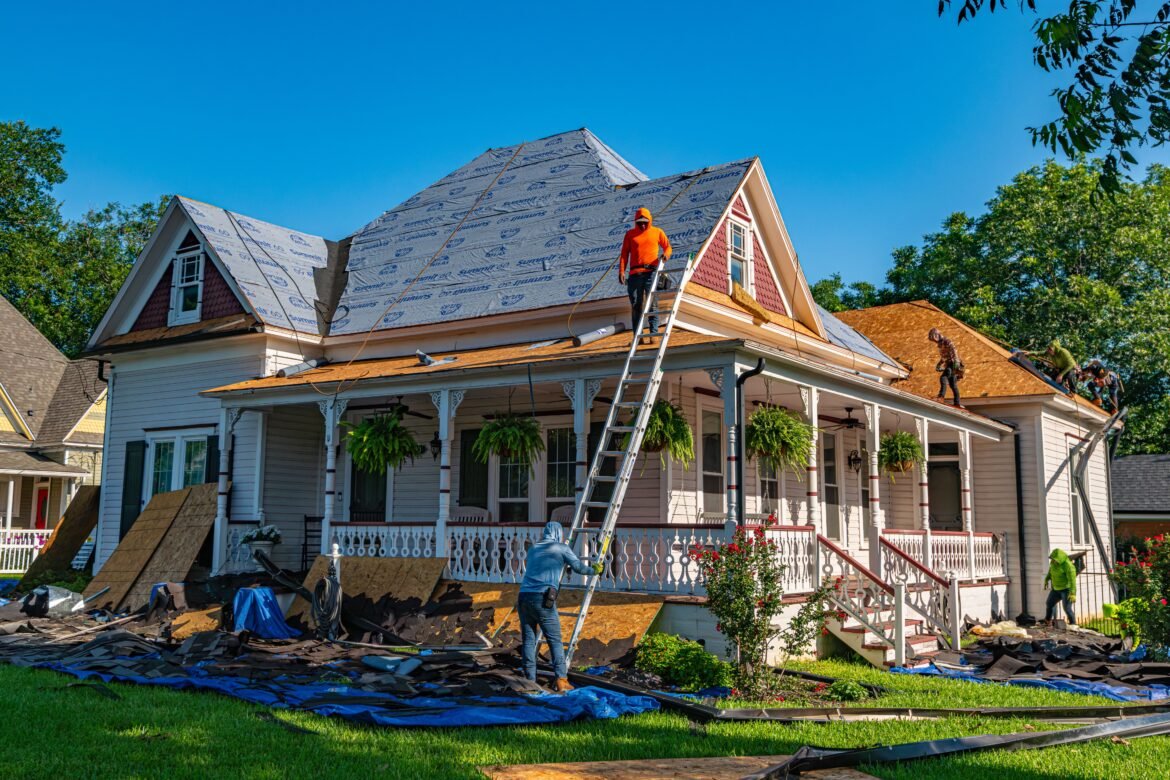
A replacement project can provide an opportunity to address worn underlayment, deteriorated flashing, damaged decking, and ventilation deficiencies together. The scope should be documented clearly so you understand which components need replacement and why.
Moisture and Ventilation Matter More Than Appearance
Roofing materials face different challenges depending on their surroundings. Frequent rainfall, overhanging branches, blocked drainage channels, and persistent shade can keep surfaces damp and encourage moss growth. Moss may lift shingles, retain moisture, and complicate drainage when left unmanaged.
Ventilation also influences roof performance. An attic that cannot manage heat and moisture properly may develop condensation, damp insulation, or conditions that contribute to premature material deterioration. These problems are not always visible from the ground, making a thorough inspection valuable.
Understanding how home ventilation and moisture control work can help homeowners recognize why airflow and moisture management deserve attention alongside the exterior covering. Replacing shingles without correcting an underlying ventilation or drainage issue may leave the same conditions in place.
Local weather does not automatically require an entirely new roof. Instead, it changes what an inspector should investigate and how carefully the existing system should be evaluated.
Compare the Long-Term Cost, Not Just the Estimate
Repair usually costs less initially, which makes it tempting when a household budget is tight. However, the immediate price does not tell the whole story. Repeated service visits, interior water damage, damaged insulation, and emergency repairs can gradually turn a seemingly inexpensive fix into a costly cycle.
Compare the expected cost of the proposed repair with the likely remaining life of the roof. Ask whether the repair addresses the underlying cause, how long the solution is expected to last, and what additional work might become necessary. A contractor should explain the assumptions behind the estimate rather than promise that a patch will solve every problem.
Replacement also has costs beyond materials and labor. The estimate may need to account for disposal, decking repairs, flashing, ventilation improvements, and any necessary protection for landscaping or outdoor areas. Request an itemized written estimate so you can compare equivalent scopes instead of choosing solely by the lowest total.
A new roof may also make a home more appealing to future buyers, although the effect on resale value depends on the property’s condition and local market. Treat that benefit as a possibility, not a guaranteed return.
Choose an Assessment You Can Trust
A reliable recommendation should come from evidence, not pressure. Ask the contractor to show you photographs of the damage, explain whether it is isolated or widespread, and identify which components remain serviceable. If the recommendation is replacement, ask why a targeted repair would not be sufficient.
Getting more than one written estimate can help you understand differences in materials, warranties, labor, and project scope. The Federal Trade Commission’s guidance on avoiding home repair scams recommends checking credentials, seeking trusted references, and obtaining written estimates before committing to major work.
Be cautious of anyone demanding immediate payment or insisting that you decide before reviewing the findings. A professional should give you enough information to make an informed decision without relying on fear.
Protect Your Home Before Small Problems Grow
The best time to consider replacement is before recurring leaks create extensive interior damage. If the roof is relatively new and the problem is contained, a proper repair may be all you need. If deterioration is widespread, the roof is nearing the end of its service life, or the underlying structure has been affected, replacement may be the more sensible investment.
Arrange an inspection when you notice repeated leaks, extensive shingle wear, or signs of moisture inside the home. Keep records of repairs and estimates so you can compare the roof’s condition over time.
A replacement is rarely an exciting purchase, but the right decision can reduce uncertainty and help protect the home for years. The goal is not to replace a roof at the first sign of trouble or to keep repairing it indefinitely. It is to understand the condition of the entire system and invest at the point when a lasting solution makes the most sense.