Moving across long distances can turn an exciting fresh start into a complicated exercise in scheduling, budgeting, and decision-making. From coordinating pickup dates to protecting fragile belongings, small details can quickly become major headaches when left until the last minute. Jacksonville, Florida, had an estimated population of 1,016,103 in April 2024, making it a major urban center where moving plans may need to account for busy roads, weather, and property access.
A well-organized move does not require perfection. It requires a realistic timeline, a clear budget, and a plan that leaves room for the unexpected.
Build a Timeline Before Packing Begins
The easiest way to make moving feel manageable is to divide the work into smaller stages. Start several weeks before the move by establishing your budget, deciding what you will take, and researching transportation options. Once those decisions are settled, you can organize the remaining tasks without trying to solve everything at once.
Early planning also gives you time to compare estimates, arrange time away from work, notify your landlord, and coordinate important dates. As moving day approaches, shift your attention toward packing, confirming reservations, and preparing essential documents.
Leave a little breathing room between major tasks. A delayed delivery, unexpected repair, or change in travel arrangements can disrupt an overly tight schedule. Building flexibility into your timeline makes it easier to respond calmly instead of rushing through unfinished jobs.
Choose Your Moving Company Carefully
Your moving company will handle possessions that may be valuable financially or personally. Reliability, clear communication, and appropriate registration deserve as much attention as the price.
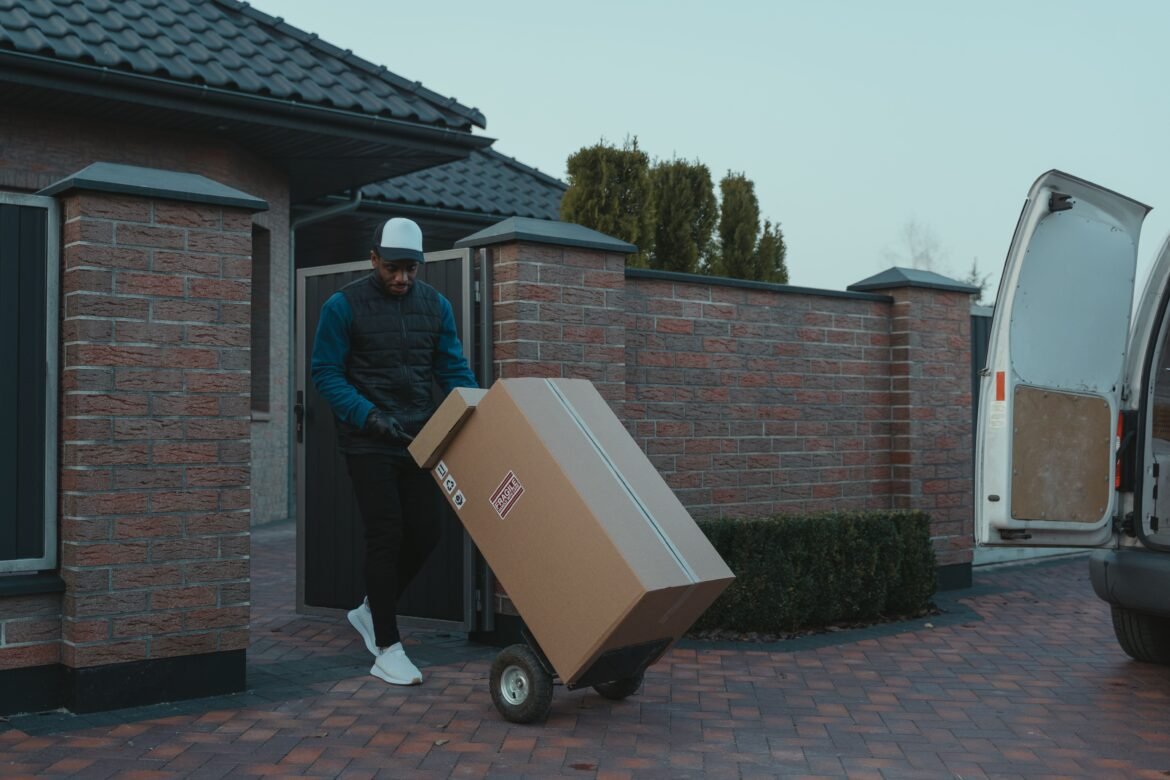
If you are comparing long distance movers in Jacksonville, check whether each provider handles interstate relocations and can explain its pickup schedule, delivery window, inventory process, and procedures for damaged or missing items. Ask who will transport your belongings and how you can obtain updates while they are in transit.
Read the contract before signing and make sure the inventory reflects what you intend to move. For interstate moves, verify the company’s registration and understand the available protection options.
Understand the Full Cost of Relocating
The transportation quote is only one part of your moving budget. Packing materials, storage, insurance or valuation coverage, travel, temporary accommodation, and utility deposits can increase the final expense.
When comparing estimates, ask what the quoted price includes and which circumstances could trigger additional charges. Stairs, difficult access, bulky furniture, extra packing services, and changes to the inventory may affect the cost. Request written estimates that describe the services being provided rather than relying on a quick verbal figure.
Keep a separate allowance for unexpected expenses. Even careful planning cannot eliminate every surprise, and having a financial cushion can prevent a minor problem from becoming a major source of stress.
Timing may affect availability and pricing, so begin comparing options early. Avoid choosing a provider solely because its initial estimate is dramatically lower than the alternatives. A fair comparison should consider service details, communication, protection options, and the reliability of the arrangements.
Let Go of What You No Longer Need
Moving unnecessary possessions adds packing time, transportation volume, and unpacking work. Before putting everything into boxes, walk through each room and decide what deserves a place in your next home.
Separate belongings into items to keep, donate, sell, recycle, or discard. Be realistic about clothes you no longer wear, broken appliances, duplicate kitchen tools, and boxes that have remained untouched for years.
Start with areas that contain many rarely used items, such as storage cupboards, spare rooms, and garages. Making these decisions early gives you more time to arrange donations or sales without disrupting the final packing days.
Decluttering also makes settling in easier. Instead of paying to transport objects you no longer want, you can concentrate on organizing the belongings that support your everyday life.
Pack for Easier Unpacking
Packing should make the arrival process easier, not simply get everything out of the old property. Work room by room, grouping similar items and labeling boxes with both their destination and a brief description of their contents.
Use appropriately sized boxes for heavy belongings and secure fragile items with suitable padding. Keep small furniture fittings in labeled bags, and attach them securely to the corresponding furniture when practical. Avoid making boxes so heavy that they become difficult to lift safely.
Set aside an essentials bag containing medication, chargers, toiletries, important documents, a change of clothes, and anything else you may need immediately. Keep valuables and essential paperwork with you rather than placing them in the main shipment.
A simple inventory can also help you track important boxes and notice missing items during delivery. The aim is not to create paperwork for its own sake; it is to make finding everyday necessities straightforward when everything else is packed away.
Prepare for the Logistics of Moving Day
Even a well-packed home can encounter delays if access arrangements are overlooked. Confirm loading instructions, parking availability, elevator reservations, building rules, and the time window for collecting the shipment.
If children or pets are part of the household, arrange a safe, quiet plan for them while furniture and boxes are being moved. Keep water, snacks, your phone, and essential documents accessible throughout the day.
Check the weather forecast and allow extra time if conditions could affect driving or loading. Take photographs of valuable belongings and note any existing damage before the shipment leaves. When the movers arrive, make sure they know which items need special handling and how they can reach you during transit.
These practical details may seem minor, but sorting them out beforehand reduces confusion when everyone’s attention is divided.
Make the First Week Feel Manageable
The move is not finished when the last box arrives. Your first few days should focus on making the home functional before worrying about decorative details or perfect organization.
Set up sleeping areas, bathrooms, basic kitchen supplies, and internet access first. Check delivered furniture and appliances, record any damage, and report problems promptly under the terms of your agreement. Update your address with relevant organizations and make sure essential services are working.
Give yourself permission to unpack gradually. A few organized rooms are more useful than a whole home emptied in a hurry, especially when you are already tired from traveling and coordinating logistics.
For another practical perspective, the Canadian Red Cross guide to staying prepared while moving homes highlights the value of keeping essential supplies accessible and maintaining safe pathways around packed belongings.
Make Preparation Your Greatest Advantage
A long-distance move may never be completely effortless, but it can be far less chaotic when every stage has a purpose. Build your timeline early, understand the full cost, choose a reliable mover, and pack with your arrival in mind.
Most importantly, leave room for delays and give yourself time to adjust. The goal is not to complete every task perfectly. It is to protect your belongings, manage your expenses, and make the transition into your new home as straightforward as possible.