Introduction
Transforming an outdoor area into a comfortable living space is an excellent way to improve a property’s appearance, functionality, and overall atmosphere. A thoughtfully designed outdoor environment provides additional room for relaxation, family gatherings, dining, and entertainment while creating a natural connection between indoor and outdoor living. With suitable materials, comfortable furniture, attractive lighting, and well-planned landscaping, homeowners can turn an ordinary backyard into an inviting retreat. Careful planning is essential because the layout, drainage, durability, and maintenance requirements of outdoor features all contribute to the long-term success of the project. A well-designed Patio can serve as the foundation of a beautiful outdoor living area by combining practical surfaces with decorative elements that reflect the homeowner’s personal style. Whether the goal is to create a peaceful reading corner, an outdoor dining area, or a welcoming place for social gatherings, every design decision should support comfort and usability. Selecting durable paving materials, arranging furniture effectively, and providing appropriate shade can make the space more enjoyable throughout the year. By focusing on both appearance and functionality, property owners can create an outdoor environment that adds lasting value and improves everyday living.
Plan Your Outdoor Space Around Your Lifestyle
The first step in transforming an outdoor area is identifying how the space will be used. Some homeowners may want a quiet place to relax after a busy day, while others may prefer a dedicated area for outdoor meals, family activities, or entertaining guests. These preferences influence the size, layout, furniture, and additional features required for the project. Establishing clear priorities before construction begins helps ensure that the finished design supports everyday needs without becoming overcrowded or difficult to maintain. The available space should be measured carefully, with attention given to doors, windows, garden beds, pathways, and existing structures. Adequate room should be left for people to move comfortably between seating and dining areas without encountering obstacles. Sunlight, shade, wind exposure, and privacy can also influence where different activities should take place. A carefully planned Patio should complement the surrounding property while providing enough flexibility for changing needs. Thinking about these details early helps prevent expensive alterations and creates a more organized outdoor environment.
Choose Durable and Attractive Surface Materials
The surface material has a major influence on the appearance, comfort, and durability of an outdoor living area. Natural stone provides distinctive textures and colors that can create an elegant, organic appearance, while concrete pavers offer flexibility through a wide range of shapes, patterns, and finishes. Poured concrete may suit contemporary designs that emphasize clean lines, whereas brick can provide a traditional appearance that complements classic architecture. Each material has different installation requirements, maintenance needs, and performance characteristics that should be evaluated before making a decision. Durability should always be considered alongside visual appeal. Outdoor surfaces must withstand foot traffic, moisture, sunlight, and temperature changes without deteriorating prematurely or becoming unsafe. Some materials require periodic sealing, while others need regular cleaning or occasional joint repairs. Slip resistance is especially important in areas that may become wet during rain or near water features. Homeowners should compare material costs, expected service life, maintenance requirements, and available finishes to choose a surface that matches their budget and long-term expectations.
Create a Comfortable and Functional Layout
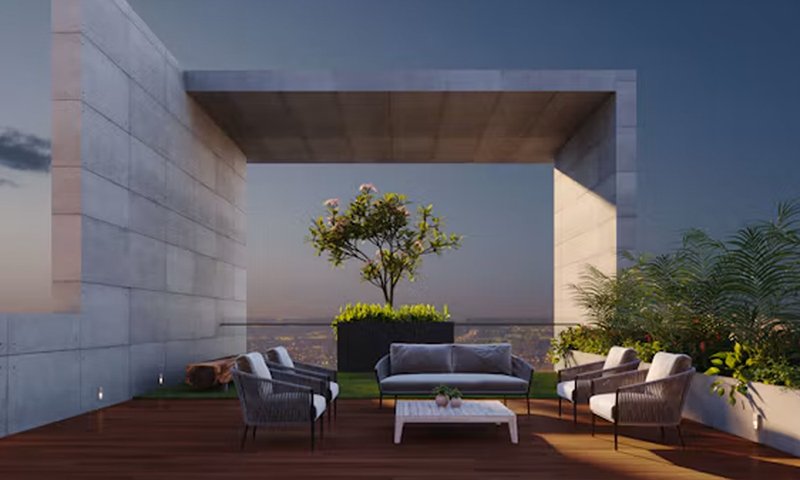
An attractive outdoor environment should combine open space with carefully arranged furniture and decorative features. Seating should encourage conversation, while dining tables should have enough clearance for chairs to move without blocking nearby pathways. Main walking routes should remain accessible, and entrances should not be obstructed by large planters or bulky furniture. A balanced layout helps the area feel spacious and ensures that different activities can take place comfortably. Creating separate zones can make the outdoor environment more practical and visually appealing. A dining area can be positioned near an outdoor cooking station, while lounge seating may face a garden, fountain, or attractive landscape feature. Low walls, planters, and changes in paving patterns can help define these zones without making the space feel closed off. The arrangement should also allow room for guests and accommodate occasional gatherings. By combining organization with flexibility, homeowners can create an outdoor setting that is both functional and inviting.
Invest in Comfortable Outdoor Furniture
Furniture plays an important role in making an outdoor area suitable for relaxation and social activities. Comfortable chairs, supportive benches, dining tables, and lounge seating can help create a welcoming atmosphere while providing practical places to sit, eat, and spend time with family. The size and style of each item should match the available space so that furniture does not interfere with movement or make the layout feel crowded. Coordinating colors, textures, and finishes can also help create a consistent appearance. Outdoor furniture should be selected for its ability to withstand environmental exposure. Suitable metals, treated timber, and durable synthetic materials can offer practical solutions when chosen according to the conditions in which they will be used. Cushions should be made from outdoor-appropriate fabrics, and protective covers can help reduce exposure to dust and moisture. Furniture should also be cleaned regularly and stored appropriately during severe weather when necessary. Choosing durable pieces may require a greater initial investment, but it can reduce replacement costs and help preserve the quality of the outdoor environment.
Add Shade and Protection from the Weather
Shade can make an outdoor living area more comfortable during warm and sunny conditions. Umbrellas, retractable awnings, pergolas, and shade sails provide different levels of coverage and flexibility. A movable umbrella may be suitable for a compact seating area, while a pergola can introduce a permanent architectural feature that supports climbing plants, hanging decorations, or lighting. The appropriate solution depends on the available space, desired appearance, budget, and level of protection required. Weather protection should be considered during the planning stage rather than added after the main construction is complete. A covered dining area can make outdoor meals more convenient, while shaded seating can remain comfortable during sunny afternoons. Structures should be installed securely and designed for the expected environmental conditions. Homeowners should also consider wind exposure, rainwater runoff, and maintenance access before choosing a permanent shade solution. With thoughtful planning, shade features can extend the usefulness of the outdoor area and improve comfort throughout different seasons.
Enhance the Space with Plants and Landscaping
Landscaping helps connect paved surfaces with the natural environment and adds color, texture, and visual interest. Container gardens, flowering plants, ornamental grasses, shrubs, and carefully selected trees can make an outdoor setting feel more inviting. The choice of plants should reflect the available sunlight, soil conditions, growing space, and amount of maintenance the homeowner is prepared to perform. Combining different plant heights and textures can create depth without overwhelming the overall design. Plant placement should be planned carefully to avoid unnecessary maintenance problems. Trees positioned too close to paved surfaces may create challenges through falling leaves or expanding roots, depending on the species and site conditions. Containers should not block pathways, entrances, or drainage channels, and irrigation should be arranged to prevent excessive water from collecting on the paving. A balanced combination of greenery and open space can soften the appearance of hard surfaces while maintaining the practicality of the outdoor area. Regular pruning and seasonal care will help keep the landscaping healthy and attractive.
Use Outdoor Lighting to Create the Right Atmosphere
Outdoor lighting improves visibility and allows homeowners to enjoy their living space after sunset. Pathway lights can illuminate walking routes, wall fixtures can brighten entrances, and decorative string lights can create a relaxed atmosphere around dining and seating areas. Spotlights may be used to highlight trees, architectural details, or garden features. Combining several types of lighting can create depth and provide useful illumination without relying on a single bright fixture. Safety should remain a priority when installing lighting in outdoor environments. Fixtures, cables, and electrical components must be suitable for their intended conditions and installed according to applicable safety requirements. Qualified professionals should handle electrical work when necessary, particularly when permanent wiring or moisture exposure is involved. Energy-efficient fixtures and appropriate controls can help reduce electricity consumption while allowing convenient operation. Thoughtful lighting choices can improve the atmosphere, usability, and overall appearance of an outdoor living area.
Design an Outdoor Dining and Entertainment Area
An outdoor dining area can make a property more enjoyable by providing a convenient setting for meals, celebrations, and casual gatherings. Depending on the available space, the design may include a dining table, comfortable chairs, a barbecue, or a dedicated food preparation surface. The arrangement should allow sufficient working room and maintain appropriate distances between cooking equipment, combustible materials, windows, doors, and seating. Ventilation, access to utilities, and protection from weather should also be considered before installing permanent equipment. Entertainment features can make the area more versatile for different occasions. Lounge seating, portable speakers, decorative lighting, and designated spaces for games can support family activities and social events. A well-designed Patio can connect these elements while keeping pathways clear and maintaining a comfortable balance between furniture and open space. Homeowners should also consider noise levels, storage, and the practical needs of guests when planning entertainment areas. Selecting features that match the household’s lifestyle helps ensure that the finished space remains useful rather than becoming overcrowded with unnecessary additions.
Improve Privacy and Create a Relaxing Environment
Privacy can make an outdoor living area feel more comfortable, especially when nearby properties or busy surroundings are easily visible. Fences, decorative screens, pergolas, climbing plants, and carefully positioned shrubs can help create a more secluded environment. The best solution depends on the desired level of privacy, the existing landscape, and any relevant property requirements. Combining natural greenery with attractive structural elements can provide screening without making the area feel enclosed. Comfort also depends on details such as furniture placement, noise levels, and the overall arrangement of the surroundings. A small seating corner positioned near plants can create a peaceful retreat, while a larger open layout may be better suited to entertaining guests. Water features and soft lighting can add atmosphere when their installation and maintenance requirements are considered carefully. Homeowners should focus on features that improve their actual experience rather than adding decorations without a clear purpose. A balanced design can create an outdoor setting that feels welcoming, private, and easy to enjoy.
Manage Your Budget and Prioritize Essential Features
The cost of improving an outdoor area depends on its size, materials, site preparation, drainage requirements, and additional features. A simple paved space with basic furniture may require a modest investment, while a custom design involving retaining walls, decorative stonework, lighting, shade structures, and outdoor cooking equipment can cost considerably more. Difficult access, uneven ground, and existing drainage problems may also increase labor and preparation expenses. Establishing a realistic budget before construction begins helps homeowners prioritize essential improvements. Written estimates should clearly identify the proposed materials, labor, excavation, base preparation, paving, drainage, cleanup, and additional services. Property owners should ask whether delivery fees, waste removal, and repairs to surrounding areas are included in the quoted price. It is also sensible to reserve part of the budget for unexpected issues that may be discovered during construction. Comparing detailed proposals helps homeowners evaluate overall value rather than focusing only on the lowest price. A carefully managed budget can make it easier to complete the project without sacrificing essential quality.
Maintain the Outdoor Space for Long-Term Enjoyment
Regular maintenance helps preserve the appearance and condition of an outdoor living area. Common tasks include sweeping away leaves, removing dirt, cleaning spills, inspecting paving joints, and checking drainage channels. Different surface materials require different cleaning methods, so homeowners should follow appropriate care instructions and avoid harsh products that may damage finishes or surrounding plants. Routine cleaning also helps prevent staining and keeps the environment looking well maintained. Periodic inspections can reveal loose pavers, cracked concrete, damaged edging, or drainage problems before they require extensive repairs. Furniture should be checked for loose connections and signs of wear, while shade structures and lighting fixtures should be inspected according to their maintenance requirements. Plants may need seasonal pruning, and irrigation systems should be checked for leaks or excessive runoff. A well-maintained Patio can remain attractive and functional for many years when small problems are addressed promptly. Consistent care protects the original investment and helps the outdoor space remain comfortable throughout changing seasons.
Avoid Common Outdoor Design Mistakes
One common mistake is choosing materials solely because they look attractive without considering durability, slip resistance, or maintenance requirements. Another is failing to prepare the ground properly, which can lead to uneven surfaces, shifting pavers, and recurring drainage issues. Poor furniture placement can also reduce comfort by leaving insufficient room for walking, dining, and social activities. These problems can often be avoided by preparing a detailed plan and considering how the different elements will work together. Other mistakes include overlooking shade, selecting unsuitable lighting, and placing plants too close to paving or drainage systems. An outdoor area without adequate shade may become uncomfortable during warm weather, while poorly positioned fixtures can create glare or leave important pathways dark. Excessive decoration can also make a small space feel crowded and difficult to maintain. Homeowners should prioritize features that improve usability and complement the property’s existing design. When projects involve complex drainage, retaining walls, or permanent electrical installations, professional guidance can help reduce the likelihood of costly errors.
Consider Professional Installation for Better Results
Professional installation can be beneficial when an outdoor project involves extensive excavation, complex paving patterns, drainage improvements, retaining walls, or permanent structures. Experienced installers can evaluate ground conditions, recommend suitable materials, prepare a stable foundation, and organize the work in an appropriate sequence. This can reduce the risk of construction mistakes that may be difficult to correct once the surface is complete. Professional guidance can also help coordinate paving, lighting, landscaping, and shade structures into a cohesive design. Before hiring a contractor, homeowners should review previous projects, request a written estimate, and clarify the scope of work. The agreement should identify materials, labor, project timing, payment terms, cleanup arrangements, and any applicable warranties. It is also important to confirm who will manage drainage improvements, electrical installations, and specialist work. Clear communication helps establish realistic expectations and keeps the project aligned with the agreed budget. Choosing a qualified professional can improve construction quality and provide greater confidence in the durability of the finished outdoor environment.
Conclusion
Transforming an outdoor area into a comfortable living space requires thoughtful planning, suitable materials, and a clear understanding of how the environment will be used. Durable paving, a practical layout, comfortable furniture, effective drainage, and appropriate shade provide a strong foundation for a successful project. Additional elements such as landscaping, lighting, privacy screens, and outdoor dining facilities can improve comfort while reflecting the homeowner’s personal preferences. Considering long-term maintenance and operating costs before construction begins helps protect the value of the investment. A carefully designed Patio can become an enjoyable extension of the home by combining attractive features with everyday functionality. Property owners should evaluate their needs, available budget, preferred materials, and maintenance expectations before making final decisions. Professional assistance may be valuable when technical requirements or difficult site conditions are involved, while regular cleaning and timely repairs help preserve the finished area. By combining practical planning with thoughtful design, homeowners can create a stylish, welcoming, and durable outdoor environment that supports relaxation, entertainment, and everyday enjoyment for years to come.