A roof is one of the most valuable protective features of any residential or commercial property because it acts as the first line of defense against rain, wind, sunlight, moisture, and changing weather conditions. Although roofing materials are designed to withstand years of environmental exposure, they gradually experience wear and deterioration that can affect their ability to protect the building. Small problems such as loose shingles, damaged flashing, cracked sealants, and minor leaks may initially appear insignificant, but ignoring them can eventually lead to expensive structural damage and interior restoration work. Professional roof repair is essential for maintaining the strength, functionality, and durability of a roofing system while preventing minor defects from becoming serious concerns. Property owners who pay attention to regular maintenance and arrange professional inspections can identify developing problems before they affect insulation, ceilings, walls, and other important building components. A properly maintained roof also contributes to better indoor comfort, improved energy efficiency, and greater confidence during severe weather. Investing in appropriate roofing solutions helps preserve property value while ensuring that the building remains protected throughout the year.
Understanding the Importance of a Healthy Roofing System
Every roofing system consists of multiple components that work together to protect a property from environmental exposure and moisture penetration. The exterior covering, underlayment, flashing, ventilation, roof decking, and drainage components all contribute to the overall performance of the structure. When one of these elements becomes damaged, the surrounding materials may also become vulnerable, making timely roof repair an important part of property maintenance. For example, a missing shingle can expose the protective layers beneath it, while deteriorating flashing may allow water to enter around chimneys, vents, and roof intersections. These issues can gradually affect the underlying structure if they remain unaddressed. Maintaining a healthy roofing system requires more than simply replacing visibly damaged materials because professionals must also examine the condition of connected components and determine whether hidden problems are developing. Routine inspections provide an opportunity to identify weaknesses, evaluate material deterioration, and recommend appropriate improvements. By maintaining every important part of the roofing system, property owners can improve durability, reduce unnecessary maintenance expenses, and protect their investment over the long term.
Identifying Early Warning Signs of Roof Damage
Recognizing the early warning signs of roofing problems can make a significant difference in preventing expensive damage. Many property owners do not realize that their roofs are deteriorating until they notice water stains, peeling paint, or damp areas inside the building. However, several exterior indicators can reveal developing problems before interior damage becomes visible. Missing, cracked, curling, or lifted shingles may indicate that roofing materials are losing their protective ability, while granules collecting inside gutters can suggest that asphalt shingles are experiencing surface deterioration. Rusted flashing, damaged sealants, loose fasteners, and visible gaps around roof penetrations can also create opportunities for water intrusion. Professional roof repair begins with identifying these warning signs and determining the underlying cause rather than simply covering the visible damage. Roofing specialists examine vulnerable areas, assess surrounding materials, and recommend solutions based on the actual condition of the system. Property owners should also pay attention to musty odors, unusual attic moisture, and unexplained increases in indoor humidity because these conditions may indicate hidden roof leaks. Addressing problems at an early stage helps maintain structural protection and reduces the possibility of extensive restoration work.
Preventing Minor Roof Leaks from Becoming Major Problems
Roof leaks are among the most common roofing concerns because even a small opening can allow moisture to enter the building during rainfall. Damaged shingles, deteriorating flashing, improperly sealed vents, and weakened roof valleys are frequent sources of water penetration. Although a leak may initially appear as a small ceiling stain, moisture can travel through insulation, wooden framing, and interior walls before becoming visible. This makes professional roof repair particularly important because identifying the actual source of a leak requires a careful examination of the roofing structure. Simply applying sealant to the area where water appears inside the building may not solve the problem if the original entry point is located somewhere else. Experienced roofing professionals inspect the exterior covering, flashing connections, roof penetrations, and surrounding materials to understand how water is entering the property. Once the source is identified, they can recommend appropriate repairs that restore the protective function of the affected section. Promptly addressing leaks also helps reduce the risk of mold development, damaged insulation, deteriorating wood, and expensive interior restoration. A proactive approach protects the property while maintaining a safer and more comfortable indoor environment.
Why Professional Roofing Services Deliver Better Results
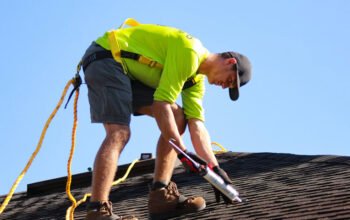
Professional roofing services provide more reliable solutions because roofing systems require specialized knowledge, appropriate equipment, and careful installation techniques. Different roofing materials have specific requirements, and an incorrect repair method can create additional weaknesses even when the visible problem appears to have been resolved. Professional roof repair involves evaluating the condition of damaged materials, examining surrounding components, and selecting products that are compatible with the existing roofing system. For instance, replacing damaged shingles requires proper alignment, fastening, and overlapping to prevent water from entering beneath the new materials. Similarly, repairing flashing requires attention to drainage patterns, sealing techniques, and the connections between different roof surfaces. Experienced contractors understand how these components interact and can identify related problems that may otherwise remain unnoticed. Professional workmanship also helps ensure that repairs follow relevant manufacturer recommendations and accepted installation practices. Property owners benefit from receiving a clearer explanation of their roof’s condition, a practical assessment of the necessary work, and realistic expectations regarding maintenance and durability. Choosing qualified roofing professionals is therefore an important step toward protecting the building and avoiding repeated problems caused by incomplete or improper repairs.
Protecting Roofs Against Strong Winds and Severe Weather
Severe weather can place considerable pressure on roofing materials, particularly when strong winds, heavy rainfall, hail, and airborne debris are involved. Even a roof that appears to be in good condition before a storm may develop hidden damage afterward. Strong winds can lift shingle edges, loosen roofing fasteners, and expose the protective layers beneath the exterior covering. Hail may create dents, cracks, and impact damage, while falling branches can puncture roofing surfaces or damage gutters and flashing. Professional roof repair helps restore damaged areas and prevent additional deterioration after weather-related incidents. Following a major storm, property owners should arrange a professional inspection to determine whether the roofing system has experienced visible or concealed damage. Contractors can examine affected sections, document the condition of the materials, and recommend suitable solutions based on the severity of the problem. Temporary protective measures may also be necessary when openings expose the building to further rainfall. Proper documentation, including photographs and written inspection findings, can be helpful when communicating with insurance representatives. Taking prompt action after severe weather reduces the likelihood of secondary water damage and helps restore the roof’s ability to protect the property.
Choosing Suitable Roofing Materials for Long-Term Performance
Selecting appropriate roofing materials is an important consideration when maintaining or improving an existing roofing system. Different materials offer different levels of durability, appearance, maintenance requirements, and weather resistance, so the right choice depends on the property’s structure and the existing roof design. Asphalt shingles remain widely used because they are available in various styles, colors, and performance categories, making them suitable for many residential properties. Metal roofing is another option that offers durability and a distinctive appearance, while other roofing systems may provide specific advantages depending on their construction and intended application. Professional roof repair should always involve materials that are compatible with the existing installation to maintain consistent performance and prevent premature failure. Using unsuitable shingles, incorrect fasteners, or incompatible flashing products can create additional problems that reduce the effectiveness of the completed work. Roofing professionals consider material specifications, existing conditions, drainage requirements, and installation guidelines before recommending products. Property owners should also understand the maintenance expectations and warranty conditions associated with their chosen materials. Making informed decisions about roofing products helps preserve the structure, maintain its appearance, and support dependable protection for many years.
Understanding the Importance of Roof Flashing and Sealing
Flashing is one of the most important components of a roofing system because it protects vulnerable connections where water could otherwise enter the building. These areas commonly include chimneys, skylights, vents, roof valleys, dormers, and intersections between different roof surfaces. Since these sections involve changes in direction or interruptions in the roofing material, they require properly installed protective barriers to guide water away from openings. Damaged, loose, corroded, or incorrectly installed flashing can allow moisture to penetrate beneath the exterior covering, potentially affecting the roof decking and interior structure. Professional roof repair often involves carefully inspecting these connections because flashing problems can be responsible for recurring leaks even when the surrounding shingles appear to be in good condition. Roofing specialists examine the condition of metal components, fastening points, sealants, and surrounding materials before deciding whether repairs or replacements are necessary. Proper sealing is also important around roof penetrations, although sealants should never be treated as a substitute for correctly installed flashing. Maintaining these vulnerable areas helps improve water resistance and reduces the possibility of recurring moisture problems that can affect the building over time.
Improving Roof Ventilation and Managing Moisture
Roof ventilation contributes significantly to the health and performance of a roofing system because it helps regulate temperatures and manage moisture within attic spaces. During warmer periods, excessive heat can accumulate beneath the roof when airflow is inadequate, potentially affecting roofing materials and increasing indoor cooling demands. Moisture from everyday household activities can also enter attic spaces, where insufficient ventilation may encourage condensation and dampness. Over time, these conditions can contribute to deteriorating insulation, damaged wooden components, and unpleasant indoor odors. Professional roof repair provides an opportunity to examine ventilation-related concerns when damaged roofing sections are being assessed. Contractors may evaluate intake and exhaust vents, identify blocked openings, and determine whether the existing ventilation arrangement provides balanced airflow. Proper ventilation generally allows fresh air to enter through suitable intake openings while warm and moisture-laden air escapes through exhaust vents. However, every property has different structural requirements, so ventilation improvements should be based on an appropriate assessment rather than a standard solution applied to every building. Maintaining adequate airflow supports the roofing system from beneath the exterior covering and helps reduce moisture-related deterioration. Combining ventilation maintenance with regular roof inspections contributes to better long-term performance and improved indoor comfort.
Maintaining Gutters and Proper Roof Drainage
Gutters and downspouts are essential parts of the roofing system because they collect rainwater and direct it away from the property’s exterior walls and foundation. When gutters become blocked with leaves, dirt, roofing granules, and other debris, water may overflow and collect along roof edges. This can contribute to damaged fascia boards, exterior staining, moisture penetration, and drainage problems around the building. Poorly functioning downspouts can also allow water to accumulate near the foundation, potentially creating additional maintenance concerns. Professional roof repair may identify drainage-related issues that need attention alongside problems affecting the main roofing surface. Maintaining clean gutters, secure brackets, and properly positioned downspouts helps ensure that rainwater moves away from the structure efficiently. Property owners should arrange regular gutter cleaning, particularly when trees near the building produce large amounts of leaves and organic debris. During maintenance visits, roofing professionals can also examine gutter connections, identify corrosion, and check whether the drainage system is functioning properly. Keeping these components in good condition reduces unnecessary stress on the roof and supports the overall protection of the property. A complete roofing maintenance strategy should always consider drainage because managing rainwater is just as important as preventing it from entering through the roof.
Deciding Between Roof Repairs and Complete Replacement
One of the most important decisions property owners face is determining whether an existing roofing system can be restored through targeted improvements or whether complete replacement would provide better long-term value. The decision depends on several factors, including the roof’s age, the extent of material deterioration, the condition of the underlying decking, the frequency of previous leaks, and the cost of maintaining the existing structure. When damage is limited to a small section and the surrounding materials remain in good condition, professional roof repair may provide a practical solution without requiring a major investment. However, widespread shingle deterioration, recurring leaks, extensive water damage, and structural weaknesses may indicate that replacement should be considered. A detailed inspection helps contractors explain the condition of the roof and compare the advantages of both options. Property owners should receive clear information about immediate repair requirements, expected maintenance needs, and potential future expenses before making a decision. Repeatedly repairing an aging roof without addressing widespread deterioration may increase long-term costs, while replacing a roof that only requires limited attention may create unnecessary expenses. An honest professional assessment helps determine which approach offers the most practical balance between immediate protection, future performance, and overall property value.
Extending the Life of a Roof Through Preventive Maintenance
Preventive maintenance is one of the most effective ways to protect a roofing investment and reduce the likelihood of unexpected problems. Rather than waiting for visible damage, property owners should establish a routine that includes professional inspections, gutter cleaning, checking vulnerable roof sections, and addressing small defects when they appear. Regular roof repair and maintenance help preserve the condition of roofing materials while preventing minor weaknesses from developing into larger structural concerns. Trees surrounding the property should also be maintained appropriately so that overhanging branches do not scrape against the roof or drop excessive debris into drainage systems. Following severe weather, property owners should look for obvious signs of damage from a safe location and arrange a professional inspection when necessary. Climbing onto a roof without suitable equipment and training can be dangerous and may cause additional damage to already weakened materials. Maintaining records of previous inspections, repairs, and material information can also help property owners understand the roof’s history and plan future improvements. A consistent maintenance routine provides better control over roofing expenses, supports reliable performance, and makes it easier to recognize changes in the condition of the structure over time.
Selecting an Experienced and Reliable Roofing Contractor
Choosing a dependable contractor is essential because the quality of workmanship directly influences the performance and durability of a roofing system. Property owners should look for professionals who understand different roofing materials, communicate clearly, provide detailed written estimates, and explain their recommendations with supporting information. Licensing, insurance, relevant experience, workmanship guarantees, and knowledge of manufacturer specifications are important considerations when comparing roofing companies. A trustworthy contractor should inspect the affected areas before recommending extensive work and should clearly explain whether the problem requires a targeted solution or a larger improvement. Professional roof repair should include careful preparation, suitable materials, proper installation methods, and an appropriate cleanup process after the work is completed. Written estimates should describe the expected scope of work, material specifications, labor requirements, and any additional considerations that may affect the project. Property owners should also ask about warranty coverage and the maintenance requirements associated with the completed work. Clear communication throughout the project helps prevent misunderstandings and gives customers greater confidence in the decisions being made. Working with an experienced roofing company provides access to professional knowledge and practical solutions that help maintain the property’s protection and value.
The Long-Term Benefits of Timely Roofing Improvements
Timely roofing improvements offer benefits that extend beyond simply fixing visible damage. A properly maintained roof helps protect structural components, preserve interior finishes, and reduce the risk of water-related deterioration. Professional roof repair can also support better energy performance when damaged materials, ventilation concerns, or moisture problems are affecting the building’s overall efficiency. Preventing water from entering the property helps protect insulation and reduces the likelihood of expensive interior restoration work. A strong roofing system also contributes to the appearance and marketability of a property because prospective buyers and occupants often consider the roof’s condition when evaluating a building. Businesses can benefit from dependable roofing protection as well because unexpected leaks may interrupt daily operations, damage equipment, and affect stored materials. Investing in appropriate maintenance helps property owners manage these risks while maintaining a more dependable building environment. The most effective approach combines professional inspections, quality materials, proper installation, and consistent attention to developing concerns. Instead of viewing roofing improvements as an unnecessary expense, property owners should consider them an important investment in protecting the structure and maintaining its long-term usefulness.
Conclusion
A dependable roofing system is essential for protecting a property against environmental exposure, moisture intrusion, and structural deterioration. From recognizing early warning signs and preventing leaks to maintaining gutters, improving ventilation, and addressing storm damage, every aspect of roofing maintenance contributes to the overall condition of a building. Timely roof repair helps property owners address developing problems before they require extensive restoration or complete replacement. Choosing suitable materials, hiring experienced professionals, and following a consistent inspection schedule can also improve durability and reduce unexpected maintenance expenses. Bevi Built understands the importance of reliable roofing solutions and professional workmanship when it comes to protecting residential and commercial properties. Property owners who prioritize quality service and preventive maintenance can enjoy greater confidence in their roofing systems while preserving the comfort, appearance, and value of their buildings. Taking action when roofing concerns first appear is a practical way to maintain lasting protection and avoid unnecessary complications in the future.