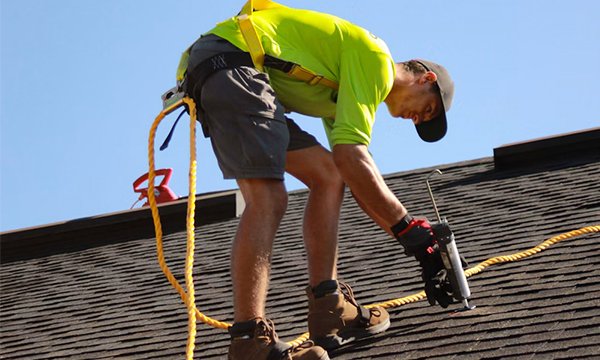
A strong and properly maintained roofing system is essential for protecting any residential or commercial property from environmental damage. Roofs experience constant exposure to sunlight, rain, wind, temperature changes, dust, and other outdoor elements that can gradually affect their condition. Even high-quality roofing materials may develop cracks, leaks, loose components, or drainage problems as they age. Without proper attention, these minor issues can become expensive repairs that affect the building’s structure and interior spaces. Understanding the importance of regular inspections and timely repairs helps property owners protect their investments and maintain a dependable roofing system. Roof maintenance is an important part of responsible property management because it helps identify potential problems before they become serious. Regular care involves checking roofing materials, cleaning drainage systems, inspecting flashing, removing accumulated debris, and addressing signs of wear. These activities help preserve the roof’s protective qualities and reduce the possibility of unexpected water damage. A properly maintained roof can also contribute to better indoor comfort and improved energy efficiency. Property owners who establish a consistent maintenance routine can avoid unnecessary expenses while extending the useful life of their roofing systems.
Understanding the Importance of Regular Roofing Inspections
A roof performs several important functions that contribute to the overall safety and performance of a building. It protects interior spaces from rainwater, strong winds, sunlight, and changing temperatures while helping maintain a comfortable indoor environment. Different roofing materials provide different levels of durability, insulation, and weather resistance. However, every roofing system requires attention because environmental exposure and everyday wear can gradually affect its performance. Understanding these responsibilities helps property owners recognize why routine inspections should never be overlooked. Consistent roof maintenance allows property owners to identify developing issues before they cause widespread damage. Small cracks, loose shingles, damaged flashing, and blocked drainage outlets may appear insignificant initially, but they can create opportunities for water infiltration. Moisture entering through these openings may affect insulation, ceilings, walls, and wooden structural components. Regular inspections help identify vulnerable areas and determine which repairs should receive immediate attention. This proactive approach can reduce long-term repair costs and support the overall reliability of the property.
Common Problems That Affect Roofing Systems
Roofing systems can experience several types of damage depending on their materials, age, installation quality, and exposure to environmental conditions. Water infiltration is among the most common problems because it can develop around damaged shingles, flashing, roof penetrations, and deteriorated protective layers. Even a small opening may allow moisture to enter the building and gradually damage surrounding materials. Property owners should pay attention to water stains, peeling paint, damp insulation, and unusual odors because these signs may indicate an underlying roofing problem. Another common concern involves damaged or displaced roofing materials. Strong winds, falling branches, temperature fluctuations, and prolonged exposure to sunlight can weaken shingles, tiles, metal panels, and protective coatings. Accumulated leaves and dirt may also contribute to drainage problems by preventing rainwater from flowing away properly. Roof maintenance helps address these concerns through regular inspections and appropriate cleaning procedures. Identifying the specific cause of deterioration makes it easier to select effective repairs and prevent similar problems from returning.
Recognizing Early Warning Signs of Roof Damage
Recognizing early warning signs is one of the most effective ways to prevent extensive roofing problems. Missing shingles, cracked tiles, loose metal panels, rust spots, and deteriorating sealants may indicate that certain sections require professional attention. Property owners should also look for sagging areas, damaged roof edges, and visible gaps around vents or chimneys. These conditions can affect the roof’s ability to keep water outside and may become more serious when ignored. Early identification allows repairs to be completed before additional materials become affected. Interior warning signs are equally important because some roofing problems cannot be identified easily from outside the building. Water stains on ceilings, bubbling paint, damp walls, and unexplained mold growth may indicate that moisture has entered through the roof. A persistent musty smell in upper rooms or attic spaces can also suggest hidden water damage. Roof maintenance should include examining accessible interior areas for signs of leakage and moisture accumulation. Investigating these warning signs promptly can help prevent structural deterioration and protect indoor spaces.
The Importance of Professional Roof Inspections
Professional inspections provide a detailed understanding of the roofing system’s condition and help identify problems that may not be visible during ordinary property checks. Experienced roofing contractors know how to evaluate different materials, inspect vulnerable areas, and recognize signs of deterioration. They may examine shingles, tiles, flashing, gutters, roof penetrations, ventilation components, and protective coatings. Their observations help determine whether the roof requires minor repairs, cleaning, restoration, or more extensive improvements. A professional assessment also provides useful information for planning future maintenance. Regular roof maintenance becomes more effective when inspections are performed according to the roof’s age, material, and environmental exposure. Older roofing systems may require closer attention because their components are more likely to experience wear and deterioration. Properties that have experienced severe weather, falling branches, or previous leaks may also benefit from additional inspections. Professional assessments can identify problems before they become expensive emergencies. Keeping inspection reports and photographs provides a useful record of the roof’s condition and helps property owners monitor changes over time.
Cleaning Gutters and Maintaining Proper Drainage
Gutters and downspouts play an important role in protecting roofing systems by directing rainwater away from the building. When leaves, dirt, branches, and other debris accumulate inside gutters, water may overflow and collect near roof edges. This can contribute to moisture damage, deterioration of fascia boards, and water infiltration around vulnerable areas. Blocked drainage systems may also allow water to collect around the building’s foundation. Keeping these components clean and functional is therefore an essential part of protecting the entire property. Regular roof maintenance should include checking gutters, downspouts, and drainage outlets for blockages or visible damage. Property owners should ensure that water can flow freely through the drainage system and discharge away from vulnerable building areas. Loose brackets, separated gutter sections, and leaking joints should be repaired when necessary. Professional cleaning may be useful when gutters are difficult to access or contain significant debris. Proper drainage reduces unnecessary moisture exposure and helps roofing materials perform more effectively during rainfall.
Protecting Roofing Materials From Weather Damage
Weather conditions can have a significant impact on roofing performance over time. Strong winds may loosen shingles and lift exposed edges, while heavy rainfall can reveal weaknesses around flashing and roof penetrations. Prolonged sunlight may cause certain materials and protective coatings to fade, crack, or become brittle. Temperature fluctuations can also contribute to expansion and contraction, placing additional stress on joints and seals. Understanding these environmental effects helps property owners recognize why roofing materials require periodic attention. Roof maintenance can help minimize weather-related deterioration by identifying damaged materials and correcting vulnerable areas before severe conditions occur. Contractors may recommend replacing loose components, restoring protective coatings, improving flashing details, or repairing damaged seals. The appropriate solution depends on the roofing material and the nature of the problem. Property owners should arrange inspections after significant weather events when visible damage or possible water intrusion is suspected. Prompt repairs can help preserve the roof’s protective performance and reduce the likelihood of recurring problems.
The Role of Proper Roof Ventilation
Ventilation is an important factor in maintaining a healthy and durable roofing system. Proper airflow helps regulate temperatures and manage moisture within attic spaces. Without suitable ventilation, warm and humid air may accumulate beneath the roof, potentially contributing to condensation and moisture-related damage. Excessive heat can also affect certain roofing materials and reduce indoor comfort. A properly designed ventilation system helps maintain more balanced conditions throughout the building. During an inspection, contractors may examine ventilation openings, exhaust systems, and attic airflow arrangements to identify possible problems. Blocked vents, damaged components, and inadequate airflow can contribute to condensation and other moisture concerns. Roof maintenance should therefore include checking whether ventilation systems are operating as intended. Improving airflow may help protect insulation, wooden components, and other building materials. Property owners should consult qualified professionals before making ventilation changes because the correct solution depends on the building’s design and roofing structure.
Preventing Water Leaks and Structural Damage
Water leaks can create significant problems when they remain unnoticed for extended periods. Moisture may damage insulation, weaken wooden materials, affect electrical components, and create conditions that encourage mold growth. Leaks often develop around flashing, chimneys, skylights, vents, valleys, and other areas where different roofing components meet. Because water can travel along structural materials before becoming visible indoors, the location of a ceiling stain may not identify the actual entry point. Finding the source is essential for completing an effective repair. Regular roof maintenance helps identify vulnerable areas and allows contractors to address small defects before moisture spreads throughout the building. Inspections may include checking sealants, flashing, roof penetrations, and drainage arrangements for signs of deterioration. Any damaged materials should be evaluated and repaired using products that are suitable for the existing roofing system. Property owners should avoid relying on temporary interior fixes because covering a water stain does not resolve the roof problem. Correcting the source of moisture helps protect the building and reduces the risk of repeated damage.
Improving Energy Efficiency Through Roofing Care
A well-maintained roofing system can contribute to improved energy performance by helping protect insulation and reduce unwanted heat transfer. Damaged roofing materials, deteriorated seals, and moisture-affected insulation may reduce the building’s ability to maintain comfortable indoor temperatures. As a result, heating and cooling equipment may need to operate longer to maintain the desired conditions. Regular attention to the roof can help identify these problems and support more efficient building performance. Proper insulation and ventilation should also be considered when evaluating overall energy efficiency. Roof maintenance may include examining reflective coatings, insulation conditions, ventilation components, and areas where air leakage could occur. Some roofing systems benefit from protective coatings that help reduce heat absorption and shield the underlying materials from environmental exposure. However, coating selection should depend on the existing roof and the manufacturer’s recommendations. Property owners should seek professional advice before applying new products because incompatible materials may create additional problems. Maintaining the roofing system as a whole can support indoor comfort and help manage energy expenses.
Choosing the Right Roofing Maintenance Professional
Selecting an experienced roofing professional is essential for obtaining reliable inspection and repair services. Different roofing materials require different maintenance techniques, tools, and compatible products. A contractor with relevant experience can identify material-specific problems and recommend suitable solutions. Property owners should look for professionals who explain their inspection process, provide clear estimates, and describe the work required. Good communication helps customers understand the condition of their roof and make informed decisions about necessary improvements. Before hiring a contractor, property owners should ask about relevant qualifications, insurance coverage, previous projects, references, and warranty options. It is also helpful to request a written description of the proposed work, including materials, preparation procedures, and expected completion arrangements. Roof maintenance providers should be willing to explain why particular repairs are recommended rather than offering unnecessary services without evidence. Comparing contractors based on experience, workmanship, and service quality is generally more useful than choosing the lowest estimate alone. A dependable professional can help establish a practical maintenance plan.
Understanding Roofing Maintenance Costs
The cost of maintaining a roofing system depends on several factors, including roof size, material type, age, accessibility, and existing damage. Basic inspections and routine cleaning may involve relatively limited expenses, while repairs involving damaged structural components or widespread deterioration can require a larger investment. The complexity of the roofing design can also influence labor requirements. Properties with multiple roof levels, skylights, chimneys, and specialized drainage arrangements may require additional inspection time. A planned roof maintenance budget helps property owners prepare for routine services and unexpected repairs. Regular inspections can reveal developing problems early, allowing smaller repairs to be completed before more expensive damage occurs. Property owners should request itemized estimates that explain labor, materials, inspection charges, and any optional services. Comparing quotations based on the actual scope of work helps avoid misunderstandings and unexpected costs. Investing in preventive care is often a practical way to protect the property and manage long-term roofing expenses.
Creating an Effective Seasonal Maintenance Schedule
A seasonal maintenance schedule helps property owners keep track of important inspection and cleaning activities throughout the year. Different seasons can create different roofing challenges, including heavy rainfall, strong winds, temperature changes, and accumulated debris. Inspecting the roof before periods of severe weather can help identify vulnerable materials and drainage problems. Checking the property again after significant weather events can reveal damage that may require professional attention. A consistent schedule makes maintenance easier to organize and reduces the likelihood of overlooking important tasks. An effective roof maintenance plan should include checking roofing materials, cleaning gutters, examining flashing, inspecting attic spaces, and reviewing ventilation conditions. Property owners should also record completed repairs, coating applications, inspection findings, and any recommendations made by contractors. These records help track the roof’s condition and provide useful information when planning future improvements. The frequency of inspections should depend on the roofing material, age, exposure, and previous maintenance history. A customized schedule is more useful than following the same routine for every property.
When Roofing Repairs or Replacement May Be Necessary
Although regular maintenance can extend the useful life of a roof, some systems eventually require substantial repairs or complete replacement. Widespread material deterioration, repeated leaks, structural sagging, and extensive water damage may indicate that the existing roof is no longer performing effectively. In some cases, repairing individual areas may provide a practical solution, while other situations require a more comprehensive approach. The decision should be based on the roof’s overall condition rather than a single visible defect. Professional roof maintenance inspections can help determine whether continued repairs are reasonable or whether replacement should be considered. Contractors may evaluate the remaining lifespan of the materials, the condition of the underlying structure, and the cost of restoring the system. Property owners should request a clear explanation of the available options before making a major investment. Comparing the long-term benefits of repair and replacement can help identify the most practical solution. Making an informed decision protects the building and reduces the likelihood of repeated expenses.
Conclusion
A dependable roofing system is essential for protecting a property from moisture, weather exposure, and gradual structural deterioration. Regular inspections, proper drainage, suitable ventilation, and timely repairs all contribute to maintaining roofing performance. Small problems such as loose materials, damaged flashing, blocked gutters, and deteriorating coatings should be addressed before they affect larger sections of the building. Taking a proactive approach helps property owners reduce unnecessary expenses and maintain comfortable indoor spaces. Roof maintenance provides a practical way to protect roofing materials and extend the useful life of an existing system. By arranging professional inspections, following a seasonal maintenance schedule, and correcting problems as soon as they appear, property owners can reduce the risk of unexpected damage. Choosing experienced contractors and keeping accurate maintenance records also helps support better long-term decisions. Consistent attention to roofing care protects property value, improves building performance, and provides greater confidence in the condition of the structure.