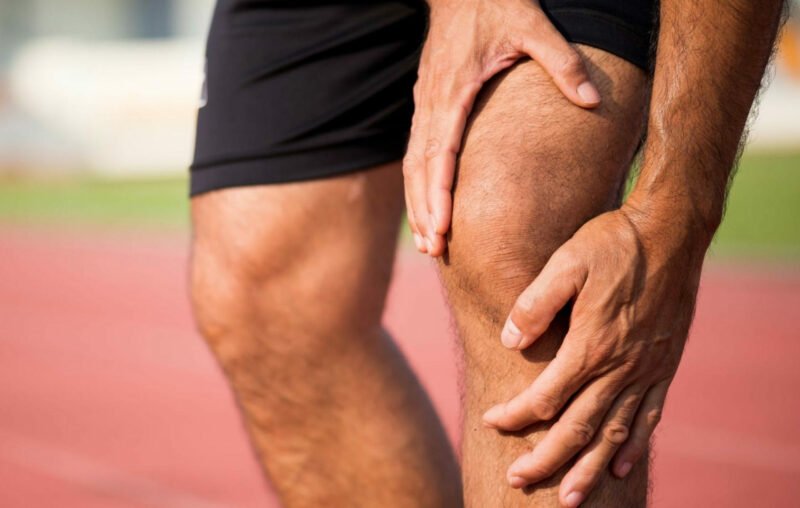
Coastal paths, short hills, and scenic stairways make running around Balgowlah rewarding, but they also nudge the knee into repetitive loads that can flare tender tissues. When the front of the knee aches after a descent, or the outside border burns during longer efforts, most runners want a plan they can follow, not a lecture about resting forever. Physiotherapy offers a structured way to identify what hurts, why it hurts, and how to return to steady mileage. This article outlines a practical, evidence-informed pathway many clinicians use for runner’s knee so you can recognize patterns, avoid common pitfalls, and make decisions that move you toward pain-free miles rather than bouncing between setbacks.
-
Spot the pain pattern and red flags before you lace up
Location and behavior of symptoms point you in the right direction. A diffuse ache around the kneecap that worsens with stairs or squats often reflects patellofemoral pain, while a sharp line on the outer knee that spikes mid-run can suggest iliotibial band irritation. Morning stiffness that warms up with movement behaves differently than pain that builds as you run downhill. If symptoms linger or start limiting basic tasks like getting out of a chair, consider an assessment with a trusted physiotherapy clinic in Balgowlah to clarify the diagnosis and load drivers.
Screen for red flags that warrant medical review rather than self-management. True locking, knee buckling that causes falls, obvious joint swelling after a small effort, or night pain that does not change with position deserve prompt attention. For most training-related knee issues, though, the first step is a clinical exam focused on mechanics, strength, and training history.
-
The assessment sequence a physio uses for runner’s knee
Good assessments start with training load. A sudden jump in weekly distance, a new block of downhill repeats on the North Harbor walkway, or switching to minimal shoes are common triggers. Your clinician will then test movement patterns, using tasks like the single-leg squat and step-down test to watch for dynamic knee valgus, hip drop, or foot collapse. Tenderness at the patellar tendon, the joint line, or along the iliotibial band adds clues about which tissues are overloaded.
Objective measures guide the plan. Range of motion can be checked with a goniometer; hip and quadriceps strength can be quantified with manual testing or a hand-held dynamometer. Short treadmill observations or a phone video at an easy pace can reveal cadence, overstriding, and excessive tibial internal rotation. These findings connect cause to effect: for example, weak hip abductors allow the knee to drift inward, which increases patellofemoral joint stress with each step.
-
Building the first two weeks: calm tissue, keep fitness
Early rehab balances two goals: reduce irritability and maintain capacity. That usually means trimming back running rather than stopping all activity. Substitute low-impact options like cycling or deep-water running to keep your aerobic engine while symptoms settle. Around the knee, short-hold isometrics for the quadriceps can take the edge off pain, and hip-focused work like side planks and banded clams helps control knee position during future runs.
Simple supports can buy you a window to move well. McConnell-style patellar taping or a temporary foot orthosis may reduce load on sensitive structures so you can complete key exercises with less discomfort. The trade-off is that external aids should not become permanent crutches. Use them to enable better mechanics while you build strength and tolerance, not as a stand-alone fix. Foam rolling the quads and lateral hip can ease stiffness, but do not expect the iliotibial band to “release” like a muscle because it is dense connective tissue.
-
Progressing load: strength, cadence, and terrain decisions
As pain settles during daily tasks, strengthen what the assessment exposed. Eccentric step-downs, split squats, and controlled calf raises target the kinetic chain that manages knee load. Start with slow, steady reps before adding tempo or external weight. Integrate gluteus medius work in standing positions so that strength transfers to running. This is where patience pays off: tissues adapt to the stress you can consistently recover from, not the most you can tolerate once.
Mechanics and surfaces matter. A small increase in running cadence shortens stride and can reduce patellofemoral pressure. Use a metronome app to nudge steps per minute rather than forcing a choppy gait. Early in the return, pick flatter routes along the waterfront instead of long descents that spike joint stress. Footwear choices carry trade-offs: more cushioning can soften peak impact but may blunt ground feel, while minimal shoes can improve cadence awareness but shift load toward the calf and Achilles. Match the shoe to your current capacity.
-
Return-to-running checkpoints and mistakes to avoid
Before structured running resumes, check simple benchmarks. Can you perform repeated step-downs with good alignment and no symptom flare the next day? Can you hop on one leg without a pain spike or swelling? If yes, try a run-walk format and monitor the 24-hour response. A knee that feels fine during the session but aches or stiffens significantly the following morning needs either a smaller dose or a shift in terrain or cadence.
Common pitfalls are predictable. Jumping straight back to your pre-injury long run sets you up for a relapse. Swapping strength work for more miles robs the knee of the control it needs as pace and distance rise. Chasing a magical shoe, brace, or massage technique while ignoring training errors keeps you stuck. A better plan is to progress one variable at a time, keep two non-negotiables each week for strength, and adjust based on how the knee feels during and especially after workouts.
-
Two real-world scenarios and how a physio would adjust
A runner adds a second weekly hill session and develops pain around the kneecap on descents. The assessment shows a hip drop and quad fatigue. The short-term plan reduces downhill volume, adds isometric quad holds and step-downs, and uses taping for stair comfort. After a week of calmer symptoms, cadence is nudged up slightly, and flat intervals replace steep hills until the single-leg squat looks controlled under load.
Another runner moves to thinner, flexible shoes and feels a sharp line on the outer knee after 20 minutes. Testing reveals good quad strength but poor control at the pelvis. The fix combines targeted hip abductor work, a gradual shoe transition, and terrain choices that avoid cambered surfaces. A brief trial of a lateral wedge insert reduces irritation while strength and mechanics catch up, then the insert is phased out as control improves.
Rehab is never about a single exercise or cue. It is a set of connected choices that reduce the knee’s stress today and build its capacity for tomorrow. With a clear pattern, a plan to manage load, and checkpoints to guide progression, most runners can return to Balgowlah’s paths with stronger, more resilient knees and fewer detours back to square one.