Maintaining a beautiful home requires attention to both its appearance and the condition of its interior and exterior surfaces. Over time, walls, ceilings, doors, trim, siding, and other painted areas can develop scratches, fading, stains, peeling, and visible signs of everyday wear. These changes can make even a well-maintained property appear outdated or neglected. Hiring a professional house painter can help homeowners refresh their living spaces, protect important surfaces, and create a consistent appearance throughout the property. Professional painting involves much more than applying a new color because the quality of the finished result depends on proper preparation, suitable materials, careful application, and attention to detail. Whether homeowners want to update a single room, improve the exterior appearance, or complete a larger renovation, a well-planned painting project can provide lasting value. Understanding the benefits of professional painting services helps property owners make informed decisions and choose solutions that support their property’s appearance, functionality, and long-term maintenance needs.
Why Professional Painting Matters for Homeowners
Paint plays an important role in maintaining the visual appeal and condition of a residential property. Interior walls establish the atmosphere of living rooms, bedrooms, kitchens, hallways, and other spaces, while exterior coatings influence the home’s first impression and help protect exposed materials. When paint begins to fade, crack, or peel, it can make a property appear older and may indicate that the underlying surface needs attention. A professional painter evaluates these conditions before beginning work and determines the preparation and products required for an appropriate finish. This careful approach helps prevent common problems associated with inadequate surface preparation, incompatible materials, and rushed application. Homeowners benefit from a more consistent appearance and a painting process designed around the specific requirements of their property.Professional painting can also contribute to the long-term maintenance of a home. Exterior coatings help protect suitable building materials against weather exposure, while interior finishes can make frequently used surfaces easier to clean and maintain. However, paint should never be used to conceal unresolved problems such as water leaks, damaged drywall, or deteriorating wood. These conditions should be addressed before painting begins so the new coating has a stable foundation. A qualified professional can identify visible concerns and recommend appropriate repairs when necessary. By combining painting with responsible property maintenance, homeowners can improve the appearance of their surroundings while reducing the risk of recurring defects. Careful planning also helps determine whether a complete repaint, localized touch-up, or targeted surface repair is the most practical solution.
Interior Painting for Comfortable and Attractive Living Spaces
Interior painting provides an effective way to transform rooms without requiring extensive structural renovations. Fresh paint can make a room feel brighter, cleaner, more spacious, or more inviting depending on the colors and finishes selected. Neutral shades often provide a versatile foundation for furniture and decorations, while accent colors can introduce personality and emphasize architectural details. A coordinated color scheme can connect adjoining rooms and create a consistent appearance throughout the home. Before selecting a final palette, homeowners should consider natural light, artificial lighting, flooring, cabinetry, furniture, and existing decorative features. These elements influence how a color appears once it covers a large surface. A professional painter can help evaluate these factors and recommend a suitable approach that balances design preferences with practical maintenance requirements.The quality of interior painting depends heavily on preparation and application. Walls may need cleaning, sanding, patching, or priming before the finish coats are applied. Small holes, dents, and cracks should be repaired so they do not remain visible beneath the new paint. Doors, baseboards, window frames, and ceilings may require different application techniques or products to achieve a consistent appearance. Protecting floors, furniture, light fixtures, and hardware is equally important because splashes and overspray can create unnecessary cleanup. A systematic process helps ensure that edges are neat, coverage is even, and the finished surfaces look consistent under different lighting conditions. By allowing sufficient time for preparation and drying, homeowners can achieve a more professional result and reduce the likelihood of premature touch-ups.
Exterior Painting for Protection and Curb Appeal
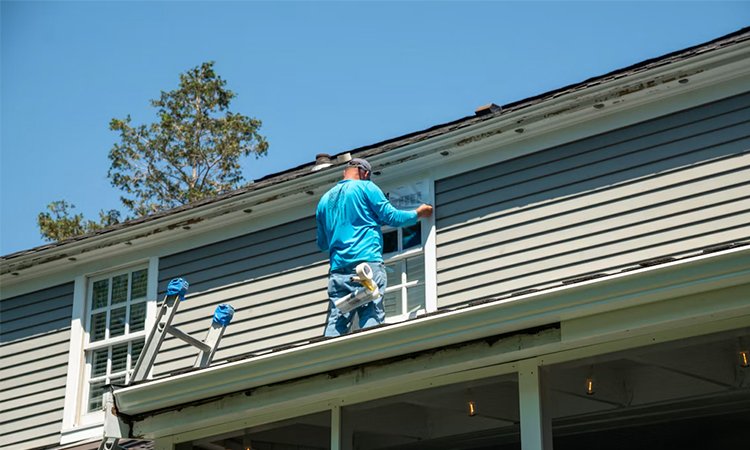
Exterior surfaces face continuous exposure to sunlight, rain, humidity, wind, dust, and changing temperatures. These environmental conditions can gradually weaken paint coatings and affect the materials beneath them. Wood siding may deteriorate when moisture reaches unprotected areas, metal components can become vulnerable to corrosion, and previously painted masonry may develop peeling or discoloration. Exterior painting helps protect compatible surfaces when suitable products are applied over properly prepared materials. Before work begins, a painter should inspect the exterior for loose paint, damaged trim, failed caulking, and other visible defects. Addressing these concerns before applying a new coating improves the likelihood of a durable finish and helps prevent recurring problems.Curb appeal is another important benefit of maintaining exterior paint. A coordinated color scheme can emphasize architectural features, complement the roof and windows, and create a welcoming appearance. Homeowners may choose to retain their existing colors or introduce a new palette that gives the property a refreshed look. The decision should consider permanent materials, landscaping, the condition of the surfaces, and the desired long-term appearance. Professional preparation may include cleaning, scraping, sanding, priming, and repairing damaged sections, depending on the substrate and existing coating. Weather conditions must also be considered because temperature, humidity, and rain can influence paint performance. A properly scheduled project combines these practical requirements with thoughtful design choices to create an attractive and well-protected exterior.
Preparing Surfaces for a High-Quality Finish
Surface preparation is one of the most important steps in any residential painting project. Even premium paint can fail when applied over dirty, damp, unstable, or damaged surfaces. Dust, grease, mildew, and loose paint can prevent proper adhesion, resulting in uneven coverage, peeling, or premature deterioration. A thorough assessment helps identify areas that need cleaning, scraping, sanding, or repair before painting begins. The cleaning method should match the surface because excessive pressure or unsuitable cleaning products can damage materials or introduce unwanted moisture. After cleaning, surfaces must dry adequately before primers or finish coats are applied. These preliminary tasks may not be the most visible part of the project, but they establish the foundation for the finished appearance and the coating’s performance.Repairs and priming are equally important when preparing walls and exterior materials. Small holes and cracks in drywall may need appropriate fillers, while damaged wood or deteriorating trim may require more extensive repairs or replacement. Bare surfaces and patched sections can absorb paint differently from surrounding areas, making primer useful for achieving more consistent coverage. Certain stains may require specialized primers to prevent discoloration from appearing through the finish. Metal, wood, drywall, and masonry may also require different products based on their characteristics. A professional painter evaluates these requirements rather than assuming that the same preparation method will work everywhere. Investing in careful preparation helps create a smoother finish, improves adhesion, and reduces the likelihood of expensive corrections after the project is complete.
Choosing the Right Paint and Finish
Selecting paint involves balancing appearance, durability, surface compatibility, and maintenance needs. Different rooms experience different levels of wear, moisture, and contact, so product selection should reflect how each space is used. Living rooms and bedrooms may prioritize appearance and ease of maintenance, while kitchens, bathrooms, hallways, and children’s rooms may benefit from coatings designed to withstand frequent cleaning. Exterior products must be suitable for the relevant substrate and exposure conditions. Using an inappropriate paint can contribute to cracking, bubbling, discoloration, or poor adhesion, even when application is performed carefully. Reviewing product specifications and following manufacturer recommendations helps ensure that the selected coating is appropriate for the project.Paint finish also affects the appearance and practicality of a surface. Matte finishes generally provide a softer appearance and may help minimize the visibility of minor wall imperfections. Eggshell and satin finishes offer varying levels of sheen and may be suitable for many commonly used living areas. Semi-gloss products are often considered for trim, doors, and selected surfaces that benefit from a more reflective, cleanable finish. The best choice depends on the product, the condition of the surface, and the expected level of wear. Color selection should be evaluated separately from sheen because the same shade can appear different under varying lighting conditions and finishes. A professional can help homeowners compare samples, assess the intended use of each room, and select products that meet both design and maintenance goals.
How to Choose a Reliable House Painter
Choosing the right painting professional can influence the quality, cost, and overall experience of a residential project. Homeowners should look for a provider who understands surface preparation, product compatibility, application methods, and the requirements of different building materials. Previous work, relevant experience, references, insurance, and clear communication can all help establish confidence in a contractor. It is also useful to discuss the specific goals of the project, including the desired colors, the condition of the surfaces, and any repairs that may be needed. A reliable professional should be willing to explain the proposed process and clarify which tasks are included in the estimate. These conversations help homeowners understand what to expect and make comparisons between service providers more meaningful.A detailed written estimate should identify the rooms or exterior sections to be painted, preparation requirements, repair work, primer needs, paint products, and the expected number of coats. It should also explain how furniture and floors will be protected, how cleanup will be handled, and what arrangements apply if unexpected damage is discovered. The lowest estimate is not necessarily the best option if it excludes essential preparation or uses products unsuitable for the surfaces. Homeowners should consider the complete scope of work rather than focusing exclusively on the initial price. Asking about the project schedule, payment terms, workmanship guarantees, and procedures for addressing concerns can further reduce uncertainty. Clear agreements help both parties understand their responsibilities and support a more organized painting experience.
The Value of Professional Painting Services
Professional painting services offer advantages for homeowners who want consistent results without managing every stage of the project themselves. Painting a home may involve moving furniture, repairing surfaces, selecting products, protecting belongings, working at height, and coordinating drying times. A professional team can organize these tasks into a structured process, helping reduce disruption and maintain a consistent standard of work. Experienced painters are familiar with application tools, cutting in edges, coating trim, and managing areas that require additional precision. Their experience can be especially useful for properties with detailed architectural features, multiple surface materials, high ceilings, or extensive exterior areas. Proper planning also helps ensure that enough time is allocated to preparation and that work proceeds in a logical sequence.Homeowners seeking professional assistance can explore house painter services to learn more about available painting solutions and determine which options fit their property improvement goals. When discussing a project with a provider, homeowners should explain whether they need interior painting, exterior painting, trim work, or a combination of services. It is also helpful to identify any damaged areas, stains, or moisture-related concerns that may require attention before painting begins. A clear discussion of expectations allows the provider to recommend suitable materials and establish a realistic scope of work. The goal is to achieve a finish that complements the property while meeting practical requirements for durability, maintenance, and appearance.
Understanding Painting Costs and Project Planning
The cost of a residential painting project depends on several factors, including the size of the area, surface condition, paint quality, accessibility, preparation requirements, and the amount of detail involved. A room with smooth walls and minimal furniture may require less preparation than one with damaged drywall, extensive trim, or difficult-to-reach ceilings. Exterior projects can involve additional work because surfaces may need washing, scraping, repairs, and specialized access equipment. The number of coats required and the type of coating selected can also affect material costs and labor time. Understanding these factors helps homeowners develop a realistic budget and compare estimates based on the actual work being proposed.Planning the project in advance can reduce unnecessary expenses and help avoid scheduling problems. Homeowners should decide which areas have the highest priority, establish a preferred color scheme, and identify any repairs that must be completed first. Purchasing paint before confirming the surface requirements can result in wasted materials if the product or quantity is unsuitable. A professional assessment can help estimate the amount of paint needed and determine whether primer or specialty coatings are required. It is also wise to allow flexibility for unexpected repairs because opening up a damaged area may reveal conditions that were not obvious during the initial inspection. A practical budget accounts for both the planned work and reasonable contingencies, allowing the project to proceed without unnecessary compromises in quality.
Preparing the Home Before Painting Begins
Preparing the property before work starts can help painters complete their tasks efficiently and protect household belongings. Small decorative items, photographs, lamps, and fragile objects should be removed from the work area. Furniture may need to be relocated or grouped away from walls, and floors should be covered with suitable protective materials. Switch plates, door hardware, and nearby fixtures should be protected or removed where appropriate. Homeowners should also discuss access arrangements, pets, children, and any special household requirements with the painting team before the scheduled start date. These steps reduce interruptions and help maintain a safer, more organized working environment.For occupied homes, it may be helpful to divide the work into stages so that essential rooms remain available while other areas are being painted. Bathrooms, kitchens, bedrooms, and entryways may need to be scheduled carefully to minimize inconvenience. Homeowners should ask about drying times, ventilation, and when it is safe to move furniture back into place. Product instructions should be followed, especially when low-odor coatings or other specialized materials are being used. Clear communication about the schedule allows household members to plan around temporary restrictions and helps the painting team work more efficiently. Thoughtful preparation can make the overall experience smoother and reduce the likelihood of accidental damage to fresh paint.
Maintaining Painted Surfaces After Completion
Once the painting project is finished, routine maintenance can help preserve the new appearance and reduce the need for frequent repainting. Interior walls should be cleaned gently using methods appropriate for the selected finish. High-contact areas around doorways, light switches, staircases, and hallways may require more frequent attention because they accumulate fingerprints and scuff marks. Furniture should be positioned to avoid repeated rubbing against walls, while protective pads can help prevent scratches and impact damage. Small chips and marks should be addressed promptly when possible, particularly when the original paint color and finish are still available. Keeping leftover paint properly labeled and stored according to the manufacturer’s instructions can make future touch-ups easier.Exterior surfaces also benefit from regular inspection and maintenance. Homeowners should check for peeling, fading, damaged caulking, water stains, and deterioration around windows, doors, gutters, and roof edges. Gutters and downspouts should remain clear so that overflowing water does not repeatedly wet painted surfaces. If peeling or bubbling appears, the underlying cause should be investigated before repainting the affected area. Water intrusion, damaged wood, and other defects may require repairs before a new coating can perform reliably. Maintaining records of paint products, color codes, and application dates can simplify future maintenance decisions. By responding to early warning signs and addressing problems promptly, homeowners can protect their investment and keep their property looking well cared for.
Avoiding Common Residential Painting Mistakes
Several mistakes can reduce the quality and durability of a painting project. Applying paint over dirty surfaces, ignoring damaged materials, skipping necessary primer, or failing to allow adequate drying time can result in uneven coverage and premature failure. Selecting a product solely because it is inexpensive may also lead to poor performance when the coating is unsuitable for the surface. Color choices can create unexpected results if homeowners do not consider lighting, existing furnishings, and the appearance of adjoining rooms. Testing samples before purchasing large quantities of paint can help prevent these problems. Similarly, rushing through preparation often creates defects that become more noticeable after the final coat dries, making careful planning more effective than shortcuts.Safety and property protection should also remain priorities. Interior projects may involve ladders, power tools, sanding equipment, and products that require suitable handling and ventilation. Exterior work can present additional risks when surfaces are elevated or access is difficult. Older properties may contain lead-based paint, which requires appropriate precautions and specialized procedures rather than ordinary scraping or sanding. Damaged surfaces should be assessed before work proceeds, particularly when there are signs of persistent moisture or structural deterioration. Hiring qualified professionals for challenging tasks can reduce risks and help ensure that the work follows appropriate safety practices. Attention to preparation, material selection, and safety supports better results and a more successful overall project.
Conclusion
A well-maintained home benefits from painting that combines attractive design with careful workmanship and suitable protective coatings. From refreshing interior rooms to improving the exterior appearance, residential painting can help restore worn surfaces, create a more welcoming environment, and support long-term property maintenance. Achieving these benefits requires attention to surface preparation, repairs, product selection, color coordination, application methods, and drying conditions. Homeowners should evaluate the condition of their property before beginning work and address moisture or structural concerns rather than covering them with paint. Choosing an experienced professional and agreeing on a clear scope of work can also help ensure that the project meets expectations for quality, scheduling, and cost.Investing in professional painting is most effective when the work is planned around the property’s specific requirements instead of relying on shortcuts or choosing materials based on price alone. Regular inspections, gentle cleaning, prompt touch-ups, and proper moisture management help preserve the finish after the project is complete. Whether the goal is to modernize a living room, refresh worn trim, improve curb appeal, or prepare a property for sale, professional guidance can simplify decisions and support a consistent result. Working with an experienced house painter helps homeowners choose appropriate products, prepare surfaces correctly, and achieve a finish that complements their home’s design. With thoughtful planning, quality materials, and reliable workmanship, a residential painting project can enhance the property’s appearance and provide lasting value.