Maintaining a property’s drainage system is essential for protecting its roof, walls, foundation, and surrounding landscape from water-related damage. Gutters play an important role in directing rainwater away from the building and preventing moisture from accumulating in vulnerable areas. However, exposure to changing weather conditions, falling leaves, dirt, debris, and everyday wear can gradually affect their performance. Cracked sections, loose brackets, leaking joints, sagging channels, and blocked downspouts are common problems that can prevent gutters from functioning properly. When these issues are ignored, rainwater may overflow, collect around the foundation, damage exterior surfaces, and create conditions that encourage mold growth. Regular inspections and timely repairs help maintain an effective drainage system while reducing the possibility of expensive property maintenance problems.
A properly maintained gutter system does more than collect rainwater. It protects the building’s structural components, supports roof drainage, and helps preserve the surrounding outdoor areas. Even relatively minor gutter problems can become serious when water repeatedly enters unwanted locations. For example, a small leak near a roofline may gradually damage fascia boards, while an overflowing section can contribute to soil erosion and foundation moisture problems. Professional repair services help identify the underlying causes of these issues and recommend suitable solutions based on the gutter material, building design, and extent of damage. Understanding common gutter problems, available repair methods, maintenance practices, and professional service benefits can help property owners make informed decisions and keep their drainage systems working efficiently throughout the year.
Understanding the Importance of a Properly Functioning Gutter System
Gutters are designed to collect rainwater flowing from the roof and transport it through downspouts to suitable drainage locations. Without an effective system, water can run directly down exterior walls, accumulate around the foundation, and affect different parts of the property.
One of the most important functions of gutters is foundation protection. When rainwater repeatedly collects near the base of a building, it may contribute to soil movement, moisture penetration, basement leaks, and other structural concerns. Proper drainage helps direct water away from these vulnerable areas.
Gutters also protect exterior walls and siding by reducing direct exposure to concentrated roof runoff. When water flows uncontrolled over building surfaces, it may leave stains, damage paint, and contribute to deterioration of certain exterior materials.
Roof edges and fascia boards can also suffer when gutters become damaged or blocked. Standing water and persistent moisture may affect wooden components and create conditions favorable to rot.Additionally, a functional gutter system helps protect landscaping, pathways, driveways, and outdoor structures by controlling where rainwater is discharged. Maintaining gutters is therefore an important part of overall property maintenance rather than simply an aesthetic improvement.
Common Signs That Your Gutters Need Repair
Identifying gutter problems early can prevent small maintenance concerns from developing into more expensive repairs. Property owners should inspect their drainage systems periodically and look for visible signs of deterioration.
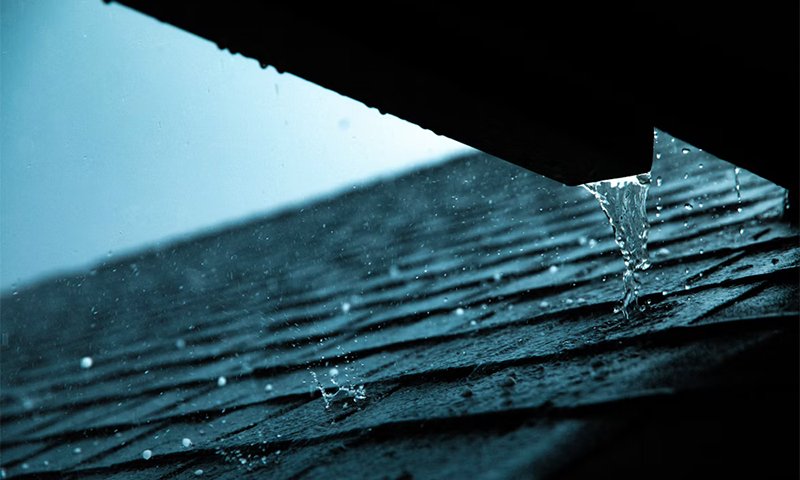
One common warning sign is water overflowing from the gutter edges during rainfall. This may indicate a blockage, insufficient drainage capacity, incorrect installation, or a problem with the gutter slope.
Visible leaks around joints and seams are another indication that repairs may be necessary. Water dripping from connections can result from deteriorated sealant, loose fittings, damaged sections, or improperly connected components.Sagging gutters may indicate loose brackets, damaged fasteners, excessive debris, or inadequate support. When sections begin pulling away from the roofline, their ability to collect and transport water can become compromised.
Rust spots, cracks, holes, and separated sections are additional signs of damage. These problems can become more noticeable over time, especially when the system is exposed to frequent rainfall and changing temperatures.Property owners should also pay attention to peeling exterior paint, water stains beneath roof edges, damp soil near the foundation, and visible damage to fascia boards. These conditions may indicate that gutters are not directing water away from the building effectively.
Common Causes of Gutter Damage
Gutter damage can develop for several reasons, and identifying the underlying cause is important for selecting the correct repair method.Accumulated leaves and debris are among the most common causes of drainage problems. Leaves, twigs, dirt, and other materials can collect inside gutter channels and restrict water movement. As debris builds up, the additional weight may also place stress on brackets and fasteners.
Weather exposure can gradually affect gutter materials. Strong winds, heavy rainfall, temperature changes, and falling branches may loosen connections or cause physical damage. In colder environments, freezing water may expand inside blocked sections and contribute to cracks or separation.Improper installation is another possible cause. Incorrect slope, insufficient support brackets, poorly fitted joints, and unsuitable downspout positioning can interfere with drainage from the beginning.
Age and material deterioration may also contribute to recurring problems. Older metal gutters can develop corrosion, while plastic systems may become brittle or crack after prolonged exposure to sunlight and changing temperatures.Tree branches growing close to the roof can create additional risks. Falling branches and repeated contact with gutter sections may damage the system or introduce excessive debris.
Different Types of Gutter Repair Services
Gutter repair involves several different services depending on the condition of the existing system. A professional inspection helps determine whether a small repair will be sufficient or whether larger sections need attention.Leak repair is one of the most common services. Small openings, damaged seams, and leaking connections may sometimes be corrected using suitable sealants, replacement fittings, or localized repairs.
Sagging gutter repair involves addressing loose brackets, damaged fasteners, and inadequate support. The technician may need to secure existing sections, replace worn hardware, or install additional supports where appropriate.Cracked or damaged gutter sections may require patching or replacement. The decision depends on the material, size of the damage, and overall condition of the system.
Downspout repair focuses on restoring the proper flow of water from the gutter channels toward the drainage area. Loose connections, blocked sections, damaged elbows, and detached extensions may all require attention.Gutter realignment is another important service. If the system has an incorrect slope, water may remain trapped instead of flowing toward the downspouts. Adjusting the alignment can help restore effective drainage.
Repairing Leaking Gutters and Damaged Joints
Leaking gutters can cause repeated moisture exposure around roof edges, exterior walls, and foundations. Even a small leak may become problematic when rainwater continuously escapes through the same location.
Leaks commonly develop around seams, corners, end caps, and downspout connections. Over time, sealants may deteriorate, fittings may loosen, and material surfaces may develop small openings.
The appropriate repair depends on the type and extent of damage. Minor joint leaks may be corrected by cleaning the affected area and applying a compatible gutter sealant according to manufacturer recommendations. Damaged connectors or end caps may need replacement to restore a secure connection.Larger cracks or extensive corrosion may require replacing the affected section rather than repeatedly applying temporary patches.
It is important to inspect the surrounding gutter material before completing a repair. If several nearby areas show deterioration, addressing only one leak may not provide a dependable long-term solution.Professional technicians can identify the source of water escape and recommend repairs that match the existing system.
Fixing Sagging and Loose Gutters
Sagging gutters can affect drainage performance and create additional stress on the roofline. When a gutter section loses its original alignment, rainwater may collect in low areas instead of moving toward the downspout.Loose brackets and fasteners are common causes of this problem. They may deteriorate because of age, corrosion, excessive debris weight, or repeated exposure to strong winds.
Another contributing factor is inadequate support spacing. Gutters that do not have sufficient structural support may gradually bend or pull away from the fascia board.
Repairing sagging sections generally involves evaluating the existing support system and identifying damaged attachment points. Worn brackets may need replacement, while loose connections should be secured using appropriate hardware.The condition of the fascia board should also be examined. If the underlying wood is rotten or damaged, simply tightening the gutter brackets may not provide a stable result.
Proper alignment is important after repairs because the gutter should maintain an appropriate slope toward its drainage outlet.
Gutter Cleaning and Its Role in Preventing Damage
Routine cleaning is one of the most effective ways to reduce gutter problems. Leaves, dirt, twigs, and other debris can accumulate inside channels and interfere with normal water movement.When gutters become blocked, rainwater may overflow and collect around the building. The additional weight of wet debris can also place stress on brackets and cause sections to sag.
Cleaning should include removing accumulated material from gutter channels and checking downspouts for obstructions. The surrounding roofline should also be inspected for loose components and visible damage.
Properties surrounded by mature trees may require more frequent cleaning because leaves and small branches can accumulate quickly. Buildings with relatively little surrounding vegetation may still need periodic inspections because dust, roofing granules, and other materials can collect inside gutters.
Although some property owners perform basic cleaning themselves, working at height involves significant safety risks. Professional services are a practical option when gutters are difficult to access or when the building has multiple levels.Regular cleaning combined with timely repairs helps maintain reliable drainage and reduces unnecessary stress on the gutter system.
Understanding Different Gutter Materials and Their Repair Requirements
Gutters are manufactured using several materials, and each type has different maintenance and repair characteristics.Aluminum gutters are popular because they are lightweight, resistant to rust, and available in different colors and styles. However, aluminum can dent or develop cracks when exposed to physical damage. Leaks may also develop around seams and connections.
Vinyl gutters are often selected because they are relatively affordable and do not rust. However, they may become brittle over time, particularly when exposed to prolonged sunlight and temperature changes. Cracked vinyl sections generally require suitable replacement components.
Steel gutters provide additional strength and are available in different protective finishes. However, damaged coatings may expose the underlying material to corrosion. Regular inspections can help identify rust before it spreads.Copper gutters offer a distinctive appearance and can last for many years when properly installed and maintained. However, repairs may require specialized materials and experience to preserve the appearance and integrity of the system.
The most appropriate repair method depends on the material, manufacturer recommendations, age of the system, and extent of deterioration.
The Importance of Proper Gutter Slope and Alignment
Gutter slope is an important factor in maintaining effective drainage. Gutters should be installed with an appropriate gradual incline toward the downspouts so that rainwater can move through the system without collecting in unnecessary low areas.When the slope is incorrect, water may remain standing inside the channels. This can contribute to debris accumulation, unpleasant odors, corrosion in susceptible materials, and additional stress on the gutter structure.
Incorrect alignment may also cause water to escape through joints or overflow during heavy rainfall.Professional gutter inspections can help identify sections where the slope has changed because of loose brackets, damaged supports, or installation problems.
Realignment may involve adjusting the mounting hardware or replacing damaged sections to restore proper drainage. The correct slope depends on the gutter design and manufacturer specifications.Maintaining suitable alignment helps improve water movement and reduces the likelihood of recurring drainage problems.
Downspout Repair and Effective Water Drainage
Downspouts are an essential part of the gutter system because they carry collected rainwater from roof edges toward the ground drainage area.When downspouts become blocked, detached, or damaged, water may back up into the gutter channels and overflow over the edges. This can cause moisture problems around the building and affect nearby landscaping.
Common downspout problems include loose elbows, damaged extensions, disconnected joints, and obstructions caused by leaves or debris.A proper inspection should evaluate the entire drainage route, including the point where water exits the downspout. Simply repairing the upper gutter sections may not solve the problem if the lower drainage area remains blocked.
Downspout extensions and suitable drainage connections can help move water farther away from the foundation. Their placement should be designed to avoid directing runoff toward neighboring properties, walkways, or other vulnerable areas.Maintaining clear and secure downspouts supports the overall performance of the gutter system.
Residential Gutter Repair and Property Protection
Residential properties depend on functional gutters to protect roofing materials, exterior walls, foundations, and outdoor spaces. A damaged drainage system can affect multiple areas of a home if water is allowed to escape in the wrong locations.Homeowners should pay particular attention to roof edges, corners, garage sections, porches, and areas surrounding downspouts. These locations may experience different drainage conditions depending on the roof design.
Older homes may require additional inspection because their gutter systems can contain aging materials, worn brackets, and deteriorating fascia boards.Regular maintenance is especially important for houses surrounded by trees. Removing leaves and checking the condition of the gutter channels can reduce the likelihood of blockages and overflow.
Professional repair services can help homeowners address existing damage and determine whether individual sections can be repaired or whether a larger replacement project would provide better long-term value.
Commercial Gutter Repair for Business Properties
Commercial buildings often have larger roof surfaces and more extensive drainage systems than residential properties. As a result, gutter problems may affect significant areas and create operational challenges when they are not addressed promptly.
Warehouses, office buildings, retail facilities, apartment complexes, and industrial properties may have long gutter runs, multiple downspouts, and drainage systems that require specialized inspection.Blocked commercial gutters can lead to water overflowing near entrances, loading areas, parking spaces, and exterior walls. Persistent leaks may also affect building materials and stored equipment.
Commercial property managers should establish regular inspection schedules to identify problems before severe weather conditions expose weaknesses in the drainage system.Professional technicians can assess large gutter systems, inspect connections, evaluate support brackets, and recommend appropriate repairs.Maintaining reliable drainage also helps businesses reduce maintenance disruptions and protect the condition of their buildings.
How Professional Gutter Repair Services Work
Professional gutter repair generally begins with a detailed inspection of the existing drainage system. The technician examines gutter channels, seams, brackets, downspouts, fascia boards, and other related components.The inspection helps identify visible damage and determine whether drainage problems are caused by blockages, improper alignment, loose connections, or material deterioration.
After identifying the issues, the technician recommends suitable repair options. These may include sealing leaks, replacing damaged sections, securing loose brackets, clearing downspouts, or correcting gutter alignment.The repair process should also consider the condition of the surrounding roofline. If fascia boards or attachment surfaces are damaged, they may need attention before the gutter can be secured properly.
Once repairs are completed, the system should be checked to confirm that the connections are secure and water can move toward the downspouts as intended.A professional inspection report can also help property owners understand future maintenance requirements and identify areas that may need attention later.
Preventing Future Gutter Problems
Preventive maintenance can significantly reduce the likelihood of recurring gutter damage. Rather than waiting until leaks or overflow become visible, property owners should establish a routine inspection and cleaning schedule.Removing leaves and debris is one of the most important maintenance activities. Gutters should be checked periodically, particularly after storms or during seasons when trees shed large quantities of leaves.
Tree branches that extend too close to the roofline should be evaluated and managed appropriately. This can reduce the amount of debris entering the gutter system and lower the risk of physical damage.Property owners should also inspect brackets, joints, end caps, and downspout connections for signs of loosening or deterioration.
Roof maintenance is equally important. Damaged shingles and excessive roofing granules may contribute to debris accumulation inside gutters.
Maintaining suitable drainage around the foundation can further reduce moisture-related problems. Water discharged from downspouts should be directed toward appropriate drainage areas rather than allowed to collect near the building.Consistent preventive maintenance helps extend the useful life of gutter components and reduces the likelihood of expensive repairs.
Gutter Guards and Their Benefits
Gutter guards are protective accessories designed to reduce the amount of leaves and larger debris entering gutter channels. They are available in different designs, including mesh screens, perforated covers, and other protective systems.
One advantage of gutter guards is that they may reduce the frequency of cleaning, particularly on properties surrounded by trees. By limiting the entry of larger debris, they can help maintain more consistent water flow.However, gutter guards do not eliminate maintenance requirements completely. Fine particles, roofing granules, dirt, and small organic materials may still accumulate on or beneath the protective surface.
The effectiveness of a gutter guard depends on its design, material quality, installation, and the surrounding environment.
Property owners should also consider compatibility with the existing gutter system. Poorly fitted guards may interfere with drainage or create additional maintenance concerns.Professional advice can help determine whether gutter guards are a suitable investment for a particular property.
Factors That Influence Gutter Repair Costs
The cost of gutter repair depends on several factors, including the extent of damage, gutter material, building height, accessibility, and the type of repair required.
Minor repairs, such as sealing a small leak or securing a loose bracket, are generally less complex than replacing long damaged sections or correcting extensive alignment problems.Material costs may vary depending on whether the existing system uses aluminum, vinyl, steel, or copper. Specialized components and custom-sized sections may also influence the total price.
The condition of the fascia board and roofline can affect the scope of work. If underlying wood or structural components have deteriorated, additional repairs may be necessary before the gutter system can be properly secured.
Properties with multiple floors, steep rooflines, or difficult access may require additional equipment and labor.Property owners should request detailed estimates explaining the recommended work, materials, labor, and any additional charges. Comparing quotations from experienced service providers can help identify an appropriate solution without focusing exclusively on the lowest price.
Common Gutter Repair Mistakes to Avoid
One common mistake is ignoring minor leaks because they appear insignificant. Repeated water exposure can gradually damage exterior surfaces and surrounding structural materials.Another mistake is applying sealant without identifying the actual source of the leak. If the gutter is incorrectly aligned or the underlying material is deteriorating, a temporary patch may not solve the problem.
Failing to repair sagging sections is another concern. Loose gutters can become increasingly unstable when they collect rainwater and debris.
Some property owners also overlook downspouts when inspecting their gutter systems. A clean gutter channel cannot function properly if the downspout remains blocked or disconnected.Using incompatible repair materials may also reduce the effectiveness of a repair. Sealants, fasteners, and replacement components should be suitable for the existing gutter material and manufacturer specifications.
Finally, attempting complicated repairs without appropriate equipment and safety precautions can lead to serious injuries. Professional assistance is advisable for work involving heights, unstable ladders, and difficult roof access.
Choosing the Right Gutter Repair Professional
Selecting an experienced gutter repair provider is important for ensuring that drainage problems are addressed correctly. A reliable professional should have experience working with different gutter materials, roof designs, and drainage configurations.
Before hiring a service provider, property owners should ask about inspection procedures, repair methods, material options, and expected completion times.It is also useful to review customer feedback, insurance coverage, workmanship standards, and any available service guarantees.
A professional should explain the cause of the problem rather than recommending unnecessary replacement work. If only a small section is damaged, a suitable repair may be more economical than installing an entirely new system.
Written estimates should clearly describe the work included, replacement components, labor charges, and any additional expenses.Choosing a qualified provider helps property owners receive practical recommendations and maintain the reliability of their drainage systems.
Conclusion
A properly functioning gutter system is essential for protecting a property from rainwater damage and maintaining the condition of its roof, walls, foundation, and surrounding landscape. Problems such as leaks, blockages, sagging sections, damaged joints, and disconnected downspouts can interfere with drainage and create expensive maintenance concerns when left untreated.
Regular inspections, timely repairs, and routine cleaning help prevent these problems from becoming more serious. Whether a property needs minor leak repairs, bracket replacement, gutter realignment, or downspout maintenance, identifying the underlying cause is essential for achieving a reliable result.
Professional gutter repair services provide the experience and equipment needed to inspect damaged components, recommend suitable solutions, and restore proper water flow. Property owners can also improve long-term performance through preventive maintenance, appropriate gutter guards, and effective drainage management.
Ultimately, taking care of gutters is an important investment in the overall condition and value of a property. With consistent maintenance and timely professional assistance, homeowners and commercial property managers can protect their buildings from unnecessary water damage and maintain a dependable drainage system for years to come.