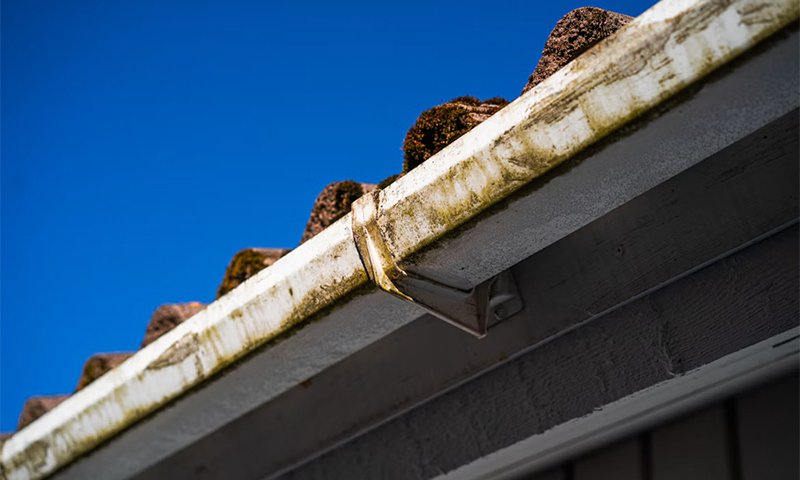
Maintaining a property requires regular attention to exterior components that protect the building from moisture, debris, and changing weather conditions. Gutters are among the most important parts of this system because they collect rainwater from the roof and direct it toward designated drainage areas, helping prevent water from accumulating around exterior walls and foundations. However, leaves, twigs, dirt, shingle granules, and other debris can gradually collect inside gutters, restricting the flow of water and reducing the effectiveness of the drainage system. Professional gutter cleaning helps remove these obstructions, restore proper water movement, and reduce the risk of overflow that may contribute to staining, erosion, and moisture-related damage. Regular maintenance also gives property owners an opportunity to identify loose brackets, leaking joints, and other visible problems before they develop into more expensive repairs.Many property owners overlook their gutters because these components are positioned along the roofline and may be difficult to inspect from the ground. A gutter can appear functional from the outside while its interior contains a significant accumulation of leaves, mud, and organic debris. When rainwater encounters these blockages, it may spill over the sides, collect around the foundation, or run down siding and fascia boards. Scheduling gutter cleaning before debris becomes excessive can help maintain reliable drainage and support the overall condition of the building’s exterior. By combining routine inspections, appropriate cleaning methods, and timely repairs, homeowners and commercial property managers can reduce preventable maintenance problems and keep their properties better prepared for periods of heavy rainfall.
Understanding the Importance of Clean Gutters
Gutters perform an essential role in managing rainwater by collecting runoff from the roof and directing it through downspouts away from vulnerable parts of the building. When the system is clear, water can move through the channels more efficiently instead of overflowing onto walls, walkways, landscaping, and foundation areas. Over time, however, leaves, branches, dirt, moss, and roofing granules can accumulate inside the gutters, particularly on properties surrounded by mature trees. Regular gutter cleaning removes this buildup and helps restore the system’s ability to manage rainfall effectively. Maintaining clear gutters is especially important when heavy rain can quickly overwhelm a partially blocked drainage channel.Blocked gutters can contribute to several property maintenance concerns if the problem remains unresolved. Overflowing water may leave stains on siding, damage fascia boards, erode soil near the building, and contribute to moisture problems around the foundation. Standing debris can also retain moisture against metal gutter surfaces and encourage corrosion or deterioration in certain components. Although cleaning alone cannot correct every drainage problem, professional gutter cleaning helps eliminate one common cause of restricted water flow. Property owners should also inspect the system for poor alignment, damaged seams, disconnected downspouts, and other defects that may prevent rainwater from draining properly even after the debris has been removed.
Common Causes of Gutter Blockages
Leaves are one of the most common causes of gutter blockages, especially when branches extend over the roof or nearby trees shed substantial amounts of foliage. Leaves may collect near gutter corners, settle around downspout openings, and combine with moisture to form dense layers that restrict water movement. Small twigs, seed pods, pine needles, and other organic materials can also accumulate over time, creating obstructions that are difficult to remove through ordinary rainfall. Regular gutter cleaning helps control this buildup before it develops into a dense mass that prevents water from reaching the downspouts. Properties with extensive tree coverage may require more frequent inspections because debris can accumulate quickly during periods of seasonal shedding.Roofing materials can contribute additional debris to the drainage system. Asphalt shingles may release granules as they age, and these particles can settle inside gutters alongside dust, pollen, and dirt washed from the roof. Moss and other organic growth may also break loose and collect around drainage outlets. When moisture combines with fine particles and decomposing leaves, the resulting sludge can become heavy and difficult to remove. Professional gutter cleaning addresses these different forms of debris while allowing technicians to observe whether the roof or drainage system appears to have other maintenance concerns. If an unusual amount of shingle granules or roofing debris is present, further inspection may be appropriate to determine whether the roof requires additional attention.
Protecting the Roof and Exterior Structure
Gutters and roofing materials work together to direct water away from the building, so problems with one component can affect the performance of the entire drainage system. When gutters become blocked, water may collect along the roof edge or overflow onto nearby roofing components and exterior surfaces. Persistent moisture can contribute to deterioration in wood trim, damage certain finishes, and increase the likelihood of staining around fascia boards. Regular gutter cleaning helps reduce these risks by allowing rainwater to travel through the intended drainage pathway rather than spilling unpredictably over the gutter edges. During maintenance, visible signs of sagging, loose fasteners, or damaged gutter sections should also be noted because cleaning cannot resolve structural problems on its own.Keeping the drainage system clear can also help property owners identify roofing issues that may otherwise be obscured by accumulated debris. During a professional visit, technicians may notice visible damage near roof edges, separated gutter joints, or water marks suggesting that runoff is not being managed correctly. Although a cleaning appointment is not a substitute for a comprehensive roof inspection, gutter cleaning can form part of a coordinated exterior maintenance routine that helps property owners recognize problems earlier. When repairs are needed, addressing them promptly can reduce the risk of further deterioration and help preserve the condition of the building’s roofline, exterior walls, and surrounding surfaces.
Preventing Water Damage Around the Foundation
A building’s foundation is designed to support the structure, but persistent water accumulation around its perimeter can create maintenance concerns. When gutters overflow, rainwater may fall directly beside the foundation instead of being directed toward suitable drainage areas. Depending on the soil, drainage conditions, and construction of the property, repeated water accumulation may contribute to soil erosion, damp basement walls, or moisture entering vulnerable areas. Regular gutter cleaning helps reduce one preventable source of excessive water around the building by keeping the channels and downspouts clear. However, the effectiveness of this protection also depends on proper gutter alignment, adequate downspout capacity, and suitable discharge locations.Downspouts should direct water away from the foundation in accordance with the property’s drainage design and local requirements. If the outlet is blocked, disconnected, or positioned so that water collects beside the building, cleaning the gutters alone may not resolve the issue. Property owners should inspect accessible drainage areas for erosion, standing water, and signs of repeated overflow after rainfall. Professional gutter cleaning can help identify visible blockages and provide an opportunity to discuss drainage concerns that may require additional work. Where foundation moisture or basement water intrusion is already present, a qualified professional should evaluate the underlying cause instead of assuming that gutter maintenance will solve every problem.
Why Professional Gutter Cleaning Is Beneficial
Cleaning gutters can involve working at height, handling wet debris, and navigating rooflines that may be steep, slippery, or difficult to access. These conditions create fall hazards for property owners who attempt the task without suitable equipment or experience. Professional gutter cleaning provides an alternative by using appropriate access methods, protective equipment, and cleaning tools designed to remove debris from the drainage system. Experienced technicians can also identify visible issues, such as loose brackets, damaged seams, or blocked downspout openings, that may require further attention. Their familiarity with different gutter configurations can help make the maintenance process more organized and reduce unnecessary risks associated with working above ground level.Another advantage of professional service is the opportunity to evaluate the drainage system as a whole. Removing leaves from the visible gutter channel is not always enough if compacted debris remains inside the downspouts or water cannot move properly through the system. A thorough gutter cleaning service should address accessible blockages, check water flow where practical, and identify obvious damage that may interfere with drainage. Property owners should ask what the service includes, whether downspouts will be checked, and whether any repairs are available separately. Clear communication helps establish realistic expectations and ensures that cleaning is not mistaken for a guarantee that every component of the gutter system is functioning perfectly.
The Role of Gutter Cleaning in Exterior Maintenance
Gutters are closely connected to other exterior components, including roofing materials, fascia boards, siding, windows, and landscaping. When rainwater flows correctly, it is less likely to cascade over exterior walls or collect around vulnerable sections of the property. When the system becomes blocked, overflow can leave dirt streaks, stain painted surfaces, and disturb soil beneath roof edges. Regular gutter cleaning supports a broader exterior maintenance plan by reducing debris-related drainage problems and helping property owners keep their buildings in better condition. Coordinating gutter maintenance with roof inspections and other exterior cleaning services can also make it easier to identify recurring issues and plan appropriate work.Property owners who arrange exterior maintenance should consider the condition of nearby surfaces and drainage features as well as the gutters themselves. For example, debris removed from the roof may enter the gutter system, while loose leaves can collect near downspout outlets and prevent water from moving away from the building. A coordinated gutter cleaning routine can help manage these connected concerns, particularly when the property contains extensive tree coverage or several roof sections. Mallard Systems offers exterior cleaning services that property owners can explore at gutter cleaning when considering the maintenance needs of their property. Discussing the condition of gutters, roofing surfaces, and surrounding exterior areas can help determine which services are appropriate and how the work should be planned.
How Often Should Gutters Be Cleaned?
The ideal gutter maintenance schedule depends on the property’s surroundings, roof design, weather exposure, and the amount of debris that accumulates throughout the year. Buildings surrounded by deciduous trees may collect substantial amounts of leaves during seasonal changes, while properties near pine trees may experience recurring accumulation of needles and small branches. Roofs with multiple valleys or complex layouts can also direct debris into particular gutter sections more frequently than simpler roof designs. Regular gutter cleaning should therefore be scheduled according to the property’s actual conditions rather than following one fixed interval for every building. Observing how quickly debris accumulates can help property owners develop a practical maintenance routine.Many properties benefit from inspections at least twice a year, with additional checks when trees shed heavily or severe weather deposits significant debris. However, some properties may require more frequent attention, particularly when gutters repeatedly overflow or nearby vegetation contributes substantial organic material. Property owners should look for visible signs of blockage, including water spilling over the gutter edges, plants growing inside channels, or debris collecting around downspout openings. Timely gutter cleaning helps address these problems before they cause additional drainage concerns. If gutters continue overflowing after they have been cleared, the issue may involve inadequate capacity, incorrect slope, damaged components, or a blocked underground drainage connection that requires separate investigation.
Gutter Guards and Preventive Maintenance
Gutter guards are designed to reduce the amount of leaves and larger debris entering the drainage system, potentially making ongoing maintenance easier. Different products use screens, mesh, covers, or other designs, and their performance depends on the material, installation quality, surrounding vegetation, and types of debris present. Although gutter guards can reduce certain blockages, they do not eliminate the need for inspections or maintenance. Fine particles, seeds, needles, and roof granules may still collect on or beneath some guard systems. Periodic gutter cleaning may therefore remain necessary to ensure that water continues flowing through the gutters and downspouts as intended.Choosing a gutter guard requires consideration of the property’s roof configuration, expected debris, maintenance preferences, and budget. A system that works well for large leaves may perform differently when exposed to fine needles or airborne particles. Property owners should also ensure that guards are compatible with the existing gutter system and installed without compromising the roof edge or drainage design. Even after installation, regular gutter cleaning inspections can help determine whether the guards are performing effectively and whether debris is accumulating around the edges. Preventive products can be useful, but they work best when combined with appropriate inspections and a maintenance plan suited to the property’s surroundings.
Common Gutter Cleaning Mistakes to Avoid
One common mistake is removing visible leaves without checking the downspouts. A gutter channel may appear clear while compacted debris remains inside the outlet, preventing water from draining properly during rainfall. Another mistake is overlooking loose brackets, separated joints, or sections that no longer slope correctly toward the drainage outlet. Effective gutter cleaning should include attention to the accessible drainage pathway and visible signs of damage, not just the removal of loose debris from the top of the gutter. When a blockage cannot be safely or effectively cleared using ordinary methods, appropriate equipment or professional assistance may be necessary.Safety mistakes can also turn routine maintenance into a serious hazard. Leaning too far from a ladder, working near electrical lines, standing on a fragile roof, or attempting to clean gutters during wet or windy conditions can increase the risk of falls and other injuries. Property owners should avoid taking unnecessary risks and arrange professional gutter cleaning when the roofline is high, the ground is uneven, or access is difficult. It is equally important to dispose of removed debris responsibly and avoid allowing leaves or sludge to enter storm drains. Careful preparation, suitable equipment, and attention to drainage performance make gutter maintenance more effective while helping protect both the property and the people performing the work.
Conclusion
Gutters play an essential role in protecting a property by directing rainwater away from the roofline, exterior walls, and foundation. When leaves, dirt, twigs, and other debris obstruct the system, water may overflow and contribute to staining, soil erosion, wood deterioration, and moisture-related maintenance problems. Regular gutter cleaning helps remove these obstructions, supports reliable drainage, and provides an opportunity to identify visible issues before they become more serious. By maintaining clear channels, checking downspouts, and addressing damaged components promptly, property owners can make their drainage systems more dependable and reduce avoidable exterior maintenance concerns.A successful maintenance routine should account for the property’s surrounding vegetation, roof design, drainage requirements, and seasonal debris accumulation. Professional assistance can be especially valuable when gutters are difficult to access or when the system has recurring blockages and visible damage. Combining gutter cleaning with appropriate gutter inspections, roof maintenance, and responsible water management helps protect the building’s exterior and supports its long-term upkeep. With regular attention and suitable preventive measures, property owners can keep their drainage systems working more effectively and maintain a cleaner, better-protected property throughout the year.