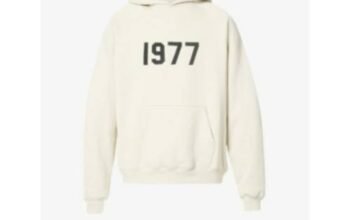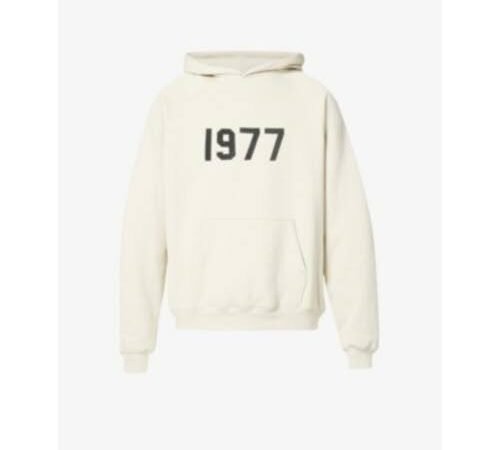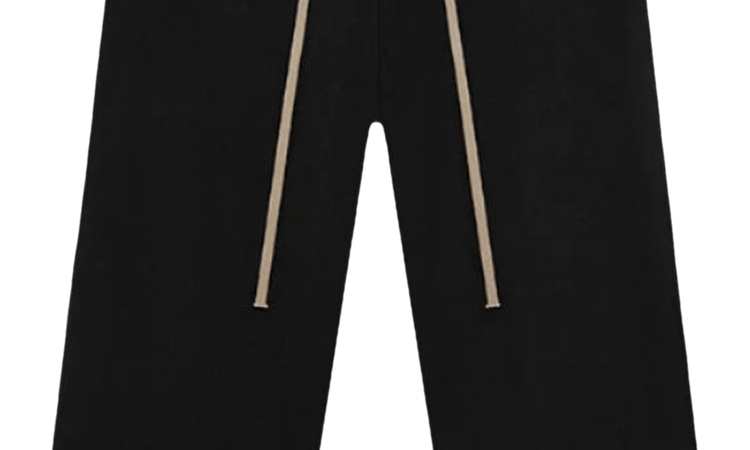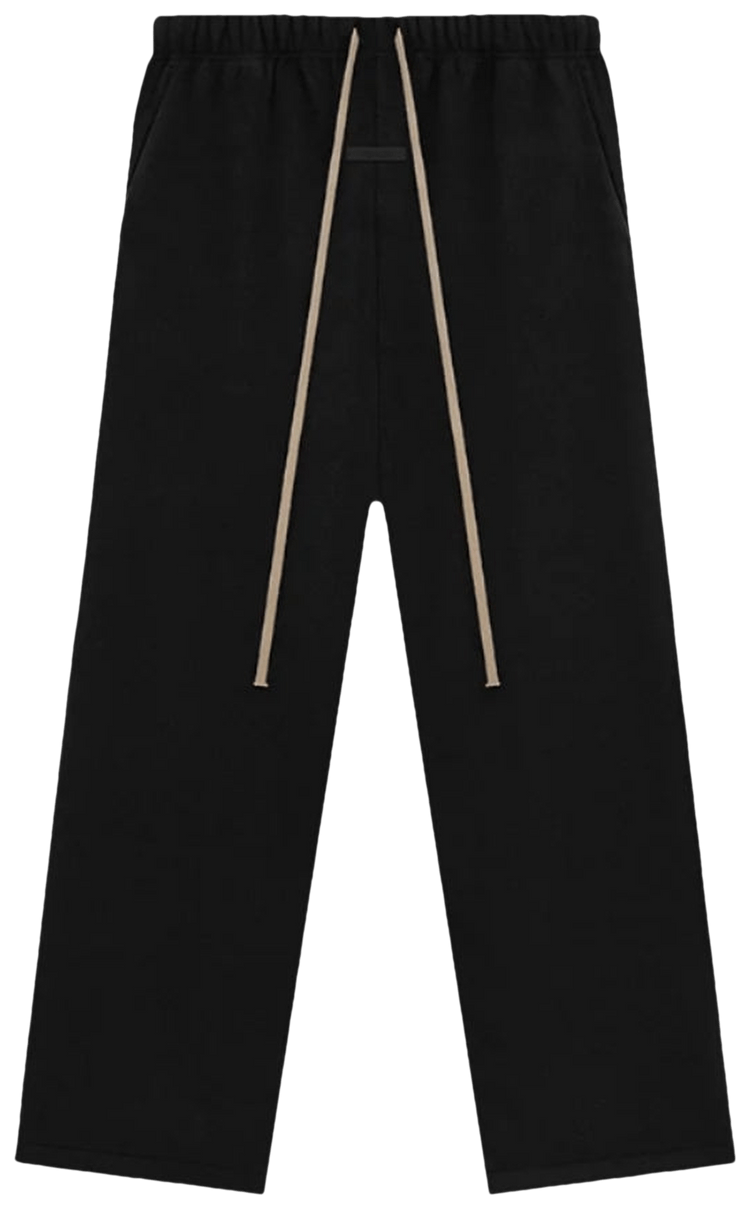
Ten minutes on a windy platform in February and the bottom of your leg picks up a pale tidemark that wasn’t there when you left the house. Road salt. It dries crusty and chalky and it reads loudest against dark fabric, which happens to be what most of us grab without thinking about it. So when somebody opens the sweatpant pages at Essential Hoodie and goes straight for black, I usually want to slow them down by about thirty seconds — because colour decides how a pair looks at six in the evening, not at nine in the morning.
Every colour gives up eventually, just not at the same hour. Grey is the one that goes early if there’s rain about, black holds together until you step off a salted curb, and brown mostly shrugs the whole thing off — then loses badly to a single drop of chain oil.
A day leaves marks, and most of them aren’t stains
We talk about stains because stains are dramatic, but the stuff that makes a pair look tired by dinner is quieter than that. Lint off a car seat. Hair from whatever animal lives in your house. A crease behind the knee from a two-hour meeting, a faint shine across the seat from the same chair, grit sprayed up from a slushy gutter by a passing bus.
None of it is really a problem. It just shows, or doesn’t.
Which matters before you pick, because the sweatpant page runs 21 items across a spread of colours and the cuts are steep enough — the 1977 Essentials Sweatpant in black is C$106 against an original C$340 — that people buy on price and think about shade afterwards.
Grey marl is forgiving right up until it gets damp
Marl isn’t a flat colour — it’s lighter and darker fibres spun in together, and that fleck is basically camouflage, so a grey pair swallows dust, crumbs, pale pet hair and the general fuzz of a day better than anything else in the drawer.
Damp is the weakness. Snowmelt off a bus seat, spilled coffee, sweat at the waistband after you’ve jogged two blocks for a streetcar — it all goes dark on grey and stays dark for a good twenty minutes while you sit there hoping nobody’s looking. Light grey is worse for this than dark grey, pretty obviously.
Honestly though? For a dry indoor day in Calgary in November, with a dog at home, grey is the simplest colour to live in.
Black hides a lot and then salt turns up
Black does the heavy lifting on anything dark or oily. Coffee, mud, a dropped bite of something greasy — gone, or near enough. Which is why it’s the commuting default.
Then winter arrives. The white salt line that forms across the ankle of a black pair is about as subtle as a bumper sticker, and it comes back every single time the temperature swings around 0 °C and the sidewalk crews go out again. Lint is the other one. Pale fluff, white hair, the fibres off a grey car seat — black collects all of it and shows every bit.
There’s a fading question too. Enough wash cycles and a deep black drifts toward a soft charcoal, and if you own two pairs bought a year apart you’ll spot it side by side in the wash basket. A jet black reads deeper than a standard black on day one, which just means it has further to fall before anyone notices.
Brown and beige, quietly the smartest pick
Brown is the one people skip and then come back to. A salt tidemark on a brown leg reads as a slightly lighter brown rather than a white stripe, mud basically disappears into it, and mixed lint has nothing to contrast against.
Its one bad day involves oil. Bike chain, kitchen splatter, anything that goes dark and wet — that sits on brown like a spotlight, and it sits there permanently if you don’t get to it fast. Cream and beige are the extreme version of the same trade: beautiful for a dry September afternoon, hopeless the moment you park a bike. If you’re browsing the Essentials Sweatpants range with one purchase in you and no idea which way to go, a mid brown or a dark grey will annoy you less often than either black or cream.
Which colour for which kind of day
Rough guide, based on how these colours behave rather than anything scientific:
| Colour | Hides it well | Gives you away | Best day for it |
| Light grey marl | Dust, crumbs, pale pet hair, creasing | Rain, sweat, any damp patch | Dry indoor day, working from home |
| Dark grey | Most lint, light mud, general wear | Heavy rain, salt if the pair is very dark | Everyday winter wear in the city |
| Black / jet black | Coffee, mud, grease, dark spills | Road salt, white lint, fading over time | Evenings out, transit, eating on the move |
| Brown / light brown | Salt, mud, dust, mixed lint | Oil, ink, anything dark and wet | Shoulder season, long days outside |
| Cream / beige | Honestly, not much | Everything, immediately | A dry afternoon with no commute attached |
Weight, cuffs and how the colour ages
Colour isn’t working alone here, to be fair. Heavier fleece-backed fabric creases less behind the knee, so a thicker dark pair looks sharper after a long sit whatever the shade, and most of these run cotton-led with a bit of man-made fibre spun in, which is partly what stops the leg creeping up your ankle after a hot wash.
Cuffs matter more than you’d guess in a Canadian winter, since a gathered ankle sits maybe 3 to 5 cm above the slush line and the salt lands on your sock instead. An open hem just drags through it.
Washing is where colour gets ruined, not where it gets saved. Cool water, turned inside out, dried on a rack rather than blasted in a dryer — that’s most of it. Grey survives carelessness best. Black punishes it fastest.
Key Takeaways
|
Pick for the hours you actually spend in them. A pair that lives on a sofa can be whatever colour you like best, but if yours sits on a salted platform twice a day from December to March, brown or a mid grey will look better in year two than black manages to.