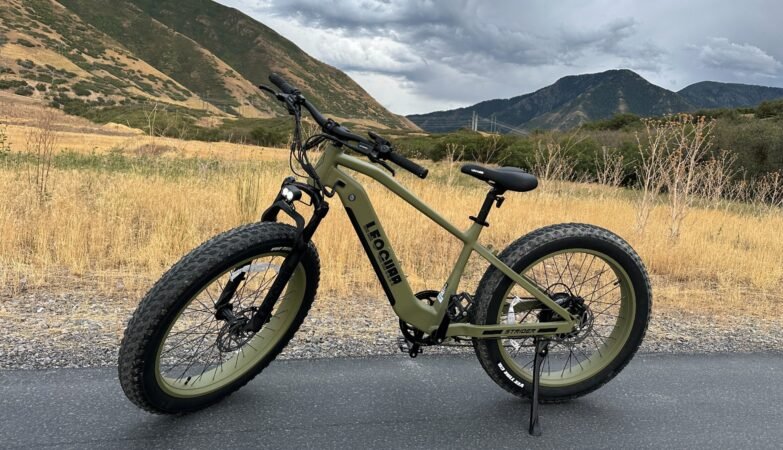
For most people who ride on tarmac roads a fully suspended electric bike will be more than you actually need; but when your usual paths involve rocky trails, roots, potholes or rough descents, rear suspension can have a noticeable effect on both comfort and control.
You won’t usually need full suspension when using smooth roads or for ordinary commuting, since a front suspension fork or a suspension seatpost will usually be sufficient. It’s only when you frequently ride on rough trails and need both wheels to stay in better contact with uneven ground that full suspension becomes more useful.
The appropriate setup will vary according to the condition of your roads, your riding speed, your requirements regarding comfort, and your budget; below is a way of selecting one without having to pay for suspension that you might never use.
What Does Electric Bike Suspension Actually Do?
The suspension on an adult electric bike takes in the shocks and enables the wheels to stay on uneven ground. It does this by allowing the fork or the rear shock to squeeze in and then push back out, which in turn reduces the amount of force that is transmitted to your hands, back, and legs while at the same time helping to keep traction.
The three typical configurations are front suspension, full suspension, and a suspension seatpost; each one is designed to counter a different kind of impact, so it is more useful to understand the differences between them than simply to look for the most suspension travel.
| Suspension Type | Where It Works | Best For |
| Front Suspension | Front wheel and fork | Potholes, gravel, moderate trails |
| Full Suspension | Front fork and rear shock | Rocky trails, roots, technical descents |
| Suspension Seatpost | Beneath the saddle | Rough pavement, commuting, mild bumps |
| No Suspension | Relies on tires and frame design | Smooth roads and efficient everyday riding |
Good tires, the right tire pressure, and safe riding technique cannot be replaced by suspension, its role being to deal with impacts and assist the bike in staying in control on the ground.
Front Suspension vs. Full Suspension: What’s the Difference?
The front suspension takes in the shocks at the front wheel, whereas full suspension incorporates both a front fork and a rear shock. The extra rear suspension aids the rear wheel in following uneven ground and reduces the impacts which would otherwise be transmitted to the rider through the saddle.
Front Suspension: A Practical Choice for Everyday Roads
When the front wheel meets a bump the front suspension fork gets compressed, which helps to reduce the shocks that are transmitted through the handlebars. This is useful on broken pavement, potholes, gravel tracks and moderately uneven trails.
For the average commuter, front suspension electric bike provides a reasonable compromise between comfort, cost, and the amount of maintenance required; it also usually weighs less and has fewer moving parts than a similar full-suspension system.
A front fork is incapable of absorbing the shocks from the rear wheel, so if you are riding over roots, rocks, or repeatedly encountering bumps on the trail while sitting, you could still experience strong jolts through the saddle.
Full Suspension: More Control on Rough Terrain
An electric bike with a full suspension system has both a front suspension fork and a rear shock absorber; the front fork takes care of the impacts at the front wheel and the rear shock enables the rear wheel to follow the uneven ground.
This combination is helpful for improving traction and control on difficult trails, especially where the surface is rocky, uneven, or steep; it can also lessen the repeated impacts which cause fatigue during longer off-road rides.
The result is that the bike costs more to buy and to keep in good condition, is heavier, and has more parts that need checking. Full suspension is only most worthwhile if your journeys frequently call for the advantages it provides, not just because it seems more advanced.
Which Suspension Is Best for Your Roads?
The most usual type of riding surface should be considered first. A rider who spends the majority of the week on asphalt is quite different from one who rides on rocky singletrack at the weekend.
| Typical Route | Recommended Setup | Why |
| Smooth pavement and bike paths | No suspension or suspension seatpost | Tires may provide enough comfort |
| Potholes and broken pavement | Front suspension or suspension seatpost | Helps reduce everyday jolts |
| Packed gravel and maintained dirt roads | Front suspension | Often balances comfort and efficiency |
| Rough gravel with frequent bumps | Front suspension; full suspension if impacts are substantial | Depends on speed and terrain |
| Rocky trails and exposed roots | Full suspension | Helps both wheels track uneven ground |
| Technical descents and repeated large impacts | Full suspension | Offers more control when properly adjusted |
They are general recommendations and not strict rules since the required amount of suspension depends on the tire width, the pressure, the frame geometry, the rider’s weight, and the riding speed.
The REI Bike Suspension Basics guide also differentiates between front-only suspension, which is suitable for smoother trails and roads, and full suspension, which is appropriate for more difficult terrain.
Is a Suspension Seatpost Enough for Everyday Riding?
If your primary worry is comfort when cycling on paved roads, on bike paths, and on fairly rough roads, then a suspension seatpost can be a practical substitute for full suspension since it provides movement under the saddle to soak up the impacts which would otherwise be transmitted directly through the seatpost.
A suspension seatpost does not in the same way as a rear shock built into the frame actively control the movement of the rear wheel. Instead, its main function is to improve comfort for the rider who is sitting, not to offer the complete benefits for traction and handling that come from rear suspension.
When Does a Suspension Seatpost Make Sense?
A suspension seatpost may be a good fit if you:
- Travel on the pavement, which has cracks, seams, and sometimes potholes.
- Prefer to ride in a seated position and wish to minimise the shocks transmitted through the saddle.
- You can have extra comfort without having to pay the price in terms of weight and cost.
- Go for a bicycle with a simpler design and less suspension equipment.
Compatibility is important since the seatpost diameter, the depth at which it is inserted, the amount of travel it offers, the height of the saddle, and the frame’s design all have to be appropriate. It is not true that a suspension seatpost is a general upgrade, and some frames or those equipped with a dropper seatpost may not support one.
On rough tracks where there are frequent impacts, a suspension seatpost cannot take the place of a well-designed rear suspension system.
Does Full Suspension Make an Electric Bike Slower?
It is not automatic. Although suspension increases weight and may cause suspension movement while pedalling, a well-designed system can enhance traction on uneven ground and assist riders in keeping their momentum over rough sections.
On smooth pavement, any extra weight and movement of the suspension will offer only a minor advantage; but on technical trails, improved wheel contact can aid in maintaining control and reduce the necessity of slowing down as often when encountering a bump.
The efficiency of the bike also relates to the suspension setup; if the air pressure or the damping is set incorrectly the bike can seem harsh, too soft, or less responsive. The suspension system must be adjusted according to the rider’s weight, the type of terrain, and the manufacturer’s recommendations.
The real issue is not whether a fully suspended bicycle is faster in all situations, but whether the better control and comfort are worth the extra weight, cost, and the amount of maintenance required on the roads that you actually ride.
What Does Electric Bike Suspension Mean for Maintenance Costs?
Suspension includes parts which have to be inspected and which require periodic servicing. The front forks and rear shocks have moving parts, seals, and internal systems and these may need to be maintained in accordance with the manufacturer’s service schedule.
A seatpost that is of the suspended type is usually simpler, though its moving parts also require inspection and cleaning.
| Component | Maintenance Considerations |
| Front Suspension Fork | Clean stanchions, inspect seals, follow service intervals |
| Rear Shock | Check for leaks, inspect mounting hardware, follow shock service requirements |
| Suspension Seatpost | Keep moving parts clean and inspect for wear or play |
| No Suspension | Fewer suspension-specific service requirements |
The real cost of maintenance depends on the component in question, on how frequently it is used, and on the service provider. Dirt, dust, water, and frequent heavy impacts can all lead to a greater need for maintenance.
You should not open any pressurized suspension parts unless you have the necessary training and tools, and you must either follow the instructions given by the component manufacturer or have a qualified bicycle mechanic carry out the task.
Leoguar Trailblazer: A Full-Suspension Electric Bike for Rough Trails
The Leoguar Trailblazer Mid-Drive Electric Mountain Bike offers a practical instance of a full-suspension design for people whose usual routes involve rocky paths, roots and uneven mountain-bike trails.
The ebike is fitted with a RockShox front fork having 140mm of travel and a RockShox Deluxe Select rear shock. These parts work together to enable the front and rear wheels to deal with uneven ground, thus enhancing comfort and control provided that the suspension is correctly adjusted.
Its other key specifications include:
| Feature | Leoguar Trailblazer |
| Suspension | Full suspension, front and rear |
| Front Fork | RockShox, 140mm travel |
| Rear Shock | RockShox Deluxe Select |
| Motor | 500W rated, 750W peak, up to 100Nm |
| Battery | 720Wh |
| Tires | Maxxis Rekon, 27.5 × 2.6 inches |
| Brakes | Shimano four-piston hydraulic disc brakes |
| Intended Use | Mountain trails and uneven off-road terrain |
The Trailblazer’s suspension is more suitable for riders who frequently come across rough trails than for those using smooth roads in their neighbourhood. The 27.5 × 2.6-inch tires together with the hydraulic disc brakes enhance the suspension by providing traction and allowing for controlled braking on different surfaces.
It doesn’t follow that a full suspension system makes every trail safe, since tire traction, the condition of the brakes, speed, the rider’s skill, and the suspension setup are still important. Riders must adjust both the fork and the rear shock to suit their own weight and the type of terrain, and they should reduce their speed when encountering unfamiliar or loose sections.
If you’re riding mostly on tarmac, then you probably won’t need a full-suspension mountain bike. However, when rough ground is a regular part of your rides, the Trailblazer shows how the front fork and rear shock function together as part of a complete trail-oriented design.
How Do You Know if You Actually Need Full Suspension?
Before you decide on a more complicated suspension system, consider the type of bumps you meet with most frequency and the way they impact your ride.
Ask yourself these questions:
- How often do you ride on rough trails? Rides on gravel alone might not make it worth having a full suspension, but frequent riding on rocky trails does.
- In what areas do you notice the effects? If the effect is felt through the handlebars then the front suspension should be used; if it is felt repeatedly through the saddle then a seatpost or rear shock is warranted.
- If you’re looking for more traction and better control, full suspension can be of assistance when travelling over uneven ground since both wheels have to follow the terrain.
- Would you be willing to put in additional maintenance effort? The forks and the rear shocks need to be inspected and serviced.
- Is the bicycle within your budget and does it suit the way you ride? Do not pay for trail features that are not going to improve your regular rides.
If you can, go for a ride on both a front-suspension bicycle and a full-suspension bicycle along the same safe route. Only by comparing the two will you gain a better understanding of their comfort and handling than by relying on their specifications.
Final Thoughts: Choose Suspension for the Roads You Ride
It is not essential for every electric bike to have full suspension; for use on smooth roads and for everyday commuting a rigid frame, a suspension seatpost, or a front suspension fork will be sufficient in terms of comfort while at the same time being lighter and requiring less maintenance.
Full suspension can improve traction, control, and comfort by enabling both wheels to keep up with the uneven ground during regular riding on rocks, roots, and technical trails.
Begin with the routes that you normally take, assess the effect that you experience, and select a suspension system which deals with a real problem rather than just adding extra features.
Frequently Asked Questions
1. Is it worth having a full suspension system on an electric bike?
If you frequently ride on rocky trails, roots, or technical descents, then a full suspension system is worth considering since both wheels will need to cope with uneven terrain. However, for riding on smooth pavement and for regular commuting, a front fork or a suspension seatpost should be sufficient in terms of comfort without the added weight, cost, and maintenance.
2. Does an electric bike need front suspension?
That is true for a great many riders. Front suspension is useful for absorbing the shocks caused by potholes, gravel, and minor trail obstacles. It could provide a satisfactory combination of comfort, efficiency, and price if your main type of riding is on tarmac roads or on roads that have been properly maintained.
3. Will a suspension seatpost function on an electric bike?
Yes, as long as the seatpost is suitable for the frame. A suspension seatpost helps to reduce the effects of impacts at the saddle, which is why it’s useful for commuting and riding on poor road surfaces. It won’t take the place of full suspension when tackling demanding trails since it doesn’t offer the same level of rear-wheel traction and control.
4. Will using a fully suspended system have an effect on the range of an electric bike?
Although full suspension can increase the weight of the bike and might cause some energy loss due to the movement of the suspension, its effect on range depends on the design of the bike and the type of terrain; on rough trails better traction and control can help keep momentum, while on smooth roads the extra suspension offers little advantage.
5. How often should electric bike suspension be serviced?
Service intervals depend on the fork and shock model, riding conditions, and manufacturer recommendations. Inspect suspension components regularly for damage, leaks, unusual movement, or worn seals. Follow the component manufacturer’s maintenance schedule, and use a qualified mechanic for service that requires specialized tools.