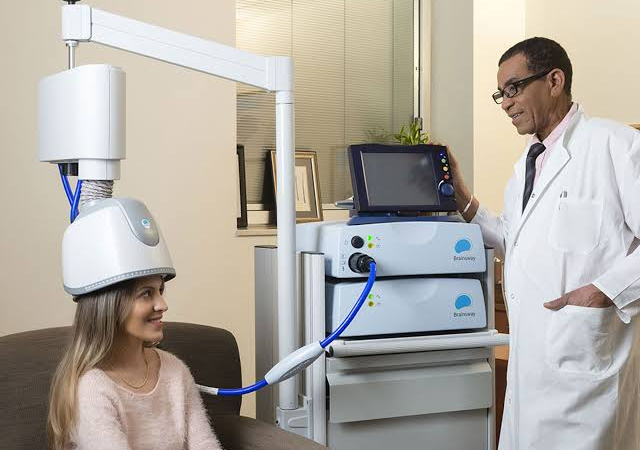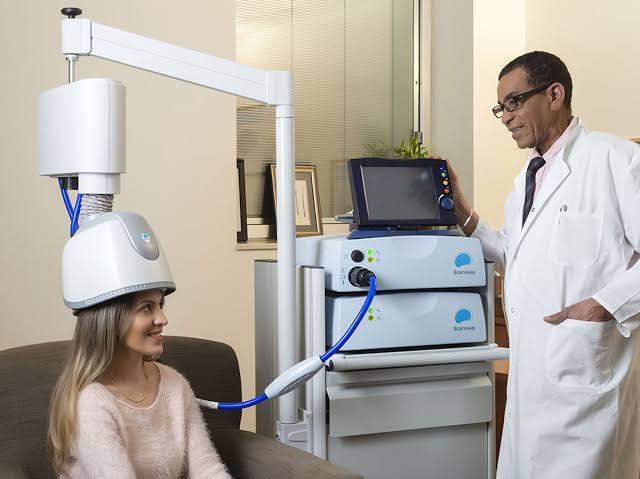
Modern neurotechnology is moving quickly away from one‑size‑fits‑all treatments toward tools that listen to the mind in real time. Neurotechnology is making this shift, and at the heart of it, Cody Andrew Moxam is developing brain stimulation devices that adapt to the patient. The patient’s cognitive fingerprints are as unique as the patient’s DNA. That is why the patient matters so much. By watching how each neural pathway reacts to stimuli, these new brain stimulation tools can give precise, very personalized help that old fixed methods cannot match. This new way of thinking is a turning point for how we understand cognitive enhancement and therapeutic support.
Why One-Size-Fits-All Fails in Neuroscience
For decades, the standard approach to treating various cognitive and mood conditions relied heavily on uniform protocols that essentially assumed every human brain would react identically. However, modern research into the incredible complexities of human cognition reveals that generalized therapies involving electrical or magnetic pulses often yield wildly inconsistent results across different demographics. When clinicians apply the exact same frequency and intensity to two different people dealing with similar attention issues, one might experience a major breakthrough while the other feels absolutely no change at all. This frustrating lack of reliability has driven the medical and tech communities to seek out smarter, more flexible systems that can reliably read and react to a person’s unique neurobiology.
Moving Beyond Traditional Methods
The key to beating these fixed models is to totally rethink how hardware and software actually talk to the end user. People who are pushing the edge of this fast‑growing field, like Cody A Moxam, know that the next wave of wellness devices must act like a two‑way conversation, not just a one‑way push. Rather than simply sending signals straight into the nervous system and hoping for a good result, new wellness devices keep a close eye on body reactions every few milliseconds. New wellness devices shift their output instantly to enable possible healing while avoiding extra mental strain. This careful dance keeps tech and human biology in harmony.
The Role of Real-Time Neural Feedback
The true game-changer in this technological evolution is the seamless integration of real-time neural feedback loops within consumer-friendly devices. By utilizing highly sensitive sensors that track electrical activity as it happens, adaptive systems can instantly determine whether a specific frequency is helping someone reach a calmer state or inadvertently causing more stress. Understanding how deeply interconnected our mental well-being is with our physical responses allows developers to craft sophisticated software that acts almost like a digital, personalized therapist. If the system detects cognitive resistance or overstimulation, it automatically scales back, ensuring that the intervention remains safely and comfortably within the user’s optimal tolerance window at all times.
Adaptive Technology for Better Outcomes
Building such highly responsive technology is no small feat, as it requires processing massive amounts of complex biometric data within fractions of a second. This is exactly why the foundational work Cody Andrew Moxam is driving stands out in a crowded, often noisy landscape of digital health gadgets. By prioritizing machine learning algorithms that tailor the entire experience directly to the individual, the technology ensures that each session becomes progressively more effective as it learns the user’s specific baseline over time. This vital feature transforms what would otherwise be a standard piece of hardware into an evolving, intuitive companion that genuinely understands the nuances of an individual’s daily mental bandwidth.
Precision Engineering Meets Cognitive Science
At the intersection of precision engineering and cognitive science, there is a chance to completely change how we think, focus, and recover every day. We are no longer limited to tools meant only for serious medical rehab. Instead, smart, smooth systems are now leading the way in improving stress control and supporting long-term brain health. When wearable hardware is explicitly designed to sync flawlessly with our natural circadian rhythms and fluctuating mental states, it successfully bridges the gap between serious medical treatments and accessible daily wellness routines. The hardware itself is continually becoming sleeker, far less intrusive, and much easier to integrate into a demanding, modern lifestyle.
Overcoming Challenges in Neurotech Development
Pioneering completely new frontiers in consumer neurotechnology naturally comes with its fair share of complex logistical, technical, and ethical hurdles. Software developers and hardware engineers alike must carefully navigate strict regulatory environments while ensuring that user data remains entirely private, encrypted, and secure—especially when dealing with something as intimate as human brainwave activity. Beyond that, minimizing the physical footprint of these sophisticated devices so they can be worn comfortably outside of a sterile laboratory setting presents a massive, ongoing engineering puzzle. It takes a dedicated, multidisciplinary team of designers and neuroscientists working in perfect tandem to condense bulky clinical machinery into an attractive, modern wearable.
Conclusion
With a spawning digital kink vying for your attention and stealing your time, cookie-cutter ways to get your wits together aren’t going to cut it anymore, and with neural tech getting increasingly personalized, highly adaptive, and specific, the brains will finally get the care they need. And maybe, just maybe, as this tech overflows from the streets and into your very own hands, the relationship with our cognitive health could be changing. So bring it on, the new, self-managing, safe and sustainable attention-tuning doctors of the brain!