A modern glass railing system is more than a collection of transparent panels. Its overall performance depends on several supporting elements that hold the glass securely, maintain structural stability, and create a clean architectural finish. From mounting brackets to specialized clamps, every component has a specific role in the assembly.
Quick Answer: The essential glass railing components include glass panels, spigots, clamps, brackets, mounting hardware, handrails, and connectors. Selecting compatible, high-quality components helps create a stable, functional, and visually appealing railing system.
Whether installed on a balcony, staircase, deck, or commercial property, understanding these individual elements makes it easier to plan a suitable glass railing design.
The Main Components Behind a Glass Railing System
Although different railing designs use different installation methods, several hardware elements are commonly found across modern systems. Their selection depends on the glass thickness, mounting surface, railing configuration, and project requirements.
1. Glass Panels: The Visible Foundation
Glass panels are the central feature of any glass railing system. They provide a transparent barrier while allowing natural light and outdoor views to remain largely unobstructed.
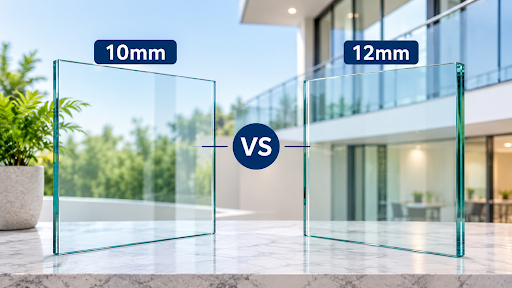
Tempered glass is commonly used in railing applications because of its strength and safety characteristics. Depending on the project, panels may be available in different thicknesses, heights, and finishes.
The choice of glass should consider:
- Required glass thickness and dimensions.
- Intended residential or commercial application.
- Compatibility with the selected mounting hardware.
- Applicable building and safety requirements.
Properly specified glass panels establish the foundation for the entire railing assembly.
2. Glass Railing Spigots for Secure Mounting
Spigots are popular mounting components used in frameless glass railing installations. They hold individual glass panels in position, generally securing them from the base without requiring large supporting posts.
Glass railing spigots are commonly used for balconies, swimming pool enclosures, patios, and outdoor decks where maintaining an open appearance is important.
Stainless steel options are particularly popular because they offer a contemporary finish and resistance to corrosion, depending on the selected grade and environmental conditions.
Their placement and compatibility with the glass thickness are important considerations during installation.
3. Glass Railing Clamps for Panel Support
Glass railing clamps provide another method of securing glass panels within a railing assembly. Unlike some base-mounted systems, clamps can be used in configurations where panels are attached to posts, walls, or other supporting structures.
These fittings help hold the glass in its intended position while maintaining a minimal visual appearance.
When selecting glass railing clamps, consider:
- Glass thickness compatibility.
- Clamp dimensions and mounting requirements.
- Material quality and finish.
- Suitability for indoor or outdoor applications.
Choosing the correct clamp helps ensure that the glass panel and supporting structure work together as intended.
4. Glass Railing Brackets and Mounting Fittings
Brackets are essential supporting elements in many glass railing configurations. They connect different parts of the railing assembly and help secure glass panels, handrails, or supporting structures.
Glass railing brackets are available in different shapes and designs to accommodate various installation requirements.
For example, some brackets are designed to connect handrails to glass panels, while others support mounting arrangements involving posts or walls.
The right bracket depends on the railing layout, connection type, and hardware specifications. Using compatible fittings also helps maintain a consistent appearance throughout the installation.
5. Stainless Steel Glass Railing Hardware
Material selection plays an important role in the long-term performance of railing systems, particularly in outdoor environments.
Stainless steel glass railing hardware is widely used because of its durability, modern appearance, and corrosion-resistant properties. It is commonly found in spigots, clamps, brackets, connectors, and other supporting fittings.
However, not all stainless steel grades offer the same level of corrosion resistance. Projects near coastal areas or swimming pools may require additional consideration when selecting hardware materials.
A few factors worth reviewing include:
- Stainless steel grade and finish.
- Exposure to moisture and environmental conditions.
- Compatibility between different hardware components.
- Maintenance and cleaning requirements.
Selecting suitable hardware helps maintain both the appearance and functionality of the railing system over time.
How Different Components Work Together
The individual parts of a glass railing system are designed to perform different functions, but their compatibility is equally important.
Consider a frameless glass balcony railing. The glass panels create the transparent barrier, while spigots or other approved mounting fittings secure them to the supporting surface. Depending on the design, handrails and connectors may provide additional support or a finished appearance.
A post-supported system may use clamps and brackets to attach the glass panels to structural posts. Each connection must be suitable for the intended application.
This is why selecting individual products without considering the complete assembly can create installation challenges.
Before purchasing glass railing hardware, review the system design, panel specifications, mounting surface, and applicable safety requirements.
Choosing the Right Components for Different Applications
Not every glass railing project requires the same hardware arrangement. The intended location and design influence which components are most appropriate.
➤ Balcony Railings: Frameless systems using suitable spigots or other approved mounting fittings are popular for balconies where maintaining clear views is a priority.
➤ Glass Deck Railings: Outdoor deck installations require hardware suitable for weather exposure, moisture, and the specific mounting structure.
➤ Staircase Railings: Staircase applications often require specialized brackets, clamps, and handrail connections that accommodate angled layouts.
➤ Pool Fencing: Pool enclosures need suitable glass mounting systems designed around applicable pool safety requirements and environmental exposure.
➤ Commercial Spaces: Commercial installations may involve larger configurations and specific structural and regulatory requirements. Component selection should reflect the demands of the project.
Understanding these differences helps builders, contractors, and property owners select components that suit their installation requirements.
Common Mistakes to Avoid When Selecting Glass Railing Hardware
Even premium-quality components may not deliver the intended results when they are incorrectly specified or combined.
Some common mistakes include:
- Ignoring glass thickness: Hardware must be compatible with the actual panel specifications.
- Choosing components based only on appearance: Material quality, load requirements, and installation compatibility are equally important.
- Overlooking environmental exposure: Outdoor and coastal installations may require specific stainless steel grades and maintenance considerations.
- Mixing incompatible fittings: Components from different systems should not be combined unless their compatibility has been verified.
- Neglecting installation requirements: Proper mounting surfaces, approved fixing methods, and professional installation are essential.
Paying attention to these details during the planning stage can help prevent unnecessary adjustments and installation difficulties.
Building a Better Railing System Starts with the Right Components
A well-designed glass railing system depends on more than the appearance of its panels. Spigots, clamps, brackets, connectors, and other supporting fittings all contribute to the complete assembly.
For contractors, builders, architects, and homeowners, understanding the purpose of different glass railing components makes product selection more straightforward. It also helps ensure that the chosen hardware is compatible with the intended design and application.
RF Transparent offers glass railing solutions, tempered glass panels, and stainless steel hardware to support modern residential and commercial projects. Exploring the right combination of components can help bring a functional and visually appealing railing design together.
Frequently Asked Questions
What are the main components of a glass railing system?
The main components generally include glass panels, spigots, clamps, brackets, mounting fittings, handrails, and connectors. The exact combination depends on the railing design and installation requirements.
What is the difference between glass railing spigots and clamps?
Spigots typically secure glass panels from the base, making them popular in frameless railing systems. Clamps hold glass panels through gripping connections and are commonly used with posts or other supporting structures.
Why is stainless steel used for glass railing hardware?
Stainless steel is commonly selected for its durability, modern appearance, and corrosion resistance. The appropriate grade should be chosen according to the installation environment and exposure conditions.
Are all glass railing brackets suitable for every glass thickness?
No. Brackets are designed for specific glass thicknesses, dimensions, and connection requirements. Always check the manufacturer’s specifications before selecting hardware.
Which glass railing components are best for balcony installations?
The selection depends on the balcony layout and mounting structure. Suitable glass panels, spigots or approved clamps, mounting hardware, and compatible handrail fittings may be used.
How do I choose the right glass railing hardware?
Consider glass thickness, installation type, mounting surface, environmental exposure, hardware material, and applicable building codes. Ensure that all components are compatible with the intended railing system.
Can glass railing components be used for both indoor and outdoor applications?
Many components are available for both applications, but material grade, finish, mounting requirements, and environmental suitability should be checked before installation.