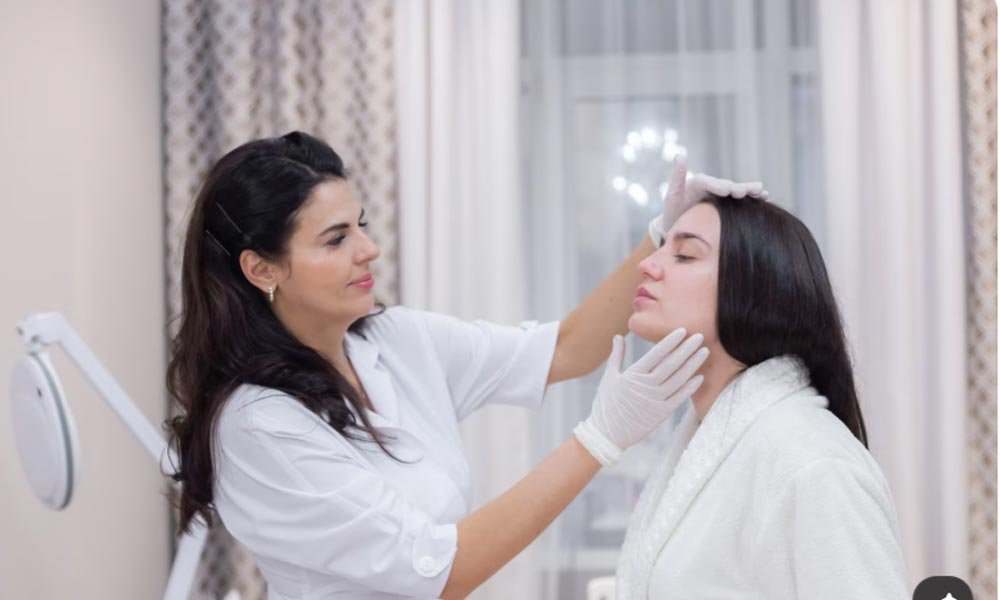
Many people want facial treatments that look natural and age well over time. While fillers can add volume, some patients are now choosing options that work with their own tissue or adjust deeper facial structures.
Natural facial rejuvenation may include fat transfer, facelift techniques, and other methods that aim to restore shape without creating an overfilled look. The best choice depends on age, skin quality, facial structure, and personal goals.
Fat Transfer Uses the Patient’s Own Tissue
Facial fat transfer uses fat taken from another part of the body.
The fat is cleaned and carefully placed into areas that have lost volume. Common treatment areas may include the cheeks, temples, or under-eye region.
One reason people choose this method is that it uses their own tissue rather than a manufactured filler.
Some of the transferred fat may stay in place for a long time, although results can vary.
Fat transfer may also create a softer look because the added volume can blend with nearby tissue.
However, not all transferred fat will survive, and some patients may need more than one treatment.
Deep Plane Techniques Focus on Facial Structure
A deep plane facelift works below the surface of the skin.
Instead of only pulling the skin tighter, the surgeon adjusts deeper tissues that help shape the face.
This approach may improve sagging around the cheeks, jawline, and lower face.
People researching Houston facelift surgery may want to compare how different facelift methods address deeper facial tissues, recovery time, and long-term goals.
A deep plane procedure is still surgery.
It can involve swelling, bruising, and recovery time, so patients should understand the risks and expected healing process before making a decision.
Fillers Still Have a Role
Natural rejuvenation is not always a replacement for fillers.
Fillers can still be useful for small changes, temporary volume, or areas that do not need surgery.
They can also be a good option for people who are not ready for a surgical procedure.
The main difference is that fillers usually need repeat treatments to maintain results.
Too much filler can also change facial balance if it is not used carefully.
For this reason, many patients now ask for smaller amounts or consider other treatments when they want longer-lasting changes.
The right plan may include one method or a mix of several approaches.
Long-Term Results Matter More to Many Patients
More patients are thinking about how a treatment will look several years later.
A quick change may be appealing, but long-term balance and natural movement are also important.
Fat transfer and surgical techniques may offer longer-lasting changes than temporary fillers in some cases.
Still, results depend on the person, the procedure, and the skill of the provider.
Aging will also continue after any treatment.
Patients should ask how long results may last, what maintenance could be needed, and how the treatment may change over time.
Choosing a qualified medical professional is an important part of that process.
Conclusion: Choose the Option That Fits Your Face
Natural facial rejuvenation is growing because many people want results that look balanced rather than overdone.
Fat transfer can restore volume with the patient’s own tissue, while deep plane techniques can address deeper facial changes.
Fillers can still be useful for smaller or temporary improvements.
There is no single best choice for everyone.
A careful exam and clear discussion of goals can help patients decide which approach offers the right balance of appearance, recovery, cost, and long-term results.