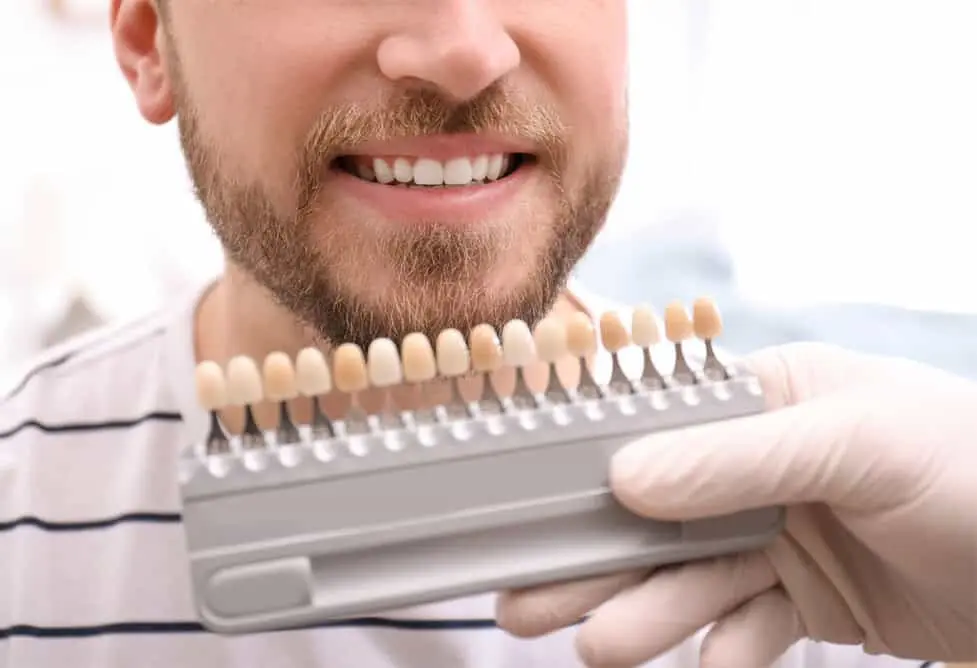
A single chipped tooth or a gap that has bothered you for years can quietly affect the way you hold yourself in photos, conversations, even job interviews. Veneers have become one of the most talked-about cosmetic dental treatments for exactly that reason. They address a wide range of aesthetic concerns without the complexity of orthodontic work or full crowns. But a lot of people walk into a consultation with only a vague idea of what the process actually involves. This article lays out the full picture, from candidacy and material choices to the procedure itself and long-term care.
What Veneers Actually Are
A veneer is a thin shell bonded to the front surface of a tooth. The shell is custom-made to match the shape, size, and color the patient wants, and it covers the visible face of the tooth while leaving the back and sides largely intact. That is a meaningful distinction from a crown, which caps the entire tooth after significant reduction of natural tooth structure.
Veneers are most commonly used to correct discoloration that does not respond to whitening, chips and minor cracks, slight misalignment or uneven spacing, worn enamel that has changed the shape of a tooth, and teeth that are proportionally smaller than the surrounding ones. They are a cosmetic solution, not a restorative one, so they work best when the underlying teeth are structurally healthy.
The Two Main Material Options
Most veneers are made from one of two materials: porcelain or composite resin. Each has real trade-offs worth understanding before committing.
| Feature | Porcelain Veneers | Composite Resin Veneers |
| Typical lifespan | 10 to 20 years | 5 to 7 years |
| Number of appointments | 2 to 3 | 1 (often same-day) |
| Stain resistance | High | Moderate |
| Reversibility | Usually irreversible | More easily reversible |
| Cost (per tooth, US avg.) | $1,000 to $2,500 | $250 to $1,500 |
| Repairability | Difficult; usually replaced | Can often be repaired |
Porcelain is the more popular choice for front teeth because it mimics the light-reflecting properties of natural enamel very convincingly. Composite resin is applied directly to the tooth by the dentist in a single visit, which makes it faster and less expensive, but it tends to stain over time and does not have the same longevity. Some patients choose composite as a temporary or lower-cost option before transitioning to porcelain later.
Who Is a Good Candidate
Not everyone who wants veneers is a suitable candidate, and a thorough evaluation matters before moving forward. Dentists look at several factors during a consultation.
- Sufficient enamel: Because placing porcelain veneers requires removing a thin layer of enamel (typically 0.3 to 0.7 millimeters), there needs to be enough natural enamel present. Teeth with very little enamel remaining may not bond well.
- No active decay or gum disease: Any infection or structural problem must be treated before cosmetic work begins. Placing veneers over unhealthy teeth traps problems underneath.
- Reasonable bite alignment: Patients with severe misalignment or bite issues may be better served by orthodontic treatment first. Heavy bite forces can pop veneers off or crack them.
- No significant bruxism: Teeth grinding puts extraordinary stress on veneers. Patients who grind at night are not automatically excluded, but they typically need a custom night guard to protect the veneers.
- Realistic expectations: Veneers improve the appearance of teeth; they do not straighten them in the structural sense that braces do.
The Step-by-Step Process for Porcelain Veneers
Understanding what happens at each appointment helps reduce anxiety and lets patients ask better questions. The process typically unfolds across two or three visits.
Consultation and Treatment Planning
The first appointment is usually a conversation and examination. The dentist reviews the patient’s dental history, takes X-rays to check root and bone health, and discusses goals. Many practices now use digital smile design software to give patients a preview of their expected results. This is also when the dentist confirms how many teeth will receive veneers and what shade is appropriate.
Tooth Preparation
At the second appointment, the dentist prepares each tooth by removing a very small amount of enamel from the front surface. This step is what makes traditional porcelain veneers irreversible. Once enamel is removed, the tooth will always need to be covered. After preparation, the dentist takes a precise impression or digital scan of the teeth, which is sent to a dental lab. Temporary veneers are often placed to protect the prepared teeth and give the patient a sense of the final look.
Bonding
When the lab returns the finished porcelain shells, usually within one to two weeks, the patient comes in for the bonding appointment. The dentist places each veneer on the tooth temporarily to check the fit and color before permanently cementing it. A special light-cured adhesive bonds the veneer to the tooth surface. Final adjustments are made, and the bite is checked carefully.
What the Research Says About Longevity
Veneers have a solid clinical track record. A long-term study published in the Journal of Prosthetic Dentistry found survival rates of approximately 94 percent for porcelain veneers at 10 years and around 83 percent at 20 years, making them one of the more durable elective dental treatments available. The most common reasons for failure were fracture and debonding, both of which are more likely in patients who grind their teeth or who have habits like biting fingernails or chewing ice.
Anyone getting veneers should understand that the longevity data assumes good oral hygiene, regular dental checkups, and reasonable care at home. Veneers are not immune to staining around the margins over many years, though high-quality porcelain itself resists stains well.
Caring for Veneers Long-Term
The maintenance routine for veneers is not dramatically different from caring for natural teeth, but a few adjustments make a real difference in how long they last.
- Brush twice daily with a non-abrasive toothpaste. Highly abrasive whitening toothpastes can scratch the surface of composite veneers and dull the glaze on porcelain over time.
- Floss daily. Gum health directly affects the appearance and longevity of veneers because gum recession can expose the edge of the veneer at the gum line.
- Avoid biting hard objects. Ice, pen caps, hard candy, and fingernails create localized stress that can chip or crack veneers.
- Wear a night guard if you grind. Many dentists recommend this proactively even for mild grinders.
- Limit staining beverages if you have composite veneers. Coffee, red wine, and tea stain composite more readily than porcelain. Rinsing with water after consuming them helps.
- Keep up with professional cleanings. Dental hygienists use instruments and techniques that are safe for veneer surfaces, and regular checkups catch early margin issues before they become bigger problems.
Common Questions Worth Addressing
A few questions come up repeatedly when people research veneers, and they deserve direct answers.
Do veneers hurt?
The preparation appointment involves local anesthesia, so there is minimal discomfort during the procedure. Some patients experience temporary sensitivity to hot and cold after the enamel is reduced and before the final veneers are placed. This typically fades once the permanent shells are bonded.
Can veneers be whitened if they stain?
Porcelain veneers cannot be whitened with bleaching agents. The color is set during fabrication. If a patient wants their veneers to be a certain shade, they should decide on that shade before the veneers are made, and ideally whiten their natural teeth first so the veneers can be matched to that brighter baseline.
Are veneers covered by dental insurance?
In most cases, no. Insurance providers categorize veneers as cosmetic, which places them outside the scope of standard coverage. Some plans may cover a portion of the cost if there is a documented functional reason, such as severe enamel erosion, but purely aesthetic cases are almost universally out-of-pocket expenses. Many dental practices offer financing options to help manage the cost.
Veneers sit at an interesting intersection of cosmetic improvement and clinical craftsmanship. When placed well on healthy teeth with good aftercare habits, they can hold up for well over a decade and produce results that look natural rather than artificial. The key is going in with accurate information: understanding what the procedure involves, what materials are available, and what realistic maintenance looks like. That preparation, more than anything else, shapes whether the experience meets expectations.