Most people understand that drinking too much alcohol is bad for health. Far fewer understand what happens inside the brain when alcohol use becomes a dependency, and why quitting is so much harder than simply deciding to stop. The science is genuinely fascinating, and understanding it removes a lot of the shame and confusion that surrounds addiction. This article covers how alcohol changes the brain at a structural level, what withdrawal actually involves physiologically, which treatment approaches have the strongest evidence behind them, and what long-term recovery realistically looks like.
What Alcohol Actually Does to the Brain
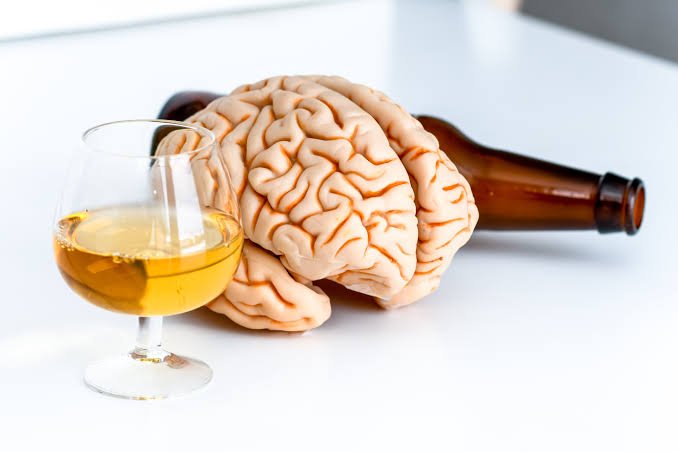
Alcohol is a central nervous system depressant, but calling it that understates the complexity of what it does. When someone drinks, alcohol enhances the effect of GABA, the brain’s primary inhibitory neurotransmitter, while simultaneously suppressing glutamate, the primary excitatory one. The result is the familiar sensation of relaxation, reduced inhibition, and slowed reaction time. That part most people know.
What is less understood is what happens with repeated, heavy exposure over time. The brain is adaptive by nature. When it senses that GABA activity is being artificially amplified, it compensates by reducing its own GABA receptor sensitivity. When it senses glutamate is being suppressed, it upregulates glutamate receptors to push activity back toward baseline. The brain is essentially trying to maintain equilibrium. The problem is that these adaptations become the new normal. The brain now requires alcohol just to function at a level that feels ordinary.
Alcohol also floods the brain’s reward circuitry with dopamine, particularly in the nucleus accumbens, a region central to motivation and pleasure. Over time, the brain produces less dopamine naturally and reduces the number of dopamine receptors. Activities that once felt rewarding, things like food, social connection, or exercise, start to feel flat. Alcohol becomes one of the few things that produces any feeling of reward at all. This is not a character flaw. It is a measurable neurobiological shift.
The Reality of Alcohol Withdrawal
Because the brain has compensated for alcohol’s depressant effects by increasing its own excitatory activity, removing alcohol suddenly causes that excitatory activity to run unchecked. This is why alcohol withdrawal can be medically dangerous in a way that withdrawal from many other substances is not.
Symptoms typically begin within six to twenty-four hours of the last drink and can include anxiety, tremors, elevated heart rate, sweating, and nausea. In more severe cases, withdrawal can produce seizures, hallucinations, and a condition called delirium tremens, which carries a mortality risk if untreated. According to the New England Journal of Medicine, delirium tremens occurs in roughly five percent of people experiencing alcohol withdrawal, with historical mortality rates as high as fifteen percent before modern treatment protocols.
| Withdrawal Stage | Timeline | Common Symptoms | Risk Level |
| Early | 6 to 24 hours | Anxiety, tremors, nausea, insomnia | Low to moderate |
| Intermediate | 24 to 48 hours | Increased tremors, elevated blood pressure, hallucinations | Moderate to high |
| Severe (Delirium Tremens) | 48 to 96 hours | Confusion, fever, seizures, cardiovascular instability | High, requires medical supervision |
| Post-Acute | Weeks to months | Mood swings, sleep disruption, cravings, cognitive fog | Variable |
This is why medically supervised detox is not optional for people with severe or long-standing alcohol dependence. It is a clinical necessity. Attempting to quit abruptly without monitoring can be life-threatening. Medical detox typically uses benzodiazepines, most commonly diazepam or lorazepam, to stabilize the nervous system while the brain recalibrates. The process usually takes between five and ten days, though post-acute withdrawal symptoms can linger considerably longer.
Evidence-Based Treatment Approaches
Detox is a starting point, not a treatment. Clearing alcohol from the body addresses physical dependence, but it does not address the psychological, behavioral, and social factors that sustain addiction. That requires structured treatment, and there is now a solid body of research identifying which approaches work.
Behavioral Therapies
Cognitive Behavioral Therapy, commonly called CBT, is one of the most studied interventions for alcohol use disorder. It works by helping people identify the thought patterns and situational triggers that drive drinking, then building practical skills to respond differently. A meta-analysis published in the journal Addiction found CBT significantly reduced alcohol use compared to control conditions across multiple studies. Motivational interviewing is another widely used approach, particularly effective in the early stages when ambivalence about quitting is high. It is not about convincing someone to change. It is about helping them articulate and strengthen their own reasons to do so.
Medications for Alcohol Use Disorder
Three medications are currently approved by the FDA specifically for alcohol use disorder: naltrexone, acamprosate, and disulfiram. Naltrexone works by blocking opioid receptors, which reduces the rewarding effects of alcohol and can diminish cravings. Acamprosate is thought to stabilize the glutamate system that alcohol disrupts, reducing the anxiety and discomfort that often drive relapse. Disulfiram causes an unpleasant physical reaction when alcohol is consumed, acting as a deterrent. Despite solid evidence for all three, a 2014 study in JAMA found that fewer than nine percent of people diagnosed with alcohol use disorder ever receive any of these medications, pointing to a significant gap between what science supports and what actually gets prescribed.
Residential and Outpatient Programs
Treatment intensity should match the severity of someone’s addiction and their life circumstances. Residential treatment, where someone lives at a facility for thirty, sixty, or ninety days, provides structured immersion and removes the person from environments that trigger use. Intensive outpatient programs allow people to maintain work or family responsibilities while still receiving several hours of therapy per week. Standard outpatient is appropriate for people with strong support systems and less severe dependence. For people in Southern California, there are well-regarded recovery centers near Huntington Beach that offer a range of these levels of care, allowing individuals to find a program that fits their specific clinical needs and personal situation.
The Role of Peer Support in Sustained Recovery
Professional treatment creates the foundation, but peer support is often what sustains recovery over months and years. Alcoholics Anonymous remains the most widely accessible peer support network, with meetings available in most cities worldwide. While it uses a spiritual framework that does not resonate with everyone, the research on AA’s effectiveness is more positive than its critics sometimes suggest. A 2020 Cochrane Review, one of the most rigorous systematic reviews in medicine, found that AA was more effective than other interventions in helping people achieve continuous abstinence.
For those who prefer a secular approach, SMART Recovery offers meetings grounded in CBT and motivational principles without the spiritual component. Some people find that combining professional therapy with peer community support gives them more tools than either alone. The common thread across successful long-term recovery is connection. Isolation tends to be a significant risk factor for relapse, and having a community of people who understand the experience provides both accountability and a sense of belonging that is genuinely protective.
What Long-Term Recovery Actually Looks Like
Recovery is not a single event. It is an ongoing process, and the brain’s healing timeline reflects that. Some neurological changes begin to reverse within weeks of stopping drinking. Cognitive function, particularly memory and attention, often shows measurable improvement within thirty to ninety days of abstinence. Brain volume in areas like the prefrontal cortex, which governs decision-making and impulse control, can partially recover over months and years, though the rate and degree of recovery vary based on factors like age, duration of heavy drinking, and overall health.
Relapse is common and should be understood as part of the process rather than evidence of failure. The National Institute on Drug Abuse estimates that relapse rates for substance use disorders are between forty and sixty percent, comparable to relapse rates for other chronic conditions like hypertension and diabetes. This framing matters because it shifts the response from shame to adjustment. A relapse calls for a clinical reassessment and possibly a change in treatment approach, not a conclusion that recovery is impossible.
- Weeks one to four: physical withdrawal resolves, sleep begins to stabilize, early improvements in mood
- Months one to three: cognitive clarity improves, emotional regulation becomes easier, cravings decrease in frequency
- Months three to twelve: continued neurological repair, social and professional functioning often improves significantly
- Year one and beyond: reduced relapse risk with sustained engagement in support, ongoing but gradually diminishing cravings for most people
Helping Someone You Know
Watching someone struggle with alcohol use disorder can feel helpless. A few things are worth knowing for anyone in that position. Confrontational approaches rarely work and often push people away. Expressing genuine concern without ultimatums or shame tends to be more effective. Learning about the neuroscience of addiction, the kind of information covered in this article, can also reduce the resentment that sometimes builds when someone repeatedly makes choices that seem self-destructive. Those choices are shaped by a brain that has been physically altered. That does not remove personal responsibility, but it does make the behavior more understandable.
Professional family support resources, including Al-Anon for family members and friends of people with alcohol problems, can also provide coping strategies and community for people on the outside of someone else’s addiction. Treatment works best when the person in recovery has stable relationships and an environment that supports rather than undermines their progress. The people around them play a real role in that.
Alcohol use disorder is a serious, well-documented medical condition with serious neurological underpinnings. But it is also one of the most treatable. Effective medications exist. Behavioral therapies with strong research support exist. Peer communities exist. Medical detox protocols exist. The gap between people who need treatment and people who receive it remains wide, but the resources available to close that gap, for those ready to use them, are more developed than they have ever been.