Women preparing for fertility treatment may have questions when pregnancy does not occur after an IVF cycle. IVF failure describes an unsuccessful treatment attempt, but the reasons vary between patients. Endometrial inflammation associated with endometriosis is one possible factor that fertility specialists investigate. Here are a few ways to evaluate IVF failure and solutions to improve the outcome:
Review Previous IVF Cycle Results
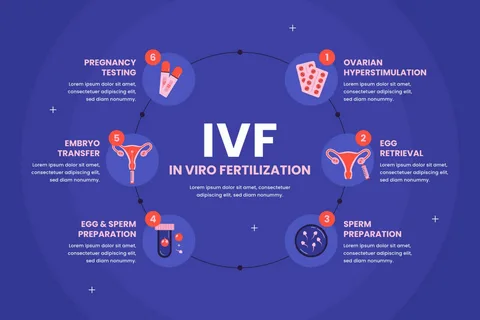
A cycle that ends in IVF failure provides information your fertility specialist can use when reviewing your treatment plan. The review begins with ovarian stimulation and examines how your body responded to the prescribed medication. Your specialist explains how many eggs were retrieved and how many reached maturity; each stage provides information about the cycle’s progress.
Fertilization results offer another area for discussion during your review. Ask how many retrieved eggs fertilized and how the resulting embryos developed over the subsequent days. Embryo development records help your specialist explain which embryos progressed to transfer or freezing, and if fewer embryos developed than expected, discuss what the findings mean for future treatment.
The embryo transfer procedure also deserves attention when reviewing an unsuccessful cycle. Your specialist can explain whether any procedural difficulties occurred and how the transfer was performed. Discuss the factors that influence your next treatment protocol, including any changes to medication or monitoring. A detailed review of your previous cycle helps establish specific questions before another IVF attempt.
Assess Endometrial Markers
An endometrial biopsy involves collecting tissue samples from the uterine lining for laboratory examination. BCL6 is a protein marker associated with endometrial inflammation linked to endometriosis; CD138 helps identify plasma cells associated with chronic endometritis. These markers serve different diagnostic purposes and do not provide interchangeable results. A fertility specialist recommends either test based on the patient’s clinical circumstances.
The timing of the biopsy affects the interpretation of BCL6 results. Natural-cycle sampling typically occurs 7–10 days after ovulation, in accordance with the test’s recommended timing. In a medicated mock cycle, sampling follows the prescribed protocol, and the ordering provider determines the appropriate timing based on the patient’s cycle and planned IVF treatment.
Interpret Diagnostic Findings
Test results provide information about the uterine lining, but they do not independently explain every unsuccessful IVF cycle. A positive BCL6 result is associated with endometriosis-related inflammation, while a negative result makes this finding less likely. CD138 staining identifies plasma cells in the endometrial tissue, which are associated with chronic endometritis. The findings have different clinical implications:
- A positive BCL6 result supports further evaluation for endometriosis.
- A negative BCL6 result makes endometriosis-associated inflammation less likely.
- CD138-positive plasma cells support an assessment for chronic endometritis.
Results should be interpreted alongside the patient’s reproductive history and other clinical findings. A positive marker does not establish the full extent or cause of an underlying condition; a negative result does not exclude all possible causes of infertility. Clinicians use these findings to determine whether further evaluation is warranted and discuss their relevance to future IVF treatment.
Explore Treatment Approaches
Different strategies for addressing unsuccessful IVF treatment depend on the patient’s medical and reproductive history, as well as findings from previous cycles. Your fertility specialist may recommend adjustments to ovarian stimulation protocols, medication dosages, monitoring schedules, or the embryo transfer process. Previous cycle results help identify areas for review before another attempt.
Treatment options also depend on the underlying findings. If ovarian response was lower than expected, your specialist may review stimulation medications and dosing. If fertilization or embryo development was limited, the discussion focuses on laboratory findings and sperm or egg factors.
When uterine abnormalities or inflammation are identified, additional evaluation or targeted treatment is appropriate before another transfer. Changes to the transfer protocol, including the timing of embryo transfer, are also reviewed based on individual circumstances. Discuss the available options with your fertility specialist and determine which approaches align with your medical history and reproductive goals.
Discuss IVF Failure With Your Specialist
Preparing for your IVF consultation helps you address questions that remain after previous treatment. Bring your cycle records and discuss whether an endometrial assessment is appropriate in your case. If additional tests are performed, your physician will explain the results and their relevance to future IVF treatment decisions. Seek guidance from a fertility specialist before making changes to your IVF care.