A New Way to Enjoy Outdoor Living
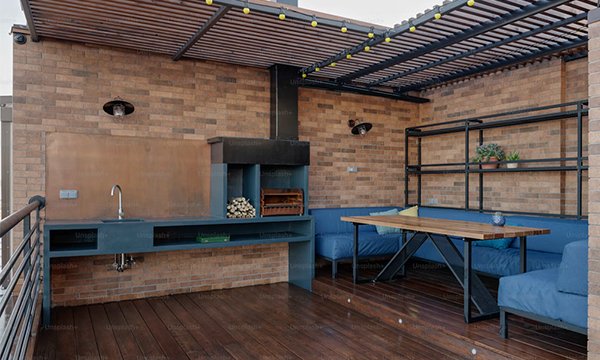
An outdoor cooking area can transform an ordinary backyard into a comfortable and inviting extension of the home. Instead of preparing meals indoors and carrying everything outside, homeowners can create a dedicated space where cooking, dining, and entertaining happen together. A thoughtfully designed outdoor kitchen provides room for preparing ingredients, grilling favorite foods, serving guests, and enjoying fresh air without sacrificing convenience. With the right combination of durable materials, functional appliances, attractive surfaces, and practical layout choices, an outdoor cooking space can become one of the most useful areas of a property. The key is to plan the design around everyday needs rather than focusing exclusively on appearance, ensuring that the finished space remains comfortable, organized, and easy to maintain.Outdoor kitchens also encourage people to spend more quality time together. When cooking takes place outside, the person preparing the meal can remain part of conversations instead of being separated from family members or guests. This arrangement is particularly useful during celebrations, weekend gatherings, and relaxed family dinners. A well-planned outdoor area can accommodate everything from quick weekday meals to elaborate entertaining, depending on its size and features. By combining comfortable seating, suitable lighting, accessible preparation surfaces, and reliable cooking equipment, homeowners can create a setting that feels welcoming throughout the seasons when outdoor conditions permit. Careful planning helps ensure that the space supports different activities without becoming crowded or difficult to navigate.
Start with a Practical Layout
The layout is one of the most important elements of a successful outdoor cooking space because it determines how comfortably people can move between preparation, cooking, serving, and dining areas. Before selecting appliances or finishes, homeowners should consider how they normally prepare meals and how many people are likely to use the space at the same time. A compact design may work well for a household that primarily grills for a few people, while a larger entertaining area may require additional counter space, storage, and room for multiple appliances. Positioning essential features within convenient reach can reduce unnecessary movement and make cooking more enjoyable. The layout should also preserve clear pathways so guests can socialize without interfering with the person preparing food.The relationship between the kitchen and the rest of the backyard deserves equal attention. A cooking area placed near an outdoor dining table can make serving easier, while a location close to the home may simplify access to ingredients and household supplies. However, the design should account for ventilation, smoke direction, nearby windows, combustible materials, and applicable safety requirements. Cooking equipment should have appropriate clearance, and pathways should remain unobstructed even when chairs are occupied or guests are gathered around the counter. These practical considerations can prevent common design problems and help create a space that feels naturally connected to its surroundings. A carefully measured plan also reduces the likelihood of expensive adjustments after construction begins.
Choose Durable Materials
Outdoor kitchens face conditions that indoor kitchens generally do not, including sunlight, moisture, temperature changes, wind, dust, and seasonal weather. Materials must therefore be selected according to their ability to withstand outdoor exposure while maintaining an attractive appearance. Countertops should be suitable for the intended environment, cabinetry should resist moisture and deterioration, and flooring should provide dependable traction when wet. Natural stone, suitable masonry, exterior-rated metal, and other purpose-designed materials can offer different combinations of durability, maintenance requirements, and visual appeal. The best choice depends on the climate, the design style, the expected level of use, and the amount of maintenance the homeowner is willing to perform over time.Visual consistency is also important when choosing finishes. Countertops, cabinets, flooring, and surrounding hardscape should complement one another rather than compete for attention. For example, neutral surfaces can create a timeless foundation, while textured stone or carefully selected decorative details can introduce character. The materials used around the cooking area should coordinate with existing patios, walkways, retaining walls, and landscaping to create a cohesive outdoor environment. Homeowners should request information about cleaning methods, sealing requirements, stain resistance, and recommended maintenance before making final selections. Choosing materials solely because they look attractive in a showroom can lead to disappointment if they require excessive care or are not designed for outdoor conditions.
Select the Right Appliances
Appliances should support the way the outdoor kitchen will actually be used. A dependable grill may be the central feature for homeowners who enjoy traditional outdoor cooking, while a side burner can provide additional flexibility for sauces, vegetables, and side dishes. Some designs may benefit from an outdoor-rated refrigerator, an ice maker, a sink, or specialized cooking equipment. However, installing every available feature can increase costs and consume valuable counter space without improving everyday convenience. A more effective approach is to identify the most frequently used cooking methods first, then select equipment that serves those needs while leaving enough room for food preparation and serving.
Outdoor-rated appliances are particularly important because equipment designed for indoor use may not withstand exposure to moisture, temperature changes, and other outdoor conditions. Before purchasing any appliance, homeowners should confirm its installation requirements, utility connections, ventilation needs, and manufacturer recommendations. Gas appliances may require properly designed gas lines and professional installation, while electrical equipment must have suitable outdoor-rated connections and protection. Water-related features also need appropriate plumbing and drainage arrangements. Planning these requirements early helps prevent delays and avoids the inconvenience of discovering that a preferred appliance cannot be accommodated within the original design. Reliable equipment, correctly installed and maintained, can provide years of practical service.
Improve Storage and Preparation Space
Storage can make a significant difference in how convenient an outdoor kitchen feels. Without suitable cabinets or drawers, cooking utensils, serving pieces, cleaning supplies, and accessories may need to be carried outdoors every time the space is used. Weather-resistant storage helps keep frequently used items organized and accessible while reducing unnecessary trips inside. Cabinet placement should be based on function, with grilling tools near the cooking equipment, preparation accessories close to the main counter, and serving items positioned where food is transferred to plates. Storage compartments should also be easy to clean and designed to resist the conditions they will experience outdoors.Counter space is equally essential because food preparation often requires more room than homeowners initially expect. Chopping vegetables, arranging ingredients, seasoning meat, and preparing serving dishes can quickly fill a small work surface. A well-designed kitchen provides enough uninterrupted counter space to accommodate these tasks without forcing the cook to move items repeatedly. Where space is limited, carefully positioned extensions or multipurpose surfaces can provide additional flexibility. Countertops should also be selected with food preparation, cleaning, and long-term durability in mind. By balancing storage and work surfaces, homeowners can create an organized environment that supports efficient cooking instead of turning meal preparation into a crowded and frustrating experience.
Plan Lighting and Comfort
Lighting helps make an outdoor cooking space more functional and welcoming after sunset. Task lighting should illuminate grills, countertops, sinks, and food preparation areas so that cooking can be completed safely and accurately. Ambient lighting can create a comfortable atmosphere around dining tables and seating areas, while accent lighting can highlight architectural details, stone textures, plants, or decorative features. Combining different types of lighting allows homeowners to adjust the mood according to the occasion. All outdoor lighting fixtures and electrical components should be suitable for their intended exposure, and installation should follow applicable electrical safety requirements.Comfort extends beyond lighting. Shade structures can reduce direct sunlight, while suitable seating encourages guests to remain in the outdoor area during longer gatherings. Depending on the design, a covered patio, pergola, or other overhead feature may offer protection from certain weather conditions. Ventilation remains important, especially when cooking equipment produces smoke or heat beneath a roof or covered structure. The placement and design of overhead elements should account for appliance clearances and manufacturer instructions. Homeowners should also consider how the space will be used at different times of day and during different seasons. A comfortable environment makes the kitchen more versatile and encourages regular use rather than limiting it to occasional celebrations.
Coordinate the Kitchen with the Landscape
An outdoor kitchen should look like an intentional part of the entire backyard rather than an isolated structure added without considering the surrounding design. The colors, textures, and materials used in the kitchen can connect with nearby patios, walkways, garden borders, and seating areas. Pavers can create an attractive and practical surface, while decorative stone can add visual depth to walls, counters, and other architectural features. Planting beds and carefully placed greenery can soften hard surfaces, introduce natural color, and help define different activity zones. The goal is to create a balanced environment in which the kitchen, dining area, and landscape complement one another.Drainage and ground preparation deserve special consideration when planning the surrounding outdoor space. Water should move away from structures and should not collect around cabinets, appliance bases, or walking surfaces. Uneven paving can create tripping hazards, while poorly prepared foundations may contribute to shifting or settling over time. A stable, properly prepared surface helps support heavy appliances, masonry features, and outdoor furniture. Homeowners should consider soil conditions, water flow, and the intended weight of the finished installation before selecting a foundation or paving system. Addressing these details during the planning stage can reduce maintenance problems and protect the long-term usability of the entire outdoor living area.
Establish a Realistic Budget
A realistic budget should account for more than appliances and visible finishes. The overall cost may include design work, site preparation, foundations, masonry, cabinetry, countertops, plumbing, electrical work, gas connections, lighting, permits, and professional labor. Additional expenses may arise if the project requires drainage improvements, utility extensions, retaining structures, or changes to the existing patio. Creating a detailed list of essential features helps homeowners understand which components are most important and where adjustments can be made without compromising safety or functionality. Comparing estimates from qualified professionals can also clarify differences in materials, installation methods, project scope, and warranties.Prioritization is often more effective than trying to install every feature at once. Homeowners may choose to begin with a dependable grill, durable countertops, appropriate storage, and a practical work surface, then consider additional appliances or decorative upgrades later. Nevertheless, essential infrastructure should be planned properly from the beginning. If future upgrades may require additional electrical capacity, plumbing, gas connections, or structural support, discussing those possibilities before construction can reduce the need for expensive alterations. A well-considered budget balances immediate affordability with long-term performance, helping homeowners invest in components that provide meaningful everyday value rather than spending primarily on features that receive little use.
Professional Installation and Planning
A successful outdoor kitchen depends on coordination between design, construction, utilities, and finishing details. Even a visually simple installation may involve multiple technical requirements, particularly when it includes built-in grills, plumbing, electrical systems, gas appliances, or overhead structures. Professional planning helps ensure that these elements work together safely and efficiently. Qualified installers can evaluate the site, identify potential obstacles, recommend appropriate materials, and coordinate the different stages of construction. Their experience can also help homeowners avoid common mistakes, such as insufficient ventilation, poorly positioned appliances, inadequate counter space, or surfaces that are unsuitable for outdoor exposure.Before construction begins, it is helpful to confirm the project scope, schedule, material specifications, utility requirements, and applicable permits. Homeowners should understand which tasks are included in the estimate and which may involve additional charges. The installation process should follow manufacturer instructions, relevant building requirements, and appropriate safety practices. Once the project is complete, the homeowner should receive guidance about appliance operation, cleaning, seasonal protection, and routine maintenance. Clear communication throughout the process makes it easier to manage expectations and address questions before they become expensive problems. A carefully coordinated installation creates a stronger foundation for long-term satisfaction.
Create a Space That Fits Your Lifestyle
The best outdoor kitchen is designed around the homeowner’s actual habits rather than a list of fashionable features. Someone who enjoys casual weekend grilling may prefer a straightforward arrangement with a dependable grill, practical storage, and a comfortable dining area. A household that frequently hosts large gatherings may need more preparation space, additional cooking equipment, and clearly separated zones for cooking and socializing. Families with children may prioritize unobstructed pathways, stable surfaces, and seating arrangements that keep guests away from hot appliances. Considering these everyday needs helps ensure that the final design remains useful long after the excitement of a new installation has passed.Homeowners should also think about how the space may evolve over time. Changing family needs, new cooking interests, and different entertaining habits can influence which features become most valuable. Flexible layouts, accessible storage, and durable finishes can help the outdoor kitchen adapt without requiring a complete redesign. Maintenance should be part of this planning process as well. Appliances need regular cleaning, countertops may require specific care, and exposed components should be inspected for wear or damage. Establishing simple maintenance routines can preserve appearance, support reliable operation, and extend the useful life of the investment.
Bring Your Outdoor Kitchen Vision to Life
Turning a backyard into a functional cooking and entertaining destination begins with a clear plan, durable materials, and features that genuinely improve daily use. For homeowners considering outdoor kitchen installation, the most important step is to coordinate the cooking area with the surrounding hardscape, available utilities, seating arrangements, and overall landscape design. A successful project should provide convenient preparation surfaces, appropriate appliances, weather-resistant finishes, reliable lighting, and comfortable space for family and guests. When these elements are planned together, the result feels cohesive rather than pieced together, making the kitchen easier to use and more attractive as part of the wider outdoor environment.The process should also balance appearance with long-term performance. Selecting appropriate materials, preparing a stable foundation, arranging proper drainage, and following appliance installation requirements can help reduce avoidable maintenance problems. Homeowners who establish their priorities early are better positioned to manage costs, compare professional estimates, and make informed decisions about optional features. Whether the finished space is simple and practical or expansive and designed for frequent entertaining, careful planning can help create an outdoor kitchen that fits the property and supports the way its owners want to live.
Conclusion
An outdoor cooking area can become a valuable extension of the home when its design combines convenience, durability, comfort, and visual appeal. From choosing the right layout and appliances to coordinating surfaces, lighting, storage, and landscaping, each decision contributes to the performance of the finished space. A thoughtful approach also considers drainage, ventilation, utility connections, safety requirements, and routine maintenance, helping prevent problems that could reduce the kitchen’s usefulness over time. By setting a realistic budget and working with qualified professionals where needed, homeowners can develop a space that meets their needs without sacrificing essential quality.The most successful outdoor kitchens are not necessarily the largest or most expensive; they are the ones that make everyday cooking and entertaining easier. With a practical layout, dependable materials, suitable equipment, and a cohesive design, an ordinary backyard can become a welcoming destination for meals, conversations, and memorable gatherings. Careful planning today can help ensure that the finished kitchen remains attractive, functional, and enjoyable for years to come.