Maintaining the condition, safety, and functionality of a property requires regular inspections and timely attention to potential problems. However, many issues develop in areas that are difficult to access or impossible to examine through a traditional visual inspection. Hidden plumbing leaks, damaged drainage pipes, blockages, structural deterioration, and other concealed problems can remain unnoticed until they begin affecting the surrounding property. When these issues are not identified early, they may lead to expensive repairs, operational interruptions, and unnecessary damage to building materials. Modern inspection technology provides a more efficient way to investigate concealed spaces without immediately requiring extensive excavation or dismantling.
Camera inspection is a practical diagnostic technique that uses specialized cameras to examine areas that are otherwise difficult to reach. It is particularly useful for inspecting drainage systems, sewer lines, plumbing connections, ventilation ducts, and other enclosed spaces. The camera captures images or video footage from inside the system, allowing trained technicians to identify visible defects, obstructions, and areas that may require further attention. This approach helps property owners understand the condition of their infrastructure and make informed decisions about maintenance and repairs.
Professional inspection services combine suitable equipment, technical knowledge, and careful evaluation to provide useful information about hidden problems. Depending on the application, technicians may use flexible inspection cameras, waterproof camera systems, robotic equipment, or specialized recording devices. These technologies can help locate problems more accurately while reducing unnecessary disruption to the property. Understanding the inspection process, available equipment, practical applications, and advantages of this technology can help homeowners, property managers, and business owners make better maintenance decisions.
Understanding Camera Inspection Technology
Camera inspection is a non-destructive diagnostic method that allows technicians to examine concealed areas using specialized imaging equipment. Instead of relying entirely on assumptions or physically opening structures, professionals can insert a camera into an accessible opening and observe the internal condition of a particular system.
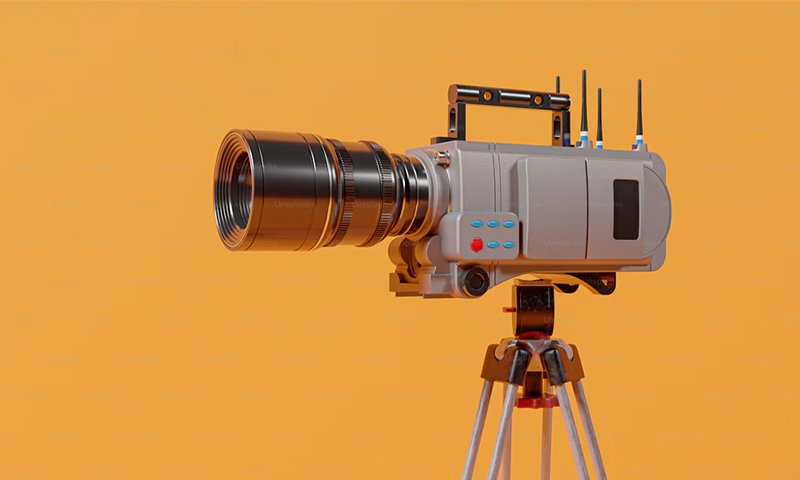
The equipment generally consists of a small camera attached to a flexible cable, push rod, or specialized mechanical system. Many inspection cameras include built-in lighting to improve visibility in dark environments. Images and video recordings are transmitted to a monitor, allowing the technician to examine the area in real time.
Some advanced systems also include recording functions, adjustable camera heads, distance indicators, and locating technology. These features can help technicians identify the approximate position of an obstruction or damaged section.
Camera inspection is particularly useful when investigating drainage and plumbing problems because pipes often run beneath floors, inside walls, and underground. Traditional inspection methods may require unnecessary removal of building materials before the source of a problem can be identified.
By providing a visual assessment of concealed areas, inspection cameras help professionals determine which sections require cleaning, repair, or additional investigation. This makes the process more organized and supports better maintenance planning.
Why Professional Camera Inspection Is Important
Hidden problems can create significant challenges for property owners because they are not always accompanied by obvious warning signs. A drainage system may contain a developing blockage, a pipe may have a damaged connection, or a sewer line may experience structural deterioration without immediately causing visible damage inside the building.
Professional camera inspection helps identify these problems before they become more serious. Early detection can make it easier to arrange appropriate repairs and reduce the likelihood of unexpected failures.
One important advantage is improved diagnostic accuracy. Rather than guessing the location of a blockage or damaged pipe, technicians can use visual information to identify the affected area.
Another advantage is reduced disruption. In many situations, a camera can be inserted through an existing access point, allowing the technician to examine the system without immediately excavating the ground or removing walls.
Inspection footage also provides useful documentation. Property owners can review the findings, understand the condition of the system, and discuss suitable repair options with the service provider.
For commercial facilities, regular inspections can support maintenance planning and help reduce interruptions to business operations. For residential properties, they can provide reassurance about the condition of essential plumbing and drainage infrastructure.
Common Applications of Camera Inspection Services
Camera inspection technology is used across several industries because it can examine different types of enclosed systems. The equipment and inspection procedures vary according to the environment and the type of problem being investigated.
Drainage Pipe Inspection
Drainage systems carry wastewater away from buildings and help maintain proper sanitation. Over time, these pipes may develop blockages, cracks, joint separation, or other defects that affect their performance.
A drainage inspection camera allows technicians to examine the interior of accessible pipe sections. It can help identify accumulated debris, grease buildup, root intrusion, standing water, and visible structural damage.
This information is useful when determining whether a drainage system requires cleaning, localized repairs, or more extensive rehabilitation.
Sewer Line Inspection
Sewer lines are important components of residential and commercial infrastructure. Problems within these systems may cause slow drainage, unpleasant odors, wastewater backups, and other sanitation concerns.
A specialized sewer camera can travel through suitable pipe sections and provide visual information about their internal condition.
Technicians may identify cracks, displaced joints, obstructions, root intrusion, corrosion, and other visible problems. The findings can help property owners understand the condition of their sewer lines and determine the most appropriate next steps.
Plumbing System Inspection
Camera inspection can also be useful when investigating certain plumbing problems. Hidden pipe damage, internal obstructions, and other defects may affect water flow and system performance.
Depending on the pipe size and configuration, suitable inspection equipment can help technicians examine accessible sections and identify visible abnormalities.
However, not every plumbing problem can be diagnosed through a drain camera. Water pressure issues, concealed supply-line leaks, and electrical or mechanical faults may require additional diagnostic equipment.
HVAC Duct Inspection
Heating, ventilation, and air conditioning systems contain ductwork that distributes air throughout buildings. Over time, these enclosed spaces may accumulate dust, debris, or other unwanted materials.
Specialized inspection cameras can help technicians examine accessible duct sections and identify visible obstructions, damaged insulation, disconnected components, and areas requiring additional assessment.
Regular inspections may support better maintenance planning and help property managers understand the condition of ventilation infrastructure.
Industrial Pipe Inspection
Industrial facilities often rely on complex piping systems to transport water, chemicals, gases, and other materials. Maintaining these systems is important for operational reliability and workplace safety.
Depending on the application, specialized cameras and robotic inspection equipment can examine internal pipe surfaces and identify visible corrosion, cracks, deposits, or other defects.
Industrial inspections may require equipment specifically designed for the pipe material, diameter, operating environment, and applicable safety requirements.
Types of Cameras Used for Professional Inspections
Different inspection environments require different types of cameras. Selecting appropriate equipment is important for obtaining clear images and completing the inspection effectively.
Flexible Borescope Cameras
Flexible borescope cameras are designed to examine narrow or difficult-to-reach spaces. They generally feature a small camera attached to a flexible insertion tube.
These devices are useful for inspecting certain plumbing connections, mechanical components, equipment interiors, and enclosed structural spaces.
Their compact design allows technicians to examine areas that may not be accessible through conventional visual inspection methods.
Drain Inspection Cameras
Drain cameras are specifically designed to examine the interior of drainage pipes. They generally feature waterproof camera heads, flexible push cables, built-in lighting, and recording equipment.
Some models include self-leveling camera heads that help maintain an upright image while moving through a pipe.
Depending on the equipment, these systems may also provide distance measurements and additional locating capabilities.
Sewer Inspection Cameras
Sewer inspection cameras are designed for larger drainage and sewer systems. They may use flexible cable assemblies or robotic platforms to travel through suitable pipe sections.
These systems can provide detailed visual information about pipe conditions and help technicians identify visible structural defects.
Some advanced equipment includes location tracking and measurement features that support more accurate inspection reports.
Robotic Inspection Cameras
Robotic inspection systems are used in certain large or complex pipelines where ordinary push cameras may not be suitable.
These devices can move through accessible pipe sections using powered wheels or other mechanical systems. They may include adjustable camera heads, lighting, recording equipment, and additional measurement features.
Robotic systems are particularly useful for certain industrial and municipal inspection applications.
The Professional Camera Inspection Process
A successful inspection involves several stages, beginning with understanding the problem and selecting suitable equipment. Professional technicians follow a structured process to obtain useful information while avoiding unnecessary damage to the system.
Initial Assessment
The first stage involves discussing the problem with the property owner or facility manager. Technicians may ask about slow drainage, repeated blockages, unpleasant odors, wastewater backups, or other symptoms.They also consider the type of system involved, its approximate dimensions, available access points, and the surrounding conditions.
This initial assessment helps determine which camera equipment and inspection approach are appropriate.
Equipment Selection
After assessing the system, technicians select suitable inspection equipment. Factors such as pipe diameter, length, material, bends, and accessibility influence the choice.A small flexible camera may be appropriate for narrow spaces, while larger drainage systems may require more robust equipment.
The camera must also be suitable for the environmental conditions, including moisture, temperature, and any relevant safety considerations.
Accessing the Inspection Area
The technician identifies an appropriate access point, which may include a drain opening, inspection chamber, cleanout, or other suitable entry.The area is prepared before the camera is introduced. This helps reduce unnecessary contamination and supports a more controlled inspection process.
Conducting the Inspection
The camera is carefully guided through the accessible section while the technician monitors the live footage.
The inspection may reveal accumulated debris, grease, roots, cracks, joint separation, corrosion, or other visible conditions.Technicians may record important findings and note the approximate distance or location of any suspected defect when the equipment supports such measurements.
Reviewing and Documenting Findings
After the inspection, the recorded footage and observations are reviewed. The technician explains any visible problems and identifies areas that may require additional investigation.
A professional report may include photographs, video recordings, descriptions of observed defects, and recommendations for cleaning or repairs.Clear documentation helps property owners understand the findings and compare possible solutions before approving further work.
Common Problems Identified During Drain Camera Inspections
Drain camera inspections can reveal several conditions that may affect the performance of plumbing and drainage systems. Identifying these issues is important for choosing appropriate maintenance or repair methods.
Blockages are among the most common problems found during drainage inspections. They may result from grease, hair, soap residue, food waste, foreign objects, and accumulated debris.A camera can help technicians determine the location and approximate extent of an obstruction. This information can guide the selection of suitable cleaning equipment.
Tree roots can enter drainage systems through small openings, damaged joints, or existing cracks. Once inside, they may continue growing and contribute to recurring blockages or pipe damage.Camera footage can help identify visible root intrusion and determine whether further assessment or specialized repair is necessary
Pipes can develop cracks because of age, ground movement, pressure, corrosion, or other environmental factors.A camera may reveal visible structural damage and help technicians identify the affected section. Depending on the severity and location, repairs may involve localized replacement, relining, or other suitable methods.Pipe joints connect different sections of a drainage system. If these connections become displaced, separated, or damaged, they may allow water or debris to escape and contribute to drainage problems.
Visual inspection can help identify these conditions and support decisions about the necessary repair work.Grease, soap residue, and mineral deposits can accumulate along pipe walls over time. These materials may gradually reduce the available space for wastewater to flow.Inspection footage can help technicians assess the extent of visible buildup and determine whether cleaning is required.
Benefits of Professional Camera Inspection
Camera inspection provides several practical advantages for property owners, contractors, and facility managers. Its main benefit is the ability to examine concealed areas without immediately carrying out extensive physical work.
One major advantage is accurate problem identification. Visual information helps technicians distinguish between different causes of drainage issues, reducing reliance on assumptions.
Another benefit is reduced disruption. Existing access points can often be used to inspect pipes, which may avoid unnecessary excavation or dismantling during the initial diagnostic stage.
The technology can also help reduce repair uncertainty. When the location and nature of a visible defect are better understood, contractors can prepare more appropriate repair recommendations.
Recorded footage provides useful documentation for property owners, insurance discussions, maintenance records, and future inspections where applicable.
For older buildings, camera inspections can help assess the condition of existing infrastructure before renovation, property purchases, or major maintenance projects.
Although an inspection cannot identify every possible hidden defect, it can provide valuable visual information that supports better maintenance decisions.
Camera Inspection for Residential Properties
Residential plumbing and drainage systems can develop problems because of aging pipes, everyday usage, improper waste disposal, and structural movement.
Homeowners may benefit from an inspection when experiencing repeated drain blockages, unexplained wastewater backups, unpleasant odors, or slow drainage that continues after routine cleaning.
Camera inspections may also be useful before purchasing an older property. Examining accessible drainage sections can help identify visible problems that may otherwise remain unnoticed during a standard property viewing.
Home renovation projects can also benefit from inspection services. Before changing bathrooms, kitchens, or drainage layouts, understanding the condition of existing pipes can help contractors plan the work more effectively.
Regular maintenance assessments may be particularly valuable for properties with aging plumbing infrastructure or a history of recurring drainage problems.
Camera Inspection for Commercial and Industrial Properties
Commercial buildings often contain larger and more complicated plumbing and drainage systems than residential properties. Restaurants, hotels, warehouses, offices, hospitals, and industrial facilities depend on reliable infrastructure to support daily operations.
Restaurants may experience grease accumulation and food-related drainage blockages. Hotels and apartment buildings may require inspections of shared drainage systems and sewer connections.
Industrial facilities can have specialized piping systems that require inspection equipment suitable for their construction and operating conditions.
Routine inspections can help facility managers identify visible defects and plan maintenance before a problem causes operational disruption.
Documentation is also important for commercial properties because inspection reports can support maintenance schedules, contractor communication, and infrastructure management.
When Should You Schedule a Camera Inspection?
Knowing when to arrange an inspection can help prevent minor problems from developing into expensive repairs. Certain warning signs indicate that a drainage or plumbing system may require closer examination.
Repeated blockages are one important reason to consider an inspection. If a drain becomes blocked again shortly after cleaning, there may be an underlying structural problem or persistent obstruction.
Slow drainage throughout multiple fixtures may indicate a problem in a shared drainage section. Similarly, recurring wastewater backups and persistent odors may suggest an issue that requires further investigation.
Camera inspection may also be appropriate before purchasing an older property, planning major renovations, or assessing drainage infrastructure after certain maintenance problems.
For commercial facilities, scheduled inspections can form part of a preventive maintenance program, especially where drainage reliability is essential to daily operations.
Choosing a Reliable Camera Inspection Service Provider
Selecting an experienced service provider is important for obtaining accurate inspection results. Property owners should look for technicians who have suitable training, appropriate equipment, and practical experience with the type of system being inspected.
A reliable company should explain the inspection process and clarify which sections of the system can be accessed. This is important because camera equipment cannot necessarily travel through every pipe configuration or examine every concealed area.
Customers should also ask whether the service includes recorded footage, photographs, distance measurements, and a written report.
It is useful to understand whether the company provides repair recommendations or only diagnostic inspections. Some providers offer both services, while others focus specifically on identifying and documenting problems.
Before hiring a company, consider its customer feedback, experience, equipment quality, insurance, and service terms. A professional provider should explain the findings clearly rather than recommending expensive repairs without supporting evidence.
Common Mistakes to Avoid During Camera Inspections
Although inspection cameras are useful diagnostic tools, the quality of the results depends on suitable equipment, correct handling, and proper interpretation.
One common mistake is using equipment that is unsuitable for the pipe diameter or inspection environment. This may produce unclear images or prevent the camera from reaching the affected area.
Another mistake is assuming that a single inspection reveals the complete condition of an entire drainage network. Cameras can only examine the sections they can physically access, and certain defects may remain hidden because of water, debris, bends, or equipment limitations.
Ignoring the importance of recorded documentation can also create problems. Without photographs or video footage, it may be difficult for property owners to review the findings or compare repair recommendations.
Finally, treating every visible irregularity as a serious defect can lead to unnecessary work. Inspection findings should be interpreted by qualified technicians who understand the system’s design, materials, and operating requirements.
Long-Term Maintenance After a Camera Inspection
An inspection provides useful information, but maintaining the system requires appropriate follow-up actions. Once problems have been identified, property owners should discuss suitable cleaning, repair, or replacement options with qualified professionals.Avoid disposing of grease, oils, wipes, sanitary products, and unsuitable materials through drainage systems. These items can contribute to blockages and reduce the performance of pipes.
Drainage access points should remain accessible for future maintenance, and recurring problems should be documented so technicians can compare conditions over time.For commercial facilities, maintaining inspection reports and scheduling periodic assessments can support better infrastructure management.
If structural defects are discovered, property owners should arrange appropriate repairs rather than relying exclusively on repeated drain cleaning. Addressing the underlying issue can help reduce recurring problems and improve system reliability.
Conclusion
Camera inspection is a valuable diagnostic solution for identifying hidden problems in drainage systems, sewer lines, plumbing networks, ventilation ducts, and other enclosed structures. By providing visual access to difficult-to-reach areas, this technology helps technicians identify visible defects, locate obstructions, and assess the condition of essential infrastructure.
Professional inspections can reduce unnecessary disruption, improve diagnostic accuracy, and provide useful documentation for future maintenance and repair decisions. Whether dealing with repeated drainage blockages, suspected pipe damage, or routine infrastructure assessments, property owners can benefit from understanding the condition of their systems before choosing a repair solution.
Selecting an experienced inspection provider is equally important. Suitable equipment, accurate assessment, clear reporting, and practical recommendations all contribute to a successful inspection.
Combining professional camera inspection with regular maintenance and timely repairs can help protect residential and commercial properties from unexpected drainage problems. A proactive approach makes it easier to identify developing issues, plan necessary improvements, and maintain reliable plumbing and drainage systems for years to come.