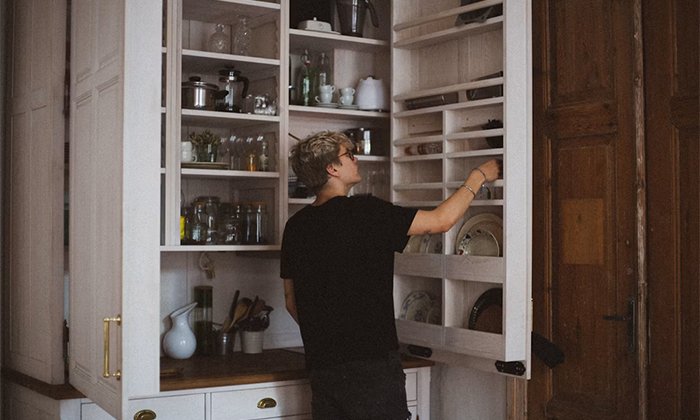
A well-organized home depends on practical storage solutions that make everyday activities easier while maintaining an attractive interior. Cabinets are essential in many rooms because they provide space for clothing, kitchen supplies, bathroom products, household equipment, and personal belongings. However, poorly designed cabinets can waste valuable space, create clutter, and make frequently used items difficult to access. Thoughtful cabinet planning helps homeowners improve organization, maintain clear surfaces, and create a comfortable living environment. Custom cabinetry offers the flexibility to design storage around specific room dimensions, personal preferences, and household requirements. By selecting suitable materials, efficient layouts, and useful storage features, homeowners can create functional cabinets that complement their interior design and provide lasting value.
Understanding the Importance of Smart Cabinet Design
Smart cabinet design focuses on making the best use of available space without sacrificing convenience or visual appeal. Instead of choosing cabinets based only on their appearance, homeowners should consider how the storage will be used throughout the day. Kitchen cabinets may need to accommodate cookware, dishes, food supplies, and small appliances, while bedroom storage may require shelves, drawers, and hanging sections for clothing. Bathrooms often benefit from compact cabinets that keep toiletries and personal care products organized. Understanding these differences helps create storage systems that support everyday routines and reduce unnecessary clutter.Another important consideration is accessibility, because storage is most useful when belongings can be reached without difficulty. Frequently used items should be placed in convenient locations, while seasonal decorations and rarely needed equipment can be stored in higher compartments. Custom cabinetry allows homeowners to adjust shelf heights, drawer sizes, and cabinet depths according to their requirements. This flexibility can help eliminate unused gaps and make better use of awkward spaces. By combining accessibility with efficient organization, homeowners can create cabinets that improve the functionality of each room while maintaining a clean and coordinated appearance.
Maximizing Space in Small Rooms
Small rooms require careful planning because limited floor space must accommodate furniture, movement, and essential storage. Oversized cabinets can make a room feel crowded, while poorly arranged units may leave valuable wall space unused. Choosing appropriate cabinet dimensions helps maintain a comfortable balance between storage capacity and available room. Vertical storage can be particularly useful because it allows homeowners to use wall height instead of occupying additional floor space. Narrow drawers, compact shelves, and carefully positioned cabinets can also provide useful storage without making the room difficult to navigate.Custom cabinetry can help address the challenges of compact interiors by fitting storage units around unusual dimensions and existing architectural features. Cabinets can be designed for narrow corners, recessed walls, spaces beneath stairs, or areas surrounding larger furniture pieces. Homeowners should measure the room carefully and consider door openings, walking routes, and access to nearby appliances before finalizing the design. Storage should remain convenient rather than simply filling every available gap. A thoughtful arrangement can make a small room feel more organized and spacious while ensuring that essential belongings have designated places.
Designing Functional Kitchen Cabinets
The kitchen is one of the busiest areas of a home, making efficient cabinet organization especially important. Cooking equipment, dishes, utensils, food supplies, and cleaning products all require suitable storage locations that support food preparation and cleanup. When cabinets are poorly arranged, countertops can become crowded and everyday tasks may take longer than necessary. A practical layout assigns specific areas to different categories of items and places frequently used belongings near the workstations where they are needed. This organization can improve workflow and make the kitchen easier to maintain.Well-designed custom cabinetry can incorporate deep drawers for pots and pans, pull-out shelves for pantry supplies, dividers for baking trays, and dedicated compartments for small appliances. Corner organizers can improve access to areas that might otherwise be difficult to use, while tall cabinets can provide additional storage for larger items. The layout should also consider the position of the refrigerator, sink, cooking appliances, and preparation surfaces. These elements need to work together so that cabinets support convenient movement throughout the kitchen. Selecting appropriate storage features can help create a functional cooking environment without compromising the room’s visual appeal.
Creating Better Storage in Bathrooms
Bathrooms often contain numerous small items that can quickly create clutter when suitable storage is unavailable. Toiletries, towels, grooming products, cleaning supplies, and personal care essentials all need convenient places. Cabinets beneath the sink can provide space for everyday products, while wall-mounted units may offer additional storage without using valuable floor area. Drawers with dividers can help separate smaller items and make them easier to find. A carefully organized bathroom can feel more comfortable and maintain a cleaner appearance because frequently used products remain accessible without covering countertops.Custom cabinetry can be designed around the dimensions of the vanity, plumbing connections, and available wall space. Homeowners should prioritize materials and finishes that are appropriate for a moisture-prone environment and easy to clean. Suitable hardware, well-fitted doors, and smooth drawer mechanisms can improve everyday convenience. The design should also allow access to plumbing for future maintenance and avoid obstructing ventilation. By combining practical storage with appropriate materials, homeowners can create a bathroom that remains organized while complementing the rest of the interior design.
Choosing Durable Cabinet Materials
The materials used in cabinet construction affect durability, appearance, maintenance, and overall cost. Solid wood is valued for its natural grain and traditional appearance, while plywood is often chosen for its layered construction and structural qualities. Medium-density fiberboard can provide a smooth surface for painted finishes, and other engineered panels may offer cost-effective alternatives for suitable applications. Each material has different strengths and limitations, so homeowners should compare options according to the room’s conditions and the intended use of the cabinets. Selecting materials based on practical requirements helps prevent unnecessary wear and premature replacement.Material choice becomes especially important in kitchens, bathrooms, and utility rooms where moisture, heat, and frequent cleaning may affect cabinet surfaces. Custom cabinetry projects should consider panel construction, edge treatments, protective coatings, and hardware quality as part of the overall design. Homeowners should ask about the recommended cleaning methods and expected maintenance requirements for each option. A durable cabinet does not depend on material alone; proper construction and installation also play important roles. Combining suitable materials with careful workmanship can help ensure that cabinets remain attractive and functional for years.
Improving Organization With Drawers and Shelves
Shelves and drawers provide the foundation for many effective cabinet systems because they create separate spaces for different types of belongings. Shelves work well for larger items, storage containers, folded linens, and pantry supplies, while drawers are convenient for utensils, accessories, and smaller household essentials. The spacing between shelves should reflect the size of the items being stored rather than follow a fixed arrangement that may waste space. Deep drawers can accommodate larger objects, while shallow compartments help keep small belongings visible and organized. Matching the storage layout to actual needs makes the cabinet easier to use.Custom cabinetry can include adjustable shelves, pull-out trays, drawer dividers, and specialized compartments that support changing storage requirements. Adjustable components are especially helpful when the size or quantity of stored items changes over time. Frequently used belongings should be placed within comfortable reach, while items used occasionally can be stored in higher or less accessible areas. Dividers and labeled containers can further improve organization by preventing smaller items from becoming mixed together. These simple design choices can reduce clutter and help homeowners maintain a consistent storage system.
Selecting Cabinet Colors and Finishes
Cabinet colors and finishes contribute significantly to the atmosphere of a room because cabinets often occupy a large portion of the visible interior. Light finishes can help create a bright and open appearance, while darker colors may introduce contrast and visual depth. Natural wood finishes can provide warmth, whereas painted surfaces offer flexibility for coordinating with different design styles. Homeowners should consider how the cabinet color will interact with the room’s flooring, countertops, wall finishes, and existing furniture. Reviewing samples under the actual lighting conditions can help prevent unexpected differences between the selected color and the finished result.Custom cabinetry provides opportunities to combine finishes and textures according to personal preferences. Some homeowners may choose matching cabinet doors throughout the room, while others may prefer contrasting colors for an island, vanity, or selected storage units. Matte finishes can create a contemporary appearance, while subtle decorative details may complement traditional interiors. The design should remain visually consistent without becoming overly complicated. By choosing colors and materials that work well together, homeowners can create a coordinated interior that feels attractive and practical rather than dominated by unnecessary decorative elements.
Making Use of Awkward and Unused Areas
Many homes contain spaces that are difficult to furnish because of unusual wall angles, narrow gaps, sloped ceilings, or structural features. These areas can become sources of clutter when belongings are stored without a clear arrangement. However, carefully planned storage can turn awkward spaces into useful parts of the home. Cabinets beneath stairs may hold cleaning supplies or seasonal items, while narrow units can provide space for household essentials. Recessed walls and unused corners may also offer opportunities for additional storage when their dimensions and access requirements are suitable.Custom cabinetry can be particularly helpful when standard cabinet sizes do not fit the available area. A tailored design can follow the room’s dimensions and create compartments that use the space more efficiently. Homeowners should ensure that doors and drawers can open fully and that the finished installation does not interfere with nearby furniture or walking routes. Structural features, ventilation, electrical connections, and access to essential services must also be considered. With careful measurements and realistic planning, awkward areas can become practical storage zones that improve the overall organization of the home.
Incorporating Modern Storage Features
Modern cabinet designs often include features that make storage easier to access and maintain. Pull-out shelves, soft-close drawers, adjustable dividers, vertical tray organizers, and rotating corner systems can improve convenience when selected for the right application. These features may be particularly useful in kitchens, where cookware and pantry supplies need to remain accessible, or in utility rooms where household products require organized storage. However, additional hardware should serve a clear purpose rather than increase the cost without providing meaningful benefits. Homeowners should identify their main storage challenges before selecting specialized accessories.Custom cabinetry can incorporate storage mechanisms that match the dimensions of the cabinets and the weight of the intended contents. Pull-out pantry units may improve visibility, while drawer inserts can separate utensils, cutlery, and smaller accessories. Soft-close hardware can reduce slamming and provide a quieter experience during daily use. Homeowners should confirm the quality, compatibility, and maintenance requirements of these components before making a final decision. Selecting practical features based on actual habits can improve convenience while helping ensure that the cabinets remain functional as household needs evolve.
Planning Cabinets for Bedrooms and Living Areas
Bedrooms and living rooms benefit from storage solutions that reduce visible clutter without disrupting the overall design. Wardrobes, bedside cabinets, entertainment units, and built-in shelving can provide places for clothing, books, electronics, linens, and decorative items. A coordinated arrangement can make these rooms feel more organized while supporting their intended purposes. For example, bedroom cabinets should provide easy access to clothing and personal belongings, while living room storage may need to accommodate media equipment, books, games, and accessories. Each design should reflect how the room is used rather than follow a generic layout.Custom cabinetry can also integrate storage around beds, desks, televisions, or other furniture when the available dimensions permit. Built-in units may help create a consistent appearance, while a combination of open shelves and closed cabinets allows homeowners to display selected objects and conceal everyday items. Electrical outlets, cable routes, ventilation, and access to electronic equipment should be considered when planning media cabinets. In bedrooms, storage should remain accessible without restricting movement around the bed or wardrobe. A balanced layout helps maintain a comfortable atmosphere while improving the practical use of available space.
Understanding Professional Cabinet Installation
Proper installation is essential for ensuring that cabinets fit correctly, remain stable, and operate smoothly. Before work begins, the installer should assess wall conditions, floor levels, room dimensions, and the position of plumbing or electrical connections. Measurements must be accurate because even small differences can affect the alignment of doors, drawers, and connected cabinet sections. The installation plan should also account for mounting requirements, access to utilities, and any preparation needed to protect nearby surfaces. Reviewing these details early helps prevent delays and reduces the likelihood of expensive adjustments.Professional installation may be particularly useful for large built-in units, complex layouts, or cabinets that require specialized mounting methods. Custom cabinetry should be fitted according to the manufacturer’s specifications and appropriate safety requirements. Homeowners should discuss the installation schedule, responsibilities, cleanup arrangements, and final inspection process before approving the project. After installation, doors and drawers should be checked for proper alignment and smooth operation, and any visible issues should be addressed promptly. Clear communication with the installer helps ensure that the finished cabinets match the approved design and function as intended.
Managing Cabinet Costs Without Sacrificing Quality
Cabinet projects can vary widely in price depending on the materials, dimensions, construction methods, finishes, hardware, and installation requirements. Establishing a realistic budget before selecting features helps homeowners decide where to spend and where simpler alternatives may be sufficient. For example, premium finishes may be appropriate for highly visible areas, while more economical materials may work well in secondary storage spaces. Requesting detailed quotations makes it easier to compare options and understand how different choices affect the final cost. Homeowners should also allow room for preparation work and unexpected requirements.When comparing custom cabinetry proposals, it is important to review the specifications rather than focusing only on the total price. The quotation should identify the materials, cabinet construction, hardware, finishing work, installation services, and any exclusions. Homeowners should also ask about warranties, payment schedules, production times, and procedures for handling design changes. The lowest-priced option may not provide the durability or functionality required for long-term use. A sensible decision considers the initial cost alongside construction quality, maintenance needs, and the practical benefits the cabinets will provide.
Maintaining Cabinets for Long-Term Use
Regular maintenance helps preserve cabinet appearance and functionality, particularly in rooms where surfaces are exposed to moisture, grease, dust, and frequent handling. Homeowners should follow the manufacturer’s cleaning recommendations and avoid harsh products that could damage finishes. Spills should be wiped promptly, especially around sinks and food preparation areas. Dusting shelves and cleaning handles regularly can also help maintain a neat appearance. These simple habits reduce the buildup of dirt and may prevent minor problems from becoming more difficult to address.Custom cabinetry can remain useful for many years when its components receive appropriate care. Hinges, drawer slides, handles, and mounting points should be checked periodically for looseness or signs of wear. Heavy objects should be stored according to the cabinet’s intended capacity, and moisture should not be allowed to accumulate around vulnerable surfaces. If a drawer begins sticking or a door becomes misaligned, addressing the problem early may prevent additional damage. Consistent care helps maintain smooth operation and protects the investment made in the cabinet installation.
Conclusion
Smart cabinet design can improve the functionality, organization, and appearance of almost any room in a home. By considering storage requirements, available dimensions, materials, finishes, and everyday routines, homeowners can create cabinets that serve a clear purpose while complementing the surrounding interior. Efficient layouts can reduce clutter, make frequently used items easier to access, and help smaller rooms feel more spacious. Careful budgeting, appropriate material selection, and professional installation where needed also contribute to a successful result.Custom cabinetry offers the flexibility to design storage around individual preferences and the specific requirements of each space. From practical kitchen drawers and organized bathroom vanities to built-in bedroom wardrobes and living room storage, a thoughtful approach can make everyday activities easier. Choosing durable materials, incorporating useful storage features, and maintaining the finished installation can help preserve its value over time. With careful planning and attention to detail, homeowners can create an organized, comfortable, and attractive living environment that supports their needs for years to come.