Industrial operations depend on reliable machinery, well-maintained tools, and properly functioning equipment to maintain productivity and meet operational targets. Manufacturing facilities, workshops, warehouses, construction businesses, and processing plants use different types of machines to perform essential tasks every day. When equipment operates efficiently, employees can complete their responsibilities with fewer interruptions, production schedules remain more predictable, and businesses can manage their resources effectively. However, neglected machinery may develop faults that affect performance, increase energy consumption, and create unnecessary safety concerns. Regular maintenance is essential for keeping industrial equipment in suitable working condition and reducing the risk of unexpected breakdowns. Equipment repair helps restore machinery when components become damaged, electrical systems malfunction, or mechanical performance declines. A reliable maintenance strategy combines scheduled inspections, timely troubleshooting, appropriate replacement parts, and professional servicing to address problems before they become more serious. By understanding the importance of equipment care and investing in preventive measures, businesses can protect valuable assets, control operating expenses, and maintain consistent industrial operations over the long term.
Understanding the Role of Industrial Equipment
Industrial equipment performs a wide range of functions, including manufacturing products, transporting materials, processing raw resources, managing inventory, and supporting specialized technical operations. Common examples include pumps, compressors, conveyors, generators, motors, cutting machines, hydraulic systems, and automated production equipment. Each machine is designed to perform particular tasks under specified operating conditions, and its performance depends on the condition of its components. When equipment receives suitable maintenance, it is more likely to operate consistently and meet the requirements of daily production. The importance of machinery becomes especially clear when a critical component fails unexpectedly. A malfunctioning conveyor may interrupt the movement of materials, while a damaged pump can affect fluid circulation throughout a process. Electrical failures may stop automated equipment, and mechanical problems can reduce production speed or compromise product quality. These interruptions may affect several connected activities rather than a single machine. Understanding which equipment is essential to daily operations helps businesses establish maintenance priorities and prepare suitable responses when faults occur.
Common Causes of Equipment Failure
Industrial machinery can fail for several reasons, including normal wear, excessive operating loads, poor lubrication, contamination, improper installation, and inadequate maintenance. Moving components experience friction over time, while dust, moisture, chemicals, and temperature changes may accelerate deterioration. Electrical systems can also develop faults because of damaged insulation, loose connections, overloaded circuits, or aging components. Hydraulic and pneumatic equipment may experience leaks, pressure irregularities, and seal failures that interfere with normal operation. Recognizing these potential causes helps maintenance teams identify risks and develop practical prevention strategies. Operating equipment beyond its intended capacity can increase stress on motors, bearings, gears, belts, and other essential components. Incorrect settings or unsuitable operating procedures may also contribute to repeated failures, particularly when operators are unfamiliar with the manufacturer’s recommendations. In some cases, an initial fault remains unnoticed because warning signs are ignored or inspections are performed inconsistently. A structured maintenance program helps address these risks by monitoring equipment condition, recording recurring problems, and ensuring that operators report unusual behavior promptly. This approach reduces avoidable wear and supports more dependable machinery performance.
The Value of Regular Maintenance
Regular maintenance helps identify developing problems before they cause major equipment failures. Inspections can reveal worn parts, loose fasteners, damaged hoses, leaking seals, clogged filters, and other conditions that affect reliability. Correcting these issues early may require less time and fewer resources than repairing extensive damage after a machine stops working completely. Maintenance also provides an opportunity to check safety devices, protective guards, operating controls, and other features that contribute to safe use. Consistent attention helps businesses maintain equipment in suitable condition and reduce the likelihood of unexpected interruptions. A well-planned maintenance schedule should reflect equipment type, operating hours, workload, environmental conditions, and manufacturer recommendations. Some machines may require daily checks, while others need periodic lubrication, calibration, component inspections, or more detailed servicing. Maintenance activities should be documented so that teams can track completed work and identify tasks that require follow-up. A consistent schedule also helps managers coordinate servicing with production requirements. By making maintenance part of normal operations, businesses can improve equipment reliability and avoid relying entirely on emergency repairs.
Identifying Warning Signs Before a Breakdown
Machinery often shows signs of deterioration before a complete failure occurs. Unusual vibrations, grinding noises, overheating, fluid leaks, reduced output, inconsistent speeds, and unexpected shutdowns may indicate developing faults. Changes in energy consumption can also suggest that equipment is working harder than necessary because of mechanical resistance, poor settings, or damaged components. Operators who understand the normal behavior of their machines are better prepared to recognize these changes and report them quickly. Early identification gives maintenance teams more time to investigate the problem and arrange an appropriate solution. Ignoring warning signs can allow a minor issue to damage other components or create unsafe operating conditions. For example, a worn bearing may increase vibration and place additional stress on connected parts, while a small hydraulic leak may reduce system pressure and affect machine performance. Operators should follow established reporting procedures rather than attempting unauthorized adjustments or continuing to use equipment that may be unsafe. Maintenance personnel can review the symptoms, inspect relevant components, and determine whether the machine should remain in service. Prompt reporting helps prevent unnecessary damage and supports safer working conditions.
Improving Productivity and Reducing Downtime
Productivity depends on equipment being available when workers need it to complete their tasks. Unexpected breakdowns can interrupt production schedules, delay orders, increase labor costs, and create problems for other departments that depend on the affected machine. In facilities with interconnected production lines, one equipment failure may slow or stop several processes at once. Regular inspections and planned servicing help reduce the likelihood of these interruptions by identifying potential faults before they become critical. This preparation allows businesses to coordinate maintenance activities more effectively and maintain a steadier workflow. Equipment repair is especially valuable when a malfunction affects machinery that is essential to daily production. A timely response can restore functionality and help prevent a temporary problem from developing into a longer interruption. Businesses should identify critical machines, establish reporting procedures, and determine which repairs require immediate attention. Keeping suitable replacement parts available for frequently used equipment may also shorten repair times when a component fails. Combining preventive maintenance with an organized repair process helps organizations improve equipment availability and maintain more reliable production schedules.
Maintaining Mechanical Components
Mechanical systems depend on components such as bearings, shafts, gears, belts, chains, couplings, and moving assemblies working together correctly. Continuous operation can cause friction, wear, misalignment, and fatigue, particularly when lubrication is inadequate or equipment operates under heavy loads. These conditions may produce unusual noises, uneven movement, excessive heat, or reduced operating efficiency. Regular inspections help technicians identify damaged or worn components and determine whether adjustment, lubrication, repair, or replacement is necessary. Addressing mechanical issues early can prevent additional stress on connected parts. Mechanical maintenance should follow the specifications provided by the equipment manufacturer. Technicians may need to check alignment, verify fastening, inspect lubrication systems, and ensure that moving components remain within acceptable operating limits. Replacement parts should be suitable for the machine and installed according to the correct procedures. After work is completed, the equipment should be tested under appropriate conditions to confirm that it operates as intended. Proper mechanical care helps extend component life, improve performance, and reduce the likelihood of repeated failures during demanding production activities.
Maintaining Electrical Systems and Controls
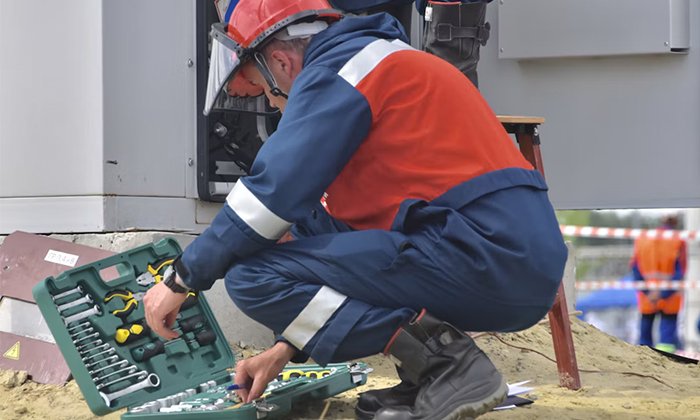
Electrical systems provide power and control for motors, lighting, automated machinery, monitoring equipment, and other essential industrial functions. Faults involving damaged cables, loose connections, worn switches, defective sensors, or malfunctioning control panels can disrupt operations and create serious hazards. Warning signs may include repeated circuit breaker trips, unusual heat, burning odors, flickering indicators, or unexpected changes in machine behavior. These problems should be investigated by qualified personnel because electrical work can involve significant risks. Equipment should be isolated using appropriate safety procedures before inspection or repair begins. Qualified technicians can test electrical circuits, inspect connections, assess protective devices, and identify components that require repair or replacement. Automated equipment may also require diagnostic checks to identify problems involving sensors, control signals, software settings, or communication between connected devices. Repairs should follow applicable electrical standards and manufacturer guidance, and the system should be tested before returning it to normal operation. Regular electrical inspections help identify deterioration, improve operational reliability, and reduce the risk of damage caused by electrical faults. Safety procedures should remain a priority throughout every stage of the maintenance process.
Managing Hydraulic and Pneumatic Equipment
Hydraulic and pneumatic systems are widely used in industrial operations because they can provide controlled movement, lifting capability, clamping force, and other functions. Hydraulic systems rely on pressurized fluid, while pneumatic systems use compressed air to operate cylinders, valves, and related components. Leaking hoses, damaged seals, contaminated fluids, blocked filters, and faulty valves can reduce performance or prevent equipment from operating correctly. Pressure fluctuations and slow movement may indicate that a system requires inspection. Regular checks help identify these issues before they cause extensive damage or interrupt production. Maintenance teams should examine hoses, connections, filters, seals, and pressure controls according to the equipment’s requirements. Hydraulic fluid should remain suitable for the system, and contamination should be addressed using the manufacturer’s recommended procedures. Pneumatic installations may require attention to air quality, moisture control, pressure regulation, and leakage. Because pressurized systems can release stored energy unexpectedly, repairs should only be performed by trained personnel following proper isolation and pressure-release procedures. Appropriate maintenance supports consistent operation, reduces wasted energy, and helps protect workers from preventable hazards.
Improving Energy Efficiency Through Equipment Care
Industrial equipment can consume unnecessary energy when components are worn, filters are blocked, lubrication is inadequate, or operating settings are incorrect. Motors may work harder than necessary when connected machinery experiences excessive resistance, while compressed-air systems can waste energy through undetected leaks. Heating, cooling, pumping, and processing equipment may also become less efficient when maintenance is neglected. Regular inspections help identify these conditions and determine whether cleaning, adjustment, repair, or component replacement is appropriate. Maintaining machinery according to its intended operating requirements supports more efficient resource use. Energy monitoring can provide useful information about equipment condition and operational performance. Sudden changes in electricity consumption may indicate a developing mechanical fault, an inefficient operating setting, or a change in production demand. Maintenance teams should evaluate these changes alongside operating records rather than assuming that every increase has the same cause. Correcting avoidable inefficiencies may reduce utility expenses and help equipment operate within suitable limits. When a machine is old or consistently inefficient, managers can compare the benefits of repair with the potential advantages of a more efficient replacement.
Choosing Qualified Maintenance Professionals
Selecting suitable maintenance professionals is important for achieving reliable repairs and protecting industrial assets. Businesses should consider technical qualifications, practical experience, familiarity with the equipment, safety procedures, and the availability of appropriate diagnostic tools. Before work begins, operators should describe the fault, explain when the symptoms appeared, and provide any relevant service records. This information helps technicians understand the situation and prepare for an effective inspection. Clear communication can also reduce delays and prevent misunderstandings about the required work. A dependable service provider should explain the diagnosed problem, outline the proposed repair, and provide a realistic estimate of the time and resources required. Businesses should ask about replacement part quality, testing procedures, warranty coverage, and any follow-up maintenance recommendations. Written service reports help document what was repaired and identify additional concerns that may need attention later. Choosing professionals based on technical competence and reliability rather than price alone can support better results. Strong communication between maintenance teams, equipment operators, and external service providers helps maintain consistent standards across industrial operations.
Managing Maintenance Costs and Budgets
Maintenance expenses can include labor, replacement parts, diagnostic testing, scheduled servicing, and emergency service calls. Although preventive maintenance requires planned spending, it may help avoid larger expenses caused by severe equipment damage or extended downtime. A machine that fails during an important production period can create costs beyond the repair itself, including delayed orders, idle labor, and missed operational targets. Understanding these wider effects helps businesses evaluate maintenance decisions more accurately. A realistic budget should account for routine servicing as well as the possibility of unexpected failures. Equipment repair costs should be assessed alongside the expected benefits of restoring the machine to reliable operation. Managers should consider the severity of the fault, the availability of parts, the equipment’s age, and the likelihood of future breakdowns. Repeated repairs may indicate that a component is nearing the end of its useful life or that an underlying operating problem remains unresolved. Maintenance records can help identify these patterns and support more informed spending decisions. By reviewing repair history and equipment performance regularly, businesses can allocate resources where they are most likely to improve reliability.
Extending Equipment Service Life
Extending equipment service life requires a combination of appropriate operation, scheduled maintenance, timely repairs, and suitable working conditions. Machinery should be used within its designed capacity and operated according to manufacturer instructions. Excessive loads, improper settings, contamination, and inadequate lubrication can accelerate wear and shorten component life. Routine cleaning and inspections help maintain suitable operating conditions while giving technicians an opportunity to identify developing issues. Protecting equipment from unnecessary stress can reduce avoidable deterioration and improve long-term performance. Operators also contribute to equipment longevity through careful daily use and consistent reporting. They should avoid bypassing protective devices, using damaged accessories, or making unauthorized modifications that may compromise safe operation. Maintenance teams should keep accurate records of inspections, repairs, replacements, and recurring symptoms. These records provide a clearer understanding of how each machine performs over time and help identify opportunities for improvement. Combining responsible operation with planned servicing allows businesses to protect their investments and reduce the frequency of preventable breakdowns.
Deciding Between Repair and Replacement
Although repairs can restore many machines to working condition, replacement may become more practical when equipment is severely damaged, outdated, or repeatedly unreliable. Businesses should compare repair costs with the expected remaining service life, future maintenance requirements, energy consumption, and the potential consequences of another failure. A relatively inexpensive repair may be worthwhile when the equipment remains dependable and suitable for its intended purpose. However, repeated failures and rising maintenance expenses may indicate that continued repairs are no longer the most economical option. Decisions should also consider safety, production requirements, compatibility with existing systems, and the availability of technical support. New equipment may offer improved efficiency, better controls, and access to modern safety features, but purchase and installation costs can be substantial. Repairing existing machinery may allow operations to resume sooner when appropriate parts and skilled technicians are available. A structured assessment helps managers compare immediate expenses with long-term operational value. Documenting the decision also supports better asset planning and more consistent budgeting in the future.
Conclusion
Regular maintenance is essential for maintaining reliable industrial operations, protecting valuable machinery, and supporting consistent productivity. Equipment failures can result from normal wear, inadequate servicing, improper operation, electrical faults, and demanding working conditions. By identifying warning signs early, following suitable maintenance schedules, and arranging qualified repairs, businesses can reduce avoidable downtime and improve the reliability of their equipment. A proactive approach also helps manage operating costs, improve energy efficiency, and create safer working environments for employees. Equipment repair is most effective when it forms part of a comprehensive maintenance strategy that includes inspections, accurate records, safety procedures, and performance monitoring. Businesses that invest in preventive care can make more informed decisions about servicing, component replacement, and equipment upgrades. Every machine has different operating requirements, so maintenance plans should reflect manufacturer guidance, workload, equipment condition, and workplace safety standards. With consistent attention and effective planning, industrial organizations can extend equipment service life, maintain dependable operations, and achieve stronger long-term performance.