Creating a comfortable and attractive home requires a balance between practical design, efficient use of space, and long-term performance. As household needs change, older layouts may become less convenient, storage can become insufficient, and outdated materials may affect the overall appearance of the property. A well-planned renovation provides an opportunity to improve these areas while creating a more welcoming environment for everyday living. Full home remodeling allows homeowners to update multiple rooms, improve essential systems, and introduce design features that support modern lifestyles. With careful planning, suitable materials, and professional guidance, a renovation can improve comfort, functionality, energy efficiency, and the overall appeal of a property.
Understanding the Importance of a Well-Planned Renovation
A successful renovation begins with understanding how the existing property performs and identifying the improvements that would make the greatest difference. Some homes need more functional kitchens, better bathroom layouts, additional storage, or improved lighting throughout the interior. Others may require updates to aging plumbing, electrical installations, insulation, or ventilation systems. Evaluating these concerns before construction begins helps homeowners prioritize essential improvements and avoid spending money on changes that do not address their actual needs. Planning also helps create a consistent appearance throughout the property. When individual rooms are renovated without considering the overall design, differences in flooring, colors, fixtures, and finishes can make the home feel disconnected. A coordinated approach allows each space to retain its own character while contributing to a balanced interior. Homeowners should consider their current lifestyle, future family requirements, maintenance preferences, and budget when deciding which improvements to make. A clear vision provides a practical foundation for making informed decisions throughout the renovation process.
Improving the Layout for Better Everyday Living
An efficient home layout makes daily activities easier by improving movement between rooms and making better use of available space. Narrow walkways, poorly positioned doors, unnecessary partitions, and awkward furniture arrangements can make a property feel smaller than it actually is. Renovation provides an opportunity to address these problems by adjusting room configurations, improving access, and creating more practical connections between frequently used areas. Even relatively modest layout changes can make a noticeable difference in how comfortable a home feels. Open-plan arrangements are popular because they can connect kitchens, dining areas, and living rooms into a shared environment. However, removing walls requires careful assessment because some walls provide essential structural support or contain important electrical and plumbing systems. Professional advice helps determine which changes are practical and safe. Full home remodeling should focus on improving functionality rather than following design trends without considering household needs. A thoughtful layout can support family interaction, provide privacy where necessary, and make everyday movement throughout the home more convenient.
Creating a Realistic Budget and Project Plan
A detailed budget helps homeowners understand the financial requirements of a renovation before construction begins. Expenses may include design services, materials, labor, permits, demolition, waste removal, plumbing, electrical work, and final finishes. Structural repairs and upgrades to older systems can increase costs, particularly when hidden problems are discovered after walls or floors are opened. Obtaining detailed estimates from qualified professionals helps homeowners compare proposals and understand what is included in the expected price. It is also important to set aside funds for unexpected expenses because renovation projects can uncover problems that were not visible during the initial inspection. Water damage, deteriorated framing, outdated wiring, and plumbing defects may require immediate attention before new finishes can be installed. A contingency reserve allows homeowners to address necessary repairs without immediately abandoning essential improvements. Prioritizing safety, structural quality, and reliable building systems is generally more beneficial than spending heavily on decorative upgrades while ignoring important repairs. Reviewing expenses regularly helps maintain control over the project.
Updating the Kitchen for Improved Functionality
The kitchen is one of the most frequently used rooms in a home, making its design especially important during renovation. Outdated cabinets, insufficient work surfaces, poor lighting, and inefficient appliance placement can make meal preparation more difficult. Improving the layout can create better movement between the refrigerator, sink, cooking area, and storage spaces. Additional cabinets, well-positioned drawers, and carefully planned countertops can make everyday tasks easier while reducing unnecessary clutter. Material selection also influences kitchen durability and appearance. Countertops should withstand regular use, while flooring should be suitable for an area exposed to spills and frequent foot traffic. Suitable lighting can improve visibility over work surfaces, and effective ventilation helps manage cooking odors and moisture. Homeowners should consider their cooking habits and storage needs before choosing appliances or finalizing cabinet arrangements. A well-designed kitchen combines attractive finishes with practical features, creating a comfortable space for preparing meals and spending time with family.
Transforming Bathrooms Into Comfortable Spaces
Bathrooms should provide comfort, convenience, and effective daily functionality. Older bathrooms may have inefficient layouts, worn fixtures, inadequate storage, or ventilation problems that contribute to moisture buildup. Renovation can address these issues by improving shower arrangements, replacing outdated fixtures, updating lighting, and introducing storage that keeps personal items organized. Selecting suitable finishes can also create a more cohesive appearance that complements the overall interior design. Waterproofing, drainage, and plumbing quality require particular attention because installation mistakes can lead to costly damage. Materials should be appropriate for damp environments, and ventilation should help remove excess moisture after showers or baths. Homeowners should also consider accessibility when selecting fixtures and arranging the available space. Full home remodeling creates an opportunity to coordinate bathroom improvements with other rooms while ensuring that each area meets its specific requirements. Professional installation and durable materials can help preserve both appearance and functionality for many years.
Selecting Interior Colors, Finishes, and Materials
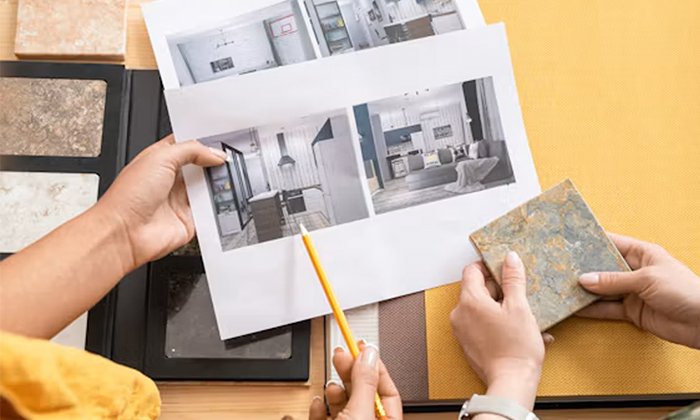
Interior design has a significant influence on how spacious, comfortable, and cohesive a home feels. A carefully selected color palette can connect different rooms while allowing individual spaces to maintain their own character. Neutral shades may provide a flexible background for furniture and decorative accessories, while carefully chosen accent colors can introduce warmth and personality. Lighting conditions should be considered when selecting paint because the same shade can appear different under natural daylight and artificial illumination. Materials should be selected according to their appearance, durability, maintenance requirements, and intended use. High-traffic areas may benefit from flooring that resists wear and is easy to clean, while kitchens and bathrooms require finishes suitable for moisture and frequent use. Wood, stone, tile, glass, and other materials can be combined to create visual interest, provided the overall design remains balanced. Comparing samples before making final decisions can help homeowners understand how different finishes work together. Choosing durable materials can reduce future maintenance and help the renovated interior remain attractive over time.
Improving Lighting Throughout the Home
Lighting can influence both the appearance and functionality of every room. Poorly lit spaces may feel smaller, while excessive brightness or badly positioned fixtures can create glare and discomfort. A balanced lighting plan combines general illumination with task lighting and accent lighting where appropriate. Ceiling fixtures can provide overall brightness, under-cabinet lights can improve visibility in kitchens, and bedside lamps can create comfortable conditions for reading or relaxing. Natural light should also be considered during the design process. Suitable window placement, lighter interior finishes, and unobstructed window areas can help daylight reach deeper into a room. Mirrors may improve the distribution of available light, although their placement should support the intended layout rather than create unnecessary reflections. Energy-efficient light sources can reduce electricity consumption while providing suitable illumination. A thoughtful lighting plan helps create a welcoming atmosphere, supports everyday activities, and allows interior features to stand out without making the property feel overly bright.
Enhancing Energy Efficiency and Insulation
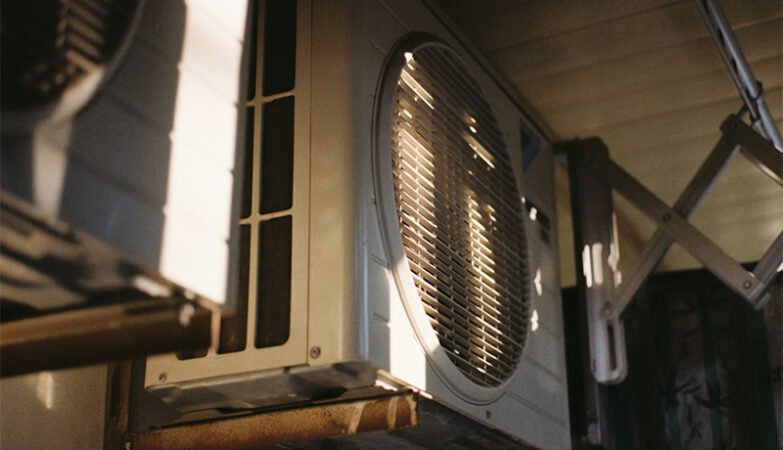
Energy efficiency is an important consideration when upgrading an existing property because heating, cooling, and lighting can account for a significant portion of household energy use. Older homes may have insufficient insulation, air leakage around windows and doors, or inefficient heating and cooling equipment. Addressing these issues can improve temperature consistency and reduce unnecessary energy consumption. Homeowners should assess the condition of the building envelope before deciding which improvements are most appropriate. Insulation, suitable windows, air sealing, and efficient heating or cooling systems can work together to improve indoor comfort. However, upgrades should be selected according to the property’s climate, structure, and existing equipment. Ventilation must also be considered because making a home more airtight without providing suitable fresh-air circulation can create indoor air quality problems. Full home remodeling offers an opportunity to coordinate these improvements instead of treating each system as an unrelated expense. Professional assessments can help identify practical upgrades and establish realistic expectations about potential energy savings.
Modernizing Electrical, Plumbing, and Structural Systems
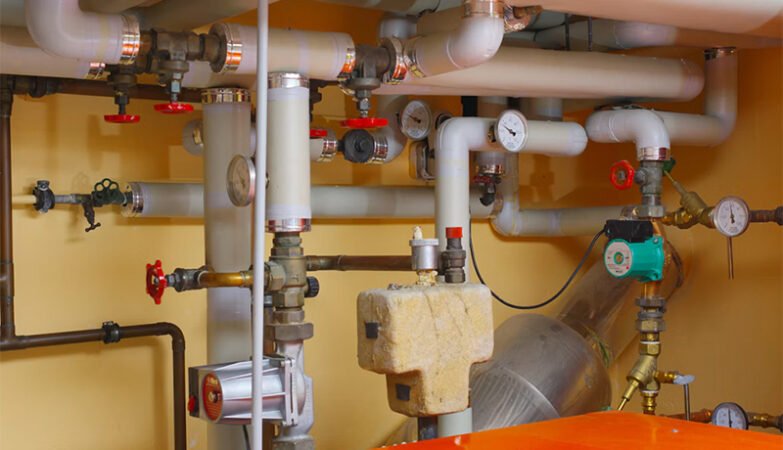
Although decorative changes receive considerable attention, essential building systems are equally important to the success of a renovation. Older electrical installations may need evaluation to determine whether they can safely support modern appliances and household equipment. Plumbing systems may require repairs or replacement when pipes leak, fixtures deteriorate, or water pressure becomes unreliable. Heating, cooling, and ventilation equipment should also be assessed to determine whether it can provide adequate performance throughout the property. Structural concerns must be addressed before new finishes conceal important areas. Problems involving foundations, load-bearing walls, roof framing, or significant moisture damage should be evaluated by qualified professionals. Electrical and plumbing work should be completed according to applicable safety standards and building requirements. Necessary permits and inspections should be arranged before or during construction as required. Addressing these systems during the renovation can reduce the likelihood of reopening finished walls and floors later, helping protect the investment and improve the long-term reliability of the property.
Choosing Qualified Remodeling Professionals
Experienced professionals can help homeowners turn design ideas into a practical construction plan. Depending on the scope of work, a project may require an architect, interior designer, structural engineer, general contractor, electrician, plumber, or other specialist. Reviewing previous projects, checking references, and verifying relevant licensing and insurance requirements can help homeowners evaluate potential candidates. Detailed written estimates also make it easier to compare proposed materials, labor costs, project schedules, and included services. A clear contract should explain the project scope, payment arrangements, expected completion dates, and procedures for approving changes. It should also identify who is responsible for obtaining permits, coordinating trades, and managing construction waste. Regular communication helps ensure that questions are addressed before they delay work or increase costs. Homeowners should document important decisions and confirm changes in writing rather than relying entirely on verbal discussions. Choosing suitable professionals and maintaining an organized working relationship can improve project coordination and contribute to a more dependable result.
Managing Construction Time and Household Disruption
Renovation work can affect daily routines, especially when multiple rooms become unavailable at the same time. Homeowners should discuss the construction schedule with their contractor and identify the stages likely to create noise, dust, or temporary interruptions. Families may need alternative arrangements for cooking, sleeping, working, or accessing particular parts of the property. Protecting furniture and personal belongings can help reduce damage, while clearly separating work areas from occupied spaces can improve safety. A realistic schedule should include time for demolition, repairs, material deliveries, inspections, installation, and final finishing work. Delays may occur when materials are unavailable, unexpected damage is discovered, or decisions take longer than anticipated. Regular progress updates help homeowners understand changes and make timely decisions. Rushing work to meet an unrealistic deadline can compromise quality and increase the risk of expensive repairs. Careful scheduling and effective coordination help reduce unnecessary disruption while allowing the construction team to complete each stage properly.
Improving Storage and Making Better Use of Space
Effective storage helps maintain an organized home and prevents everyday belongings from occupying valuable living areas. Insufficient storage can make bedrooms, kitchens, hallways, and shared rooms feel cluttered even when their overall dimensions are adequate. Renovation provides an opportunity to introduce built-in wardrobes, organized kitchen cabinets, under-stair storage, shelving, and practical utility spaces. These features can improve accessibility while making the property easier to maintain. Storage solutions should reflect how the household actually uses its belongings. Frequently used items should remain accessible, while seasonal possessions and less commonly used equipment can be stored in less prominent areas. Custom storage may be particularly useful in rooms with unusual dimensions or awkward corners. However, cabinets and shelving should not obstruct natural light, ventilation, or comfortable movement. A balanced approach allows homeowners to increase storage capacity without making rooms feel crowded, creating a more functional environment that supports everyday routines.
Increasing Property Appeal Through Thoughtful Improvements
Renovation can improve the attractiveness of a property by combining practical upgrades with a cohesive interior design. Modern kitchens, comfortable bathrooms, efficient lighting, useful storage, and updated building systems may appeal to future buyers. Nevertheless, the financial return depends on construction costs, workmanship, design choices, and prevailing market conditions. Homeowners should consider their personal priorities alongside realistic expectations about the potential resale value of different improvements. The most beneficial projects generally address genuine problems and improve the way the property functions. Correcting structural concerns, updating outdated systems, and choosing durable finishes can contribute to long-term usability. Excessively personalized features or expensive upgrades that do not suit the property may not provide the expected financial return. Keeping records of permits, warranties, product specifications, and completed work can also be useful for future maintenance or a property sale. A balanced renovation strategy considers comfort, durability, energy performance, and long-term value together.
Maintaining the Home After Renovation
Once construction is complete, regular maintenance helps preserve the property’s appearance and performance. Homeowners should inspect roofing, windows, exterior finishes, plumbing fixtures, and ventilation systems periodically to identify early signs of deterioration. Interior surfaces, flooring, countertops, and cabinetry should be cleaned according to the recommendations for their materials. Addressing small problems promptly can help prevent more extensive damage and reduce future repair expenses. It is also helpful to keep documentation related to the renovation, including contractor agreements, warranties, inspection records, and maintenance instructions. This information can help homeowners understand the care requirements of installed systems and identify appropriate replacement products when necessary. Heating, cooling, plumbing, and electrical equipment should receive suitable maintenance according to manufacturer recommendations and applicable safety requirements. Full home remodeling provides the greatest long-term benefit when the completed improvements are protected through consistent care. A simple maintenance schedule can help preserve the property’s comfort, appearance, and functionality for years to come.
Conclusion
Improving a home’s layout, interior design, and energy efficiency requires a balanced approach that considers both appearance and performance. Careful planning, realistic budgeting, suitable materials, and qualified professionals help ensure that renovation work addresses genuine household needs. Updating kitchens, bathrooms, living areas, storage, lighting, and essential systems can create a more comfortable and practical environment. Attention to insulation, ventilation, and construction quality can also help reduce maintenance concerns and improve the property’s long-term performance. Full home remodeling is most successful when every improvement contributes to a clear overall plan rather than being treated as an isolated upgrade. Homeowners should consider their current lifestyle, future requirements, available budget, and maintenance preferences before making major decisions. By combining thoughtful design with durable materials and reliable workmanship, it becomes possible to create a home that is attractive, functional, and more energy efficient. With consistent maintenance after construction, these improvements can provide lasting comfort and support the property’s long-term appeal.