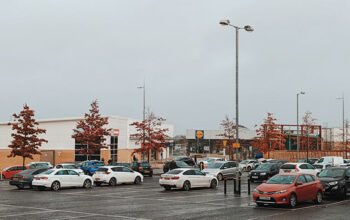
Parking areas are an essential part of commercial buildings, shopping centers, office complexes, residential communities, and other properties where vehicles and pedestrians share space. A well-organized parking area helps drivers find available spaces, follow traffic directions, and move safely without creating unnecessary congestion. Clear signs provide important information about parking rules, restricted areas, pedestrian crossings, accessible spaces, and designated loading zones. Installing professional parking lot signage helps property owners establish an organized environment while improving communication with customers, employees, tenants, and visitors. Proper signs also reduce confusion by making expectations visible before drivers encounter potentially dangerous situations. When parking signs are carefully planned, correctly installed, and regularly maintained, they contribute to a safer and more convenient experience for everyone using the property.
Why Parking Signs Are Essential for Property Safety
Safety is one of the most important reasons to install clear and strategically positioned parking signs. Parking areas often contain moving vehicles, pedestrians, delivery trucks, cyclists, and people entering or leaving buildings at the same time. Without appropriate signs, drivers may misunderstand traffic directions, overlook restricted areas, or fail to recognize locations where pedestrians are likely to cross. Clearly displayed speed limits, stop signs, directional arrows, and warning signs help communicate important instructions before problems arise. Effective parking lot signage establishes a more predictable environment by helping drivers understand where they should travel, stop, yield, or park. Property owners who prioritize visible and understandable signs can improve traffic management while supporting safer movement throughout their premises.
Improving Traffic Flow With Clear Directional Signs
Traffic congestion can develop quickly when drivers cannot determine where to enter, which direction to follow, or how to reach an available parking space. Directional signs help organize vehicle movement by identifying entrances, exits, one-way lanes, reserved sections, and other important areas. When signs are placed where drivers can see them early enough to respond, they reduce unnecessary stopping, sudden turns, and repeated driving through the same aisles. A logical sign layout is particularly valuable in large parking facilities where multiple entrances and parking sections may make navigation difficult. Clear arrows and consistent wording allow drivers to understand the intended route without relying entirely on painted pavement markings. Combining well-positioned signs with appropriate pavement markings creates a more efficient traffic system that benefits both drivers and pedestrians.
Different Types of Parking Signs for Various Needs
Parking facilities require different types of signs depending on their size, purpose, traffic volume, and operating rules. Regulatory signs communicate requirements such as speed limits, no-parking restrictions, reserved spaces, and designated stopping areas. Directional signs guide drivers toward entrances, exits, visitor parking, employee parking, and other specific destinations within the property. Warning signs identify potential hazards, including pedestrian crossings, sharp turns, low-clearance structures, and areas where vehicle movement requires extra caution. Informational signs can also communicate operating hours, payment instructions, towing policies, and other rules that visitors need to understand. A comprehensive parking lot signage plan combines these categories according to the property’s actual needs, ensuring that important instructions remain clear without overwhelming drivers with excessive information.
Enhancing the Customer Experience Through Better Signage
A parking area often creates the first impression customers receive when visiting a business, retail center, restaurant, or office building. Confusing directions, unclear parking rules, and missing signs can create frustration before visitors even enter the premises. Conversely, a well-organized layout with readable signs makes it easier for customers to find parking, identify entrances, and understand where they are permitted to leave their vehicles. This convenience is especially important for first-time visitors who may be unfamiliar with the property’s layout or operating procedures. Clear information also helps reduce the number of questions customers need to ask employees about parking restrictions and available spaces. By making navigation easier, businesses can create a more welcoming experience and demonstrate that they care about the needs of their visitors.
Choosing Durable Materials for Long-Lasting Signs
The materials used to manufacture parking signs influence their durability, visibility, maintenance needs, and overall value. Signs installed outdoors must withstand sunlight, rain, wind, temperature changes, and potential contact with vehicles or maintenance equipment. Aluminum is commonly used because it offers a useful combination of durability and resistance to corrosion, while reflective films can improve visibility in low-light conditions. Other materials may be appropriate for indoor parking garages, temporary restrictions, or specialized applications depending on the environment. Property owners should consider the expected service life, installation requirements, visibility needs, and maintenance costs before choosing a particular product. Selecting appropriate materials helps ensure that signs remain readable and functional while reducing the frequency of unnecessary replacements.
The Importance of Visibility and Strategic Placement
Even a well-designed sign cannot serve its purpose if drivers cannot see it in time to understand and follow its instructions. Signs should be positioned with consideration for vehicle approach angles, driver sightlines, surrounding structures, landscaping, lighting, and potential visual obstructions. Important information should appear before the point where a driver needs to make a decision, such as turning, stopping, entering a restricted area, or selecting a parking section. Lettering, symbols, colors, and reflective surfaces should be suitable for the conditions in which the sign will be viewed. Professional parking lot signage installation focuses on positioning signs where they can communicate information clearly without obstructing pedestrian movement or creating additional hazards. Periodic inspections can identify signs that have become hidden by growing trees, new construction, parked vehicles, or other changes to the property.
Supporting Accessible Parking and Inclusive Design
Accessible parking is an important feature of a property that serves people with different mobility needs. Appropriate signs help identify designated accessible parking spaces and communicate restrictions regarding who may use them. Depending on the applicable requirements, accessible parking areas may also need correctly sized spaces, access aisles, suitable pavement markings, and accessible routes to building entrances. Property owners should confirm the relevant accessibility standards and local regulations before selecting sign designs, mounting heights, and installation locations. Clear signs help drivers recognize designated spaces while supporting more convenient access for individuals who depend on them. Maintaining these signs in good condition is essential because damaged, faded, or missing information can create confusion and undermine the purpose of the designated parking arrangements.
Understanding Parking Rules and Regulatory Requirements
Parking regulations vary according to the type of property, applicable laws, and the specific activities taking place within the parking area. Some facilities may need signs for fire lanes, accessible spaces, loading zones, private parking, speed limits, restricted access, or emergency vehicle routes. Property owners should verify which signs are required and whether specific wording, symbols, dimensions, colors, or placement standards apply. Requirements related to towing notices, enforcement policies, and accessible parking may differ across jurisdictions, so a generic sign should not automatically be assumed to satisfy every legal obligation. A knowledgeable sign provider can help property managers identify common requirements and determine when additional guidance from a qualified compliance professional or local authority is necessary. Reviewing regulations before installation helps reduce the risk of missing important signs or relying on signs that do not meet the applicable standards.
How Signage Helps Prevent Unauthorized Parking
Unauthorized parking can create serious difficulties for businesses, property managers, residents, and visitors. Vehicles parked in reserved spaces, loading zones, fire lanes, or areas intended for emergency access may interfere with normal operations and create safety concerns. Clearly written signs explain parking restrictions and identify spaces reserved for employees, customers, residents, deliveries, or other authorized users. Where enforcement is permitted, appropriate notices can also communicate towing policies, time limits, permit requirements, and other applicable conditions. Consistent wording and visible placement help drivers understand the rules before leaving their vehicles. Combining clear signs with a fair, consistently applied parking policy can reduce disputes and make it easier for property managers to maintain an orderly parking environment.
Factors That Influence Parking Sign Installation Costs
The cost of installing parking signs depends on several factors, including the number of signs required, their dimensions, the materials selected, and the complexity of the installation. Reflective surfaces, specialized symbols, custom wording, heavy-duty posts, and particular mounting systems may increase the total project cost. Installation conditions also matter because concrete foundations, existing underground utilities, difficult access, and work in active traffic areas may require additional planning or labor. Property owners should consider the condition of existing signs and determine whether replacement, relocation, or a complete redesign would provide the best long-term value. When requesting estimates, it is helpful to ask for an itemized breakdown covering sign production, posts, hardware, installation, and any necessary site preparation. Comparing detailed proposals makes it easier to evaluate quality and durability rather than choosing a provider based only on the lowest initial price.
Maintaining Signs for Consistent Performance
Parking signs need regular maintenance because outdoor exposure and everyday activity can gradually reduce their effectiveness. Sunlight may fade printed graphics, dirt can obscure important information, and severe weather may damage posts or mounting hardware. Vehicles and maintenance equipment can also bend signs, while landscaping or new construction may block previously clear sightlines. Routine inspections help property managers identify these issues before signs become difficult to read or unsafe. Maintenance activities may include cleaning sign faces, tightening mounting hardware, trimming obstructive vegetation, replacing damaged components, and updating information when parking policies change. Keeping a maintenance record can help owners track recurring problems, prioritize replacements, and preserve a consistent standard throughout the property.
Combining Signs With Pavement Markings and Lighting
Parking signs work best when they are part of a coordinated system that includes pavement markings, lighting, and an understandable traffic layout. Signs provide instructions and warnings, while painted lines identify parking spaces, traffic lanes, pedestrian crossings, and restricted areas directly on the pavement. Adequate lighting makes both signs and pavement markings easier to recognize during evening hours and in poorly illuminated areas. When these elements communicate consistent information, drivers can understand where to travel and park without encountering conflicting instructions. For example, a restricted parking sign should correspond with the appropriate designated area, while directional signs should match the arrows and lane markings on the ground. Coordinating these features creates a more cohesive parking environment and helps property managers address safety and navigation needs more effectively.
Selecting a Reliable Signage Provider
Choosing the right provider is an important step toward achieving a parking area that is safe, attractive, and easy to navigate. Property owners should look for experience with parking facilities, knowledge of relevant sign standards, suitable materials, and the ability to recommend practical installation locations. A dependable provider should also communicate clearly about project schedules, installation methods, pricing, and ongoing maintenance requirements. Reviewing previous work and asking questions about durability, reflective performance, customization, and compliance can help determine whether the provider is suited to the project. A professional parking lot signage provider should assess the property’s layout and operational needs instead of recommending the same collection of signs for every site. This approach helps ensure that the final installation addresses real requirements and delivers lasting practical value.
Planning Signage Projects With Minimal Disruption
Installing or replacing parking signs can affect normal operations if the work is not coordinated properly. Businesses and property managers should identify busy periods, delivery schedules, pedestrian routes, and areas where temporary restrictions may be necessary during installation. Scheduling work during quieter periods can reduce inconvenience and help installers complete their tasks more efficiently. Before the project begins, managers should communicate any temporary changes to employees, tenants, visitors, or contractors who regularly use the parking area. Installation teams should also maintain appropriate work zones and follow safety procedures when working near moving vehicles. Careful coordination helps minimize interruptions while ensuring that the new signs are installed securely and positioned correctly.
Long-Term Benefits of a Well-Planned Signage System
A well-planned signage system offers benefits that extend beyond immediate improvements in navigation. Clear instructions can help reduce confusion, support more predictable traffic movement, protect restricted areas, and make parking facilities easier for visitors to use. Durable signs and regular maintenance can also help property owners manage long-term expenses by reducing avoidable repairs and premature replacements. When parking rules and directional information remain consistent, employees and visitors can develop a better understanding of how the property operates. These improvements contribute to a more organized appearance and can support smoother daily operations across a wide range of facilities. Investing in effective parking lot signage is therefore a practical part of responsible property management rather than simply a decorative upgrade.
Conclusion
Effective parking signs are essential for creating organized, accessible, and safer parking facilities. They help drivers understand traffic directions, recognize restrictions, identify designated spaces, and navigate unfamiliar areas with greater confidence. The best results come from selecting durable materials, positioning signs carefully, following applicable regulations, and maintaining the entire system over time. Property owners should also coordinate signage with pavement markings, lighting, and clear parking policies to provide consistent instructions throughout the premises. Working with a qualified provider can make it easier to assess site requirements, select suitable products, and plan a reliable installation. Ultimately, well-designed and properly maintained parking signs improve usability, support better traffic management, and create a more professional experience for everyone who visits the property.