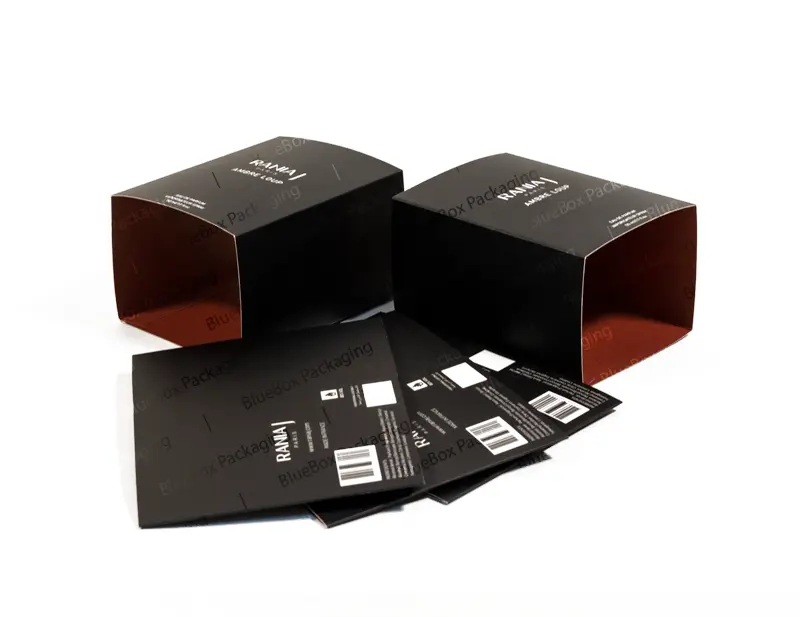
Sometimes a product already has perfectly functional packaging. The box fits well, protects the product, and works for shipping, but it does not necessarily look like your brand.
That is where custom packaging sleeves come in.
Instead of replacing an existing box, a sleeve can wrap around it and introduce your logo, colors, messaging, artwork, or product information without requiring an entirely new packaging structure. For brands trying to refresh their presentation without increasing packaging complexity, this simple addition can make a noticeable difference.
What Exactly Is a Packaging Sleeve?
A packaging sleeve is a printed piece of paperboard or cardstock designed to slide over or wrap around a product box. Depending on the structure, it can cover most of the box or leave sections visible.
The concept is simple: keep the original box and use the outer sleeve as the branded layer.
This makes sleeves especially useful when a brand already has standard boxes in stock but wants packaging that looks more customized for a particular product, campaign, collection, or season.
Why Add a Sleeve Instead of Changing the Box?
Changing the entire box can mean new dielines, new production runs, and additional inventory. A sleeve offers a lighter way to introduce a visual update.
It can help brands:
- Add prominent logo placement
- Introduce seasonal artwork
- Highlight product names or variants
- Create limited-edition packaging
- Add promotional messaging
- Differentiate product collections
- Refresh older packaging designs
For growing businesses, this flexibility can be particularly useful. The same base box can potentially be paired with different sleeves for different products or campaigns.
Make the Sleeve Do More Than Display a Logo
A sleeve should not simply become a larger sticker for the box. It has enough surface area to communicate something about the product.
For example, a skincare brand might use the front for its logo and product name, while the sides provide ingredients, usage information, or a short brand message. A bakery could use illustrations and flavor details to make each product variant immediately recognizable.
Think of the sleeve as the packaging’s storytelling layer.
Choose the Right Material and Finish
The material of the sleeve affects both appearance and durability.
For lightweight products, standard paperboard may be enough. Products that require a more substantial presentation can benefit from thicker stock that feels sturdier in the hand.
Printing and finishing can then change the overall impression. Depending on the brand, options may include:
- Matte or gloss coating
- Spot UV
- Foil accents
- Embossed details
- Debossed patterns
- Full-color printing
- Minimal one-color branding
A premium brand does not necessarily need every available finish. Often, one carefully selected detail creates a cleaner result than combining several effects.
Use Color to Build Product Recognition
One of the biggest advantages of a sleeve is how quickly it can change the visual identity of a standard box.
A consistent brand color can make products easier to recognize across a retail shelf. Different colors can also separate product variants without requiring different box structures.
For example, a tea company could use the same plain box for multiple blends while giving each one a distinct sleeve color and design. Customers can then identify the flavor before even reading the product name.
This is particularly useful when a brand has several products that share the same physical packaging.
Pair Sleeves With Existing Custom Packaging
Sleeves can also work as an extension of a broader Custom Box Packaging strategy rather than replacing it.
A brand might have a rigid box for protection, a printed sleeve for visual branding, and a custom insert inside for product presentation. Each element serves a different purpose without forcing every feature into the box itself. This layered approach can also make packaging more adaptable. If branding changes, the sleeve can often be updated while the core box remains the same.
When Should You Consider a Packaging Sleeve?
Sleeves are particularly practical when you want stronger branding but do not need to manufacture an entirely new box.
They make sense for:
- Product variations
- Subscription boxes
- Gift packaging
- Seasonal collections
- Promotional campaigns
- Limited-edition products
- Retail products using standard cartons
- Brands testing a new visual identity
They are also useful when packaging needs to remain relatively simple but still make a strong first impression.
A Small Addition With a Big Branding Role
The best packaging does not always come from adding more layers, more finishes, or a completely new structure. Sometimes, the smartest solution is to keep what already works and improve the part customers see first.
Packaging Sleeves can give an ordinary box a recognizable identity while allowing brands to change designs without rebuilding their entire packaging system. When planned alongside Custom Box Packaging, they can become a flexible branding tool that supports product launches, seasonal campaigns, and everyday retail presentation without unnecessary structural changes.